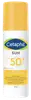
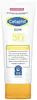
Cetaphil Sun Face Fluid SPF 50+ Tinted Versus Cetaphil Sheer Mineral Sunscreen Lotion Broad Spectrum SPF 50

What's inside
What's inside
 Key Ingredients
Benefits
Concerns
Ingredients Side-by-side
Water
Skin ConditioningEthylhexyl Methoxycinnamate
UV Absorber


Diethylamino Hydroxybenzoyl Hexyl Benzoate
UV Filter
C12-15 Alkyl Benzoate
AntimicrobialDibutyl Adipate
EmollientTapioca Starch
Ethylhexyl Triazone
UV Absorber
Methylene Bis-Benzotriazolyl Tetramethylbutylphenol
UV Filter
Bis-Ethylhexyloxyphenol Methoxyphenyl Triazine
Skin Conditioning
Sorbitol
Humectant

Helianthus Annuus Seed Oil
Emollient

Glycerin
Humectant
Tocopherol
Antioxidant





Dimethicone
Emollient
Lauryl Glucoside
CleansingPolyglyceryl-2 Dipolyhydroxystearate
Skin Conditioning
Cetyl Phosphate
EmulsifyingCetearyl Alcohol
Emollient



Benzyl Alcohol
Perfuming




Carbomer
Emulsion StabilisingDecyl Glucoside
Cleansing
Sodium Levulinate
Skin ConditioningTriethanolamine
BufferingCaprylyl Glycol
Emollient
Ascorbyl Palmitate
Antioxidant
Ethyl Ferulate
Antioxidant
Sodium Anisate
AntimicrobialPolymethylsilsesquioxane
Propylene Glycol
Humectant
Sodium Glycerophosphate
Rosmarinus Officinalis Leaf Extract
AntimicrobialXanthan Gum
EmulsifyingBHT
Antioxidant
Citric Acid
Buffering
Alumina
Abrasive
Magnesium Oxide
AbsorbentCI 77499
Cosmetic ColorantCI 77491
Cosmetic ColorantCI 77492
Cosmetic ColorantCI 77891
Cosmetic ColorantWater, Ethylhexyl Methoxycinnamate, Diethylamino Hydroxybenzoyl Hexyl Benzoate, C12-15 Alkyl Benzoate, Dibutyl Adipate, Tapioca Starch, Ethylhexyl Triazone, Methylene Bis-Benzotriazolyl Tetramethylbutylphenol, Bis-Ethylhexyloxyphenol Methoxyphenyl Triazine, Sorbitol, Helianthus Annuus Seed Oil, Glycerin, Tocopherol, Dimethicone, Lauryl Glucoside, Polyglyceryl-2 Dipolyhydroxystearate, Cetyl Phosphate, Cetearyl Alcohol, Benzyl Alcohol, Carbomer, Decyl Glucoside, Sodium Levulinate, Triethanolamine, Caprylyl Glycol, Ascorbyl Palmitate, Ethyl Ferulate, Sodium Anisate, Polymethylsilsesquioxane, Propylene Glycol, Sodium Glycerophosphate, Rosmarinus Officinalis Leaf Extract, Xanthan Gum, BHT, Citric Acid, Alumina, Magnesium Oxide, CI 77499, CI 77491, CI 77492, CI 77891
Titanium Dioxide 9%
Cosmetic Colorant
Zinc Oxide 7%
Cosmetic Colorant
Water
Skin ConditioningIsohexadecane
EmollientButyloctyl Salicylate
Skin Conditioning
Cetyl Dimethicone
Emollient
Styrene/Acrylates Copolymer
Olive Oil Polyglyceryl-6 Esters
Emollient
Sorbitan Olivate
Emulsifying
Sodium Stearoyl Lactylate
EmulsifyingVp/Eicosene Copolymer
Cetearyl Alcohol
Emollient
Cetearyl Olivate
Cetyl Palmitate
Emollient
Sorbitan Palmitate
Emulsifying
Dimethicone PEG-8 Laurate
Skin Conditioning
Ceramide NP
Skin Conditioning

Ceramide AP
Skin Conditioning
Ceramide EOP
Skin Conditioning
Cholesterol
Emollient
Phytosphingosine
Skin Conditioning
Hydrolyzed Hyaluronic Acid
Humectant
Benzyl Alcohol
Perfuming
Bisabolol
Antioxidant
Dipotassium Glycyrrhizate
Humectant
Propanediol
Solvent
Xanthan Gum
EmulsifyingAluminum Hydroxide
EmollientSodium Lauroyl Lactylate
EmulsifyingCarbomer
Emulsion StabilisingTocopheryl Acetate
Antioxidant
Disodium EDTA
Stearic Acid
Cleansing
Triethoxycaprylylsilane
Citric Acid
Buffering
Maltodextrin
Absorbent
Phenoxyethanol
Preservative
Capryloyl Glycine
CleansingUndecylenoyl Glycine
CleansingTitanium Dioxide 9%, Zinc Oxide 7%, Water, Isohexadecane, Butyloctyl Salicylate, Cetyl Dimethicone, Styrene/Acrylates Copolymer, Olive Oil Polyglyceryl-6 Esters, Sorbitan Olivate, Sodium Stearoyl Lactylate, Vp/Eicosene Copolymer, Cetearyl Alcohol, Cetearyl Olivate, Cetyl Palmitate, Sorbitan Palmitate, Dimethicone PEG-8 Laurate, Ceramide NP, Ceramide AP, Ceramide EOP, Cholesterol, Phytosphingosine, Hydrolyzed Hyaluronic Acid, Benzyl Alcohol, Bisabolol, Dipotassium Glycyrrhizate, Propanediol, Xanthan Gum, Aluminum Hydroxide, Sodium Lauroyl Lactylate, Carbomer, Tocopheryl Acetate, Disodium EDTA, Stearic Acid, Triethoxycaprylylsilane, Citric Acid, Maltodextrin, Phenoxyethanol, Capryloyl Glycine, Undecylenoyl Glycine
Reviews
Ingredients Explained
These ingredients are found in both products.
Ingredients higher up in an ingredient list are typically present in a larger amount.
Benzyl Alcohol is an aromatic alcohol with several roles: it's a preservative, solvent, and mild fragrance component with a floral scent.
This ingredient has been deemed safe for use in cosmetic formulations at concentrations up to 5%, and up to 10% in hair dyes. You'll typically see 0.5-2% in most rinse-off or leave-on products.
As a preservative, it works by disrupting the membrane of microbial proteins. This helps keep bacteria and fungi from growing in your products.
The sensitization picture is actually quite assuring as well:of nearly 71,000 patients patch tested with benzyl alcohol, only 0.21% showed a positive reaction with most of them being weakly positive.
This led researchers to conclude that benzyl alcohol cannot be regarded as a significant contact allergen.
It is worth noting this ingredient is classified as one of the EU's regulated fragrance allergens and restricted to 1% in finished products.
Labels must also declare it in concentrations above 0.001% in leave-on products and 0.01% in rinse-off products.
At concentrations around 5%, localized redness and itching can appear as a direct irritant response and not as a true allergic reaction.
Learn more about Benzyl AlcoholCarbomer is a high-molecular weight polymer of acrylic acid. It is used to form gels and thicken formulas.
Due to its large molecular size, carbomer has minimal skin penetration and is considered an inert ingredient.
A high amount of carbomer can cause pilling or balling up of products. Don't worry, most products contain 1% or less of carbomer.
Learn more about CarbomerCetearyl alcohol is a waxy mixture of two fatty alcohols: cetyl alcohol and stearyl alcohol. It is an emollient and emulsifier.
Despite having "alcohol" in its name, it has nothing to do with drying solvent alcohols; the FDA also allows "alcohol-free" products to contain fatty alcohols like this ingredient.
It plays several roles in a formula:
Typical use levels for this ingredient sit around 1-10% and the Cosmetic Ingredient Review Expert Panel has affirmed safety at concentrations up to 25% in leave-on products.
Multiple assessments have found it to be non-irritating and non-sensitizing to most people.
However, there have been some cases of allergic contact dermatitis in patients with chronically compromised skin barriers.
Cetearyl alcohol has a comedogenic rating of 2 and irritancy rating of 1. Both of these numbers come from the 1989 study that used rabbit ears; a "2" means mildly comedogenic and a "1" means low irritancy.
Here's the catch: rabbit skin is more sensitive than human skin and throws a lot of false positives. A 1996 reappraisal found that ingredients rated 1-2 in the rabbit ear tests are generally safe for humans.
Remember comedogenic ratings are unable to assess the entire formula of a product or how it will react on your skin. Just be sure to patch test if you are unsure about certain ingredients.
This ingredient is not fungal acne safe. Cetearyl alcohol is a fatty alcohol with chain lengths that fall within the range that Malassezia can metabolize.
A 2019 study has also observed Malassezia growth in the presence of this ingredient, confirming it to be not-fungal acne safe.
Learn more about Cetearyl AlcoholCitric Acid is an alpha hydroxy acid (AHA) naturally found in citrus fruits like oranges, lemons, and limes.
Like other AHAs, citric acid can exfoliate skin by breaking down the bonds that hold dead skin cells together. This helps reveal smoother and brighter skin underneath.
However, this exfoliating effect only happens at high concentrations (20%) which can be hard to find in cosmetic products.
Due to this, citric acid is usually included in small amounts as a pH adjuster. This helps keep products slightly more acidic and compatible with skin's natural pH.
In skincare formulas, citric acid can:
While it can provide some skin benefits, research shows lactic acid and glycolic acid are generally more effective and less irritating exfoliants.
Most citric acid used in skincare today is made by fermenting sugars (usually from molasses). This synthetic version is identical to the natural citrus form but easier to stabilize and use in formulations.
Read more about some other popular AHA's here:
Learn more about Citric AcidWater. It's the most common cosmetic ingredient of all. You'll usually see it at the top of ingredient lists, meaning that it makes up the largest part of the product.
So why is it so popular? Water most often acts as a solvent - this means that it helps dissolve other ingredients into the formulation.
You'll also recognize water as that liquid we all need to stay alive. If you see this, drink a glass of water. Remember to stay hydrated!
Learn more about WaterXanthan gum is used as a stabilizer and thickener within cosmetic products. It helps give products a sticky, thick feeling - preventing them from being too runny.
On the technical side of things, xanthan gum is a polysaccharide - a combination consisting of multiple sugar molecules bonded together.
Xanthan gum is a pretty common and great ingredient. It is a natural, non-toxic, non-irritating ingredient that is also commonly used in food products.
Learn more about Xanthan Gum
