

What's inside
What's inside
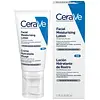 Key Ingredients
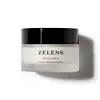
Benefits
Concerns
Ingredients Side-by-side
Water
Skin ConditioningGlycerin
Humectant



Caprylic/Capric Triglyceride
Masking
Niacinamide
Smoothing







Cetearyl Alcohol
Emollient



Potassium Phosphate
BufferingCeramide NP
Skin Conditioning
Ceramide AP
Skin Conditioning
Ceramide EOP
Skin Conditioning
Carbomer
Emulsion StabilisingDimethicone
Emollient
Ceteareth-20
Cleansing
Behentrimonium Methosulfate

Sodium Lauroyl Lactylate
EmulsifyingSodium Hyaluronate
Humectant
Cholesterol
Emollient
Phenoxyethanol
Preservative
Disodium EDTA
Dipotassium Phosphate
BufferingCaprylyl Glycol
Emollient
Phytosphingosine
Skin Conditioning
Xanthan Gum
EmulsifyingPolyglyceryl-3 Diisostearate
Emulsifying
Ethylhexylglycerin
Skin ConditioningWater, Glycerin, Caprylic/Capric Triglyceride, Niacinamide, Cetearyl Alcohol, Potassium Phosphate, Ceramide NP, Ceramide AP, Ceramide EOP, Carbomer, Dimethicone, Ceteareth-20, Behentrimonium Methosulfate, Sodium Lauroyl Lactylate, Sodium Hyaluronate, Cholesterol, Phenoxyethanol, Disodium EDTA, Dipotassium Phosphate, Caprylyl Glycol, Phytosphingosine, Xanthan Gum, Polyglyceryl-3 Diisostearate, Ethylhexylglycerin
Water
Skin ConditioningGlycerin
Humectant
Behenyl Alcohol
Emollient
Coco-Caprylate/Caprate
Emollient
Glyceryl Stearate
Emollient
Dimethicone
Emollient
Panthenyl Triacetate
Ethyl Linoleate
Emollient
Trehalose
Humectant
Linoleic Acid
Cleansing
Linolenic Acid
Cleansing
Oleic Acid
Emollient
Ceramide Ns
Skin Conditioning
Phospholipids
Skin Conditioning
Methyl Cyclodextrin
7-Dehydrocholesterol
Emulsion StabilisingGlycolipids
Skin ConditioningGlycine Soja Sterols
Emollient
Perilla Frutescens Leaf Extract
MaskingAlpha-Glucan Oligosaccharide
CleansingPolymnia Sonchifolia Root Juice
Skin ConditioningTocopherol
Antioxidant

Propanediol
Solvent
Ornithine
Skin ConditioningSaccharomyces Ferment Lysate Filtrate
Skin ConditioningCholesterol
Emollient
Lactobacillus
Skin ConditioningPalmitic Acid
Emollient
Stearic Acid
Cleansing
Lecithin
Emollient
Inulin Lauryl Carbamate
Emulsion StabilisingHydrogenated Lecithin
Emulsifying
Benzyl Alcohol
Perfuming





Carbomer
Emulsion StabilisingSodium Dehydroacetate
Preservative
Lauryl Alcohol
Emollient
Levulinic Acid
Perfuming
P-Anisic Acid
MaskingSodium Hydroxide
BufferingMyristyl Alcohol
Emollient
Cetyl Alcohol
Emollient
Oleyl Alcohol
Emollient
Dehydroacetic Acid
Preservative
Octyldodecanol
Emollient
Maltodextrin
Absorbent
Citric Acid
Buffering

Sodium Benzoate
Masking
Potassium Sorbate
Preservative
Water, Glycerin, Behenyl Alcohol, Coco-Caprylate/Caprate, Glyceryl Stearate, Dimethicone, Panthenyl Triacetate, Ethyl Linoleate, Trehalose, Linoleic Acid, Linolenic Acid, Oleic Acid, Ceramide Ns, Phospholipids, Methyl Cyclodextrin, 7-Dehydrocholesterol, Glycolipids, Glycine Soja Sterols, Perilla Frutescens Leaf Extract, Alpha-Glucan Oligosaccharide, Polymnia Sonchifolia Root Juice, Tocopherol, Propanediol, Ornithine, Saccharomyces Ferment Lysate Filtrate, Cholesterol, Lactobacillus, Palmitic Acid, Stearic Acid, Lecithin, Inulin Lauryl Carbamate, Hydrogenated Lecithin, Benzyl Alcohol, Carbomer, Sodium Dehydroacetate, Lauryl Alcohol, Levulinic Acid, P-Anisic Acid, Sodium Hydroxide, Myristyl Alcohol, Cetyl Alcohol, Oleyl Alcohol, Dehydroacetic Acid, Octyldodecanol, Maltodextrin, Citric Acid, Sodium Benzoate, Potassium Sorbate
Reviews
Ingredients Explained
These ingredients are found in both products.
Ingredients higher up in an ingredient list are typically present in a larger amount.
Carbomer is a polymer of acrylic acid. Its main role is to create a gel consistency.
A high amount of carbomer can cause pilling or balling up of products. Don't worry, most products contain 1% or less of carbomer.
Cholesterol is a class of organic molecules called lipids. It helps hydrate your skin and is essential to having a healthy skin barrier.
Our skin naturally contains cholesterol in the outermost layer. Besides cholesterol, it also contains ceramides and fatty acids. Cholesterol makes up about 1/4 of your skin's outer layer and barrier. Your skin barrier is responsible for keeping allergens and microbes out. Having a healthy skin barrier is also responsible for keeping your skin firm and plump.
Our bodies use cholestrol to create vitamin D, steroid hormones, and more.
Learn more about CholesterolDimethicone is a type of synthetic silicone created from natural materials such as quartz.
What it does:
Dimethicone comes in different viscosities:
Depending on the viscosity, dimethicone has different properties.
Ingredients lists don't always show which type is used, so we recommend reaching out to the brand if you have questions about the viscosity.
This ingredient is unlikely to cause irritation because it does not get absorbed into skin. However, people with silicone allergies should be careful about using this ingredient.
Note: Dimethicone may contribute to pilling. This is because it is not oil or water soluble, so pilling may occur when layered with products. When mixed with heavy oils in a formula, the outcome is also quite greasy.
Learn more about DimethiconeGlycerin is already naturally found in your skin. It helps moisturize and protect your skin.
A study from 2016 found glycerin to be more effective as a humectant than AHAs and hyaluronic acid.
As a humectant, it helps the skin stay hydrated by pulling moisture to your skin. The low molecular weight of glycerin allows it to pull moisture into the deeper layers of your skin.
Hydrated skin improves your skin barrier; Your skin barrier helps protect against irritants and bacteria.
Glycerin has also been found to have antimicrobial and antiviral properties. Due to these properties, glycerin is often used in wound and burn treatments.
In cosmetics, glycerin is usually derived from plants such as soybean or palm. However, it can also be sourced from animals, such as tallow or animal fat.
This ingredient is organic, colorless, odorless, and non-toxic.
Glycerin is the name for this ingredient in American English. British English uses Glycerol/Glycerine.
Learn more about GlycerinWater. It's the most common cosmetic ingredient of all. You'll usually see it at the top of ingredient lists, meaning that it makes up the largest part of the product.
So why is it so popular? Water most often acts as a solvent - this means that it helps dissolve other ingredients into the formulation.
You'll also recognize water as that liquid we all need to stay alive. If you see this, drink a glass of water. Stay hydrated!
Learn more about Water
