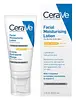
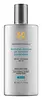
CeraVe AM Facial Moisturizing Lotion With SPF 50 Versus SkinCeuticals Physical Fusion UV Defense SPF 50

What's inside
What's inside
 Key Ingredients
Benefits
Concerns
Ingredients Side-by-side
Water
Skin ConditioningGlycerin
Humectant


Isopropyl Palmitate
Emollient


Bis-Ethylhexyloxyphenol Methoxyphenyl Triazine
Skin Conditioning
Ethylhexyl Salicylate
UV Absorber
Niacinamide
Smoothing









Pentylene Glycol
Skin Conditioning
Butyl Methoxydibenzoylmethane
UV Absorber
Ethylhexyl Triazone
UV Absorber
Propanediol
Solvent
Zea Mays Starch
Absorbent
Potassium Cetyl Phosphate
EmulsifyingDiisopropyl Sebacate
EmollientOryza Sativa Cera
Skin ConditioningOryza Sativa Bran Wax
Skin Conditioning
Stearic Acid
Cleansing
Ceramide NP
Skin Conditioning
Ceramide AP
Skin Conditioning
Ceramide EOP
Skin Conditioning
Carbomer
Emulsion StabilisingGlyceryl Stearate
Emollient
Cetearyl Alcohol
Emollient

Triethanolamine
BufferingBehentrimonium Methosulfate
Surfactant
Triethyl Citrate
Masking
Sodium Hyaluronate
Humectant
Sodium Polyacrylate
Absorbent
Sodium Lauroyl Lactylate
EmulsifyingMyristic Acid
Cleansing
Cholesterol
Emollient
Palmitic Acid
Emollient
Tocopherol
Antioxidant

Caprylyl Glycol
Emollient
Citric Acid
Buffering

Trisodium Ethylenediamine Disuccinate
Xanthan Gum
EmulsifyingPhytosphingosine
Skin Conditioning
Acrylates/C10-30 Alkyl Acrylate Crosspolymer
Emulsion StabilisingButyrospermum Parkii Butter
Skin Conditioning
Benzoic Acid
Masking

PEG-100 Stearate
Surfactant
Water, Glycerin, Isopropyl Palmitate, Bis-Ethylhexyloxyphenol Methoxyphenyl Triazine, Ethylhexyl Salicylate, Niacinamide, Pentylene Glycol, Butyl Methoxydibenzoylmethane, Ethylhexyl Triazone, Propanediol, Zea Mays Starch, Potassium Cetyl Phosphate, Diisopropyl Sebacate, Oryza Sativa Cera, Oryza Sativa Bran Wax, Stearic Acid, Ceramide NP, Ceramide AP, Ceramide EOP, Carbomer, Glyceryl Stearate, Cetearyl Alcohol, Triethanolamine, Behentrimonium Methosulfate, Triethyl Citrate, Sodium Hyaluronate, Sodium Polyacrylate, Sodium Lauroyl Lactylate, Myristic Acid, Cholesterol, Palmitic Acid, Tocopherol, Caprylyl Glycol, Citric Acid, Trisodium Ethylenediamine Disuccinate, Xanthan Gum, Phytosphingosine, Acrylates/C10-30 Alkyl Acrylate Crosspolymer, Butyrospermum Parkii Butter, Benzoic Acid, PEG-100 Stearate
Titanium Dioxide
Cosmetic Colorant
Zinc Oxide
Cosmetic Colorant
Water
Skin ConditioningDimethicone
Emollient
Isododecane
EmollientC12-15 Alkyl Benzoate
AntimicrobialUndecane
EmollientTriethylhexanoin
MaskingIsohexadecane
EmollientNylon-12
Caprylyl Methicone
Skin Conditioning
Butyloctyl Salicylate
Skin Conditioning
Phenethyl Benzoate
Emollient
Styrene/Acrylates Copolymer
Silica
Abrasive
Tridecane
Perfuming
Dicaprylyl Carbonate
EmollientDicaprylyl Ether
Emollient
Talc
Abrasive
Dimethicone/PEG-10/15 Crosspolymer
Aluminum Stearate
Cosmetic ColorantPentylene Glycol
Skin Conditioning
PEG-9 Polydimethylsiloxyethyl Dimethicone
Emulsifying
Alumina
Abrasive
Polyhydroxystearic Acid
Emulsifying
Phenoxyethanol
Preservative
Magnesium Sulfate
Caprylyl Glycol
Emollient
Iron Oxides
PEG-8 Laurate
Emulsifying
Disteardimonium Hectorite
StabilisingTriethoxycaprylylsilane
Tocopherol
Antioxidant
Propylene Carbonate
SolventArtemia Extract
Skin ConditioningBenzoic Acid
Masking
C9-15 Fluoroalcohol Phosphate
Skin ConditioningPEG-9
HumectantTitanium Dioxide, Zinc Oxide, Water, Dimethicone, Isododecane, C12-15 Alkyl Benzoate, Undecane, Triethylhexanoin, Isohexadecane, Nylon-12, Caprylyl Methicone, Butyloctyl Salicylate, Phenethyl Benzoate, Styrene/Acrylates Copolymer, Silica, Tridecane, Dicaprylyl Carbonate, Dicaprylyl Ether, Talc, Dimethicone/PEG-10/15 Crosspolymer, Aluminum Stearate, Pentylene Glycol, PEG-9 Polydimethylsiloxyethyl Dimethicone, Alumina, Polyhydroxystearic Acid, Phenoxyethanol, Magnesium Sulfate, Caprylyl Glycol, Iron Oxides, PEG-8 Laurate, Disteardimonium Hectorite, Triethoxycaprylylsilane, Tocopherol, Propylene Carbonate, Artemia Extract, Benzoic Acid, C9-15 Fluoroalcohol Phosphate, PEG-9
Reviews
Ingredients Explained
These ingredients are found in both products.
Ingredients higher up in an ingredient list are typically present in a larger amount.
Benzoic Acid is an organic acid that shows up in cosmetics as a preservative. It helps keep a product from spoiling by holding back the growth of yeast, mold, and some bacteria.
This ingredient also functions as a fragrance ingredient that helps mask the unpleasant scent of other ingredients.
The way it works is worth understanding; benzoic acid works when the formula is acidic. It is able to sneak into a microbe's cell and mess up how it functions to stop it from growing in an acidic product.
However, the acid switches to an inactive form and stops working if a product isn't acidic enough (above ~5 pH). This is why you'll often see it in low pH products or teamed up with other preservatives to cover the gap.
Safety wise, it's one of the better studied preservatives out there.
The Cosmetic Ingredient Review Expert Panel has concluded this ingredient to be safe for use in cosmetic formulations at concentrations up to 5%.
A large international review found this ingredient had no effects on the human body and had low irritation potential.
Just so you know, real world use is usually much lower than the 5% ceiling (usually 1% of less).
The EU caps it at 2.5% in rinse-off products, 1.7% in oral care, and 0.5% in leave-on products.
One thing worth mentioning (it's nothing to worry about): some people get a little stinging or flushing where they apply it. This isn't a true allergy; it's a temporary and harmless reaction. This is the same kind of mild tingle you might notice from sorbic acid.
Learn more about Benzoic AcidCaprylyl Glycol is a humectant, skin conditioner, emollient, and preservative booster derived from either caprylic acid or synthetically created.
Typical use levels vary from 0.3-1% as a preservative booster and go up to 2% to condition skin.
Because it is not a free-fatty acid, this ingredient is fungal acne safe (there's nothing for Malassezia to feed on).
Learn more about Caprylyl GlycolPentylene glycol is typically used within a product to thicken it. It also adds a smooth, soft, and moisturizing feel to the product. It is naturally found in plants such as sugar beets.
The hydrophilic trait of Pentylene Glycol makes it a humectant. As a humectant, Pentylene Glycol helps draw moisture from the air to your skin. This can help keep your skin hydrated.
This property also makes Pentylene Glycol a great texture enhancer. It can also help thicken or stabilize a product.
Pentylene Glycol also acts as a mild preservative and helps to keep a product microbe-free.
Some people may experience mild eye and skin irritation from Pentylene Glycol. We always recommend speaking with a professional about using this ingredient in your routine.
Pentylene Glycol has a low molecular weight and is part of the 1,2-glycol family.
Learn more about Pentylene GlycolTocopherol is a fat-soluble antioxidant known as Vitamin E.
You'll find this ingredient in the vast majority of skincare (for good reason). It works to neutralize free radicals, or unstable molecules generated by UV exposure, pollution, and other environmental stressors, before they can cause oxidative damage to your skin cells.
Topically applied tocopherol has been shown to protect against UV damage by ramping up the skin's own natural defense enzymes.
It also acts as a skin conditioning agent; some studies show that regular topical use can improve the skin's water-binding capacity over 2-4 weeks.
This ingredient is especially loved for being a team player. When combined with Vitamin C, the photoprotective effect of both ingredients roughly doubles and the combo also helps reduce UV-induced DNA damage.
This ingredient has some brightening potential but it's more of a prevention ingredient than spot-fader. Cell studies show it can slow down melanin production but it's worth noting that it's not the most powerful brightener out there.
In formulations, it also serves as a stabilizer that helps protect other oxidation-prone ingredients from degrading.
Concentrations usually range from 0.1-1% in most leave-on products.
Learn more about TocopherolWater. It's the most common cosmetic ingredient of all. You'll usually see it at the top of ingredient lists, meaning that it makes up the largest part of the product.
So why is it so popular? Water most often acts as a solvent - this means that it helps dissolve other ingredients into the formulation.
You'll also recognize water as that liquid we all need to stay alive. If you see this, drink a glass of water. Remember to stay hydrated!
Learn more about Water
