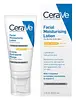
This barrier-repair day moisturizer is formulated around Niacinamide and Ceramide NP to strengthen the skin barrier and hydrate skin.
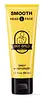
This barrier-repair moisturizer is formulated around Allantoin and Honey Extract to strengthen the skin barrier and hydrate skin.

What's inside
What's inside
 Key Ingredients
Benefits
Concerns
Ingredients Side-by-side
Water
Skin ConditioningGlycerin
Humectant


Isopropyl Palmitate
Emollient




Bis-Ethylhexyloxyphenol Methoxyphenyl Triazine
UV Absorber
Ethylhexyl Salicylate
UV Absorber
Niacinamide
Smoothing









Pentylene Glycol
Skin Conditioning
Butyl Methoxydibenzoylmethane
UV Absorber
Ethylhexyl Triazone
UV Absorber
Propanediol
Solvent
Zea Mays Starch
Absorbent
Potassium Cetyl Phosphate
EmulsifyingDiisopropyl Sebacate
EmollientOryza Sativa Cera
Skin ConditioningOryza Sativa Bran Wax
Skin Conditioning
Stearic Acid
Cleansing
Ceramide NP
Skin Conditioning
Ceramide AP
Skin Conditioning
Ceramide EOP
Skin Conditioning
Carbomer
Emulsion StabilisingGlyceryl Stearate
Emollient
Cetearyl Alcohol
Emollient

Triethanolamine
BufferingBehentrimonium Methosulfate
SurfactantTriethyl Citrate
Masking

Sodium Hyaluronate
Humectant
Sodium Polyacrylate
Absorbent
Sodium Lauroyl Lactylate
EmulsifyingMyristic Acid
Cleansing
Cholesterol
Emollient
Palmitic Acid
Emollient
Tocopherol
Antioxidant

Caprylyl Glycol
Emollient
Citric Acid
Buffering
Trisodium Ethylenediamine Disuccinate
ChelatingXanthan Gum
EmulsifyingPhytosphingosine
Skin Conditioning
Acrylates/C10-30 Alkyl Acrylate Crosspolymer
Emulsion StabilisingButyrospermum Parkii Butter
Skin Conditioning
Benzoic Acid
Masking
PEG-100 Stearate
Surfactant
Water, Glycerin, Isopropyl Palmitate, Bis-Ethylhexyloxyphenol Methoxyphenyl Triazine, Ethylhexyl Salicylate, Niacinamide, Pentylene Glycol, Butyl Methoxydibenzoylmethane, Ethylhexyl Triazone, Propanediol, Zea Mays Starch, Potassium Cetyl Phosphate, Diisopropyl Sebacate, Oryza Sativa Cera, Oryza Sativa Bran Wax, Stearic Acid, Ceramide NP, Ceramide AP, Ceramide EOP, Carbomer, Glyceryl Stearate, Cetearyl Alcohol, Triethanolamine, Behentrimonium Methosulfate, Triethyl Citrate, Sodium Hyaluronate, Sodium Polyacrylate, Sodium Lauroyl Lactylate, Myristic Acid, Cholesterol, Palmitic Acid, Tocopherol, Caprylyl Glycol, Citric Acid, Trisodium Ethylenediamine Disuccinate, Xanthan Gum, Phytosphingosine, Acrylates/C10-30 Alkyl Acrylate Crosspolymer, Butyrospermum Parkii Butter, Benzoic Acid, PEG-100 Stearate
Water
Skin ConditioningCaprylic/Capric Triglyceride
Masking
Dimethicone Crosspolymer
Emulsion Stabilising
Glycerin
Humectant
Glyceryl Stearate
Emollient
PEG-100 Stearate
Surfactant
Cetyl Alcohol
Emollient
Butyrospermum Parkii Butter
Skin Conditioning
Ethylhexylglycerin
Skin ConditioningPhenoxyethanol
Preservative
Cetearyl Olivate
Sorbitan Olivate
Emulsifying
Carbomer
Emulsion StabilisingAminomethyl Propanol
BufferingPotassium Sorbate
Preservative
Allantoin
Skin Conditioning
Parfum
Masking
Tocopheryl Acetate
Antioxidant
Tetrasodium Glutamate Diacetate
ChelatingTitanium Dioxide
Cosmetic Colorant
Honey Extract
Humectant
Propylene Glycol
Humectant
Propolis Cera
AntiseborrhoeicGlycyrrhiza Glabra Root Extract
Bleaching
Butylene Glycol
Humectant
Lycium Barbarum Fruit Extract
Astringent
Pentylene Glycol
Skin Conditioning
Hydroxyphenyl Propamidobenzoic Acid
Skin ConditioningBisabolol
Antioxidant
Zingiber Officinale Root Extract
Masking
Water, Caprylic/Capric Triglyceride, Dimethicone Crosspolymer, Glycerin, Glyceryl Stearate, PEG-100 Stearate, Cetyl Alcohol, Butyrospermum Parkii Butter, Ethylhexylglycerin, Phenoxyethanol, Cetearyl Olivate, Sorbitan Olivate, Carbomer, Aminomethyl Propanol, Potassium Sorbate, Allantoin, Parfum, Tocopheryl Acetate, Tetrasodium Glutamate Diacetate, Titanium Dioxide, Honey Extract, Propylene Glycol, Propolis Cera, Glycyrrhiza Glabra Root Extract, Butylene Glycol, Lycium Barbarum Fruit Extract, Pentylene Glycol, Hydroxyphenyl Propamidobenzoic Acid, Bisabolol, Zingiber Officinale Root Extract
Reviews
Ingredients Explained
These ingredients are found in both products.
Ingredients higher up in an ingredient list are typically present in a larger amount.
This ingredient is also known as shea butter. It is a plant-derived extract from the nuts of the Africa shea tree and one of the most well-studied emollients.
Because it has a high concentration of fatty acids (primarily oleic, stearic, and linoleic) it is able to form a protective barrier on the skin's surface. This helps seal in moisture and prevents transepidermal water loss (TEWL).
In vitro research found an increase in skin hydration by 58% and a decrease in TEWL by 37.8% after 24 hours of applying this ingredient (pretty impressive for a single ingredient!).
Besides hydration, shea butter also contains triterpenes that have anti-inflammatory potential. In particule, lupeol cinnamate has shown the highest anti-inflammatory activity in vivo.
Shea butter also contains vitamins A and E which may contribute to antioxidant activity.
While Shea Butter has an SPF rating of about 3-4, it is not a sunscreen replacement.
This ingredient may not be fungal acne safe because its fatty acids fall within the C11-C24 range that the Malassezia yeast can metabolize.
This ingredient shows up on a lot of "pore-clogging" lists but there's no real evidence behind that. It doesn't even have a comedogenic rating from an actual study; the numbers you'll find online come from blogs citing other blogs.
Ratings for other ingredients mostly come from a 1980s rabbit ear test. This test doesn't translate well to human skin or to real products because the ingredient sits at a much lower percentage.
Some people still find it breaks them out. So if that's you, definitely trust your skin. Just know this one's based on experience and not evidence.
Learn more about Butyrospermum Parkii ButterCarbomer is a synthetic thickening and gelling agent. It's basically the ingredient that gives a lot of serums, gels, creams, and sunscreens their smooth, non-sticky texture.
Although legally permitted at very high levels, carbomers are normally used at concentrations below 1%.
It also needs to be neutralized to actually thicken, and because it is a large molecule, it doesn't really penetrate the skin barrier.
Allergy-wise, the risk is very low. Clinical studies show carbomers have low potential for skin irritation/sensitization even at concentrations up to 100%.
A 2024 UK study patch-tested 1,302 patients and found true allergy to the parent group of carbomer to be rare with no confirmed relevant reactions.
Learn more about CarbomerGlycerin (or glycerol) is a compound naturally found in your skin. It's a powerhouse humectant that pulls water into the stratum corneum.
Topically, glycerin does several things at once:
Your skin makes glycerin on its own (mostly from sebaceous oil breakdown) and shuttles it to your outermost layer of skin, or your epidermis, via aquaporin-3.
Aquaporin-3 is a transporter that is essential for normal skin hydration, elasticity, and repair. Interestingly, mice lacking in AQP3 have dry and less elastic skin that can be fully corrected with glycerin.
This ingredient is non-irritating, plays well with almost every ingredient, and works across all skin types. Typical use is anywhere between 3-10% but can go up to 79% in some leave-on products.
Just know very high concentrations (>40%) can feel tacky in low humidity.
Glycerin is the name for this ingredient in American English. British English uses Glycerol/Glycerine.
Learn more about GlycerinGlyceryl Stearate is made by reacting glycerin with stearic acid (typically sourced from plant oils like palm or coconut). It's an emulsifier, emollient, and mild occlusive.
Emulsifiers help ingredients like oil and water stay mixed so your formula stays nicely blended and uniform in texture.
This ingredient is typically used in concentrations between 1-10%. Studies have found it to be non-sensitizing, non-phototoxic, and non-photoallergenic.
A close cousin of this ingredient is Glyceryl Stearate SE ("self-emulsifying"). This just has a small amount of sodium or potassium stearate added so it can emulsify without a co-emulsifier.
Since this ingredient is an ester of a C18 fatty acid, it may not be fungal acne safe. The Malassezia yeast can potentially metabolize within the C11-C24 range.
Fun fact: The human body also creates Glyceryl Stearate naturally.
Learn more about Glyceryl StearatePeg-100 Stearate is an emollient and emulsifier. As an emollient, it helps keep skin soft by trapping moisture in. On the other hand, emulsifiers help prevent oil and water from separating in a product.
PEGS are a hydrophilic polyether compound . There are 100 ethylene oxide monomers in Peg-100 Stearate. Peg-100 Stearate is polyethylene glycol ester of stearic acid.
Pentylene Glycol (1,2-pentanediol) is a multitasking little diol with three main roles in a formula:
Research on alkanediols (the family pentylene glycol belongs to) show they work by disrupting microbial cell membranes. This disruption helps the primary preservative system in a product work more effectively at lower doses.
On the safety side, the Cosmetic Ingredient Review Expert Panel has concluded this ingredient to be safe as used in current cosmetic practices + concentrations.
Typical use levels in a formula run about 1-5%.
Learn more about Pentylene GlycolWater. It's the most common cosmetic ingredient of all. You'll usually see it at the top of ingredient lists, meaning that it makes up the largest part of the product.
So why is it so popular? Water most often acts as a solvent - this means that it helps dissolve other ingredients into the formulation.
You'll also recognize water as that liquid we all need to stay alive. If you see this, drink a glass of water. Remember to stay hydrated!
Learn more about Water

