Cell Fusion C 15% Vitamin C Vita Shot Ampoule Versus Wildfleur 15% Pure Vitamin C + Xanthophyll-Marigold Brightening Serum
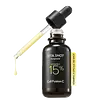
This brightening ampoule is formulated around Ascorbic Acid and Tocopherol to brighten dull-looking skin and fade the look of dark spots.
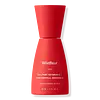
This brightening serum is formulated around Ascorbic Acid and Ferulic Acid to brighten dull-looking skin and fade the look of dark spots.


What's inside
What's inside
 Key Ingredients
Benefits
Concerns
Ingredients Side-by-side
Water
Skin ConditioningAscorbic Acid
Antioxidant






Propanediol
Solvent

Dipropylene Glycol
HumectantDicaprylyl Carbonate
EmollientButylene Glycol
Humectant
Phenyl Trimethicone
Skin Conditioning
Coco-Caprylate/Caprate
Emollient
Glyceryl Stearate
Emollient

1,2-Hexanediol
Skin Conditioning
Vinyldimethicone
Polyglyceryl-3 Distearate
Emulsifying
Sodium Hydroxide
BufferingC12-14 Alketh-12
EmulsifyingPEG-100 Stearate
Surfactant
Tocopherol
Antioxidant

Bisabolol
Antioxidant
Panthenol
Skin Conditioning
Sodium Stearoyl Glutamate
CleansingPolyacrylate Crosspolymer-6
Emulsion StabilisingHydrolyzed Sclerotium Gum
HumectantXanthan Gum
EmulsifyingGlyceryl Stearate Citrate
Emollient
Glutathione
Ferulic Acid
Antimicrobial
Ethylhexylglycerin
Skin ConditioningSodium Hyaluronate
Humectant
Pullulan
Adenosine
Skin Conditioning
Hydrolyzed Sponge
Skin ConditioningCitrus Aurantium Dulcis Flower Oil
Astringent
Litsea Cubeba Fruit Oil
Masking


Disodium EDTA
ChelatingCitrus Paradisi Peel Oil
Masking

Beta-Glucan
Skin Conditioning
Glycerin
Humectant
Citrus Aurantium Bergamia Fruit Oil
Masking
Mentha Viridis Leaf Oil
Astringent
Barosma Betulina Leaf Extract
Perfuming
Lactobacillus Ferment
Skin Conditioning
Sorbitol
Humectant
Helianthus Annuus Seed Oil
Emollient
Sucrose Stearate
EmollientCaprylic/Capric Triglyceride
Masking
Beta-Carotene
Skin ConditioningHesperidin
EmollientErgothioneine
Antioxidant
Limonene
Perfuming
Linalool
Perfuming
Citral
Perfuming
Water, Ascorbic Acid, Propanediol, Dipropylene Glycol, Dicaprylyl Carbonate, Butylene Glycol, Phenyl Trimethicone, Coco-Caprylate/Caprate, Glyceryl Stearate, 1,2-Hexanediol, Vinyldimethicone, Polyglyceryl-3 Distearate, Sodium Hydroxide, C12-14 Alketh-12, PEG-100 Stearate, Tocopherol, Bisabolol, Panthenol, Sodium Stearoyl Glutamate, Polyacrylate Crosspolymer-6, Hydrolyzed Sclerotium Gum, Xanthan Gum, Glyceryl Stearate Citrate, Glutathione, Ferulic Acid, Ethylhexylglycerin, Sodium Hyaluronate, Pullulan, Adenosine, Hydrolyzed Sponge, Citrus Aurantium Dulcis Flower Oil, Litsea Cubeba Fruit Oil, Disodium EDTA, Citrus Paradisi Peel Oil, Beta-Glucan, Glycerin, Citrus Aurantium Bergamia Fruit Oil, Mentha Viridis Leaf Oil, Barosma Betulina Leaf Extract, Lactobacillus Ferment, Sorbitol, Helianthus Annuus Seed Oil, Sucrose Stearate, Caprylic/Capric Triglyceride, Beta-Carotene, Hesperidin, Ergothioneine, Limonene, Linalool, Citral
Water
Skin ConditioningAscorbic Acid
Antioxidant
Butylene Glycol
Humectant
Propanediol
Solvent
Squalane
Emollient
Alcohol
Antimicrobial
Rosa Canina Fruit Oil
Emollient
Bis-PEG-18 Methyl Ether Dimethyl Silane
EmollientGlycerin
Humectant
Panthenol
Skin Conditioning
Caffeine
Skin Conditioning
Levan
Skin ProtectingXanthophylls
Skin ConditioningGardenia Florida Fruit Extract
Skin ConditioningMorinda Citrifolia Extract
AstringentPortulaca Oleracea Extract
Skin Conditioning
Prunus Amygdalus Dulcis Oil
Skin Conditioning
Simmondsia Chinensis Seed Oil
Emollient
Capsicum Annuum Fruit Extract
Antimicrobial
Bisabolol
Antioxidant
Helianthus Annuus Seed Oil
Emollient
Olea Europaea Fruit Oil
Masking
Arginine
Masking
Carnitine
Cleansing

Glycine
Buffering
Hibiscus Sabdariffa Flower Extract
Skin ConditioningHippophae Rhamnoides Fruit Extract
Skin Conditioning
Tocopherol
Antioxidant
Carthamus Tinctorius Seed Oil
Masking
Tetrasodium EDTA
ChelatingAronia Arbutifolia Fruit Extract
Skin ConditioningGlycyrrhiza Uralensis Extract
EmollientCalendula Officinalis Extract
Skin Conditioning
Euterpe Oleracea Fruit Extract
Taraxacum Coreanum Flower Extract
Skin ConditioningFerulic Acid
Antimicrobial
Allantoin
Skin Conditioning
Sodium Metabisulfite
Antioxidant
Boerhavia Diffusa Root Extract
Skin Protecting
Adenosine
Skin Conditioning
Viscum Album Extract
Skin ConditioningPhaseolus Radiatus Seed Extract
Skin ConditioningCaprylyl/Capryl Glucoside
Cleansing1,2-Hexanediol
Skin Conditioning
Sodium Hyaluronate
Humectant
Pinus Pinaster Bark Extract
Antioxidant
Tremella Fuciformis Extract
Humectant
Ubiquinone
Antioxidant
Glutathione
Polysorbate 60
Emulsifying
Sodium Carbonate
BufferingHydroxycinnamic Acid
Skin ConditioningVaccinium Myrtillus Fruit Extract
Skin ConditioningAloe Barbadensis Extract
Skin Conditioning
Beta-Glucan
Skin Conditioning
Ethylhexylglycerin
Skin ConditioningWater, Ascorbic Acid, Butylene Glycol, Propanediol, Squalane, Alcohol, Rosa Canina Fruit Oil, Bis-PEG-18 Methyl Ether Dimethyl Silane, Glycerin, Panthenol, Caffeine, Levan, Xanthophylls, Gardenia Florida Fruit Extract, Morinda Citrifolia Extract, Portulaca Oleracea Extract, Prunus Amygdalus Dulcis Oil, Simmondsia Chinensis Seed Oil, Capsicum Annuum Fruit Extract, Bisabolol, Helianthus Annuus Seed Oil, Olea Europaea Fruit Oil, Arginine, Carnitine, Glycine, Hibiscus Sabdariffa Flower Extract, Hippophae Rhamnoides Fruit Extract, Tocopherol, Carthamus Tinctorius Seed Oil, Tetrasodium EDTA, Aronia Arbutifolia Fruit Extract, Glycyrrhiza Uralensis Extract, Calendula Officinalis Extract, Euterpe Oleracea Fruit Extract, Taraxacum Coreanum Flower Extract, Ferulic Acid, Allantoin, Sodium Metabisulfite, Boerhavia Diffusa Root Extract, Adenosine, Viscum Album Extract, Phaseolus Radiatus Seed Extract, Caprylyl/Capryl Glucoside, 1,2-Hexanediol, Sodium Hyaluronate, Pinus Pinaster Bark Extract, Tremella Fuciformis Extract, Ubiquinone, Glutathione, Polysorbate 60, Sodium Carbonate, Hydroxycinnamic Acid, Vaccinium Myrtillus Fruit Extract, Aloe Barbadensis Extract, Beta-Glucan, Ethylhexylglycerin
Ingredients Explained
These ingredients are found in both products.
Ingredients higher up in an ingredient list are typically present in a larger amount.
1,2-Hexanediol is a synthetic liquid and another multi-functional powerhouse.
It is a:
- Humectant, drawing moisture into the skin
- Emollient, helping to soften skin
- Solvent, dispersing and stabilizing formulas
- Preservative booster, enhancing the antimicrobial activity of other preservatives
Adenosine is a purine nucleoside that your body already makes in every cell. In skincare, it acts mainly as a skin conditioning and anti-aging agent.
The way it works is fairly well mapped out:
Your skin has cells called fibroblasts that build collagen (the stuff that keeps skin firm and smooth). Adenosine basically flips a switch on these cells that tells them to get to work making more collagen and other proteins. These cells slow down on their own as skin ages, so Adenosine helps give them a little nudge to keep going.
The clinical backing is pretty solid too.
A blind, randomized, placebo-controlled trial of 126 women aged 45-65 tested a 0.1% cream twice daily and found real improvements in crow's feet and frown lines using a precise 3D skin-mapping technique; these changes showed up by week 3 and held at 2 months.
A later study using Adenosine-loaded dissolving microneedle patches reported gains in wrinkle depth, dermal density, elasticity, and hydration.
On concentrations, South Korea's Ministry of Food and Drug Safety has set 0.04% as the approved functional anti-wrinkle level. You'll typically see this ingredient used somewhere in the 0.04-0.1% range since it works at low doses.
This ingredient has been found safe for cosmetics with the data showing no irritation or sensitization.
Overall, this is a great ingredient for any anti-aging routine and has no photosensitizing effect, so it suits both AM and PM use.
Learn more about AdenosineAscorbic Acid is is pure Vitamin C and is the biologically active form used directly by skin.
Not only is vitamin C great for your overall health and immune system, but it also has plenty of benefits for your skin. It is best supported by academic literature for:
Topical vitamin C has been shown to help neutralize oxidative stress from UV and pollution, helping to improve photoaging and hyperpigmentation when used consistently.
One clinical study found that using 5% topical vitamin C for six months improved signs of photodamaged skin, both on the surface and in the deeper structural layers of the skin.
While vitamin C doesn’t replace sunscreen, studies show it can boost photoprotection when combined with Vitamin E and ferulic acid. These two ingredients help improve stability and protective effects.
The big downside of this ingredient is formulation difficulty. Vitamin C is prone to oxidation and doesn't penetrate the skin unless formulated correctly. Research found that vitamin C absorbs into the skin best at a low pH (< 3.5) with about 20% being the upper limit for effective absorption.
Skin levels can saturate after repeated application; this means your skin won’t keep absorbing more once it’s full of vitamin C. This is why more isn’t always better with vitamin C and why very high concentrations don’t necessarily give extra benefits.
Ascorbic acid generally works well with many skincare ingredients but can be irritating when combined with other active ingredients. Strong oxidizing acne treatments like benzoyl peroxide can reduce the effectiveness of vitamin C if they are used at the same time; they are often recommended for use at different times of day.
Read more about other types of Vitamin C:
Foods rich with vitamin C include oranges, strawberries, broccoli, bell peppers, and more. When consuming Vitamin C, your skin receives a portion of the nutrients.
Learn more about Ascorbic AcidBeta-Glucan is a soluble polysaccharide (a chain of glucose sugars) sourced from the cells walls of oats, baker's yeast, mushrooms, and seaweed.
It's a rare ingredient that pulls double-duty as a heavy-duty hydrator and skin-soothing repair agent.
On the surface, it acts as a humectant that holds water in place and reduces moisture loss for a plumper, smoother feel, while its anti-inflammatory and antioxidant properties make it a great pick for calming redness or sensitive skin
The more interesting story is underneath:
Despite its large molecular size, oat beta-glucan has been shown to penetrate the epidermis and reach the dermis by slipping between skin cells. Here, it interacts with fibroblasts and macrophages to nudge collagen synthesis and support wound repair.
A small 2005 split-face clinical study of 27 subjects found topical beta-glucan produced measurable reductions in wrinkle depth, height, and roughness after 8 weeks of use.
It is worth noting the trial was small and the penetration testing used frozen, irradiated skin so the anti-aging data is encouraging rather than definitive.
This ingredient gets along with pretty much everything and is typically used around 0.1-1%.
Fungal acne: This ingredient is not a food source for the Malassezia yeast because it is a glucose polysaccharide with no fatty acid or ester component.
Learn more about Beta-GlucanBisabolol is a gentle skin conditioner, antioxidant, and soothing ingredient.
It's primary claim to fame is soothing and research shows topically applied bisabolol can quiet the chemical messengers that cause your skin to become inflamed, helping to sooth any irritation.
A clinical study found that applying 0.5% bisabolol daily for 8 weeks produced an average 9% decrease in skin pigmentation. Researchers found it can also suppress the process that leads to excess melanin production in skin.
In vitro studies found that bisabolol combined with propylene glycol significantly increased skin permeability by increasing lipid fluidity in the stratum corneum.
You'll likely see use concentrations quite low, usually 0.1-0.2%.
Overall, this is a well-tolerated ingredient that works well in formulas designed for sensitive, reactive, or post-procedure skin.
Learn more about BisabololButylene Glycol (or BG) is used within cosmetic products for a few different reasons:
Overall, Butylene Glycol is a safe and well-rounded ingredient that works well with other ingredients.
Though this ingredient works well with most skin types, some people with sensitive skin may experience a reaction such as allergic rashes, closed comedones, or itchiness.
Learn more about Butylene GlycolEthylhexylglycerin is created from glycerin. It is a multitasker ingredient that:
The CIR Expert Panel found minimal skin absorption or sensitization of any kind in a safety assessment. Though this ingredient is considered well-tolerated, a small number of cases of allergic dermatitis have been published since 2002. Just be sure to patch test if you are unsure.
Industry-reported use ranges from 8% in rinse-off products and 2% in leave-on formulations.
Learn more about EthylhexylglycerinFerulic Acid is a plant based antioxidant that can be naturally found in the cell walls of grains like rice, oats, and corn. It has antioxidant and antimicrobial properties, and has the ability to boost the performance of other antioxidants as well.
A well-known study found that adding Ferulic Acid to a solution of Vitamins C and E doubled the photoprotection of skin. This is why you'll often see it paired with Vitamin C or Vitamin E serums rather than sold on its own.
A 2025 review of 18 human studies found that using Ferulic Acid (0.5-1%) daily for one to three months showed improvements in:
As far as allergies go, Ferulic acid is generally well-tolerated but can cause an allergic reaction in very rare cases. It's also worth noting that Ferulic acid is often extracted from plant sources like rice bran or wheat bran, so be sure to path test if you have known grain allergies.
Outside of skincare, researchers are also looking into Ferulic Acid for its potential benefits in areas like diabetes, Alzheimer's, and heart health.
Learn more about Ferulic AcidGlutathione is a tiny protein-like molecule (a "tripeptide" build from 3 amino acids: glycine, cysteine, and glutamic acid) that your body already makes on its own.
Inside your body, it acts as one of the skin's main antioxidants that help fight against free radicals.
In skincare, it's best known as a brightening ingredient that slows down tyrosinase, the key enzyme that makes skin pigment. It also nudges the skin toward making a lighter type of pigment instead of a darker one.
This is why you'll see it in products aimed at dark spots and uneven tone.
A small number of real human trials have found a topical glutathione lotion:
The honest caveat is that the current evidence is still thin (few studies, small groups, short timelines). Glutathione also doesn't absorb into skin very easily so results tend to be modest and fade if you stop using it.
One thing worth clearing up:
The scary side effects you may have heard about come from glutathione injected intravenously, which has real safety concerns. Applying it topically is a completely different thing and has a clean track record.
Most human studies used it around 2% (as Glutathione or Glutathione Disulfide) and a 2% oxidized glutathione lotion and a 2% S-acyl glutathione cream are the concentrations with actual clinical data behind them.
There's no established "ideal" percentage yet but 1-2% is the evidence-backed range.
Allergy-wise, there is very low risk for this ingredient; it was well-tolerated across the topical trials. Only one participant had mild temporary redness that cleared up on its own and another study reported no adverse reactions at all.
One trial had ~10% of users drop out for irritation was using a combination cream that also had 10% azelaic acid so the irritation likely wasn't from the glutathione. There's no notable contact-allergy signal for topical glutathione in the literature but patch-testing before first use is still sensible for those with sensitive skin.
Learn more about GlutathioneGlycerin (or glycerol) is a compound naturally found in your skin. It's a powerhouse humectant that pulls water into the stratum corneum.
Topically, glycerin does several things at once:
Your skin makes glycerin on its own (mostly from sebaceous oil breakdown) and shuttles it to your outermost layer of skin, or your epidermis, via aquaporin-3.
Aquaporin-3 is a transporter that is essential for normal skin hydration, elasticity, and repair. Interestingly, mice lacking in AQP3 have dry and less elastic skin that can be fully corrected with glycerin.
This ingredient is non-irritating, plays well with almost every ingredient, and works across all skin types. Typical use is anywhere between 3-10% but can go up to 79% in some leave-on products.
Just know very high concentrations (>40%) can feel tacky in low humidity.
Glycerin is the name for this ingredient in American English. British English uses Glycerol/Glycerine.
Learn more about GlycerinHelianthus Annuus Seed Oil is a plant oil derived from the seeds of a sunflower.
It is rich in fatty acids, primarily linoleic acid and oleic acid. This gives it emollient and skin conditioning properties.
The reason this ingredient is so effective is because it forms a thin film on the skin that reduces transepidermal water loss (TEWL) while supplying linoleic acid to the stratum corneum to improve barrier strength.
The high linoleic acid content is particularly noteworthy for acne-prone skin.
Research suggests that acne-prone skin tends to be deficient in linoleic acid in sebum. Topical application may help replenish this to support a healthier follicular environment and less comedone-promoting sebum.
One randomized study found sunflower seed oil preserved skin barrier integrity in adult volunteers with and without atopic dermatitis (outperforming olive oil).
This ingredient is well-studied, gentle, and an effective emollient suitable for most skin types.
On fungal acne: This ingredient may not be Fungal acne (Malassezia folliculitis) safe. This is because it contains fatty acids with carbon chain lengths in the C11-C24 range.
Learn more about Helianthus Annuus Seed OilPanthenol is a common ingredient that helps hydrate and soothe the skin. It is found naturally in our skin and hair.
There are two forms of panthenol: D and L.
D-panthenol is also known as dexpanthenol. Most cosmetics use dexpanthenol or a mixture of D and L-panthenol.
Panthenol is famous due to its ability to go deeper into the skin's layers. Using this ingredient has numerous pros (and no cons):
Like hyaluronic acid, panthenol is a humectant. Humectants are able to bind and hold large amounts of water to keep skin hydrated.
This ingredient works well for wound healing. It works by increasing tissue in the wound and helps close open wounds.
Once oxidized, panthenol converts to pantothenic acid. Panthothenic acid is found in all living cells.
This ingredient is also referred to as pro-vitamin B5.
Learn more about PanthenolPropanediol is an all-star ingredient. It softens, hydrates, and smooths the skin.
It’s often used to:
Propanediol is not likely to cause sensitivity and considered safe to use. It is derived from corn or petroleum with a clear color and no scent.
Learn more about PropanediolSodium Hyaluronate is the salt form of hyaluronic acid. It is a long sugar chain that is naturally found in your skin, joints, and connective tissue that maintains hydration and elasticity.
In skincare, it works as a humectant. It pulls water from the environment and deeper layers of skin and binds it to the surface.
Interestingly, the size of the molecule affects its behavior:
Some clinical evidence links low molecular weight versions to improved wrinkle depth, elasticity, anti-inflammatory effects, and barrier repair.
Many serums use a blend of both weights so you can get surface hydration plus longer-lasting and deeper effects.
You'll typically see concentrations between 0.1-2% for this ingredient.
Learn more about Sodium HyaluronateTocopherol is a fat-soluble antioxidant known as Vitamin E.
You'll find this ingredient in the vast majority of skincare (for good reason). It works to neutralize free radicals, or unstable molecules generated by UV exposure, pollution, and other environmental stressors, before they can cause oxidative damage to your skin cells.
Topically applied tocopherol has been shown to protect against UV damage by ramping up the skin's own natural defense enzymes.
It also acts as a skin conditioning agent; some studies show that regular topical use can improve the skin's water-binding capacity over 2-4 weeks.
This ingredient is especially loved for being a team player. When combined with Vitamin C, the photoprotective effect of both ingredients roughly doubles and the combo also helps reduce UV-induced DNA damage.
This ingredient has some brightening potential but it's more of a prevention ingredient than spot-fader. Cell studies show it can slow down melanin production but it's worth noting that it's not the most powerful brightener out there.
In formulations, it also serves as a stabilizer that helps protect other oxidation-prone ingredients from degrading.
Concentrations usually range from 0.1-1% in most leave-on products.
Learn more about TocopherolWater. It's the most common cosmetic ingredient of all. You'll usually see it at the top of ingredient lists, meaning that it makes up the largest part of the product.
So why is it so popular? Water most often acts as a solvent - this means that it helps dissolve other ingredients into the formulation.
You'll also recognize water as that liquid we all need to stay alive. If you see this, drink a glass of water. Remember to stay hydrated!
Learn more about Water

