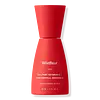
This brightening serum is formulated around Ascorbic Acid and Ferulic Acid to brighten dull-looking skin and fade the look of dark spots.
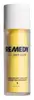
This brightening treatment is formulated around Niacinamide and Tranexamic Acid to fade the look of dark spots and brighten dull-looking skin.

What's inside
What's inside
 Key Ingredients
Benefits
Concerns
Ingredients Side-by-side
Water
Skin ConditioningAscorbic Acid
Antioxidant






Butylene Glycol
Humectant

Propanediol
Solvent
Squalane
Emollient
Alcohol
Antimicrobial




Rosa Canina Fruit Oil
Emollient

Bis-PEG-18 Methyl Ether Dimethyl Silane
EmollientGlycerin
Humectant
Panthenol
Skin Conditioning

Caffeine
Skin Conditioning
Levan
Skin ProtectingXanthophylls
Skin ConditioningGardenia Florida Fruit Extract
Skin ConditioningMorinda Citrifolia Extract
AstringentPortulaca Oleracea Extract
Skin Conditioning
Prunus Amygdalus Dulcis Oil
Skin Conditioning
Simmondsia Chinensis Seed Oil
Emollient
Capsicum Annuum Fruit Extract
Antimicrobial
Bisabolol
Antioxidant
Helianthus Annuus Seed Oil
Emollient
Olea Europaea Fruit Oil
Masking
Arginine
Masking
Carnitine
Cleansing

Glycine
Buffering
Hibiscus Sabdariffa Flower Extract
Skin ConditioningHippophae Rhamnoides Fruit Extract
Skin Conditioning
Tocopherol
Antioxidant
Carthamus Tinctorius Seed Oil
Masking
Tetrasodium EDTA
ChelatingAronia Arbutifolia Fruit Extract
Skin ConditioningGlycyrrhiza Uralensis Extract
EmollientCalendula Officinalis Extract
Skin Conditioning
Euterpe Oleracea Fruit Extract
Taraxacum Coreanum Flower Extract
Skin ConditioningFerulic Acid
Antimicrobial
Allantoin
Skin Conditioning
Sodium Metabisulfite
Antioxidant
Boerhavia Diffusa Root Extract
Skin Protecting
Adenosine
Skin Conditioning
Viscum Album Extract
Skin ConditioningPhaseolus Radiatus Seed Extract
Skin ConditioningCaprylyl/Capryl Glucoside
Cleansing1,2-Hexanediol
Skin Conditioning
Sodium Hyaluronate
Humectant
Pinus Pinaster Bark Extract
Antioxidant
Tremella Fuciformis Extract
Humectant
Ubiquinone
Antioxidant
Glutathione
Polysorbate 60
Emulsifying
Sodium Carbonate
BufferingHydroxycinnamic Acid
Skin ConditioningVaccinium Myrtillus Fruit Extract
Skin ConditioningAloe Barbadensis Extract
Skin Conditioning
Beta-Glucan
Skin Conditioning
Ethylhexylglycerin
Skin ConditioningWater, Ascorbic Acid, Butylene Glycol, Propanediol, Squalane, Alcohol, Rosa Canina Fruit Oil, Bis-PEG-18 Methyl Ether Dimethyl Silane, Glycerin, Panthenol, Caffeine, Levan, Xanthophylls, Gardenia Florida Fruit Extract, Morinda Citrifolia Extract, Portulaca Oleracea Extract, Prunus Amygdalus Dulcis Oil, Simmondsia Chinensis Seed Oil, Capsicum Annuum Fruit Extract, Bisabolol, Helianthus Annuus Seed Oil, Olea Europaea Fruit Oil, Arginine, Carnitine, Glycine, Hibiscus Sabdariffa Flower Extract, Hippophae Rhamnoides Fruit Extract, Tocopherol, Carthamus Tinctorius Seed Oil, Tetrasodium EDTA, Aronia Arbutifolia Fruit Extract, Glycyrrhiza Uralensis Extract, Calendula Officinalis Extract, Euterpe Oleracea Fruit Extract, Taraxacum Coreanum Flower Extract, Ferulic Acid, Allantoin, Sodium Metabisulfite, Boerhavia Diffusa Root Extract, Adenosine, Viscum Album Extract, Phaseolus Radiatus Seed Extract, Caprylyl/Capryl Glucoside, 1,2-Hexanediol, Sodium Hyaluronate, Pinus Pinaster Bark Extract, Tremella Fuciformis Extract, Ubiquinone, Glutathione, Polysorbate 60, Sodium Carbonate, Hydroxycinnamic Acid, Vaccinium Myrtillus Fruit Extract, Aloe Barbadensis Extract, Beta-Glucan, Ethylhexylglycerin
Water
Skin ConditioningGlycerin
Humectant
Niacinamide
Smoothing

Squalane
Emollient
Cetearyl Olivate
Dimethicone
Emollient
Tranexamic Acid
Astringent
Mandelic Acid
Antimicrobial
Soy Acid
EmollientSorbitan Olivate
Emulsifying
Glutathione
Tetrahexyldecyl Ascorbate
Antioxidant
Glycine Soja Seed Extract
Skin Conditioning
Kojic Dipalmitate
Emollient
Silybum Marianum Fruit Extract
Skin Conditioning
Retinol
Skin Conditioning
Camellia Sinensis Leaf Extract
Antimicrobial
Curcuma Longa Root Extract
Antioxidant
Acetyl Glucosamine
Skin Conditioning
Ceramide NP
Skin Conditioning
Glycyrrhiza Glabra Root Extract
Bleaching
Propanediol
Solvent
Hydroxyethyl Acrylate/Sodium Acryloyldimethyl Taurate Copolymer
Emulsion StabilisingIsohexadecane
EmollientCaesalpinia Spinosa Gum
Skin ConditioningCaprylic/Capric Triglyceride
Masking
Pentylene Glycol
Skin Conditioning
Polysorbate 60
Emulsifying
Polysorbate 20
Emulsifying
Sorbitan Isostearate
Emulsifying
Cetyl Palmitate
Emollient
Laureth-23
Cleansing
Trideceth-6 Phosphate
EmulsifyingSodium Hydroxide
BufferingCaprylyl Glycol
Emollient
Hexylene Glycol
EmulsifyingPhenoxyethanol
Preservative
Ethylhexylglycerin
Skin ConditioningSodium Benzoate
Masking
Water, Glycerin, Niacinamide, Squalane, Cetearyl Olivate, Dimethicone, Tranexamic Acid, Mandelic Acid, Soy Acid, Sorbitan Olivate, Glutathione, Tetrahexyldecyl Ascorbate, Glycine Soja Seed Extract, Kojic Dipalmitate, Silybum Marianum Fruit Extract, Retinol, Camellia Sinensis Leaf Extract, Curcuma Longa Root Extract, Acetyl Glucosamine, Ceramide NP, Glycyrrhiza Glabra Root Extract, Propanediol, Hydroxyethyl Acrylate/Sodium Acryloyldimethyl Taurate Copolymer, Isohexadecane, Caesalpinia Spinosa Gum, Caprylic/Capric Triglyceride, Pentylene Glycol, Polysorbate 60, Polysorbate 20, Sorbitan Isostearate, Cetyl Palmitate, Laureth-23, Trideceth-6 Phosphate, Sodium Hydroxide, Caprylyl Glycol, Hexylene Glycol, Phenoxyethanol, Ethylhexylglycerin, Sodium Benzoate
Reviews
Ingredients Explained
These ingredients are found in both products.
Ingredients higher up in an ingredient list are typically present in a larger amount.
Ethylhexylglycerin is created from glycerin. It is a multitasker ingredient that:
The CIR Expert Panel found minimal skin absorption or sensitization of any kind in a safety assessment. Though this ingredient is considered well-tolerated, a small number of cases of allergic dermatitis have been published since 2002. Just be sure to patch test if you are unsure.
Industry-reported use ranges from 8% in rinse-off products and 2% in leave-on formulations.
Learn more about EthylhexylglycerinGlutathione is a tiny protein-like molecule (a "tripeptide" build from 3 amino acids: glycine, cysteine, and glutamic acid) that your body already makes on its own.
Inside your body, it acts as one of the skin's main antioxidants that help fight against free radicals.
In skincare, it's best known as a brightening ingredient that slows down tyrosinase, the key enzyme that makes skin pigment. It also nudges the skin toward making a lighter type of pigment instead of a darker one.
This is why you'll see it in products aimed at dark spots and uneven tone.
A small number of real human trials have found a topical glutathione lotion:
The honest caveat is that the current evidence is still thin (few studies, small groups, short timelines). Glutathione also doesn't absorb into skin very easily so results tend to be modest and fade if you stop using it.
One thing worth clearing up:
The scary side effects you may have heard about come from glutathione injected intravenously, which has real safety concerns. Applying it topically is a completely different thing and has a clean track record.
Most human studies used it around 2% (as Glutathione or Glutathione Disulfide) and a 2% oxidized glutathione lotion and a 2% S-acyl glutathione cream are the concentrations with actual clinical data behind them.
There's no established "ideal" percentage yet but 1-2% is the evidence-backed range.
Allergy-wise, there is very low risk for this ingredient; it was well-tolerated across the topical trials. Only one participant had mild temporary redness that cleared up on its own and another study reported no adverse reactions at all.
One trial had ~10% of users drop out for irritation was using a combination cream that also had 10% azelaic acid so the irritation likely wasn't from the glutathione. There's no notable contact-allergy signal for topical glutathione in the literature but patch-testing before first use is still sensible for those with sensitive skin.
Learn more about GlutathioneGlycerin (or glycerol) is a compound naturally found in your skin. It's a powerhouse humectant that pulls water into the stratum corneum.
Topically, glycerin does several things at once:
Your skin makes glycerin on its own (mostly from sebaceous oil breakdown) and shuttles it to your outermost layer of skin, or your epidermis, via aquaporin-3.
Aquaporin-3 is a transporter that is essential for normal skin hydration, elasticity, and repair. Interestingly, mice lacking in AQP3 have dry and less elastic skin that can be fully corrected with glycerin.
This ingredient is non-irritating, plays well with almost every ingredient, and works across all skin types. Typical use is anywhere between 3-10% but can go up to 79% in some leave-on products.
Just know very high concentrations (>40%) can feel tacky in low humidity.
Glycerin is the name for this ingredient in American English. British English uses Glycerol/Glycerine.
Learn more about GlycerinPolysorbate 60 is used to help stabilize products. It is a surfactant and emulsifier. These properties help keep ingredients together in a product. Surfactants help reduce surface tension between ingredients with different states, such as liquids and solids. Emulsifiers help prevent oils and waters from separating.
Polysorbate 60 is sorbitol-based and created from the ethoxylation of sorbitan. Ethoxylation is a chemical reaction used to add ethylene oxide. Sorbitan is a the dehydrated version of sorbitol, a sugar found in fruits.
In this case, the 60 comes from reacting 60 units of ethylene oxide with sorbitan.
Polysorbates are commonly used in medicine and foods.
Learn more about Polysorbate 60Propanediol is an all-star ingredient. It softens, hydrates, and smooths the skin.
It’s often used to:
Propanediol is not likely to cause sensitivity and considered safe to use. It is derived from corn or petroleum with a clear color and no scent.
Learn more about PropanediolSqualane is the hydrogenated and shelf-stable form of squalene (a lipid that naturally occurs in human sebum).
It is an emollient and skin conditioning agent that is able to integrate seamlessly into the skin's lipid barrier without clogging pores.
This is due to how structurally similar it is to what your skin already produces.
Though it is mostly an emollient that helps soften and hydrate skin, it also has some humectant and occlusive action. Humectants help the skin retain moisture while occlusives seal it in, making squalane a triple-threat moisturizer.
Research shows it has antioxidant capabilities that help protect against stressors like UV exposure, specifically UVA induced oxidative stress. This study also found that it supports collagen biosynthesis in human dermal fibroblasts.
No clinical study has reported significant adverse effects and irritation reactions are very rare from this ingredient (even at 100% concentration).
Overall, it's a fantastic ingredient for hydration and is suitable for all skin types.
This depends on the source. Squalane can be derived from both plants and animals. Most squalane used in skincare comes from plants.
Please note: the source of squalane is only known if disclosed by the brand. We recommend reaching out to the brand if you have any questions about their squalane.
Read more about squalene with an "e".
Though squalane is often called an oil, it’s technically not one. It is a hydrocarbon, meaning it is only made of carbon and hydrogen. True oils are triglycerides and made of fatty acids and glycerol.
The term “oil-free” isn’t regulated so companies can define it however they want. Some exclude all oils, while others just avoid mineral oil or comedogenic oils.
Squalane has a comedogenic rating of 1 from the original 1972 study that tested raw ingredients under occlusion on rabbit ears. This system is not standardized or peer-reviewed, and using the raw ingredients is very different from how diluted cosmetic formulations are used on human skin.
A comedogenic rating of 1 means it is "unlikely to clog pores" according to the original rating system.
The overall formula of a product matters more than the individual ingredients on whether or not it will cause clogged pores.
Learn more about SqualaneWater. It's the most common cosmetic ingredient of all. You'll usually see it at the top of ingredient lists, meaning that it makes up the largest part of the product.
So why is it so popular? Water most often acts as a solvent - this means that it helps dissolve other ingredients into the formulation.
You'll also recognize water as that liquid we all need to stay alive. If you see this, drink a glass of water. Remember to stay hydrated!
Learn more about Water

