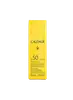
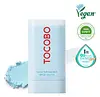
Caudalie Vinosun Protect Daily Mineral Sunscreen Broad Spectrum SPF 50 Lotion Versus Tocobo Cotton Soft Sun Stick SPF50+ PA++++
This hybrid sunscreen covers the full UV range and blocks ~98% of UVB at SPF 50.
This hybrid sunscreen covers the full UV range and blocks ~98% of UVB at SPF 50.


What's inside
What's inside
 Key Ingredients
Benefits
Concerns
Ingredients Side-by-side
Zinc Oxide 21.1%
Cosmetic Colorant


Water
Skin ConditioningCaprylic/Capric Triglyceride
Masking


Butyloctyl Salicylate
Skin Conditioning
Calcium Sodium Borosilicate
Erythritol
Humectant
Lauryl Laurate
Skin Conditioning

Propanediol
Solvent
Carthamus Tinctorius Oleosomes
Emollient
Bentonite
Absorbent

Niacinamide
Smoothing







Palmitoyl Grapevine Shoot Extract
Antioxidant
Cetearyl Alcohol
Emollient



Caprylyl Glycol
Emollient
Ethyl Ferulate
Antioxidant
Sucrose Polystearate
EmollientHelianthus Annuus Seed Oil
Emollient
Sucrose Stearate
EmollientCoco-Glucoside
Cleansing
Bisabolol
Antioxidant
Citric Acid
Buffering
Caramel
Cosmetic ColorantPolyhydroxystearic Acid
Emulsifying
Pongamia Pinnata Seed Extract
Skin ConditioningSodium Gluconate
Skin ConditioningCaprylhydroxamic Acid
Glycerin
Humectant
Tocopherol
Antioxidant
Microcrystalline Cellulose
AbsorbentBeta-Sitosterol
Emulsion Stabilising
Gluconolactone
Skin Conditioning
Squalene
Emollient
Xanthan Gum
EmulsifyingAloe Barbadensis Leaf Juice Powder
Skin Conditioning
Sodium Benzoate
Masking
Zinc Oxide 21.1%, Water, Caprylic/Capric Triglyceride, Butyloctyl Salicylate, Calcium Sodium Borosilicate, Erythritol, Lauryl Laurate, Propanediol, Carthamus Tinctorius Oleosomes, Bentonite, Niacinamide, Palmitoyl Grapevine Shoot Extract, Cetearyl Alcohol, Caprylyl Glycol, Ethyl Ferulate, Sucrose Polystearate, Helianthus Annuus Seed Oil, Sucrose Stearate, Coco-Glucoside, Bisabolol, Citric Acid, Caramel, Polyhydroxystearic Acid, Pongamia Pinnata Seed Extract, Sodium Gluconate, Caprylhydroxamic Acid, Glycerin, Tocopherol, Microcrystalline Cellulose, Beta-Sitosterol, Gluconolactone, Squalene, Xanthan Gum, Aloe Barbadensis Leaf Juice Powder, Sodium Benzoate
Synthetic Wax
Abrasive
Dibutyl Adipate
EmollientButylene Glycol Dicaprylate/Dicaprate
EmollientOctocrylene
UV Absorber
Methyl Methacrylate Crosspolymer
Vinyl Dimethicone/Methicone Silsesquioxane Crosspolymer

Ethylhexyl Methoxycinnamate
UV Absorber
Dicaprylyl Carbonate
EmollientCetyl Ethylhexanoate
EmollientSilica
Abrasive
Ethylhexyl Salicylate
UV Absorber
Diethylamino Hydroxybenzoyl Hexyl Benzoate
UV Filter
Bis-Ethylhexyloxyphenol Methoxyphenyl Triazine
UV Absorber
Tocopheryl Acetate
Antioxidant
Ozokerite
Emulsion StabilisingMelia Azadirachta Leaf Extract
Skin ConditioningMelia Azadirachta Flower Extract
Skin ConditioningCoccinia Indica Fruit Extract
Skin Conditioning
Solanum Melongena Fruit Extract
Skin ConditioningAloe Barbadensis Flower Extract
EmollientCardiospermum Halicacabum Flower/Leaf/Vine Extract
Skin ConditioningCurcuma Longa Root Extract
Antioxidant
Corallina Officinalis Extract
Skin Conditioning
Ocimum Sanctum Leaf Extract
Skin ConditioningGossypium Herbaceum Extract
Skin ConditioningSophora Flavescens Root Extract
Antioxidant
Rheum Palmatum Root/Stalk Extract
AstringentScutellaria Baicalensis Root Extract
Astringent
Phellodendron Amurense Bark Extract
Skin ConditioningOenothera Biennis Flower Extract
AstringentUlmus Davidiana Root Extract
Skin Conditioning
Pinus Palustris Leaf Extract
TonicPueraria Lobata Root Extract
HumectantEchium Plantagineum Seed Oil
Skin Conditioning
Simmondsia Chinensis Seed Oil
Emollient
Caprylyl Glycol
Emollient
Bisabolol
Antioxidant
Triethoxycaprylylsilane
Titanium Dioxide
Cosmetic Colorant
Polyglyceryl-2 Triisostearate
Emulsifying
Octyldodecanol
Emollient
Polyglyceryl-4 Diisostearate/Polyhydroxystearate/Sebacate
Emulsifying
Helianthus Annuus Seed Oil Unsaponifiables
Emollient
Tocopherol
Antioxidant
Water
Skin ConditioningButylene Glycol
Humectant
1,2-Hexanediol
Skin Conditioning
Parfum
Masking
Synthetic Wax, Dibutyl Adipate, Butylene Glycol Dicaprylate/Dicaprate, Octocrylene, Methyl Methacrylate Crosspolymer, Vinyl Dimethicone/Methicone Silsesquioxane Crosspolymer, Ethylhexyl Methoxycinnamate, Dicaprylyl Carbonate, Cetyl Ethylhexanoate, Silica, Ethylhexyl Salicylate, Diethylamino Hydroxybenzoyl Hexyl Benzoate, Bis-Ethylhexyloxyphenol Methoxyphenyl Triazine, Tocopheryl Acetate, Ozokerite, Melia Azadirachta Leaf Extract, Melia Azadirachta Flower Extract, Coccinia Indica Fruit Extract, Solanum Melongena Fruit Extract, Aloe Barbadensis Flower Extract, Cardiospermum Halicacabum Flower/Leaf/Vine Extract, Curcuma Longa Root Extract, Corallina Officinalis Extract, Ocimum Sanctum Leaf Extract, Gossypium Herbaceum Extract, Sophora Flavescens Root Extract, Rheum Palmatum Root/Stalk Extract, Scutellaria Baicalensis Root Extract, Phellodendron Amurense Bark Extract, Oenothera Biennis Flower Extract, Ulmus Davidiana Root Extract, Pinus Palustris Leaf Extract, Pueraria Lobata Root Extract, Echium Plantagineum Seed Oil, Simmondsia Chinensis Seed Oil, Caprylyl Glycol, Bisabolol, Triethoxycaprylylsilane, Titanium Dioxide, Polyglyceryl-2 Triisostearate, Octyldodecanol, Polyglyceryl-4 Diisostearate/Polyhydroxystearate/Sebacate, Helianthus Annuus Seed Oil Unsaponifiables, Tocopherol, Water, Butylene Glycol, 1,2-Hexanediol, Parfum
Reviews
Ingredients Explained
These ingredients are found in both products.
Ingredients higher up in an ingredient list are typically present in a larger amount.
Bisabolol is a gentle skin conditioner, antioxidant, and soothing ingredient.
It's primary claim to fame is soothing and research shows topically applied bisabolol can quiet the chemical messengers that cause your skin to become inflamed, helping to sooth any irritation.
A clinical study found that applying 0.5% bisabolol daily for 8 weeks produced an average 9% decrease in skin pigmentation. Researchers found it can also suppress the process that leads to excess melanin production in skin.
In vitro studies found that bisabolol combined with propylene glycol significantly increased skin permeability by increasing lipid fluidity in the stratum corneum.
You'll likely see use concentrations quite low, usually 0.1-0.2%.
Overall, this is a well-tolerated ingredient that works well in formulas designed for sensitive, reactive, or post-procedure skin.
Learn more about BisabololCaprylyl Glycol is a humectant, skin conditioner, emollient, and preservative booster derived from either caprylic acid or synthetically created.
Typical use levels vary from 0.3-1% as a preservative booster and go up to 2% to condition skin.
Because it is not a free-fatty acid, this ingredient is fungal acne safe (there's nothing for Malassezia to feed on).
Learn more about Caprylyl GlycolTocopherol is a fat-soluble antioxidant known as Vitamin E.
You'll find this ingredient in the vast majority of skincare (for good reason). It works to neutralize free radicals, or unstable molecules generated by UV exposure, pollution, and other environmental stressors, before they can cause oxidative damage to your skin cells.
Topically applied tocopherol has been shown to protect against UV damage by ramping up the skin's own natural defense enzymes.
It also acts as a skin conditioning agent; some studies show that regular topical use can improve the skin's water-binding capacity over 2-4 weeks.
This ingredient is especially loved for being a team player. When combined with Vitamin C, the photoprotective effect of both ingredients roughly doubles and the combo also helps reduce UV-induced DNA damage.
This ingredient has some brightening potential but it's more of a prevention ingredient than spot-fader. Cell studies show it can slow down melanin production but it's worth noting that it's not the most powerful brightener out there.
In formulations, it also serves as a stabilizer that helps protect other oxidation-prone ingredients from degrading.
Concentrations usually range from 0.1-1% in most leave-on products.
Learn more about TocopherolWater. It's the most common cosmetic ingredient of all. You'll usually see it at the top of ingredient lists, meaning that it makes up the largest part of the product.
So why is it so popular? Water most often acts as a solvent - this means that it helps dissolve other ingredients into the formulation.
You'll also recognize water as that liquid we all need to stay alive. If you see this, drink a glass of water. Remember to stay hydrated!
Learn more about Water

