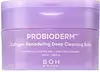
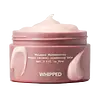
BOH Bio Heal Probioderm Collagen Remodeling Deep Cleansing Balm Versus Whipped Muhwabutter Vegan Caramel Cleansing Balm
This oil-based makeup remover is made to dissolve makeup, sunscreen, and daily buildup.
This oil-based makeup remover is made to dissolve makeup, sunscreen, and daily buildup.

What's inside
What's inside
 Key Ingredients
Benefits
Concerns
Ingredients Side-by-side
Glycine Soja Oil
Emollient








C12-15 Alkyl Benzoate
AntimicrobialPEG-20 Glyceryl Triisostearate
Emollient
Polyethylene
Abrasive
Citrus Limon Seed Oil
Masking
PEG-8 Diisostearate
Emulsifying
Collagen
Moisturising
Hydrolyzed Collagen
Emollient
Citrus Aurantium Dulcis Peel Oil
Masking
Eclipta Prostrata Extract
Skin Conditioning
Cymbopogon Martini Oil
Masking
Water
Skin ConditioningMelia Azadirachta Leaf Extract
Skin ConditioningGluconolactone
Chelating






Capryloyl Salicylic Acid
Exfoliating
Moringa Oleifera Seed Oil
Emollient
Lactobacillus Ferment
Skin Conditioning

Glycolic Acid
Buffering

Butylene Glycol
Humectant
Ceramide AP
Skin Conditioning
1,2-Hexanediol
Skin Conditioning
Panthenol
Skin Conditioning
Glycerin
Humectant
Sodium Hyaluronate
Humectant
Polyglyceryl-10 Laurate
Skin Conditioning
Caprylyl Glycol
Emollient
Diospyros Kaki Leaf Extract
Skin Protecting
Ethylhexylglycerin
Skin ConditioningVitis Vinifera Fruit Extract
Skin ConditioningHyaluronic Acid
Humectant
Hydrolyzed Hyaluronic Acid
Humectant
Hydroxypropyltrimonium Hyaluronate
Hydrolyzed Sodium Hyaluronate
Skin Conditioning
Potassium Hyaluronate
Skin ConditioningCoffea Arabica Seed Extract
Masking
Polygonum Cuspidatum Root Extract
Antioxidant
Carthamus Tinctorius Flower Extract
Skin ConditioningCastanea Crenata Shell Extract
Skin ConditioningZanthoxylum Piperitum Fruit Extract
Skin ConditioningCamellia Sinensis Leaf Extract
Antimicrobial
Betaine
Humectant
Pentylene Glycol
Skin Conditioning
Sodium Hyaluronate Crosspolymer
Humectant
Sodium Acetylated Hyaluronate
Humectant
Fructooligosaccharides
Humectant
Copper Tripeptide-1
Skin Conditioning
Tripeptide-1
Skin Conditioning
Palmitoyl Pentapeptide-4
Skin Conditioning
Beta-Glucan
Skin Conditioning
Palmitoyl Tripeptide-1
Skin Conditioning
Hexapeptide-9
Skin Conditioning
Hexapeptide-11
Skin Conditioning
Fructan
Skin ConditioningInulin
Skin Conditioning
Limonene
Perfuming
Geraniol
Perfuming
Linalool
Perfuming
Glycine Soja Oil, C12-15 Alkyl Benzoate, PEG-20 Glyceryl Triisostearate, Polyethylene, Citrus Limon Seed Oil, PEG-8 Diisostearate, Collagen, Hydrolyzed Collagen, Citrus Aurantium Dulcis Peel Oil, Eclipta Prostrata Extract, Cymbopogon Martini Oil, Water, Melia Azadirachta Leaf Extract, Gluconolactone, Capryloyl Salicylic Acid, Moringa Oleifera Seed Oil, Lactobacillus Ferment, Glycolic Acid, Butylene Glycol, Ceramide AP, 1,2-Hexanediol, Panthenol, Glycerin, Sodium Hyaluronate, Polyglyceryl-10 Laurate, Caprylyl Glycol, Diospyros Kaki Leaf Extract, Ethylhexylglycerin, Vitis Vinifera Fruit Extract, Hyaluronic Acid, Hydrolyzed Hyaluronic Acid, Hydroxypropyltrimonium Hyaluronate, Hydrolyzed Sodium Hyaluronate, Potassium Hyaluronate, Coffea Arabica Seed Extract, Polygonum Cuspidatum Root Extract, Carthamus Tinctorius Flower Extract, Castanea Crenata Shell Extract, Zanthoxylum Piperitum Fruit Extract, Camellia Sinensis Leaf Extract, Betaine, Pentylene Glycol, Sodium Hyaluronate Crosspolymer, Sodium Acetylated Hyaluronate, Fructooligosaccharides, Copper Tripeptide-1, Tripeptide-1, Palmitoyl Pentapeptide-4, Beta-Glucan, Palmitoyl Tripeptide-1, Hexapeptide-9, Hexapeptide-11, Fructan, Inulin, Limonene, Geraniol, Linalool
Ethylhexyl Palmitate
Emollient
Sorbeth-30 Tetraoleate
Emulsifying
Cetyl Ethylhexanoate
EmollientIsopropyl Palmitate
Emollient
Propylene Glycol Dicaprylate/Dicaprate
EmollientTriethylhexanoin
MaskingSynthetic Wax
Abrasive
Zea Mays Germ Oil
Emollient
Silica Dimethyl Silylate
EmollientButyrospermum Parkii Butter
Skin Conditioning
1,2-Hexanediol
Skin Conditioning
Caprylic/Capric Triglyceride
Masking
Ficus Carica Fruit Extract
Humectant
Collagen
Moisturising
Ceramide NP
Skin Conditioning
Calamine
AbsorbentPentaerythrityl Tetra-Di-T-Butyl Hydroxyhydrocinnamate
Antioxidant
Benzotriazolyl Dodecyl P-Cresol
UV AbsorberDipropylene Glycol
HumectantTriethoxycaprylylsilane

CI 77491
Cosmetic ColorantWater
Skin ConditioningTheobroma Cacao Seed Butter
Emollient
Ectoin
Skin Conditioning
Capryloyl Salicylic Acid
Exfoliating
Glycerin
Humectant
Vaccinium Myrtillus Fruit Extract
Skin ConditioningButylene Glycol
Humectant
Saccharum Officinarum Extract
MoisturisingCitrus Limon Fruit Extract
Masking
Citrus Aurantium Dulcis Fruit Extract
MaskingHydrogenated Lecithin
Emulsifying
Centella Asiatica Extract
Cleansing
Acer Saccharum Extract
Skin ConditioningParfum
Masking
Limonene
Perfuming
Ethylhexyl Palmitate, Sorbeth-30 Tetraoleate, Cetyl Ethylhexanoate, Isopropyl Palmitate, Propylene Glycol Dicaprylate/Dicaprate, Triethylhexanoin, Synthetic Wax, Zea Mays Germ Oil, Silica Dimethyl Silylate, Butyrospermum Parkii Butter, 1,2-Hexanediol, Caprylic/Capric Triglyceride, Ficus Carica Fruit Extract, Collagen, Ceramide NP, Calamine, Pentaerythrityl Tetra-Di-T-Butyl Hydroxyhydrocinnamate, Benzotriazolyl Dodecyl P-Cresol, Dipropylene Glycol, Triethoxycaprylylsilane, CI 77491, Water, Theobroma Cacao Seed Butter, Ectoin, Capryloyl Salicylic Acid, Glycerin, Vaccinium Myrtillus Fruit Extract, Butylene Glycol, Saccharum Officinarum Extract, Citrus Limon Fruit Extract, Citrus Aurantium Dulcis Fruit Extract, Hydrogenated Lecithin, Centella Asiatica Extract, Acer Saccharum Extract, Parfum, Limonene
Alternatives
Ingredients Explained
These ingredients are found in both products.
Ingredients higher up in an ingredient list are typically present in a larger amount.
1,2-Hexanediol is a synthetic liquid and another multi-functional powerhouse.
It is a:
- Humectant, drawing moisture into the skin
- Emollient, helping to soften skin
- Solvent, dispersing and stabilizing formulas
- Preservative booster, enhancing the antimicrobial activity of other preservatives
Butylene Glycol (or BG) is used within cosmetic products for a few different reasons:
Overall, Butylene Glycol is a safe and well-rounded ingredient that works well with other ingredients.
Though this ingredient works well with most skin types, some people with sensitive skin may experience a reaction such as allergic rashes, closed comedones, or itchiness.
Learn more about Butylene GlycolCapryloyl Salicylic Acid comes from salicylic acid, the famous acne-fighting BHA.
It usually goes by a more common name of LHA, or lipohydroxy acid.
Like salicylic acid, this ingredient is a chemical exfoliant that can help break down the oil in your pores and reduce inflammation.
Though studies for LHA do show it to be less effective than salicylic acid. To be fair, salicylic acid is the reigning monarch of acne treatments.
However, a study from 2009 found LHA to be comparable to BPO, making it a good alternative for people with sensitive skin. Another study of 14 patients found a significant decrease in comedones after using LHA.
Another pro of LHA? It is less irritating than salicylic acid due to its large molecule size.
Large molecules cannot penetrate skin as well, so they are gentler on the skin. LHA is much less penetrative than salicylic acid.
An in-vitro study (not done on a living organism) found only 6% of LHA penetrated past the statum corneum compared to 58% of salicylic acid. An in-vivo (done on a living organism) analysis revealed ~17% of LHA was still present in the top layer of skin after 4 days, versus ~9% of salicylic acid.
Interestingly, a study from 2008 found LHA comparable to another famous acid, glycolic acid.
This study found about 10% of LHA is as effective as 20-50% of glycolic acid in treating hyperpigmentation and fine-lines.
Hydroxy acids have been found to stimulate skin protein, lipids, and thermal thickening. This may have anti-aging benefits.
Learn more about Capryloyl Salicylic AcidCollagen is a big structural protein that your body uses to keep skin firm and bouncy. Despite the marketing, topically applied collagen doesn't "refill" the collagen in your skin.
The molecule is too big to pass through your skin barrier so intact Collagen physically can't get past the surface.
What it actually does in your skincare is work as a humectant and film-former: it binds water, lays down a light moisturizing film, and reduces water loss from the surface. This helps make skin feel smoother and temporarily plumper.
This ingredient has been found safe for use in cosmetics with clinical studies showing no irritation, sensitization, or phototoxicity. It's typically used at low concentrations (often a fraction of a percent up to a few percent).
Collagen will not increase sun sensitivity, but you should always wear sunscreen during the day.
Learn more about hydrolyzed collagen or soluble collagen.
Learn more about CollagenGlycerin (or glycerol) is a compound naturally found in your skin. It's a powerhouse humectant that pulls water into the stratum corneum.
Topically, glycerin does several things at once:
Your skin makes glycerin on its own (mostly from sebaceous oil breakdown) and shuttles it to your outermost layer of skin, or your epidermis, via aquaporin-3.
Aquaporin-3 is a transporter that is essential for normal skin hydration, elasticity, and repair. Interestingly, mice lacking in AQP3 have dry and less elastic skin that can be fully corrected with glycerin.
This ingredient is non-irritating, plays well with almost every ingredient, and works across all skin types. Typical use is anywhere between 3-10% but can go up to 79% in some leave-on products.
Just know very high concentrations (>40%) can feel tacky in low humidity.
Glycerin is the name for this ingredient in American English. British English uses Glycerol/Glycerine.
Learn more about GlycerinLimonene is the compound that gives citrus peel its smell.
In skincare, it shows up as a standalone fragrance ingredient or as a natural compound of citrus and other essential oils.
You'll typically see this ingredient used in very small amounts; anything above 0.001% in a leave-on product or 0.01% in a rinse-off has to be named on the label in the EU. The citrus oils that carry it sit around 0.5-1% in a finished formula.
Fresh limonene is a weak allergen; the real issue is that it slowly reacts with air and then breaks down from oxidation to create hydroperoxides (which are strong sensitizers). This is why suppliers are required to keep the peroxide value below 20 mmol.
Positive reactions in people being investigated for eczema vary:
It's worth skipping if you have a known fragrance allergy or a compromised barrier, but the risk is low for most people.
Older or long-opened products are also more likely to bother you than fresh ones due to oxidation.
Learn more about LimoneneWater. It's the most common cosmetic ingredient of all. You'll usually see it at the top of ingredient lists, meaning that it makes up the largest part of the product.
So why is it so popular? Water most often acts as a solvent - this means that it helps dissolve other ingredients into the formulation.
You'll also recognize water as that liquid we all need to stay alive. If you see this, drink a glass of water. Remember to stay hydrated!
Learn more about Water

