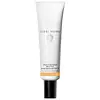
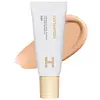
Bobbi Brown Vitamin Enriched Skin Tint SPF 15 Versus Hourglass Cosmetics Veil Hydrating Skin Tint Foundation

What's inside
What's inside
 Key Ingredients
Benefits
Concerns
Ingredients Side-by-side
Water
Skin ConditioningEthylhexyl Methoxycinnamate
UV Absorber


Glyceryl Triacetyl Ricinoleate
Emollient
Octyldodecyl Neopentanoate
EmollientDiethylhexyl Succinate
EmollientButylene Glycol
Humectant
Ethylhexyl Salicylate
UV Absorber
Titanium Dioxide
Cosmetic Colorant
Butyrospermum Parkii Butter
Skin Conditioning

Glycerin
Humectant


Steareth-21
CleansingGlyceryl Stearate
Emollient
Citrus Grandis Peel Oil
Masking

Pelargonium Graveolens Flower Oil
Masking
Cereus Grandiflorus Flower Extract
Skin ConditioningLactobacillus Ferment
Skin Conditioning
Niacinamide
Smoothing







Ethylhexylglycerin
Skin ConditioningCaprylyl Glycol
Emollient
Cholesterol
Emollient
Isohexadecane
Emollient7-Dehydrocholesterol
Emulsion StabilisingSodium Hyaluronate
Humectant
Biosaccharide Gum-1
Humectant
Magnesium Aluminum Silicate
AbsorbentAluminum Hydroxide
EmollientSteareth-2
EmulsifyingCetyl Alcohol
Emollient
Acrylamide/Sodium Acryloyldimethyltaurate Copolymer
Emulsion StabilisingXanthan Gum
EmulsifyingLecithin
Emollient
Potassium Stearate
CleansingSodium Hydroxide
BufferingPolysorbate 80
Emulsifying
Sorbitan Oleate
Emulsifying
Citric Acid
Buffering

Limonene
Perfuming
Citronellol
Perfuming
Geraniol
Perfuming
Linalool
Perfuming
Citral
Perfuming
Tocopheryl Acetate
Antioxidant

BHT
Antioxidant
Phytic Acid
Disodium EDTA
Magnesium Ascorbyl Phosphate
Antioxidant
Phenoxyethanol
Preservative
Sorbic Acid
Preservative
Mica
Cosmetic Colorant
CI 77891
Cosmetic ColorantCI 77491
Cosmetic ColorantCI 77492
Cosmetic ColorantCI 77499
Cosmetic ColorantWater, Ethylhexyl Methoxycinnamate, Glyceryl Triacetyl Ricinoleate, Octyldodecyl Neopentanoate, Diethylhexyl Succinate, Butylene Glycol, Ethylhexyl Salicylate, Titanium Dioxide, Butyrospermum Parkii Butter, Glycerin, Steareth-21, Glyceryl Stearate, Citrus Grandis Peel Oil, Pelargonium Graveolens Flower Oil, Cereus Grandiflorus Flower Extract, Lactobacillus Ferment, Niacinamide, Ethylhexylglycerin, Caprylyl Glycol, Cholesterol, Isohexadecane, 7-Dehydrocholesterol, Sodium Hyaluronate, Biosaccharide Gum-1, Magnesium Aluminum Silicate, Aluminum Hydroxide, Steareth-2, Cetyl Alcohol, Acrylamide/Sodium Acryloyldimethyltaurate Copolymer, Xanthan Gum, Lecithin, Potassium Stearate, Sodium Hydroxide, Polysorbate 80, Sorbitan Oleate, Citric Acid, Limonene, Citronellol, Geraniol, Linalool, Citral, Tocopheryl Acetate, BHT, Phytic Acid, Disodium EDTA, Magnesium Ascorbyl Phosphate, Phenoxyethanol, Sorbic Acid, Mica, CI 77891, CI 77491, CI 77492, CI 77499
Water
Skin ConditioningCaprylic/Capric Triglyceride
Masking
Glycerin
Humectant
Limnanthes Alba Seed Oil
Skin Conditioning
Propanediol
Solvent
Squalane
Emollient
C9-12 Alkane
SolventErythritol
Humectant
Dicaprylyl Ether
Emollient
Polyglyceryl-6 Polyricinoleate
Emulsifying
Octyldodecanol
Emollient
Disteardimonium Hectorite
StabilisingDistarch Phosphate
AbsorbentPhenoxyethanol
Preservative
Polyglyceryl-2 Isostearate
Emulsifying
Magnesium Sulfate
Zinc Stearate
Cosmetic ColorantSodium Benzoate
Masking
Sodium Dehydroacetate
Preservative
Butyrospermum Parkii Butter Extract
Skin Conditioning
Hydrogenated Lecithin
Emulsifying
Coco-Caprylate/Caprate
Emollient
Benzoic Acid
Masking
Propylene Carbonate
SolventSodium Hyaluronate
Humectant
Dehydroacetic Acid
Preservative
Lecithin
Emollient
Ethylhexylglycerin
Skin ConditioningTocopherol
Antioxidant
Ascorbyl Palmitate
Antioxidant
Nephelium Lappaceum Peel Extract
Skin ConditioningCitric Acid
Buffering
Stearic Acid
Cleansing
CI 77891
Cosmetic ColorantIron Oxides
Water, Caprylic/Capric Triglyceride, Glycerin, Limnanthes Alba Seed Oil, Propanediol, Squalane, C9-12 Alkane, Erythritol, Dicaprylyl Ether, Polyglyceryl-6 Polyricinoleate, Octyldodecanol, Disteardimonium Hectorite, Distarch Phosphate, Phenoxyethanol, Polyglyceryl-2 Isostearate, Magnesium Sulfate, Zinc Stearate, Sodium Benzoate, Sodium Dehydroacetate, Butyrospermum Parkii Butter Extract, Hydrogenated Lecithin, Coco-Caprylate/Caprate, Benzoic Acid, Propylene Carbonate, Sodium Hyaluronate, Dehydroacetic Acid, Lecithin, Ethylhexylglycerin, Tocopherol, Ascorbyl Palmitate, Nephelium Lappaceum Peel Extract, Citric Acid, Stearic Acid, CI 77891, Iron Oxides
Reviews
Ingredients Explained
These ingredients are found in both products.
Ingredients higher up in an ingredient list are typically present in a larger amount.
Ci 77891 is a white pigment from Titanium dioxide. It is naturally found in minerals such as rutile and ilmenite.
It's main function is to add a white color to cosmetics. It can also be mixed with other colors to create different shades.
Ci 77891 is commonly found in sunscreens due to its ability to block UV rays.
Learn more about CI 77891Citric Acid is an alpha hydroxy acid (AHA) naturally found in citrus fruits like oranges, lemons, and limes.
Like other AHAs, citric acid can exfoliate skin by breaking down the bonds that hold dead skin cells together. This helps reveal smoother and brighter skin underneath.
However, this exfoliating effect only happens at high concentrations (20%) which can be hard to find in cosmetic products.
Due to this, citric acid is usually included in small amounts as a pH adjuster. This helps keep products slightly more acidic and compatible with skin's natural pH.
In skincare formulas, citric acid can:
While it can provide some skin benefits, research shows lactic acid and glycolic acid are generally more effective and less irritating exfoliants.
Most citric acid used in skincare today is made by fermenting sugars (usually from molasses). This synthetic version is identical to the natural citrus form but easier to stabilize and use in formulations.
Read more about some other popular AHA's here:
Learn more about Citric AcidEthylhexylglycerin (we can't pronounce this either) is commonly used as a preservative and skin softener. It is derived from glyceryl.
You might see Ethylhexylglycerin often paired with other preservatives such as phenoxyethanol. Ethylhexylglycerin has been found to increase the effectiveness of these other preservatives.
Glycerin is already naturally found in your skin. It helps moisturize and protect your skin.
A study from 2016 found glycerin to be more effective as a humectant than AHAs and hyaluronic acid.
As a humectant, it helps the skin stay hydrated by pulling moisture to your skin. The low molecular weight of glycerin allows it to pull moisture into the deeper layers of your skin.
Hydrated skin improves your skin barrier; Your skin barrier helps protect against irritants and bacteria.
Glycerin has also been found to have antimicrobial and antiviral properties. Due to these properties, glycerin is often used in wound and burn treatments.
In cosmetics, glycerin is usually derived from plants such as soybean or palm. However, it can also be sourced from animals, such as tallow or animal fat.
This ingredient is organic, colorless, odorless, and non-toxic.
Glycerin is the name for this ingredient in American English. British English uses Glycerol/Glycerine.
Learn more about GlycerinLecithin is a term for a group of substances found in the cell membranes of plants, animals, and humans. They are made up of mixture of phospholipids.
This ingredient has emollient and emulsifying properties.
As an emollient, lecithen helps soften the skin and creates a barrier to keep moisture in.
As an emulsifier, it also helps prevent water and oil ingredients from separating. Lecithin can also help ingredients be better absorbed by the skin.
This is because the phospholipids in lecithin produce liposomes. Liposomes help other ingredients get through the skin barrier.
Depending on the source of this ingredient, lecithin may not be fungal acne safe. This is because some sources of lecithin come from soybean oil, which may feed the malassezia yeast that feeds fungal acne.
We recommend reaching out to the brand you are purchasing from to inquire about the source of their lecithin.
Some other names for this ingredient include soy lecithin and deoiled soy lecithin.
Learn more about LecithinPhenoxyethanol is a preservative that has germicide, antimicrobial, and aromatic properties. Studies show that phenoxyethanol can prevent microbial growth. By itself, it has a scent that is similar to that of a rose.
It's often used in formulations along with Caprylyl Glycol to preserve the shelf life of products.
Sodium Hyaluronate is hyaluronic acid's salt form. It is commonly derived from the sodium salt of hyaluronic acid.
Like hyaluronic acid, it is great at holding water and acts as a humectant. This makes it a great skin hydrating ingredient.
Sodium Hyaluronate is naturally occurring in our bodies and is mostly found in eye fluid and joints.
These are some other common types of Hyaluronic Acid:
Learn more about Sodium HyaluronateWater. It's the most common cosmetic ingredient of all. You'll usually see it at the top of ingredient lists, meaning that it makes up the largest part of the product.
So why is it so popular? Water most often acts as a solvent - this means that it helps dissolve other ingredients into the formulation.
You'll also recognize water as that liquid we all need to stay alive. If you see this, drink a glass of water. Stay hydrated!
Learn more about Water
