

What's inside
What's inside
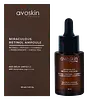 Key Ingredients
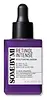
Benefits
Concerns
Ingredients Side-by-side
Water
Skin ConditioningPropylene Glycol
Humectant


Glycolic Acid
Buffering









Niacinamide
Smoothing



Salicylic Acid
Masking


Butylene Glycol
Humectant
Amylopectin
Xanthan Gum
EmulsifyingDextrin
AbsorbentChamomilla Recutita Flower Extract
Masking
Aloe Barbadensis Leaf Juice
Skin Conditioning
Fucus Vesiculosus Extract
Emollient
Rubus Idaeus Fruit Extract
AstringentAcer Saccharum Extract
Skin ConditioningPortulaca Oleracea Extract
Skin Conditioning
Hydroxypropyl Bisstearamide Mea
Skin ConditioningPolyglutamic Acid
Skin Conditioning
Tetrasodium EDTA
Sodium Hydroxymethylglycinate
Preservative
Triethanolamine
BufferingDipropylene Glycol
HumectantBehenyl Alcohol
Emollient
Ceteareth-20
CleansingCholesteryl Isostearate
EmollientTricaprylin
Perfuming
Cetearyl Alcohol
Emollient



Squalane
Emollient
Cholesterol
Emollient
Stearic Acid
Cleansing
Dimethicone
Emollient
Phenoxyethanol
Preservative
Water, Propylene Glycol, Glycolic Acid, Niacinamide, Salicylic Acid, Butylene Glycol, Amylopectin, Xanthan Gum, Dextrin, Chamomilla Recutita Flower Extract, Aloe Barbadensis Leaf Juice, Fucus Vesiculosus Extract, Rubus Idaeus Fruit Extract, Acer Saccharum Extract, Portulaca Oleracea Extract, Hydroxypropyl Bisstearamide Mea, Polyglutamic Acid, Tetrasodium EDTA, Sodium Hydroxymethylglycinate, Triethanolamine, Dipropylene Glycol, Behenyl Alcohol, Ceteareth-20, Cholesteryl Isostearate, Tricaprylin, Cetearyl Alcohol, Squalane, Cholesterol, Stearic Acid, Dimethicone, Phenoxyethanol
Water
Skin ConditioningCyclohexasiloxane
Emollient
Dicaprylyl Carbonate
EmollientGlycerin
Humectant
Methylpropanediol
Solvent1,2-Hexanediol
Skin Conditioning
Niacinamide
Smoothing
Hydrogenated Poly(C6-14 Olefin)
EmollientPanthenol
Skin Conditioning
Tocopheryl Acetate
Antioxidant

Piper Methysticum Leaf/Root/Stem Extract
Skin ConditioningCentella Asiatica Extract
Cleansing
Panax Ginseng Berry Extract
Skin Conditioning
Glycyrrhiza Glabra Root Extract
Bleaching
Ficus Carica Fruit Extract
Humectant
Centella Asiatica Leaf Extract
Skin Conditioning
Centella Asiatica Root Extract
Skin Conditioning
Melaleuca Alternifolia Leaf Extract
Perfuming
Artemisia Capillaris Extract
Eclipta Prostrata Extract
Skin Conditioning
Melia Azadirachta Leaf Extract
Skin ConditioningElaeis Guineensis Oil
Emollient
Hydrogenated Lecithin
Emulsifying
Glyceryl Stearate
Emollient
Bakuchiol
Antimicrobial
Palmitic Acid
Emollient
Sodium Polyacrylate
Absorbent
Stearic Acid
Cleansing
Xanthan Gum
EmulsifyingRetinol 0.1%
Skin Conditioning
Acrylates/C10-30 Alkyl Acrylate Crosspolymer
Emulsion StabilisingButylene Glycol
Humectant
Dipotassium Glycyrrhizate
Humectant
Adenosine
Skin Conditioning
Tromethamine
BufferingPolyquaternium-51
Skin Conditioning
Beta-Glucan
Skin Conditioning
Cetyl Alcohol
Emollient
BHT
Antioxidant
Collagen
Moisturising
Myristic Acid
Cleansing
BHA
Antioxidant
Leuconostoc/Radish Root Ferment Filtrate
Antimicrobial
Tocopherol
Antioxidant
Bifida Ferment Lysate
Skin Conditioning
Ceramide NP
Skin Conditioning
Saccharomyces Ferment
Skin Conditioning
Retinal
Skin Conditioning
Asiaticoside
Antioxidant
Glyceryl Polymethacrylate
Madecassoside
Antioxidant
Propylene Glycol
Humectant
Polyglyceryl-10 Oleate
Skin Conditioning
Glycolipids
Skin ConditioningGlycine Soja Peptide
Skin Conditioning
Resveratrol
Antioxidant
Sucrose Distearate
Emollient
Asiatic Acid
Skin Conditioning
Madecassic Acid
Skin Conditioning
Palmitoyl Tripeptide-1
Skin Conditioning
Moringa Oleifera Seed Oil
Emollient
PEG-100 Stearate
Surfactant
Polysorbate 20
Emulsifying
Parfum
Masking
Ethylhexylglycerin
Skin ConditioningWater, Cyclohexasiloxane, Dicaprylyl Carbonate, Glycerin, Methylpropanediol, 1,2-Hexanediol, Niacinamide, Hydrogenated Poly(C6-14 Olefin), Panthenol, Tocopheryl Acetate, Piper Methysticum Leaf/Root/Stem Extract, Centella Asiatica Extract, Panax Ginseng Berry Extract, Glycyrrhiza Glabra Root Extract, Ficus Carica Fruit Extract, Centella Asiatica Leaf Extract, Centella Asiatica Root Extract, Melaleuca Alternifolia Leaf Extract, Artemisia Capillaris Extract, Eclipta Prostrata Extract, Melia Azadirachta Leaf Extract, Elaeis Guineensis Oil, Hydrogenated Lecithin, Glyceryl Stearate, Bakuchiol, Palmitic Acid, Sodium Polyacrylate, Stearic Acid, Xanthan Gum, Retinol 0.1%, Acrylates/C10-30 Alkyl Acrylate Crosspolymer, Butylene Glycol, Dipotassium Glycyrrhizate, Adenosine, Tromethamine, Polyquaternium-51, Beta-Glucan, Cetyl Alcohol, BHT, Collagen, Myristic Acid, BHA, Leuconostoc/Radish Root Ferment Filtrate, Tocopherol, Bifida Ferment Lysate, Ceramide NP, Saccharomyces Ferment, Retinal, Asiaticoside, Glyceryl Polymethacrylate, Madecassoside, Propylene Glycol, Polyglyceryl-10 Oleate, Glycolipids, Glycine Soja Peptide, Resveratrol, Sucrose Distearate, Asiatic Acid, Madecassic Acid, Palmitoyl Tripeptide-1, Moringa Oleifera Seed Oil, PEG-100 Stearate, Polysorbate 20, Parfum, Ethylhexylglycerin
Reviews
Ingredients Explained
These ingredients are found in both products.
Ingredients higher up in an ingredient list are typically present in a larger amount.
Butylene Glycol (or BG) is used within cosmetic products for a few different reasons:
Overall, Butylene Glycol is a safe and well-rounded ingredient that works well with other ingredients.
Though this ingredient works well with most skin types, some people with sensitive skin may experience a reaction such as allergic rashes, closed comedones, or itchiness.
Learn more about Butylene GlycolNiacinamide is a multitasking form of vitamin B3 that strengthens the skin barrier, reduces pores and dark spots, regulates oil, and improves signs of aging.
And the best part? It's gentle and well-tolerated by most skin types, including sensitive and reactive skin.
You might have heard of "niacin flush", or the reddening of skin that causes itchiness. Niacinamide has not been found to cause this.
In very rare cases, some individuals may not be able to tolerate niacinamide at all or experience an allergic reaction to it.
If you are experiencing flaking, irritation, and dryness with this ingredient, be sure to double check all your products as this ingredient can be found in all categories of skincare.
When incorporating niacinamide into your routine, look out for concentration amounts. Typically, 5% niacinamide provides benefits such as fading dark spots. However, if you have sensitive skin, it is better to begin with a smaller concentration.
When you apply niacinamide to your skin, your body converts it into nicotinamide adenine dinucleotide (NAD). NAD is an essential coenzyme that is already found in your cells as "fuel" and powers countless biological processes.
In your skin, NAD helps repair cell damage, produce new healthy cells, support collagen production, strengthen the skin barrier, and fight environmental stressors (like UV and pollution).
Our natural NAD levels start to decline with age, leading to slower skin repair, visible aging, and a weaker skin barrier. By providing your skin niacinamide, you're recharging your skin's NAD levels. This leads to stronger, healthier, and younger looking skin.
Another name for vitamin B3 is nicotinamide. This vitamin is water-soluble and our bodies don't store it. We obtain Vitamin B3 from either food or skincare. Meat, fish, wheat, yeast, and leafy greens contain vitamin B3.
The type of niacinamide used in skincare is synthetically created.
Learn more about NiacinamidePropylene Glycol is a synthetic, colorless, odorless liquid that has been a staple in cosmetics for decades. It is a skin conditioning agent, humectant, and solvent.
As a humectant, it draw water to the skin to reduce flaking and restore suppleness. It's also a solvent that helps dissolve other actives and keeps formulas stable across temperature changes.
The CIR Expert Panel has confirmed this ingredient to be nontoxic and clinical studies show no sensitization at cosmetic use concentrations.
True allergic reactions are quite rare: a 15-year retrospective study of 6,751 patients found only 0.31% had a positive reaction (and less than half were considered clinically relevant).
It seemed that when sensitization does occur, it's most commonly linked to topical medication (like corticosteroids) and not cosmetics. Allergic contact dermatitis also appears largely limited to individuals with underlying skin conditions.
Overall, propylene glycol is a well-studied ingredient that most people can tolerate without issue.
Learn more about Propylene GlycolStearic Acid is a fatty acid that is already found in your skin. It's one of the free fatty acids that works alongside ceramides and cholesterols to maintain your barrier.
In cosmetics, it is a multitasker:
Safety-wise, the CIR Expert Panel has concluded it to be safe in cosmetics when formulated to be non-irritating and non-sensitizing.
Free stearic acid is a C18 fatty acid that the Malassezia yeast can substrate, so this ingredient may not be fungal acne safe.
Learn more about Stearic AcidWater. It's the most common cosmetic ingredient of all. You'll usually see it at the top of ingredient lists, meaning that it makes up the largest part of the product.
So why is it so popular? Water most often acts as a solvent - this means that it helps dissolve other ingredients into the formulation.
You'll also recognize water as that liquid we all need to stay alive. If you see this, drink a glass of water. Remember to stay hydrated!
Learn more about WaterXanthan gum is used as a stabilizer and thickener within cosmetic products. It helps give products a sticky, thick feeling - preventing them from being too runny.
On the technical side of things, xanthan gum is a polysaccharide - a combination consisting of multiple sugar molecules bonded together.
Xanthan gum is a pretty common and great ingredient. It is a natural, non-toxic, non-irritating ingredient that is also commonly used in food products.
Learn more about Xanthan Gum

