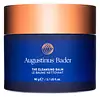
This oil-based makeup remover is made to dissolve makeup, sunscreen, and daily buildup.
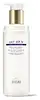
This cream cleanser uses mild cleansing ingredients, but contains alcohol that may feel drying for some.


What's inside
What's inside
 Key Ingredients
Benefits
Concerns
Ingredients Side-by-side
Helianthus Annuus Seed Oil
Emollient



Cocos Nucifera Oil
Masking




Polyglyceryl-4 Oleate
Emulsifying
Vitis Vinifera Seed Oil
Emollient
Helianthus Annuus Seed Wax
Skin Conditioning
Persea Gratissima Oil
Skin Conditioning
Squalane
Emollient

C10-18 Triglycerides
Emollient
Phytosterols
Skin Conditioning
Bisabolol
Antioxidant

Hydrogenated Vegetable Oil
Emollient
Olea Europaea Fruit Oil
Masking
Glyceryl Stearate
Emollient
Sorbitan Oleate
Emulsifying
Tocopherol
Antioxidant


Ascorbyl Palmitate
Antioxidant
Tocopheryl Acetate
Antioxidant
Glycerin
Humectant
Water
Skin ConditioningLecithin
Emollient
Pentylene Glycol
Skin Conditioning
Hydrolyzed Rice Protein
Skin ConditioningOpuntia Ficus-Indica Stem Extract
Skin Conditioning
Caprylic/Capric Triglyceride
Masking
Xanthan Gum
EmulsifyingButylene Glycol
Humectant
Arginine
Masking
Phenylalanine
Masking
Glycine
Buffering
Lysine
Skin ConditioningSisymbrium Irio Seed Oil
Masking
Potassium Sorbate
Preservative
Sodium Hydroxide
BufferingOligopeptide-4
Skin Conditioning
Oligopeptide-177
Helianthus Annuus Seed Oil, Cocos Nucifera Oil, Polyglyceryl-4 Oleate, Vitis Vinifera Seed Oil, Helianthus Annuus Seed Wax, Persea Gratissima Oil, Squalane, C10-18 Triglycerides, Phytosterols, Bisabolol, Hydrogenated Vegetable Oil, Olea Europaea Fruit Oil, Glyceryl Stearate, Sorbitan Oleate, Tocopherol, Ascorbyl Palmitate, Tocopheryl Acetate, Glycerin, Water, Lecithin, Pentylene Glycol, Hydrolyzed Rice Protein, Opuntia Ficus-Indica Stem Extract, Caprylic/Capric Triglyceride, Xanthan Gum, Butylene Glycol, Arginine, Phenylalanine, Glycine, Lysine, Sisymbrium Irio Seed Oil, Potassium Sorbate, Sodium Hydroxide, Oligopeptide-4, Oligopeptide-177
Water
Skin ConditioningSqualane
Emollient
Propylene Glycol Dicaprylate/Dicaprate
EmollientCaprylic/Capric Triglyceride
Masking
Cetearyl Isononanoate
Emollient
Glyceryl Stearate
Emollient
Amniotic Fluid
MoisturisingPerfluorodecalin
Skin ConditioningPEG-20 Glyceryl Stearate
Emulsifying
Cetearyl Alcohol
Emollient
Ceteareth-20
Cleansing
Propylene Glycol
Humectant
Phenoxyethanol
Preservative
Polyacrylamide
Cetyl Palmitate
Emollient
Glycerin
Humectant
Tocopheryl Acetate
Antioxidant
Alcohol Denat.
Antimicrobial


C13-14 Isoparaffin
Emollient
Ethyl Oleate
Emollient
Polyperfluoromethylisopropyl Ether
Skin ConditioningEthyl Linolenate
Emollient
Poloxamer 188
EmulsifyingLaureth-7
EmulsifyingEthylhexylglycerin
Skin ConditioningHydrolyzed Gelatin
Skin ConditioningNiacinamide
Smoothing




Lactic Acid
Buffering
Cucumis Sativus Fruit Extract
Emollient
Sodium Dehydroacetate
Preservative
Hydrolyzed Silk
Humectant
Ammonium Acryloyldimethyltaurate/Vp Copolymer
Yeast Extract
Skin ConditioningSodium Benzoate
Masking
Embryo Extract
MoisturisingMagnesium Chloride
Vinegar
Tea-Lactate
HumectantSalicylic Acid
Masking
Sodium Lactate
Buffering
Mimosa Tenuiflora Bark Extract
Skin ProtectingAlcohol
Antimicrobial
Sorbitol
Humectant
Ethyl Linoleate
Emollient
Hamamelis Virginiana Bark/Leaf/Twig Extract
Skin Conditioning
Papain
Skin Conditioning
Myrtus Communis Extract
AstringentAllium Cepa Bulb Extract
Skin Conditioning
Hypericum Perforatum Flower/Leaf/Stem Extract
Skin ConditioningSerine
Masking
Urea
Buffering
Allantoin
Skin Conditioning
Rhizobian Gum
Sodium Hyaluronate
Humectant
Commiphora Myrrha Resin Extract
Skin ConditioningTocopherol
Antioxidant
Potassium Sorbate
Preservative
Chlorphenesin
Antimicrobial
Thiamine Hcl
MaskingPyridoxine Hcl
Skin ConditioningSodium Salicylate
Preservative
Sorbic Acid
Preservative
Water, Squalane, Propylene Glycol Dicaprylate/Dicaprate, Caprylic/Capric Triglyceride, Cetearyl Isononanoate, Glyceryl Stearate, Amniotic Fluid, Perfluorodecalin, PEG-20 Glyceryl Stearate, Cetearyl Alcohol, Ceteareth-20, Propylene Glycol, Phenoxyethanol, Polyacrylamide, Cetyl Palmitate, Glycerin, Tocopheryl Acetate, Alcohol Denat., C13-14 Isoparaffin, Ethyl Oleate, Polyperfluoromethylisopropyl Ether, Ethyl Linolenate, Poloxamer 188, Laureth-7, Ethylhexylglycerin, Hydrolyzed Gelatin, Niacinamide, Lactic Acid, Cucumis Sativus Fruit Extract, Sodium Dehydroacetate, Hydrolyzed Silk, Ammonium Acryloyldimethyltaurate/Vp Copolymer, Yeast Extract, Sodium Benzoate, Embryo Extract, Magnesium Chloride, Vinegar, Tea-Lactate, Salicylic Acid, Sodium Lactate, Mimosa Tenuiflora Bark Extract, Alcohol, Sorbitol, Ethyl Linoleate, Hamamelis Virginiana Bark/Leaf/Twig Extract, Papain, Myrtus Communis Extract, Allium Cepa Bulb Extract, Hypericum Perforatum Flower/Leaf/Stem Extract, Serine, Urea, Allantoin, Rhizobian Gum, Sodium Hyaluronate, Commiphora Myrrha Resin Extract, Tocopherol, Potassium Sorbate, Chlorphenesin, Thiamine Hcl, Pyridoxine Hcl, Sodium Salicylate, Sorbic Acid
Ingredients Explained
These ingredients are found in both products.
Ingredients higher up in an ingredient list are typically present in a larger amount.
Caprylic/Capric Triglyceride (aka MCT Oil) is a lightweight emollient, solvent, and texture enhancer. It is considered a skin-softener by helping to prevent moisture loss.
Though it behaves like an oil, it is not technically one due to its chemical composition. One perk of this ingredient is that it is very stable, resistant to oxidation, and unlikely to go rancid.
In practice, that translates to a long shelf life and a consistently elegant skin feel.
While there is an assumption Caprylic Triglyceride can clog pores due to it being derived from coconut oil, there is no research supporting this. Just patch test if you have concerns.
Fractionated coconut oil and MCT Oil are both listed as Caprylic/Capric Triglyceride according to INCI. This is because INCI names are based on the ingredient’s final chemical composition and not its marketing name or source.
This ingredient is treated as the gold standard fungal acne safe oil. Even though it is coconut derived, the problematic lauric acid is stripped out.
This leaves just caprylic (C8) and capric (C10) acid. These chain lengths actually trend antifungal; a 2020 study found caprylic acid was enough to disrupt Malassezia furfur cell membrane, with a caprylic acid derivative damaging membrane structures at concentrations as low as 0.2%.
Learn more about Caprylic/Capric TriglycerideGlycerin (or glycerol) is a compound naturally found in your skin. It's a powerhouse humectant that pulls water into the stratum corneum.
Topically, glycerin does several things at once:
Your skin makes glycerin on its own (mostly from sebaceous oil breakdown) and shuttles it to your outermost layer of skin, or your epidermis, via aquaporin-3.
Aquaporin-3 is a transporter that is essential for normal skin hydration, elasticity, and repair. Interestingly, mice lacking in AQP3 have dry and less elastic skin that can be fully corrected with glycerin.
This ingredient is non-irritating, plays well with almost every ingredient, and works across all skin types. Typical use is anywhere between 3-10% but can go up to 79% in some leave-on products.
Just know very high concentrations (>40%) can feel tacky in low humidity.
Glycerin is the name for this ingredient in American English. British English uses Glycerol/Glycerine.
Learn more about GlycerinGlyceryl Stearate is made by reacting glycerin with stearic acid (typically sourced from plant oils like palm or coconut). It's an emulsifier, emollient, and mild occlusive.
Emulsifiers help ingredients like oil and water stay mixed so your formula stays nicely blended and uniform in texture.
This ingredient is typically used in concentrations between 1-10%. Studies have found it to be non-sensitizing, non-phototoxic, and non-photoallergenic.
A close cousin of this ingredient is Glyceryl Stearate SE ("self-emulsifying"). This just has a small amount of sodium or potassium stearate added so it can emulsify without a co-emulsifier.
Since this ingredient is an ester of a C18 fatty acid, it may not be fungal acne safe. The Malassezia yeast can potentially metabolize within the C11-C24 range.
Fun fact: The human body also creates Glyceryl Stearate naturally.
Learn more about Glyceryl StearatePotassium Sorbate is a preservative used to prevent yeast and mold in products. It is commonly found in both cosmetic and food products.
This ingredient comes from potassium salt derived from sorbic acid. Sorbic acid is a natural antibiotic and effective against fungus.
Both potassium sorbate and sorbic acid can be found in baked goods, cheeses, dried meats, dried fruit, ice cream, pickles, wine, yogurt, and more.
You'll often find this ingredient used with other preservatives.
Learn more about Potassium SorbateSqualane is the hydrogenated and shelf-stable form of squalene (a lipid that naturally occurs in human sebum).
It is an emollient and skin conditioning agent that is able to integrate seamlessly into the skin's lipid barrier without clogging pores.
This is due to how structurally similar it is to what your skin already produces.
Though it is mostly an emollient that helps soften and hydrate skin, it also has some humectant and occlusive action. Humectants help the skin retain moisture while occlusives seal it in, making squalane a triple-threat moisturizer.
Research shows it has antioxidant capabilities that help protect against stressors like UV exposure, specifically UVA induced oxidative stress. This study also found that it supports collagen biosynthesis in human dermal fibroblasts.
No clinical study has reported significant adverse effects and irritation reactions are very rare from this ingredient (even at 100% concentration).
Overall, it's a fantastic ingredient for hydration and is suitable for all skin types.
This depends on the source. Squalane can be derived from both plants and animals. Most squalane used in skincare comes from plants.
Please note: the source of squalane is only known if disclosed by the brand. We recommend reaching out to the brand if you have any questions about their squalane.
Read more about squalene with an "e".
Though squalane is often called an oil, it’s technically not one. It is a hydrocarbon, meaning it is only made of carbon and hydrogen. True oils are triglycerides and made of fatty acids and glycerol.
The term “oil-free” isn’t regulated so companies can define it however they want. Some exclude all oils, while others just avoid mineral oil or comedogenic oils.
Squalane has a comedogenic rating of 1 from the original 1972 study that tested raw ingredients under occlusion on rabbit ears. This system is not standardized or peer-reviewed, and using the raw ingredients is very different from how diluted cosmetic formulations are used on human skin.
A comedogenic rating of 1 means it is "unlikely to clog pores" according to the original rating system.
The overall formula of a product matters more than the individual ingredients on whether or not it will cause clogged pores.
Learn more about SqualaneTocopherol is a fat-soluble antioxidant known as Vitamin E.
You'll find this ingredient in the vast majority of skincare (for good reason). It works to neutralize free radicals, or unstable molecules generated by UV exposure, pollution, and other environmental stressors, before they can cause oxidative damage to your skin cells.
Topically applied tocopherol has been shown to protect against UV damage by ramping up the skin's own natural defense enzymes.
It also acts as a skin conditioning agent; some studies show that regular topical use can improve the skin's water-binding capacity over 2-4 weeks.
This ingredient is especially loved for being a team player. When combined with Vitamin C, the photoprotective effect of both ingredients roughly doubles and the combo also helps reduce UV-induced DNA damage.
This ingredient has some brightening potential but it's more of a prevention ingredient than spot-fader. Cell studies show it can slow down melanin production but it's worth noting that it's not the most powerful brightener out there.
In formulations, it also serves as a stabilizer that helps protect other oxidation-prone ingredients from degrading.
Concentrations usually range from 0.1-1% in most leave-on products.
Learn more about TocopherolTocopheryl Acetate is a stable, shelf-friendly form of vitamin E.
Formulators love it because plain vitamin E oxidizes quickly once it hits air. This acetate version stays stable and resists going off, helping to extend a product's shelf life.
It's actually inactive on its own and works like a slow-release "storage" form; the enzymes in your skin called esterases gradually convert it into active vitamin E over time.
One in vivo study showed 5% of the acetate in the living layer of the epidermis converted to vitamin E after 5 days of application. This study also found the skin gained protection against UV damage even though the conversion was slow and small.
Once converted, vitamin E acts as a skin's main fat-soluble antioxidant that fights free radicals to protect skin from damage.
Topical vitamin E generally boosts the skin's photoprotection, and it reduced UV-damage in animal models.
This ingredient has some brightening potential but it's more of a prevention ingredient than spot-fader. Cell studies show it can slow down melanin production but it's worth noting that it's not the most powerful brightener out there.
Overall, it has a pretty solid safety profile and has been found to be non-irritating and non-comedogenic. Allergic reactions may happen but stay rare due to how widely the ingredient gets used.
The concentration will vary depending on the formula; industry data shows 0.1% in baby lotions, 3% in lipsticks, and 5% in foot powders. You can also find this ingredient at 100% in a pure vitamin E oil.
Most leave-on skincare keeps it at the lower end, often between 0.5-1%.
Learn more about Tocopheryl AcetateWater. It's the most common cosmetic ingredient of all. You'll usually see it at the top of ingredient lists, meaning that it makes up the largest part of the product.
So why is it so popular? Water most often acts as a solvent - this means that it helps dissolve other ingredients into the formulation.
You'll also recognize water as that liquid we all need to stay alive. If you see this, drink a glass of water. Remember to stay hydrated!
Learn more about Water

