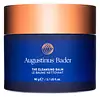
This oil-based makeup remover is made to dissolve makeup, sunscreen, and daily buildup.
This oil-based makeup remover is made to dissolve makeup, sunscreen, and daily buildup.


What's inside
What's inside
 Key Ingredients
Benefits
Concerns
Ingredients Side-by-side
Helianthus Annuus Seed Oil
Emollient



Cocos Nucifera Oil
Masking




Polyglyceryl-4 Oleate
Emulsifying
Vitis Vinifera Seed Oil
Emollient
Helianthus Annuus Seed Wax
Skin Conditioning
Persea Gratissima Oil
Skin Conditioning
Squalane
Emollient

C10-18 Triglycerides
Emollient
Phytosterols
Skin Conditioning
Bisabolol
Antioxidant

Hydrogenated Vegetable Oil
Emollient
Olea Europaea Fruit Oil
Masking
Glyceryl Stearate
Emollient
Sorbitan Oleate
Emulsifying
Tocopherol
Antioxidant


Ascorbyl Palmitate
Antioxidant
Tocopheryl Acetate
Antioxidant
Glycerin
Humectant
Water
Skin ConditioningLecithin
Emollient
Pentylene Glycol
Skin Conditioning
Hydrolyzed Rice Protein
Skin ConditioningOpuntia Ficus-Indica Stem Extract
Skin Conditioning
Caprylic/Capric Triglyceride
Masking
Xanthan Gum
EmulsifyingButylene Glycol
Humectant
Arginine
Masking
Phenylalanine
Masking
Glycine
Buffering
Lysine
Skin ConditioningSisymbrium Irio Seed Oil
Masking
Potassium Sorbate
Preservative
Sodium Hydroxide
BufferingOligopeptide-4
Skin Conditioning
Oligopeptide-177
Helianthus Annuus Seed Oil, Cocos Nucifera Oil, Polyglyceryl-4 Oleate, Vitis Vinifera Seed Oil, Helianthus Annuus Seed Wax, Persea Gratissima Oil, Squalane, C10-18 Triglycerides, Phytosterols, Bisabolol, Hydrogenated Vegetable Oil, Olea Europaea Fruit Oil, Glyceryl Stearate, Sorbitan Oleate, Tocopherol, Ascorbyl Palmitate, Tocopheryl Acetate, Glycerin, Water, Lecithin, Pentylene Glycol, Hydrolyzed Rice Protein, Opuntia Ficus-Indica Stem Extract, Caprylic/Capric Triglyceride, Xanthan Gum, Butylene Glycol, Arginine, Phenylalanine, Glycine, Lysine, Sisymbrium Irio Seed Oil, Potassium Sorbate, Sodium Hydroxide, Oligopeptide-4, Oligopeptide-177
Ethylhexyl Palmitate
Emollient
Isopropyl Palmitate
Emollient
Prunus Amygdalus Dulcis Oil
Skin Conditioning
PEG-20 Glyceryl Triisostearate
Emollient
Isononyl Isononanoate
EmollientCaprylic/Capric Triglyceride
Masking
Olea Europaea Fruit Oil
Masking
Water
Skin ConditioningTocopheryl Acetate
Antioxidant
Benzotriazolyl Dodecyl P-Cresol
UV AbsorberLecithin
Emollient
Bisabolol
Antioxidant
Helianthus Annuus Seed Oil
Emollient
Tocopherol
Antioxidant
Ascorbyl Palmitate
Antioxidant
Citric Acid
Buffering
Achillea Millefolium Flower/Leaf/Stem Extract
Skin ConditioningArnica Montana Flower Extract
Masking
Calendula Officinalis Flower Extract
Masking
Helichrysum Italicum Extract
AntiseborrhoeicHypericum Perforatum Flower/Leaf/Stem Extract
Skin ConditioningLycium Barbarum Fruit Extract
Astringent
Symphytum Officinale Root Extract
Skin ConditioningEthylhexyl Palmitate, Isopropyl Palmitate, Prunus Amygdalus Dulcis Oil, PEG-20 Glyceryl Triisostearate, Isononyl Isononanoate, Caprylic/Capric Triglyceride, Olea Europaea Fruit Oil, Water, Tocopheryl Acetate, Benzotriazolyl Dodecyl P-Cresol, Lecithin, Bisabolol, Helianthus Annuus Seed Oil, Tocopherol, Ascorbyl Palmitate, Citric Acid, Achillea Millefolium Flower/Leaf/Stem Extract, Arnica Montana Flower Extract, Calendula Officinalis Flower Extract, Helichrysum Italicum Extract, Hypericum Perforatum Flower/Leaf/Stem Extract, Lycium Barbarum Fruit Extract, Symphytum Officinale Root Extract
Ingredients Explained
These ingredients are found in both products.
Ingredients higher up in an ingredient list are typically present in a larger amount.
Ascorbyl Palmitate is a fat-soluble form of vitamin C (Ascorbic Acid) made by combining it with palmitic acid.
It is able to blend easily into creams and oil-based formulas because it dissolves in oils rather than water.
As you may know, regular vitamin C is notorious for breaking down when exposed to sunlight and air. Ascorbyl Palmitate is more stable and degrades at a slower rate.
Research on whether it converts efficiently into active vitamin C once it's applied on your skin is still limited.
Some in-vitro studies suggest it may support collagen production, but it is not considered one of the stronger vitamin C derivatives, like:
Due to the palmitic acid base, this ingredient may not be fungal acne safe. Comedogenic studies have also shown this ingredient to have a rating of 2.
It's also worth keeping in mind that comedogenic and irritancy ratings are tested on individual ingredients, not finished formulas. The final product's formulation, concentration, and other ingredients all play a role in how something actually behaves on your skin.
Learn more about Ascorbyl PalmitateBisabolol is a gentle skin conditioner, antioxidant, and soothing ingredient.
It's primary claim to fame is soothing and research shows topically applied bisabolol can quiet the chemical messengers that cause your skin to become inflamed, helping to sooth any irritation.
A clinical study found that applying 0.5% bisabolol daily for 8 weeks produced an average 9% decrease in skin pigmentation. Researchers found it can also suppress the process that leads to excess melanin production in skin.
In vitro studies found that bisabolol combined with propylene glycol significantly increased skin permeability by increasing lipid fluidity in the stratum corneum.
You'll likely see use concentrations quite low, usually 0.1-0.2%.
Overall, this is a well-tolerated ingredient that works well in formulas designed for sensitive, reactive, or post-procedure skin.
Learn more about BisabololCaprylic/Capric Triglyceride (aka MCT Oil) is a lightweight emollient, solvent, and texture enhancer. It is considered a skin-softener by helping to prevent moisture loss.
Though it behaves like an oil, it is not technically one due to its chemical composition. One perk of this ingredient is that it is very stable, resistant to oxidation, and unlikely to go rancid.
In practice, that translates to a long shelf life and a consistently elegant skin feel.
While there is an assumption Caprylic Triglyceride can clog pores due to it being derived from coconut oil, there is no research supporting this. Just patch test if you have concerns.
Fractionated coconut oil and MCT Oil are both listed as Caprylic/Capric Triglyceride according to INCI. This is because INCI names are based on the ingredient’s final chemical composition and not its marketing name or source.
This ingredient is treated as the gold standard fungal acne safe oil. Even though it is coconut derived, the problematic lauric acid is stripped out.
This leaves just caprylic (C8) and capric (C10) acid. These chain lengths actually trend antifungal; a 2020 study found caprylic acid was enough to disrupt Malassezia furfur cell membrane, with a caprylic acid derivative damaging membrane structures at concentrations as low as 0.2%.
Learn more about Caprylic/Capric TriglycerideHelianthus Annuus Seed Oil is a plant oil derived from the seeds of a sunflower.
It is rich in fatty acids, primarily linoleic acid and oleic acid. This gives it emollient and skin conditioning properties.
The reason this ingredient is so effective is because it forms a thin film on the skin that reduces transepidermal water loss (TEWL) while supplying linoleic acid to the stratum corneum to improve barrier strength.
The high linoleic acid content is particularly noteworthy for acne-prone skin.
Research suggests that acne-prone skin tends to be deficient in linoleic acid in sebum. Topical application may help replenish this to support a healthier follicular environment and less comedone-promoting sebum.
One randomized study found sunflower seed oil preserved skin barrier integrity in adult volunteers with and without atopic dermatitis (outperforming olive oil).
This ingredient is well-studied, gentle, and an effective emollient suitable for most skin types.
On fungal acne: This ingredient may not be Fungal acne (Malassezia folliculitis) safe. This is because it contains fatty acids with carbon chain lengths in the C11-C24 range.
Learn more about Helianthus Annuus Seed OilLecithin is a term for a group of substances found in the cell membranes of plants, animals, and humans. They are made up of phospholipids.
Thanks to its amphiphilic structure (water-loving head and oil-loving tail), it is a true multitasker:
It plays well with most ingredients and is typically used at 0.1-1%. However, concentrations up to 50% have been reported in moisturizers.
Learn more about LecithinThis ingredient is also known as olive oil. It has been used in skincare for centuries and science largely backs up its reputation as a nourishing emollient.
The main components of olive oil are oleic acid (55-83%), linoleic acid (3.5-20%), and palmitic acid (7-20%). Oleic acid promotes skin regeneration and helps regulate inflammatory responses.
Squalene is also naturally present in olive oil and exhibits moisturizing and antioxidant properties.
The polyphenols in olive oil also show anti-aging promise; one clinical study found a measurable improvement in skin appearance after 30 days of topical serum use.
Just be aware that applying olive oil directly to skin can weaken the barrier and cause redness. One study with volunteers found even people without sensitive skin experienced a significant reduction in stratum corneum integrity and induced mild erythema.
It's best to use this ingredient as part of a carefully crafted formula (instead of putting it on skin directly from the bottle).
Because it has a 0-2 on the comedogenic scale, it is low risk for acne-prone skin. Just remember the overall formulation of a product matters more than a few ingredients with comedogenic ratings.
This ingredient may not be fungal acne safe because of the oleic and palmitic acid content. These fall within the C11-24 fatty acid range that the Malassezia yeast can metabolize to grow.
Overall, olive oil is a well-studied and nourishing skincare ingredient.
Learn more about Olea Europaea Fruit OilTocopherol is a fat-soluble antioxidant known as Vitamin E.
You'll find this ingredient in the vast majority of skincare (for good reason). It works to neutralize free radicals, or unstable molecules generated by UV exposure, pollution, and other environmental stressors, before they can cause oxidative damage to your skin cells.
Topically applied tocopherol has been shown to protect against UV damage by ramping up the skin's own natural defense enzymes.
It also acts as a skin conditioning agent; some studies show that regular topical use can improve the skin's water-binding capacity over 2-4 weeks.
This ingredient is especially loved for being a team player. When combined with Vitamin C, the photoprotective effect of both ingredients roughly doubles and the combo also helps reduce UV-induced DNA damage.
This ingredient has some brightening potential but it's more of a prevention ingredient than spot-fader. Cell studies show it can slow down melanin production but it's worth noting that it's not the most powerful brightener out there.
In formulations, it also serves as a stabilizer that helps protect other oxidation-prone ingredients from degrading.
Concentrations usually range from 0.1-1% in most leave-on products.
Learn more about TocopherolTocopheryl Acetate is a stable, shelf-friendly form of vitamin E.
Formulators love it because plain vitamin E oxidizes quickly once it hits air. This acetate version stays stable and resists going off, helping to extend a product's shelf life.
It's actually inactive on its own and works like a slow-release "storage" form; the enzymes in your skin called esterases gradually convert it into active vitamin E over time.
One in vivo study showed 5% of the acetate in the living layer of the epidermis converted to vitamin E after 5 days of application. This study also found the skin gained protection against UV damage even though the conversion was slow and small.
Once converted, vitamin E acts as a skin's main fat-soluble antioxidant that fights free radicals to protect skin from damage.
Topical vitamin E generally boosts the skin's photoprotection, and it reduced UV-damage in animal models.
This ingredient has some brightening potential but it's more of a prevention ingredient than spot-fader. Cell studies show it can slow down melanin production but it's worth noting that it's not the most powerful brightener out there.
Overall, it has a pretty solid safety profile and has been found to be non-irritating and non-comedogenic. Allergic reactions may happen but stay rare due to how widely the ingredient gets used.
The concentration will vary depending on the formula; industry data shows 0.1% in baby lotions, 3% in lipsticks, and 5% in foot powders. You can also find this ingredient at 100% in a pure vitamin E oil.
Most leave-on skincare keeps it at the lower end, often between 0.5-1%.
Learn more about Tocopheryl AcetateWater. It's the most common cosmetic ingredient of all. You'll usually see it at the top of ingredient lists, meaning that it makes up the largest part of the product.
So why is it so popular? Water most often acts as a solvent - this means that it helps dissolve other ingredients into the formulation.
You'll also recognize water as that liquid we all need to stay alive. If you see this, drink a glass of water. Remember to stay hydrated!
Learn more about Water

