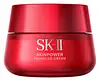
This anti-aging moisturizer is formulated around Saccharomyces Ferment Lysate Filtrate and Squalane to soften the look of wrinkles and hydrate skin.
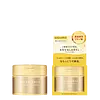
This anti-aging moisturizer is formulated around Galactomyces Ferment Filtrate and Niacinamide to soften the look of wrinkles and refine skin texture.

What's inside
What's inside
 Key Ingredients
Benefits
Concerns
Ingredients Side-by-side
Water
Skin ConditioningGlycerin
Humectant


Dipropylene Glycol
HumectantAlcohol
Antimicrobial




Xylitol
Humectant
Diglycerin
Humectant
PEG-20
HumectantPentaerythrityl Tetraethylhexanoate
Emollient
Dimethicone
Emollient
Sodium Acrylate/Sodium Acryloyldimethyl Taurate Copolymer
Emulsion StabilisingEuphorbia Cerifera Cera
Astringent
Glutamic Acid
Humectant
Saccharomyces Ferment Lysate Filtrate
Skin Conditioning
Aspartic Acid
Masking
Squalane
Emollient
Lysine Hcl
Skin Conditioning
Phytosteryl Macadamiate
Skin Conditioning
Sesamum Indicum Seed Oil
Emollient

Simmondsia Chinensis Seed Oil
Emollient
Retinyl Palmitate
Skin Conditioning


PEG/PPG-14/7 Dimethyl Ether
Skin ConditioningSodium Acetylated Hyaluronate
Humectant
Sodium Hyaluronate
Humectant
Betaine
Humectant
Methionine
Skin ConditioningGlycine Max Seed Extract
Skin ConditioningSoluble Collagen
Humectant
Isohexadecane
EmollientPEG-400
Emulsion StabilisingPolysorbate 80
Emulsifying
Sorbitan Oleate
Emulsifying
Talc
Abrasive
Disodium EDTA
ChelatingAcrylates/C10-30 Alkyl Acrylate Crosspolymer
Emulsion StabilisingDextrin Palmitate
Emulsifying
Calcium Stearate
Cosmetic ColorantAlanine
Masking
Potassium Hydroxide
BufferingPEG-9 Polydimethylsiloxyethyl Dimethicone
Emulsifying
Tetramethylcyclotetrasiloxane
Zea Mays Oil
Emulsifying
Citric Acid
Buffering
Sodium Phosphate
BufferingTetradecene
EmollientBHT
Antioxidant
Butylene Glycol
Humectant
Tocopherol
Antioxidant
Phenoxyethanol
Preservative
Parfum
Masking
Iron Oxides
Water, Glycerin, Dipropylene Glycol, Alcohol, Xylitol, Diglycerin, PEG-20, Pentaerythrityl Tetraethylhexanoate, Dimethicone, Sodium Acrylate/Sodium Acryloyldimethyl Taurate Copolymer, Euphorbia Cerifera Cera, Glutamic Acid, Saccharomyces Ferment Lysate Filtrate, Aspartic Acid, Squalane, Lysine Hcl, Phytosteryl Macadamiate, Sesamum Indicum Seed Oil, Simmondsia Chinensis Seed Oil, Retinyl Palmitate, PEG/PPG-14/7 Dimethyl Ether, Sodium Acetylated Hyaluronate, Sodium Hyaluronate, Betaine, Methionine, Glycine Max Seed Extract, Soluble Collagen, Isohexadecane, PEG-400, Polysorbate 80, Sorbitan Oleate, Talc, Disodium EDTA, Acrylates/C10-30 Alkyl Acrylate Crosspolymer, Dextrin Palmitate, Calcium Stearate, Alanine, Potassium Hydroxide, PEG-9 Polydimethylsiloxyethyl Dimethicone, Tetramethylcyclotetrasiloxane, Zea Mays Oil, Citric Acid, Sodium Phosphate, Tetradecene, BHT, Butylene Glycol, Tocopherol, Phenoxyethanol, Parfum, Iron Oxides
Water
Skin ConditioningGlycerin
Humectant
Galactomyces Ferment Filtrate
Humectant
Isohexadecane
EmollientNiacinamide
Smoothing




Isopropyl Isostearate
Emollient
Butylene Glycol
Humectant
Butyrospermum Parkii Butter
Skin Conditioning
Caprylic/Capric Triglyceride
Masking
Pentylene Glycol
Skin Conditioning
Dimethicone
Emollient
Phytosteryl/Behenyl/Octyldodecyl Lauroyl Glutamate
Skin ConditioningVinyl Dimethicone/Methicone Silsesquioxane Crosspolymer
Stearyl Alcohol
Emollient
Cetyl Alcohol
Emollient
Sodium Acrylate/Sodium Acryloyldimethyl Taurate Copolymer
Emulsion StabilisingBehenyl Alcohol
Emollient
Panthenol
Skin Conditioning
Tocopheryl Acetate
Antioxidant
Benzyl Alcohol
Perfuming
Dimethiconol
Emollient
PEG-100 Stearate
Surfactant
Cetearyl Alcohol
Emollient
Cetearyl Glucoside
Emulsifying
Polysorbate 80
Emulsifying
Polymethylsilsesquioxane
Methylparaben
Preservative

Disodium EDTA
ChelatingParfum
Masking
Paeonia Albiflora Root Extract
Skin ConditioningPalmitic Acid
Emollient
Stearic Acid
Cleansing
Propylparaben
Preservative
Ethylparaben
Preservative
Sorbitan Oleate
Emulsifying
PEG-7 Glyceryl Cocoate
Emulsifying
Sodium Hydroxide
BufferingHouttuynia Cordata Extract
Skin Conditioning
Palmitoyl Pentapeptide-4
Skin Conditioning
Methylsilanol Tri-PEG-8 Glyceryl Cocoate
Emulsifying
Zantedeschia Aethiopica Flower/Stem Extract
MaskingPolyquaternium-7
Methicone
Emollient
CI 77891
Cosmetic ColorantCI 77492
Cosmetic ColorantWater, Glycerin, Galactomyces Ferment Filtrate, Isohexadecane, Niacinamide, Isopropyl Isostearate, Butylene Glycol, Butyrospermum Parkii Butter, Caprylic/Capric Triglyceride, Pentylene Glycol, Dimethicone, Phytosteryl/Behenyl/Octyldodecyl Lauroyl Glutamate, Vinyl Dimethicone/Methicone Silsesquioxane Crosspolymer, Stearyl Alcohol, Cetyl Alcohol, Sodium Acrylate/Sodium Acryloyldimethyl Taurate Copolymer, Behenyl Alcohol, Panthenol, Tocopheryl Acetate, Benzyl Alcohol, Dimethiconol, PEG-100 Stearate, Cetearyl Alcohol, Cetearyl Glucoside, Polysorbate 80, Polymethylsilsesquioxane, Methylparaben, Disodium EDTA, Parfum, Paeonia Albiflora Root Extract, Palmitic Acid, Stearic Acid, Propylparaben, Ethylparaben, Sorbitan Oleate, PEG-7 Glyceryl Cocoate, Sodium Hydroxide, Houttuynia Cordata Extract, Palmitoyl Pentapeptide-4, Methylsilanol Tri-PEG-8 Glyceryl Cocoate, Zantedeschia Aethiopica Flower/Stem Extract, Polyquaternium-7, Methicone, CI 77891, CI 77492
Reviews
Ingredients Explained
These ingredients are found in both products.
Ingredients higher up in an ingredient list are typically present in a larger amount.
Butylene Glycol (or BG) is used within cosmetic products for a few different reasons:
Overall, Butylene Glycol is a safe and well-rounded ingredient that works well with other ingredients.
Though this ingredient works well with most skin types, some people with sensitive skin may experience a reaction such as allergic rashes, closed comedones, or itchiness.
Learn more about Butylene GlycolDimethicone is a type of synthetic silicone created from natural materials such as quartz. It is also known as polydimethylsiloxane.
What it does:
Dimethicone comes in different viscosities:
Depending on the viscosity, dimethicone has different properties.
Ingredients lists don't always show which type is used, so we recommend reaching out to the brand if you have questions about the viscosity.
This ingredient is unlikely to cause irritation because it does not get absorbed into skin. However, people with silicone allergies should be careful about using this ingredient.
Note: Dimethicone may contribute to pilling. This is because it is not oil or water soluble, so pilling may occur when layered with products. When mixed with heavy oils in a formula, the outcome is also quite greasy.
Learn more about DimethiconeDisodium EDTA is a chelating agent. It grabs onto and deactivates metal ions that sneak into your products from water, packaging, or air.
This ingredient mainly works behind the scenes and helps with:
On top of that, this ingredient can counteract the effects of hard water by binding to the minerals in it.
One thing worth knowing is that Disodium EDTA has been shown to be a mild penetration enhancer. It can help other ingredients absorb into skin more effectively which can be a double-edged sword (great for actives, but can also make the active too strong if you have sensitive skin).
Clinical patch testing showed no significant skin irritation at typical use concentrations and minimal dermal absorption.
You'll most likely see this ingredient near the end of an ingredient list. It's typically found in concentrations less than 1%.
Learn more about Disodium EDTAGlycerin (or glycerol) is a compound naturally found in your skin. It's a powerhouse humectant that pulls water into the stratum corneum.
Topically, glycerin does several things at once:
Your skin makes glycerin on its own (mostly from sebaceous oil breakdown) and shuttles it to your outermost layer of skin, or your epidermis, via aquaporin-3.
Aquaporin-3 is a transporter that is essential for normal skin hydration, elasticity, and repair. Interestingly, mice lacking in AQP3 have dry and less elastic skin that can be fully corrected with glycerin.
This ingredient is non-irritating, plays well with almost every ingredient, and works across all skin types. Typical use is anywhere between 3-10% but can go up to 79% in some leave-on products.
Just know very high concentrations (>40%) can feel tacky in low humidity.
Glycerin is the name for this ingredient in American English. British English uses Glycerol/Glycerine.
Learn more about GlycerinIsohexadecane is added to enhance texture, emulsify, and to help cleanse. It is an isoparrafin. It is a component of petrolatum.
Due to its large size, Isohexadecane is not absorbed by the skin. Instead, it sits on top and acts as an emollient. Emollients help keep your skin soft and smooth by trapping moisture within.
Isohexadecane is often used in products designed to help oily skin. It is lightweight and non-greasy while helping to moisturize. When mixed with silicones, it gives a product a silky feel.
Learn more about IsohexadecaneParfum is a catch-all term for an ingredient or more that is used to give a scent to products.
Also called "fragrance", this ingredient can be a blend of hundreds of chemicals or plant oils. This means every product with "fragrance" or "parfum" in the ingredients list is a different mixture.
For instance, Habanolide is a proprietary trade name for a specific aroma chemical. When used as a fragrance ingredient in cosmetics, most aroma chemicals fall under the broad labeling category of “FRAGRANCE” or “PARFUM” according to EU and US regulations.
The term 'parfum' or 'fragrance' is not regulated in many countries. In many cases, it is up to the brand to define this term.
For instance, many brands choose to label themselves as "fragrance-free" because they are not using synthetic fragrances. However, their products may still contain ingredients such as essential oils that are considered a fragrance by INCI standards.
One example is Calendula flower extract. Calendula is an essential oil that still imparts a scent or 'fragrance'.
Depending on the blend, the ingredients in the mixture can cause allergies and sensitivities on the skin. Some ingredients that are known EU allergens include linalool and citronellol.
Parfum can also be used to mask or cover an unpleasant scent.
The bottom line is: not all fragrances/parfum/ingredients are created equally. If you are worried about fragrances, we recommend taking a closer look at an ingredient. And of course, we always recommend speaking with a professional.
Learn more about ParfumPolysorbate 80 is a synthetic surfactant and emulsifier derived from sorbitol and oleic acid.
It reduces the surface tension between oil and water phases to help them stay mixed and stable in a formulation. In other words, it prevents your formulas from separating into an oily mess.
The CIR Expert Panel has evaluated the scientific data and found this ingredient to be safe, non-irritating, and non-sensitizing at concentrations up to 5% (it's even approved by the FDA as an OTC eye drop ingredient).
Learn more about Polysorbate 80This long ingredient is a copolymer of sodium acrylate and sodium acryloyldimethyl taurate monomers.
It is used to help stabilize other ingredients and create a thicker gel-like texture.
Emulsifiers prevent oils and waters from separating.
Learn more about Sodium Acrylate/Sodium Acryloyldimethyl Taurate CopolymerSorbitan Oleate is a PEG-free emulsifier made by esterifying sorbitol with oleic acid.
You'll likely see it paired with Polysorbate 80 to create the right emulsification balance.
Typical use levels in formulas range from 2-10%.
The CIR Expert Panel has concluded this ingredient to be safe as a cosmetic ingredient.
Since this ingredient is an ester of oleic acid, it may not be fungal acne safe. Oleic acid is a fatty acid that falls into the C11-24 range that Malassezia can metabolize.
Learn more about Sorbitan OleateWater. It's the most common cosmetic ingredient of all. You'll usually see it at the top of ingredient lists, meaning that it makes up the largest part of the product.
So why is it so popular? Water most often acts as a solvent - this means that it helps dissolve other ingredients into the formulation.
You'll also recognize water as that liquid we all need to stay alive. If you see this, drink a glass of water. Remember to stay hydrated!
Learn more about Water

