

What's inside
What's inside
 Key Ingredients
Benefits
Concerns
Ingredients Side-by-side
Water
Skin ConditioningDimethicone
Emollient

Ethylhexyl Methoxycinnamate
UV Absorber


Alcohol
Antimicrobial



Zinc Oxide
Cosmetic Colorant
Titanium Dioxide
Cosmetic Colorant
Glycerin
Humectant

Diisopropyl Sebacate
EmollientTranexamic Acid
Astringent




Diphenylsiloxy Phenyl Trimethicone
Skin Conditioning
Diethylamino Hydroxybenzoyl Hexyl Benzoate
UV Filter
PEG-100 Hydrogenated Castor Oil
Emulsifying

PEG-60 Hydrogenated Castor Oil
Emulsifying
Silica
Abrasive

PPG-17
Skin ConditioningHydrated Silica
Abrasive
Isostearic Acid
Cleansing
Bis-Ethylhexyloxyphenol Methoxyphenyl Triazine
Skin Conditioning
Dimethylacrylamide/Sodium Acryloyldimethyltaurate Crosspolymer
CI 77891
Cosmetic ColorantAluminum Hydroxide
EmollientPhenoxyethanol
Preservative
Ethylhexyl Triazone
UV Absorber
Dextrin Palmitate
Emulsifying
Hydrogen Dimethicone
Mica
Cosmetic ColorantSorbitan Sesquiisostearate
Emulsifying
Beheneth-20
EmulsifyingSuccinoglycan
Skin ConditioningCellulose Gum
Emulsion StabilisingParfum
Masking

BHT
Antioxidant
Tocopherol
Antioxidant

Citric Acid
Buffering
Sodium Metaphosphate
BufferingTrisodium EDTA
Dipotassium Glycyrrhizate
Humectant
Hydroxypropyl Methylcellulose Stearoxy Ether
Sodium Citrate
BufferingButylene Glycol
Humectant
Talc
Abrasive
Sodium Metabisulfite
Antioxidant
PEG/PPG-14/7 Dimethyl Ether
Skin ConditioningCI 17200
Cosmetic ColorantCamellia Sinensis Leaf Extract
Antimicrobial
Potentilla Erecta Root Extract
Skin ConditioningCI 42090
Cosmetic ColorantSodium Acetylated Hyaluronate
Humectant
Polyquaternium-51
Skin Conditioning
Soluble Collagen
Humectant
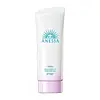
Water, Dimethicone, Ethylhexyl Methoxycinnamate, Alcohol, Zinc Oxide, Titanium Dioxide, Glycerin, Diisopropyl Sebacate, Tranexamic Acid, Diphenylsiloxy Phenyl Trimethicone, Diethylamino Hydroxybenzoyl Hexyl Benzoate, PEG-100 Hydrogenated Castor Oil, PEG-60 Hydrogenated Castor Oil, Silica, PPG-17, Hydrated Silica, Isostearic Acid, Bis-Ethylhexyloxyphenol Methoxyphenyl Triazine, Dimethylacrylamide/Sodium Acryloyldimethyltaurate Crosspolymer, CI 77891, Aluminum Hydroxide, Phenoxyethanol, Ethylhexyl Triazone, Dextrin Palmitate, Hydrogen Dimethicone, Mica, Sorbitan Sesquiisostearate, Beheneth-20, Succinoglycan, Cellulose Gum, Parfum, BHT, Tocopherol, Citric Acid, Sodium Metaphosphate, Trisodium EDTA, Dipotassium Glycyrrhizate, Hydroxypropyl Methylcellulose Stearoxy Ether, Sodium Citrate, Butylene Glycol, Talc, Sodium Metabisulfite, PEG/PPG-14/7 Dimethyl Ether, CI 17200, Camellia Sinensis Leaf Extract, Potentilla Erecta Root Extract, CI 42090, Sodium Acetylated Hyaluronate, Polyquaternium-51, Soluble Collagen
Water
Skin ConditioningHomosalate
Skin Conditioning
Ethylhexyl Methoxycinnamate
UV Absorber
Allium Cepa Bulb Extract
Skin Conditioning
Ethylhexyl Salicylate
UV Absorber
Octocrylene
UV Absorber
Butyloctyl Salicylate
Skin Conditioning
Butyl Methoxydibenzoylmethane
UV Absorber
Butylene Glycol
Humectant
Niacinamide
Smoothing


Acrylates Copolymer
Polymethylsilsesquioxane
C20-22 Alkyl Phosphate
EmulsifyingC20-22 Alcohols
Emulsion Stabilising
1,2-Hexanediol
Skin Conditioning
Glycerin
Humectant
Caprylyl Methicone
Skin Conditioning
Pentylene Glycol
Skin Conditioning
Houttuynia Cordata Extract
Skin Conditioning
Hydrogenated Lecithin
Emulsifying
Cetyl Alcohol
Emollient
Dicaprylyl Carbonate
EmollientGlyceryl Stearate
Emollient
Silica
Abrasive
Tromethamine
BufferingPoly C10-30 Alkyl Acrylate
Emulsion StabilisingTitanium Dioxide
Cosmetic Colorant
Coco-Caprylate/Caprate
Emollient
Dimethicone/Vinyl Dimethicone Crosspolymer
Skin Conditioning
Dimethiconol
Emollient
Trisiloxane
Skin Conditioning
Polyacrylate Crosspolymer-6
Emulsion StabilisingSodium Acrylate/Sodium Acryloyldimethyl Taurate Copolymer
Emulsion StabilisingPolyisobutene
Ethylhexylglycerin
Skin ConditioningKaolin
Abrasive
Adenosine
Skin Conditioning
Polyhydroxystearic Acid
Emulsifying
Xanthan Gum
EmulsifyingAlumina
Abrasive
Triethoxycaprylylsilane
Sorbitan Oleate
Emulsifying
Caprylyl/Capryl Glucoside
CleansingAllantoin
Skin Conditioning
Tocopherol
Antioxidant
Panthenol
Skin Conditioning
Caprylic/Capric Triglyceride
Masking
Polyglyceryl-10 Diisostearate
Emulsifying
Glycoproteins
Skin Conditioning
Menadione
MaskingCI 77007
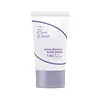
Cosmetic ColorantWater, Homosalate, Ethylhexyl Methoxycinnamate, Allium Cepa Bulb Extract, Ethylhexyl Salicylate, Octocrylene, Butyloctyl Salicylate, Butyl Methoxydibenzoylmethane, Butylene Glycol, Niacinamide, Acrylates Copolymer, Polymethylsilsesquioxane, C20-22 Alkyl Phosphate, C20-22 Alcohols, 1,2-Hexanediol, Glycerin, Caprylyl Methicone, Pentylene Glycol, Houttuynia Cordata Extract, Hydrogenated Lecithin, Cetyl Alcohol, Dicaprylyl Carbonate, Glyceryl Stearate, Silica, Tromethamine, Poly C10-30 Alkyl Acrylate, Titanium Dioxide, Coco-Caprylate/Caprate, Dimethicone/Vinyl Dimethicone Crosspolymer, Dimethiconol, Trisiloxane, Polyacrylate Crosspolymer-6, Sodium Acrylate/Sodium Acryloyldimethyl Taurate Copolymer, Polyisobutene, Ethylhexylglycerin, Kaolin, Adenosine, Polyhydroxystearic Acid, Xanthan Gum, Alumina, Triethoxycaprylylsilane, Sorbitan Oleate, Caprylyl/Capryl Glucoside, Allantoin, Tocopherol, Panthenol, Caprylic/Capric Triglyceride, Polyglyceryl-10 Diisostearate, Glycoproteins, Menadione, CI 77007
Reviews
Ingredients Explained
These ingredients are found in both products.
Ingredients higher up in an ingredient list are typically present in a larger amount.
Butylene Glycol (or BG) is used within cosmetic products for a few different reasons:
Overall, Butylene Glycol is a safe and well-rounded ingredient that works well with other ingredients.
Though this ingredient works well with most skin types, some people with sensitive skin may experience a reaction such as allergic rashes, closed comedones, or itchiness.
Learn more about Butylene GlycolEthylhexyl Methoxycinnamate is an organic compound that provides UVB protection. It often goes by the more common name of octinoxate. It is created from methoxycinnamic acid and 2-ethylhexanol.
Ethylhexyl Methoxycinnamate absorbs UVB rays with wavelengths between 280-320 nm. UV absorbers protect your skin by using chemical reactions to convert UV rays into heat and energy.
UVB (290-320 nm) rays emit more energy than UVA rays. They are capable of damaging DNA, causing sunburns and are thought to be linked to skin cancer.
The state of Hawaii has banned sunscreens containing octinoxate due to its potential impact on coral reefs. More research is needed to bridge gaps in this research. The European Union allows higher levels of octinoxate in sunscreens than the US and Australia.
Ethylhexyl Methoxycinnamate is oil soluble. It is not stable and may lose efficacy when exposed to sunlight.
Learn more about Ethylhexyl MethoxycinnamateGlycerin (or glycerol) is a compound naturally found in your skin. It's a powerhouse humectant that pulls water into the stratum corneum.
Topically, glycerin does several things at once:
Your skin makes glycerin on its own (mostly from sebaceous oil breakdown) and shuttles it to your outermost layer of skin, or your epidermis, via aquaporin-3.
Aquaporin-3 is a transporter that is essential for normal skin hydration, elasticity, and repair. Interestingly, mice lacking in AQP3 have dry and less elastic skin that can be fully corrected with glycerin.
This ingredient is non-irritating, plays well with almost every ingredient, and works across all skin types. Typical use is anywhere between 3-10% but can go up to 79% in some leave-on products.
Just know very high concentrations (>40%) can feel tacky in low humidity.
Glycerin is the name for this ingredient in American English. British English uses Glycerol/Glycerine.
Learn more about GlycerinSilica, also known as silicon dioxide, is a naturally occurring mineral. It is used as a fine, spherical, and porous powder in cosmetics.
Though it has exfoliant properties, the function of silica varies depending on the product.
The unique structure of silica enhances the spreadability and adds smoothness, making it a great texture enhancer.
It is also used as an active carrier, emulsifier, and mattifier due to its ability to absorb excess oil.
In some products, tiny microneedles called spicules are made from silica or hydrolyzed sponge. When you rub them in, they lightly polish away dead skin layers and enhance the penetration of active ingredients.
Learn more about SilicaTitanium dioxide is a mineral UV filter widely used in sunscreens and cosmetics.
It is one of only two UV filters officially classified as “mineral” by regulatory agencies, the other being zinc oxide.
Titanium dioxide provides broad-spectrum protection mostly in the UVB and UVAII range, with some protection in the UVAI range.
While its UVA protection isn’t as strong as zinc oxide’s, the difference is minor.
A common myth is that mineral UV filters reflect UV light. However, modern research shows titanium dioxide absorbs UV radiation like chemical filters (~95% absorption & 5% reflection).
Thanks to its non-irritating nature, titanium dioxide is suitable for sensitive, acne-prone, or redness-prone skin. It is unlikely to cause "eye sting" like other sunscreen ingredients.
A major drawback of this ingredient is its white cast and thick texture. This is why mineral sunscreens often leave a white cast and are less cosmetically elegant than chemical/hybrid sunscreens.
To improve white cast and spreadability, micronized or nano-sized titanium dioxide is often used.
There are ongoing concerns surrounding nano-titanium oxide's impact on marine ecosystems.
There is no conclusive evidence that any form of titanium oxide (or any other sunscreen ingredients) will cause harm to marine ecosystems or coral reefs. The science is still developing but many consumers are keeping a close eye on this issue.
Please note, many destinations have reef-safety sunscreen rules. For instance, the U.S. Virgin Islands advises all visitors to use non-nano mineral sunscreens.
Nano mineral sunscreens once raised safety concerns about absorption into skin.
Extensive research has shown that they do not penetrate healthy or damaged skin; they remain safely on the surface and the top layer of dead skin (stratum corneum).
You'll likely find titanium dioxide bundled with alumina, silica, or dimethicone. These ingredients help make titanium dioxide highly photostable; this prevents it from interacting with other formula components under UV light.
Learn more about Titanium DioxideTocopherol is a fat-soluble antioxidant known as Vitamin E.
You'll find this ingredient in the vast majority of skincare (for good reason). It works to neutralize free radicals, or unstable molecules generated by UV exposure, pollution, and other environmental stressors, before they can cause oxidative damage to your skin cells.
Topically applied tocopherol has been shown to protect against UV damage by ramping up the skin's own natural defense enzymes.
It also acts as a skin conditioning agent; some studies show that regular topical use can improve the skin's water-binding capacity over 2-4 weeks.
This ingredient is especially loved for being a team player. When combined with Vitamin C, the photoprotective effect of both ingredients roughly doubles and the combo also helps reduce UV-induced DNA damage.
This ingredient has some brightening potential but it's more of a prevention ingredient than spot-fader. Cell studies show it can slow down melanin production but it's worth noting that it's not the most powerful brightener out there.
In formulations, it also serves as a stabilizer that helps protect other oxidation-prone ingredients from degrading.
Concentrations usually range from 0.1-1% in most leave-on products.
Learn more about TocopherolWater. It's the most common cosmetic ingredient of all. You'll usually see it at the top of ingredient lists, meaning that it makes up the largest part of the product.
So why is it so popular? Water most often acts as a solvent - this means that it helps dissolve other ingredients into the formulation.
You'll also recognize water as that liquid we all need to stay alive. If you see this, drink a glass of water. Remember to stay hydrated!
Learn more about Water
