

What's inside
What's inside
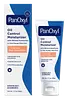 Key Ingredients
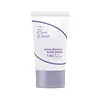
Benefits
Concerns
Ingredients Side-by-side
Zinc Oxide 17%
Cosmetic Colorant


Bisabolol
Antioxidant





Butyloctyl Salicylate
Skin Conditioning
C12-15 Alkyl Benzoate
AntimicrobialCaffeine
Skin Conditioning
Caprylyl Glycol
Emollient
Ethylhexylglycerin
Skin ConditioningGlycerin
Humectant
1,2-Hexanediol
Skin Conditioning
Hydroxyacetophenone
Antioxidant
Hydroxyethyl Acrylate/Sodium Acryloyldimethyl Taurate Copolymer
Emulsion StabilisingPhenethyl Alcohol
MaskingPolyglyceryl-4 Laurate/Succinate


Polyhydroxystearic Acid
Emulsifying
Polymethylsilsesquioxane

Polysorbate 60
Emulsifying
Water
Skin ConditioningSodium Hyaluronate
Humectant
Sodium Hydroxide
BufferingSorbitan Isostearate
Emulsifying
Sorbitan Stearate
Emulsifying
Tapioca Starch
Tetrasodium Glutamate Diacetate
Tocopheryl Acetate
Antioxidant

Triethoxycaprylylsilane
Xanthan Gum
EmulsifyingZinc Oxide 17%, Bisabolol, Butyloctyl Salicylate, C12-15 Alkyl Benzoate, Caffeine, Caprylyl Glycol, Ethylhexylglycerin, Glycerin, 1,2-Hexanediol, Hydroxyacetophenone, Hydroxyethyl Acrylate/Sodium Acryloyldimethyl Taurate Copolymer, Phenethyl Alcohol, Polyglyceryl-4 Laurate/Succinate, Polyhydroxystearic Acid, Polymethylsilsesquioxane, Polysorbate 60, Water, Sodium Hyaluronate, Sodium Hydroxide, Sorbitan Isostearate, Sorbitan Stearate, Tapioca Starch, Tetrasodium Glutamate Diacetate, Tocopheryl Acetate, Triethoxycaprylylsilane, Xanthan Gum
Water
Skin ConditioningHomosalate
Skin Conditioning
Ethylhexyl Methoxycinnamate
UV Absorber
Allium Cepa Bulb Extract
Skin Conditioning
Ethylhexyl Salicylate
UV Absorber
Octocrylene
UV Absorber
Butyloctyl Salicylate
Skin Conditioning
Butyl Methoxydibenzoylmethane
UV Absorber
Butylene Glycol
Humectant
Niacinamide
Smoothing




Acrylates Copolymer
Polymethylsilsesquioxane
C20-22 Alkyl Phosphate
EmulsifyingC20-22 Alcohols
Emulsion Stabilising
1,2-Hexanediol
Skin Conditioning
Glycerin
Humectant
Caprylyl Methicone
Skin Conditioning
Pentylene Glycol
Skin Conditioning
Houttuynia Cordata Extract
Skin Conditioning
Hydrogenated Lecithin
Emulsifying
Cetyl Alcohol
Emollient
Dicaprylyl Carbonate
EmollientGlyceryl Stearate
Emollient
Silica
Abrasive
Tromethamine
BufferingPoly C10-30 Alkyl Acrylate
Emulsion StabilisingTitanium Dioxide
Cosmetic Colorant
Coco-Caprylate/Caprate
Emollient
Dimethicone/Vinyl Dimethicone Crosspolymer
Skin Conditioning
Dimethiconol
Emollient
Trisiloxane
Skin Conditioning
Polyacrylate Crosspolymer-6
Emulsion StabilisingSodium Acrylate/Sodium Acryloyldimethyl Taurate Copolymer
Emulsion StabilisingPolyisobutene
Ethylhexylglycerin
Skin ConditioningKaolin
Abrasive
Adenosine
Skin Conditioning
Polyhydroxystearic Acid
Emulsifying
Xanthan Gum
EmulsifyingAlumina
Abrasive
Triethoxycaprylylsilane
Sorbitan Oleate
Emulsifying
Caprylyl/Capryl Glucoside
CleansingAllantoin
Skin Conditioning
Tocopherol
Antioxidant
Panthenol
Skin Conditioning
Caprylic/Capric Triglyceride
Masking
Polyglyceryl-10 Diisostearate
Emulsifying
Glycoproteins
Skin Conditioning
Menadione
MaskingCI 77007
Cosmetic ColorantWater, Homosalate, Ethylhexyl Methoxycinnamate, Allium Cepa Bulb Extract, Ethylhexyl Salicylate, Octocrylene, Butyloctyl Salicylate, Butyl Methoxydibenzoylmethane, Butylene Glycol, Niacinamide, Acrylates Copolymer, Polymethylsilsesquioxane, C20-22 Alkyl Phosphate, C20-22 Alcohols, 1,2-Hexanediol, Glycerin, Caprylyl Methicone, Pentylene Glycol, Houttuynia Cordata Extract, Hydrogenated Lecithin, Cetyl Alcohol, Dicaprylyl Carbonate, Glyceryl Stearate, Silica, Tromethamine, Poly C10-30 Alkyl Acrylate, Titanium Dioxide, Coco-Caprylate/Caprate, Dimethicone/Vinyl Dimethicone Crosspolymer, Dimethiconol, Trisiloxane, Polyacrylate Crosspolymer-6, Sodium Acrylate/Sodium Acryloyldimethyl Taurate Copolymer, Polyisobutene, Ethylhexylglycerin, Kaolin, Adenosine, Polyhydroxystearic Acid, Xanthan Gum, Alumina, Triethoxycaprylylsilane, Sorbitan Oleate, Caprylyl/Capryl Glucoside, Allantoin, Tocopherol, Panthenol, Caprylic/Capric Triglyceride, Polyglyceryl-10 Diisostearate, Glycoproteins, Menadione, CI 77007
Reviews
Ingredients Explained
These ingredients are found in both products.
Ingredients higher up in an ingredient list are typically present in a larger amount.
1,2-Hexanediol is a synthetic liquid and another multi-functional powerhouse.
It is a:
- Humectant, drawing moisture into the skin
- Emollient, helping to soften skin
- Solvent, dispersing and stabilizing formulas
- Preservative booster, enhancing the antimicrobial activity of other preservatives
Butyloctyl Salicylate is a chemical UV filter structurally similar to octisalate. It is a photostabilizer, SPF booster, emollient and solvent. This ingredient helps evenly spread out ingredients.
According to a manufacturer, it is suitable for pairing with micro Titanium Dioxide, Zinc Oxide, and pigments.
Photostabilizers help stabilize UV-filters and prevents them from degrading quickly.
Learn more about Butyloctyl SalicylateEthylhexylglycerin is created from glycerin. It is a multitasker ingredient that:
The CIR Expert Panel found minimal skin absorption or sensitization of any kind in a safety assessment. Though this ingredient is considered well-tolerated, a small number of cases of allergic dermatitis have been published since 2002. Just be sure to patch test if you are unsure.
Industry-reported use ranges from 8% in rinse-off products and 2% in leave-on formulations.
Learn more about EthylhexylglycerinGlycerin (or glycerol) is a compound naturally found in your skin. It's a powerhouse humectant that pulls water into the stratum corneum.
Topically, glycerin does several things at once:
Your skin makes glycerin on its own (mostly from sebaceous oil breakdown) and shuttles it to your outermost layer of skin, or your epidermis, via aquaporin-3.
Aquaporin-3 is a transporter that is essential for normal skin hydration, elasticity, and repair. Interestingly, mice lacking in AQP3 have dry and less elastic skin that can be fully corrected with glycerin.
This ingredient is non-irritating, plays well with almost every ingredient, and works across all skin types. Typical use is anywhere between 3-10% but can go up to 79% in some leave-on products.
Just know very high concentrations (>40%) can feel tacky in low humidity.
Glycerin is the name for this ingredient in American English. British English uses Glycerol/Glycerine.
Learn more about GlycerinPolyhydroxystearic Acid is a vegetable-derived soft wax made from castor oil. It's an emulsion stabilizer, thickener, and film former.
You'll likely see it in sunscreens because it helps disperse pigments and UV-reflecting minerals like titanium dioxide and zinc oxide evenly.
Depending on the concentration, it can drastically change the texture of a product from pasty solid (like lipstick) to sprayable liquid.
The CIR Expert Panel for Cosmetic Ingredient Safety has concluded this ingredient to be safe in cosmetics. The highest reported use concentration is 14.2% in lipsticks.
Learn more about Polyhydroxystearic AcidPolymethylsilsesquioxane is a silicone used as a film forming agent.
When applied to the skin, this ingredient creates an invisible film on the surface. This film still allows oxygen to pass through, but prevents moisture from escaping. This can help condition and hydrate the skin. It also leaves a silky feel when applied.
Polymethylsilsesquioxane has not been shown to clog pores. It has been deemed safe to use up to 55%, but most cosmetics use much less.
If you have concerns about using this ingredient, we recommend speaking with a professional.
Learn more about PolymethylsilsesquioxaneTriethoxycaprylylsilane is a silicon-based surface modifier that makes sunscreens feel silky and makeup stay put.
Its main job is to coat mineral particles like titanium dioxide, zinc oxide, and color pigments in a thin, oily layer so they spread smoothly, don't clump, and stick to skin better.
This ingredient is typically used at low levels (up to 2.5% in eyeshadow and 1% in lipstick).
Learn more about TriethoxycaprylylsilaneWater. It's the most common cosmetic ingredient of all. You'll usually see it at the top of ingredient lists, meaning that it makes up the largest part of the product.
So why is it so popular? Water most often acts as a solvent - this means that it helps dissolve other ingredients into the formulation.
You'll also recognize water as that liquid we all need to stay alive. If you see this, drink a glass of water. Remember to stay hydrated!
Learn more about WaterXanthan gum is used as a stabilizer and thickener within cosmetic products. It helps give products a sticky, thick feeling - preventing them from being too runny.
On the technical side of things, xanthan gum is a polysaccharide - a combination consisting of multiple sugar molecules bonded together.
Xanthan gum is a pretty common and great ingredient. It is a natural, non-toxic, non-irritating ingredient that is also commonly used in food products.
Learn more about Xanthan Gum

