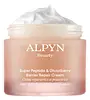
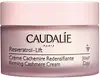
alpyn beauty Super Peptide & Ghostberry Moisturizer Versus Caudalie Resveratrol Lift Firming Cashmere Cream
This anti-aging moisturizer is formulated around Acetyl Hexapeptide-8 and Ceramide NP to soften the look of wrinkles and strengthen the skin barrier.
This anti-aging day moisturizer is formulated around Palmitoyl Grapevine Shoot Extract and Hydrolyzed Hyaluronic Acid to soften the look of wrinkles and hydrate skin.


What's inside
What's inside
 Key Ingredients
Benefits
Concerns
Ingredients Side-by-side
Water
Skin ConditioningGlycerin
Humectant


Caprylic/Capric/Myristic/Stearic Triglyceride
EmollientCaprylic/Capric Triglyceride
Masking
Squalane
Emollient
Candelilla/Jojoba/Rice Bran Polyglyceryl-3 Esters
Emulsifying

Coconut Alkanes
Emollient

C12-16 Alcohols
EmollientPropanediol
Solvent
Polyhydroxystearic Acid
Emulsifying
Behenyl Alcohol
Emollient
Glyceryl Stearate
Emollient
Cetearyl Alcohol
Emollient
Symphoricarpos Albus Fruit Extract
EmollientAcetyl Hexapeptide-8
Humectant
Acetyl Octapeptide-3
Humectant
Ceramide NP
Skin Conditioning


Ceramide EOP
Skin Conditioning
Ceramide Ns
Skin Conditioning
Ceramide As
Skin Conditioning
Ceramide AP
Skin Conditioning
Glyceryl Citrate/Lactate/Linoleate/Oleate
Emulsifying
1,2-Hexanediol
Skin Conditioning
Cetearyl Olivate
Hydrogenated Lecithin
Emulsifying
Nephelium Lappaceum Peel Extract
Skin ConditioningPalmitic Acid
Emollient
Sodium Stearoyl Lactylate
EmulsifyingSorbitan Olivate
Emulsifying
Caprylhydroxamic Acid
ChelatingCoco-Caprylate/Caprate
Emollient
Xanthan Gum
EmulsifyingSimmondsia Chinensis Seed Oil
Emollient
Tasmannia Lanceolata Fruit/Leaf Extract
Antioxidant
Bisabolol
Antioxidant
Sodium Hyaluronate
Humectant
Hydrolyzed Sodium Hyaluronate
Skin Conditioning
Tripeptide-29
Skin Conditioning
Hydrolyzed Pea Protein
Emollient2,3-Butanediol
HumectantLeuconostoc/Radish Root Ferment Filtrate
Antimicrobial
Hydrolyzed Rice Protein
Skin ConditioningCholesterol
Emollient
Sodium Benzoate
Masking
Water, Glycerin, Caprylic/Capric/Myristic/Stearic Triglyceride, Caprylic/Capric Triglyceride, Squalane, Candelilla/Jojoba/Rice Bran Polyglyceryl-3 Esters, Coconut Alkanes, C12-16 Alcohols, Propanediol, Polyhydroxystearic Acid, Behenyl Alcohol, Glyceryl Stearate, Cetearyl Alcohol, Symphoricarpos Albus Fruit Extract, Acetyl Hexapeptide-8, Acetyl Octapeptide-3, Ceramide NP, Ceramide EOP, Ceramide Ns, Ceramide As, Ceramide AP, Glyceryl Citrate/Lactate/Linoleate/Oleate, 1,2-Hexanediol, Cetearyl Olivate, Hydrogenated Lecithin, Nephelium Lappaceum Peel Extract, Palmitic Acid, Sodium Stearoyl Lactylate, Sorbitan Olivate, Caprylhydroxamic Acid, Coco-Caprylate/Caprate, Xanthan Gum, Simmondsia Chinensis Seed Oil, Tasmannia Lanceolata Fruit/Leaf Extract, Bisabolol, Sodium Hyaluronate, Hydrolyzed Sodium Hyaluronate, Tripeptide-29, Hydrolyzed Pea Protein, 2,3-Butanediol, Leuconostoc/Radish Root Ferment Filtrate, Hydrolyzed Rice Protein, Cholesterol, Sodium Benzoate
Water
Skin ConditioningCoco-Caprylate/Caprate
Emollient
Caprylic/Capric Triglyceride
Masking
Butylene Glycol
Humectant
Octyldodecyl Myristate
EmollientGlycerin
Humectant
Butyrospermum Parkii Butter Extract
Skin Conditioning
Cetearyl Alcohol
Emollient
C12-16 Alcohols
EmollientMicrocrystalline Cellulose
AbsorbentVitis Vinifera Seed Oil
Emollient
Palmitoyl Grapevine Shoot Extract
Antioxidant

Cetearyl Glucoside
Emulsifying
CI 77891
Cosmetic ColorantHydrogenated Lecithin
Emulsifying
Palmitic Acid
Emollient
Potassium Cetyl Phosphate
EmulsifyingMica
Cosmetic ColorantCaprylyl Glycol
Emollient
Polyacrylate Crosspolymer-6
Emulsion StabilisingBenzyl Alcohol
Perfuming




Tocopherol
Antioxidant
Helianthus Annuus Seed Oil
Emollient
Xanthan Gum
EmulsifyingHydrolyzed Hyaluronic Acid
Humectant
Lecithin
Emollient
Adenosine
Skin Conditioning
Sodium Phytate
ChelatingAcetyl Dipeptide-1 Cetyl Ester
Skin Conditioning
Hyaluronic Acid
Humectant
Dehydroacetic Acid
Preservative
Silica
Abrasive


Khaya Senegalensis Bark Extract
Skin ProtectingMaltodextrin
Absorbent
Tin Oxide
Abrasive
Sodium Hydroxide
BufferingPaeonia Lactiflora Root Extract
Skin ConditioningCitric Acid
Buffering
Parfum
Masking
Linalool
Perfuming
Limonene
Perfuming
Coumarin
Perfuming
Water, Coco-Caprylate/Caprate, Caprylic/Capric Triglyceride, Butylene Glycol, Octyldodecyl Myristate, Glycerin, Butyrospermum Parkii Butter Extract, Cetearyl Alcohol, C12-16 Alcohols, Microcrystalline Cellulose, Vitis Vinifera Seed Oil, Palmitoyl Grapevine Shoot Extract, Cetearyl Glucoside, CI 77891, Hydrogenated Lecithin, Palmitic Acid, Potassium Cetyl Phosphate, Mica, Caprylyl Glycol, Polyacrylate Crosspolymer-6, Benzyl Alcohol, Tocopherol, Helianthus Annuus Seed Oil, Xanthan Gum, Hydrolyzed Hyaluronic Acid, Lecithin, Adenosine, Sodium Phytate, Acetyl Dipeptide-1 Cetyl Ester, Hyaluronic Acid, Dehydroacetic Acid, Silica, Khaya Senegalensis Bark Extract, Maltodextrin, Tin Oxide, Sodium Hydroxide, Paeonia Lactiflora Root Extract, Citric Acid, Parfum, Linalool, Limonene, Coumarin
Reviews
Ingredients Explained
These ingredients are found in both products.
Ingredients higher up in an ingredient list are typically present in a larger amount.
We don't have a description for C12-16 Alcohols yet.
Caprylic/Capric Triglyceride (aka MCT Oil) is a lightweight emollient, solvent, and texture enhancer. It is considered a skin-softener by helping to prevent moisture loss.
Though it behaves like an oil, it is not technically one due to its chemical composition. One perk of this ingredient is that it is very stable, resistant to oxidation, and unlikely to go rancid.
In practice, that translates to a long shelf life and a consistently elegant skin feel.
While there is an assumption Caprylic Triglyceride can clog pores due to it being derived from coconut oil, there is no research supporting this. Just patch test if you have concerns.
Fractionated coconut oil and MCT Oil are both listed as Caprylic/Capric Triglyceride according to INCI. This is because INCI names are based on the ingredient’s final chemical composition and not its marketing name or source.
This ingredient is treated as the gold standard fungal acne safe oil. Even though it is coconut derived, the problematic lauric acid is stripped out.
This leaves just caprylic (C8) and capric (C10) acid. These chain lengths actually trend antifungal; a 2020 study found caprylic acid was enough to disrupt Malassezia furfur cell membrane, with a caprylic acid derivative damaging membrane structures at concentrations as low as 0.2%.
Learn more about Caprylic/Capric TriglycerideCetearyl alcohol is a waxy mixture of two fatty alcohols: cetyl alcohol and stearyl alcohol. It is an emollient and emulsifier.
Despite having "alcohol" in its name, it has nothing to do with drying solvent alcohols; the FDA also allows "alcohol-free" products to contain fatty alcohols like this ingredient.
It plays several roles in a formula:
Typical use levels for this ingredient sit around 1-10% and the Cosmetic Ingredient Review Expert Panel has affirmed safety at concentrations up to 25% in leave-on products.
Multiple assessments have found it to be non-irritating and non-sensitizing to most people.
However, there have been some cases of allergic contact dermatitis in patients with chronically compromised skin barriers.
Cetearyl alcohol has a comedogenic rating of 2 and irritancy rating of 1. Both of these numbers come from the 1989 study that used rabbit ears; a "2" means mildly comedogenic and a "1" means low irritancy.
Here's the catch: rabbit skin is more sensitive than human skin and throws a lot of false positives. A 1996 reappraisal found that ingredients rated 1-2 in the rabbit ear tests are generally safe for humans.
Remember comedogenic ratings are unable to assess the entire formula of a product or how it will react on your skin. Just be sure to patch test if you are unsure about certain ingredients.
This ingredient is not fungal acne safe. Cetearyl alcohol is a fatty alcohol with chain lengths that fall within the range that Malassezia can metabolize.
A 2019 study has also observed Malassezia growth in the presence of this ingredient, confirming it to be not-fungal acne safe.
Learn more about Cetearyl AlcoholCoco-Caprylate/Caprate is a lightweight ester created from coconut oil fatty acids, caprylic acid, and capric acid.
It is an emollient that helps soften skin and reduce transepidermal water loss (TEWL). What sets it apart from heavier emollients is its ultralight, non-greasy feel.
Once applied, this ingredient dries down quickly and leaves a dry, silky finish behind. This also helps improve spreadability and texture.
This ingredient has an excellent safety-record and is non-irritating.
Typical concentrations for cosmetics range from 0.5-62%.
Research on Malassezia growth found no growth on fatty acid esters with chain lengths shorter than 12 carbons (it prefers C11-24).
Since Coco-Caprylate/Caprate is built on C8 and C10 fatty acids, it is out of the range that Malassezia metabolizes, and therefore safe for fungal acne.
Learn more about Coco-Caprylate/CaprateGlycerin (or glycerol) is a compound naturally found in your skin. It's a powerhouse humectant that pulls water into the stratum corneum.
Topically, glycerin does several things at once:
Your skin makes glycerin on its own (mostly from sebaceous oil breakdown) and shuttles it to your outermost layer of skin, or your epidermis, via aquaporin-3.
Aquaporin-3 is a transporter that is essential for normal skin hydration, elasticity, and repair. Interestingly, mice lacking in AQP3 have dry and less elastic skin that can be fully corrected with glycerin.
This ingredient is non-irritating, plays well with almost every ingredient, and works across all skin types. Typical use is anywhere between 3-10% but can go up to 79% in some leave-on products.
Just know very high concentrations (>40%) can feel tacky in low humidity.
Glycerin is the name for this ingredient in American English. British English uses Glycerol/Glycerine.
Learn more about GlycerinHydrogenated Lecithin is a more stable version of lecithin.
It's made by taking lecithin (a phospholipid commonly found in soybeans and egg yolks) and hydrogenating it. This just means the unsaturated fatty acids are turned into saturated ones so they don't go bad as easily.
This ingredient is an emollient, emulsifier, and penetration enhancer. As an emollient, it helps soften and hydrate skin by trapping moisture within. As an emulsifier, it prevents oil and water ingredients from separating.
Hydrogenated Lecithin can form tiny spherical structures made of phospholipid bilayers called liposomes. These liposomes are able to capture compounds inside their structure and deliver them through the skin barrier.
Because phospholipids are a natural component of our cell membranes, this ingredient is inherently compatible with skin.
A 2021 study found lecithin-based surfactants were less harsh and more tolerable comared to Sodium Lauryl Sulfate (SLS).
Learn more about Hydrogenated LecithinPalmitic Acid is a fatty acid naturally found in our skin and in many plant and animal sources.
In cosmetics, it is usually derived from palm oil. It serves many purposes in skincare, acting as a cleanser, emollient, and emulsifier.
Interestingly, topically applied Palmitic Acid can be elongated into longer chain fatty acids and ceramides. A 2019 study found low levels of Palmitic Acid lead to slower development of cells, suggesting it plays a role in keeping your skin's renewal process on track.
The CIR (Cosmetic Ingredient Review) panel determined it safe as used in cosmetics at concentrations up to 13%. It is non-irritating and non-sensitizing in clinical studies.
The culprit behind fungal acne, the Malassezia yeast, feeds on fatty acids with carbon chain lengths between C11-C24. Palmitic Acid, at C16, falls right into that sweet spot.
In vitro studies have shown that Palmitic Acid is one of the fatty acids that induce rapid Malassezia growth in lab settings.
It's worth noting that what feeds yeast in a lab doesn't necessarily feed it on your face since formulation and your skin's chemistry play a bigger role.
Learn more about Palmitic AcidWater. It's the most common cosmetic ingredient of all. You'll usually see it at the top of ingredient lists, meaning that it makes up the largest part of the product.
So why is it so popular? Water most often acts as a solvent - this means that it helps dissolve other ingredients into the formulation.
You'll also recognize water as that liquid we all need to stay alive. If you see this, drink a glass of water. Remember to stay hydrated!
Learn more about WaterXanthan gum is used as a stabilizer and thickener within cosmetic products. It helps give products a sticky, thick feeling - preventing them from being too runny.
On the technical side of things, xanthan gum is a polysaccharide - a combination consisting of multiple sugar molecules bonded together.
Xanthan gum is a pretty common and great ingredient. It is a natural, non-toxic, non-irritating ingredient that is also commonly used in food products.
Learn more about Xanthan Gum

