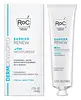
This barrier-repair treatment is formulated around Bacillus Ferment and Tetrahexyldecyl Ascorbate to strengthen the skin barrier and hydrate skin.
This barrier-repair moisturizer is formulated around Squalane and Ceramide NP to strengthen the skin barrier and hydrate skin.


What's inside
What's inside
 Key Ingredients
Benefits
Concerns
Ingredients Side-by-side
Water
Skin ConditioningGlycerin
Humectant


Bacillus Ferment
Skin Conditioning

Butyrospermum Parkii Butter
Skin Conditioning


Propanediol
Solvent
Cyclopentasiloxane
Emollient
Pentaerythrityl Tetraethylhexanoate
Emollient
Tetrahexyldecyl Ascorbate
Antioxidant





Maltodextrin
Absorbent
Cetyl Alcohol
Emollient

Myristyl Myristate
Emollient
PEG-100 Stearate
Surfactant
Glyceryl Stearate
Emollient
Dipentaerythrityl Pentaisononanoate
EmollientLactobacillus
Skin ConditioningBifida Ferment Lysate
Skin Conditioning
Plankton Extract
Skin ConditioningSodium Hyaluronate
Humectant

Arginine Ferulate
Skin ConditioningGlycolic Acid
Buffering





Lactic Acid
Buffering
Vaccinium Angustifolium Fruit Extract
Skin Protecting
Camellia Sinensis Leaf Extract
Antimicrobial
Pistacia Lentiscus Gum
MaskingHydrolyzed Rice Protein
Skin ConditioningLactose
HumectantMilk Protein
Skin ConditioningSwertia Chirata Extract
HumectantElettaria Cardamomum Seed Extract
Perfuming
Yogurt Extract
Skin ConditioningHedychium Spicatum Extract
Skin ConditioningJasminum Officinale Flower/Leaf Extract
Masking
Prunus Armeniaca Fruit Extract
Skin ConditioningPlumeria Rubra Flower Extract
Skin ConditioningEugenia Caryophyllus Flower Extract
AstringentGardenia Taitensis Flower Extract
Skin ConditioningVanilla Planifolia Fruit Extract
Skin Conditioning
Hibiscus Abelmoschus Seed Extract
Masking
Sophora Japonica Flower Extract
Skin ProtectingCitrullus Lanatus Fruit Extract
Skin Conditioning
Pyrus Malus Fruit Extract
Skin Conditioning
Lens Esculenta Fruit Extract
Skin ConditioningCitrus Aurantium Dulcis Peel Extract
Emulsion Stabilising
Citrus Aurantium Dulcis Fruit Extract
MaskingLavandula Angustifolia Flower/Leaf/Stem Extract
Masking
Potassium Sorbate
Preservative
Caprylic/Capric Triglyceride
Masking
Tocopheryl Acetate
Antioxidant
Panthenol
Skin Conditioning
Linum Usitatissimum Seed Oil
Perfuming
Sodium Phytate
ChelatingLecithin
Emollient
Tocopherol
Antioxidant
Sodium Acrylate/Sodium Acryloyldimethyl Taurate Copolymer
Emulsion StabilisingMethyldihydrojasmonate
MaskingEthylene Brassylate
MaskingMethyl Undecylenate
Perfuming
Ethyl Undecylenate
Perfuming
Phenylisohexanol
MaskingPolystyrene
Sodium Ascorbate
Antioxidant
PEG-40 Hydrogenated Castor Oil
Emulsifying
Behenyl Alcohol
Emollient
Dipentaerythrityl Hexahydroxystearate/Hexastearate/Hexarosinate
Skin ConditioningIsohexadecane
EmollientCaprylyl Glycol
Emollient
Butylene Glycol
Humectant
Ammonium Acryloyldimethyltaurate/Vp Copolymer
Polysorbate 80
Emulsifying
Alcohol
Antimicrobial

Hexylene Glycol
EmulsifyingSodium Lactate
Buffering
Sodium PCA
Humectant
Sodium Benzoate
Masking
Tetrasodium EDTA
ChelatingPhenethyl Alcohol
MaskingTin Oxide
Abrasive
Phenoxyethanol
Preservative
Limonene
Perfuming
Linalool
Perfuming
Hydroxycitronellal
Perfuming
Mica
Cosmetic ColorantCI 77891
Cosmetic ColorantWater, Glycerin, Bacillus Ferment, Butyrospermum Parkii Butter, Propanediol, Cyclopentasiloxane, Pentaerythrityl Tetraethylhexanoate, Tetrahexyldecyl Ascorbate, Maltodextrin, Cetyl Alcohol, Myristyl Myristate, PEG-100 Stearate, Glyceryl Stearate, Dipentaerythrityl Pentaisononanoate, Lactobacillus, Bifida Ferment Lysate, Plankton Extract, Sodium Hyaluronate, Arginine Ferulate, Glycolic Acid, Lactic Acid, Vaccinium Angustifolium Fruit Extract, Camellia Sinensis Leaf Extract, Pistacia Lentiscus Gum, Hydrolyzed Rice Protein, Lactose, Milk Protein, Swertia Chirata Extract, Elettaria Cardamomum Seed Extract, Yogurt Extract, Hedychium Spicatum Extract, Jasminum Officinale Flower/Leaf Extract, Prunus Armeniaca Fruit Extract, Plumeria Rubra Flower Extract, Eugenia Caryophyllus Flower Extract, Gardenia Taitensis Flower Extract, Vanilla Planifolia Fruit Extract, Hibiscus Abelmoschus Seed Extract, Sophora Japonica Flower Extract, Citrullus Lanatus Fruit Extract, Pyrus Malus Fruit Extract, Lens Esculenta Fruit Extract, Citrus Aurantium Dulcis Peel Extract, Citrus Aurantium Dulcis Fruit Extract, Lavandula Angustifolia Flower/Leaf/Stem Extract, Potassium Sorbate, Caprylic/Capric Triglyceride, Tocopheryl Acetate, Panthenol, Linum Usitatissimum Seed Oil, Sodium Phytate, Lecithin, Tocopherol, Sodium Acrylate/Sodium Acryloyldimethyl Taurate Copolymer, Methyldihydrojasmonate, Ethylene Brassylate, Methyl Undecylenate, Ethyl Undecylenate, Phenylisohexanol, Polystyrene, Sodium Ascorbate, PEG-40 Hydrogenated Castor Oil, Behenyl Alcohol, Dipentaerythrityl Hexahydroxystearate/Hexastearate/Hexarosinate, Isohexadecane, Caprylyl Glycol, Butylene Glycol, Ammonium Acryloyldimethyltaurate/Vp Copolymer, Polysorbate 80, Alcohol, Hexylene Glycol, Sodium Lactate, Sodium PCA, Sodium Benzoate, Tetrasodium EDTA, Phenethyl Alcohol, Tin Oxide, Phenoxyethanol, Limonene, Linalool, Hydroxycitronellal, Mica, CI 77891
Water
Skin ConditioningCaprylic/Capric Triglyceride
Masking
Squalane
Emollient
Dimethicone
Emollient
Butylene Glycol
Humectant
Methyl Trimethicone
Skin Conditioning
Glycerin
Humectant
Beta-Sitosterol
Emulsion Stabilising
Ceramide NP
Skin Conditioning
Ceramide Ng
Skin Conditioning
Palmitoyl Tripeptide-8
Skin Conditioning
Camellia Sinensis Leaf Extract
Antimicrobial
Butyrospermum Parkii Butter
Skin Conditioning
Euphorbia Cerifera Wax
Tocopherol
Antioxidant
Glyceryl Behenate
Emollient
Lecithin
Emollient
Polyacrylamide
Polysilicone-11
Polyglyceryl-4 Isostearate
Emulsifying
Dextran
Oleic Acid
Emollient
Sodium Acrylates Copolymer
C13-14 Isoparaffin
Emollient
Ammonium Acryloyldimethyltaurate/Vp Copolymer
Laureth-7
EmulsifyingPhenoxyethanol
Preservative
Ethylhexylglycerin
Skin ConditioningWater, Caprylic/Capric Triglyceride, Squalane, Dimethicone, Butylene Glycol, Methyl Trimethicone, Glycerin, Beta-Sitosterol, Ceramide NP, Ceramide Ng, Palmitoyl Tripeptide-8, Camellia Sinensis Leaf Extract, Butyrospermum Parkii Butter, Euphorbia Cerifera Wax, Tocopherol, Glyceryl Behenate, Lecithin, Polyacrylamide, Polysilicone-11, Polyglyceryl-4 Isostearate, Dextran, Oleic Acid, Sodium Acrylates Copolymer, C13-14 Isoparaffin, Ammonium Acryloyldimethyltaurate/Vp Copolymer, Laureth-7, Phenoxyethanol, Ethylhexylglycerin
Reviews
Ingredients Explained
These ingredients are found in both products.
Ingredients higher up in an ingredient list are typically present in a larger amount.
Ammonium Acryloyldimethyltaurate/Vp Copolymer is a synthetically created polymer. It's used as a film-forming agent and used to thicken the consistency of products.
Think of it as a supportive ingredient that helps your gel-creams feel silky, "cloud cream-like", and spread evenly without being greasy.
The Cosmetic Ingredient Review (CIR) Expert Panel evaluated it (along with 22 other acryloyldimethyltaurate polymers) and concluded it's:
Due to its large molecular size, it sits on the surface of skin rather than penetrating it.
Learn more about Ammonium Acryloyldimethyltaurate/Vp CopolymerButylene Glycol (or BG) is used within cosmetic products for a few different reasons:
Overall, Butylene Glycol is a safe and well-rounded ingredient that works well with other ingredients.
Though this ingredient works well with most skin types, some people with sensitive skin may experience a reaction such as allergic rashes, closed comedones, or itchiness.
Learn more about Butylene GlycolThis ingredient is also known as shea butter. It is a plant-derived extract from the nuts of the Africa shea tree and one of the most well-studied emollients.
Because it has a high concentration of fatty acids (primarily oleic, stearic, and linoleic) it is able to form a protective barrier on the skin's surface. This helps seal in moisture and prevents transepidermal water loss (TEWL).
In vitro research found an increase in skin hydration by 58% and a decrease in TEWL by 37.8% after 24 hours of applying this ingredient (pretty impressive for a single ingredient!).
Besides hydration, shea butter also contains triterpenes that have anti-inflammatory potential. In particule, lupeol cinnamate has shown the highest anti-inflammatory activity in vivo.
Shea butter also contains vitamins A and E which may contribute to antioxidant activity.
While Shea Butter has an SPF rating of about 3-4, it is not a sunscreen replacement.
This ingredient may not be fungal acne safe because its fatty acids fall within the C11-C24 range that the Malassezia yeast can metabolize.
This ingredient shows up on a lot of "pore-clogging" lists but there's no real evidence behind that. It doesn't even have a comedogenic rating from an actual study; the numbers you'll find online come from blogs citing other blogs.
Ratings for other ingredients mostly come from a 1980s rabbit ear test. This test doesn't translate well to human skin or to real products because the ingredient sits at a much lower percentage.
Some people still find it breaks them out. So if that's you, definitely trust your skin. Just know this one's based on experience and not evidence.
Learn more about Butyrospermum Parkii ButterCamellia Sinensis Leaf Extract (tea extract) is one of the most well-researched plant extracts in skincare with an impressive resume.
Black tea, green tea, and oolong tea are all harvested from the Camellia Sinensis plant.
Studies show green tea extract and its catechins (like epigallocatechin gallate (EGCG)) help your skin cells product energy more efficiently and reducing the number of free-radicals that can damage your skin from the inside.
In lab-grown skin models, this translated to younger, healthier, and stronger skin.
There's also good sun protection data; researchers saw less DNA damage and redness on human skin when green tea was applied before UVB exposure. And the more they applied, the better the protection.
Needless to say, this ingredient shouldn't replace your sunscreen. But it is a great supportive ingredient that you can already find in many sunscreens and antioxidant serums.
A 2009 study found a 2% green tea lotion was effective for mild-to-moderate acne thanks to its anti-inflammatory and mild antimicrobial activity.
The quality of the extract matters a lot here:
Good extracts contain 50-90% catechins while lower quality ones are mostly there for marketing. We recommend reaching out to the brand if you have questions about the quality or source of their ingredients.
Human Repeated Insult Patch Testing showed no irritation or sensitization at use concentrations (0.86% in leave-on products and up to 30% as leaf water).
Learn more about Camellia Sinensis Leaf ExtractCaprylic/Capric Triglyceride (aka MCT Oil) is a lightweight emollient, solvent, and texture enhancer. It is considered a skin-softener by helping to prevent moisture loss.
Though it behaves like an oil, it is not technically one due to its chemical composition. One perk of this ingredient is that it is very stable, resistant to oxidation, and unlikely to go rancid.
In practice, that translates to a long shelf life and a consistently elegant skin feel.
While there is an assumption Caprylic Triglyceride can clog pores due to it being derived from coconut oil, there is no research supporting this. Just patch test if you have concerns.
Fractionated coconut oil and MCT Oil are both listed as Caprylic/Capric Triglyceride according to INCI. This is because INCI names are based on the ingredient’s final chemical composition and not its marketing name or source.
This ingredient is treated as the gold standard fungal acne safe oil. Even though it is coconut derived, the problematic lauric acid is stripped out.
This leaves just caprylic (C8) and capric (C10) acid. These chain lengths actually trend antifungal; a 2020 study found caprylic acid was enough to disrupt Malassezia furfur cell membrane, with a caprylic acid derivative damaging membrane structures at concentrations as low as 0.2%.
Learn more about Caprylic/Capric TriglycerideGlycerin (or glycerol) is a compound naturally found in your skin. It's a powerhouse humectant that pulls water into the stratum corneum.
Topically, glycerin does several things at once:
Your skin makes glycerin on its own (mostly from sebaceous oil breakdown) and shuttles it to your outermost layer of skin, or your epidermis, via aquaporin-3.
Aquaporin-3 is a transporter that is essential for normal skin hydration, elasticity, and repair. Interestingly, mice lacking in AQP3 have dry and less elastic skin that can be fully corrected with glycerin.
This ingredient is non-irritating, plays well with almost every ingredient, and works across all skin types. Typical use is anywhere between 3-10% but can go up to 79% in some leave-on products.
Just know very high concentrations (>40%) can feel tacky in low humidity.
Glycerin is the name for this ingredient in American English. British English uses Glycerol/Glycerine.
Learn more about GlycerinLecithin is a term for a group of substances found in the cell membranes of plants, animals, and humans. They are made up of phospholipids.
Thanks to its amphiphilic structure (water-loving head and oil-loving tail), it is a true multitasker:
It plays well with most ingredients and is typically used at 0.1-1%. However, concentrations up to 50% have been reported in moisturizers.
Learn more about LecithinPhenoxyethanol is one of the most widely used preservatives in skincare (and for good reason!).
It has a large spectrum of antimicrobial activity and especially effective bacteria, yeast, and mold while only having a weak effect on your skin's natural microbiome.
On a cellular level, it disrupts the cell membranes of microbes by poking holes that make the cell leak. This shuts down the chemical reactions the microbe needs to make energy so it can no longer survive.
Another perk of this ingredient is that it stays functional across a wide pH range (3-10).
You'll often see it paired with boosters like Ethylhexylglycerin; one study showed that a 1:9 ratio of Ethylhexylglycerin to Phenoxyethanol damages bacterial membranes as effectively as doubling the Phenoxyethanol concentration on its own.
Typical use concentrations range from 0.3-1% depending on the formula, and this ingredient is capped at 1% int the EU.
Safety-wise, the fear mongering does not hold up to the evidence. The EU's Scientific Committee on Consumer Safety and FDA consider it safe as a preservative at up to 1%, including for children of all ages.
Adverse systemic effects only showed up in animal studies at exposures roughly 200x higher than what people get from cosmetics. And despite its very widespread use, this ingredient is a rare sensitizer and allergic reactions are uncommon.
Learn more about PhenoxyethanolTocopherol is a fat-soluble antioxidant known as Vitamin E.
You'll find this ingredient in the vast majority of skincare (for good reason). It works to neutralize free radicals, or unstable molecules generated by UV exposure, pollution, and other environmental stressors, before they can cause oxidative damage to your skin cells.
Topically applied tocopherol has been shown to protect against UV damage by ramping up the skin's own natural defense enzymes.
It also acts as a skin conditioning agent; some studies show that regular topical use can improve the skin's water-binding capacity over 2-4 weeks.
This ingredient is especially loved for being a team player. When combined with Vitamin C, the photoprotective effect of both ingredients roughly doubles and the combo also helps reduce UV-induced DNA damage.
This ingredient has some brightening potential but it's more of a prevention ingredient than spot-fader. Cell studies show it can slow down melanin production but it's worth noting that it's not the most powerful brightener out there.
In formulations, it also serves as a stabilizer that helps protect other oxidation-prone ingredients from degrading.
Concentrations usually range from 0.1-1% in most leave-on products.
Learn more about TocopherolWater. It's the most common cosmetic ingredient of all. You'll usually see it at the top of ingredient lists, meaning that it makes up the largest part of the product.
So why is it so popular? Water most often acts as a solvent - this means that it helps dissolve other ingredients into the formulation.
You'll also recognize water as that liquid we all need to stay alive. If you see this, drink a glass of water. Remember to stay hydrated!
Learn more about Water

