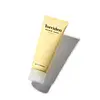
This barrier-repair moisturizer is formulated around Simmondsia Chinensis Seed Oil and Panthenol to strengthen the skin barrier and hydrate skin.
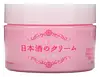
This barrier-repair moisturizer is formulated around Rice Ferment Filtrate and Ceramide NP to strengthen the skin barrier and hydrate skin.


What's inside
What's inside
 Key Ingredients
Benefits
Concerns
Ingredients Side-by-side
Water
Skin ConditioningPropanediol
Solvent

Glycerin
Humectant
Simmondsia Chinensis Seed Oil
Emollient


Caprylic/Capric Triglyceride
Masking
Ethylhexyl Palmitate
Emollient


Panthenol
Skin Conditioning

1,2-Hexanediol
Skin Conditioning
Glyceryl Stearate
Emollient
Cetearyl Olivate
Sorbitan Olivate
Emulsifying
Hydrogenated Poly(C6-14 Olefin)
EmollientCeramide NP
Skin Conditioning

Ceramide Ns
Skin Conditioning
Ceramide As
Skin Conditioning
Ceramide EOP
Skin Conditioning
Ceramide AP
Skin Conditioning
Cholesterol
Emollient
Allantoin
Skin Conditioning
Glucose
Humectant
Betaine
Humectant
Sodium Hyaluronate
Humectant
Phytosterols
Skin Conditioning
Stearic Acid
Cleansing
Butylene Glycol
Humectant
Sodium Polyacrylate
Absorbent
Myristyl Glucoside
CleansingPolyglycerin-3
Humectant
C13-16 Isoalkane
SolventHeptyl Undecylenate
EmollientVinyldimethicone

Carbomer
Emulsion StabilisingTromethamine
BufferingArachidyl Alcohol
Emollient
Hydrogenated Lecithin
Emulsifying
Polyglyceryl-6 Distearate
Emulsifying
Candelilla/Jojoba/Rice Bran Polyglyceryl-3 Esters
Emulsifying
Ethylhexylglycerin
Skin ConditioningBehenyl Alcohol
Emollient
Lauryl Glucoside
CleansingPolyglyceryl-6 Laurate
Emulsifying
Disodium EDTA
Dipropylene Glycol
HumectantArachidyl Glucoside
EmulsifyingTocopherol
Antioxidant



Adansonia Digitata Seed Oil
Emollient
Hydrogenated Rice Bran Oil
Skin Conditioning
Coptis Japonica Root Extract
Skin ConditioningWater, Propanediol, Glycerin, Simmondsia Chinensis Seed Oil, Caprylic/Capric Triglyceride, Ethylhexyl Palmitate, Panthenol, 1,2-Hexanediol, Glyceryl Stearate, Cetearyl Olivate, Sorbitan Olivate, Hydrogenated Poly(C6-14 Olefin), Ceramide NP, Ceramide Ns, Ceramide As, Ceramide EOP, Ceramide AP, Cholesterol, Allantoin, Glucose, Betaine, Sodium Hyaluronate, Phytosterols, Stearic Acid, Butylene Glycol, Sodium Polyacrylate, Myristyl Glucoside, Polyglycerin-3, C13-16 Isoalkane, Heptyl Undecylenate, Vinyldimethicone, Carbomer, Tromethamine, Arachidyl Alcohol, Hydrogenated Lecithin, Polyglyceryl-6 Distearate, Candelilla/Jojoba/Rice Bran Polyglyceryl-3 Esters, Ethylhexylglycerin, Behenyl Alcohol, Lauryl Glucoside, Polyglyceryl-6 Laurate, Disodium EDTA, Dipropylene Glycol, Arachidyl Glucoside, Tocopherol, Adansonia Digitata Seed Oil, Hydrogenated Rice Bran Oil, Coptis Japonica Root Extract
Water
Skin ConditioningGlycerin
Humectant
Paraffinum Liquidum
Emollient
Cetyl Alcohol
Emollient
Glyceryl Stearate
Emollient
Stearyl Alcohol
Emollient
Rice Ferment Filtrate
Skin Conditioning
Glutamic Acid
Humectant
Arginine
Masking
Leucine
Skin ConditioningGlycine
Buffering
Ceramide EOP
Skin Conditioning
Ceramide NP
Skin Conditioning
Ceramide AP
Skin Conditioning
Placental Protein
HumectantArbutin
Antioxidant
Dipotassium Glycyrrhizate
Humectant
Oryza Sativa Bran Oil
Emollient
Oryza Sativa Germ Oil
Emollient
Simmondsia Chinensis Seed Oil
Emollient
Squalane
Emollient
Propanediol
Solvent
Dimethicone
Emollient
Cholesterol
Emollient
Phytosphingosine
Skin Conditioning
Sodium Lauroyl Lactylate
EmulsifyingTocopherol
Antioxidant
Ceteth-20
CleansingSteareth-20
CleansingPEG-75 Stearate
Surfactant
Carbomer
Emulsion StabilisingXanthan Gum
EmulsifyingAcrylates/C10-30 Alkyl Acrylate Crosspolymer
Emulsion StabilisingDisodium EDTA
Potassium Hydroxide
BufferingCitric Acid
Buffering
Sodium Citrate
BufferingPhenoxyethanol
Preservative
Methylparaben
Preservative

Ethylparaben
Preservative
Parfum
Masking

Water, Glycerin, Paraffinum Liquidum, Cetyl Alcohol, Glyceryl Stearate, Stearyl Alcohol, Rice Ferment Filtrate, Glutamic Acid, Arginine, Leucine, Glycine, Ceramide EOP, Ceramide NP, Ceramide AP, Placental Protein, Arbutin, Dipotassium Glycyrrhizate, Oryza Sativa Bran Oil, Oryza Sativa Germ Oil, Simmondsia Chinensis Seed Oil, Squalane, Propanediol, Dimethicone, Cholesterol, Phytosphingosine, Sodium Lauroyl Lactylate, Tocopherol, Ceteth-20, Steareth-20, PEG-75 Stearate, Carbomer, Xanthan Gum, Acrylates/C10-30 Alkyl Acrylate Crosspolymer, Disodium EDTA, Potassium Hydroxide, Citric Acid, Sodium Citrate, Phenoxyethanol, Methylparaben, Ethylparaben, Parfum
Reviews
Ingredients Explained
These ingredients are found in both products.
Ingredients higher up in an ingredient list are typically present in a larger amount.
Carbomer is a synthetic thickening and gelling agent. It's basically the ingredient that gives a lot of serums, gels, creams, and sunscreens their smooth, non-sticky texture.
Although legally permitted at very high levels, carbomers are normally used at concentrations below 1%.
It also needs to be neutralized to actually thicken, and because it is a large molecule, it doesn't really penetrate the skin barrier.
Allergy-wise, the risk is very low. Clinical studies show carbomers have low potential for skin irritation/sensitization even at concentrations up to 100%.
A 2024 UK study patch-tested 1,302 patients and found true allergy to the parent group of carbomer to be rare with no confirmed relevant reactions.
Learn more about CarbomerCeramide AP is is a skin-identical lipid that mimics what your skin already makes naturally. Ceramides help maintain epidermal integrity and barrier function.
You'll often see this ingredient paired with other ceramides (like ceramide NP), cholesterol, or fatty acids because this combination best mimics the natural lipid mix your skin already has.
The skin's ability to produce ceramides gets disrupted in skin conditions like eczema. This in turn weakens the skin barrier and applying ceramides topically has been shown to replenish what's been lost to restore barrier function.
Most of the studies with Ceramide AP test it as part of a multi-ceramide complex; studies reinforce ceramide AP's role in rebalancing ceramides in skin and improving skin hydration.
Learn more about Ceramide APCeramide EOP is formally known as Ceramide 1.
It is naturally found in skin and part of the intercellular "mortar" holding everything together in your outermost layer.
EOP stands for a linked Ester fatty acid, a linked Omega hydroxy fatty acid, and the Phytosphingosine base.
What makes Ceramide EOP special is its ultra-long fatty acid chain; this unique structure allows it to bridge the lipid layers in your skin barrier to prevent water loss (something no other ceramide can do).
Low levels of Ceramide EOP have been found in people with eczema and psoriasis.
Using it together with other ceramides, cholesterol, and linoleic acid have been shown to meaningfully improve hydration and reduce water loss.
In one clinical study, a regimen using Ceramide EOP, NP, and AP led to significant symptom improvements in patients with eczema, psoriasis, and dry skin in just 4 weeks.
You'll usually see concentrations between 0.1-0.5% in formulations. Overall, this is a well-tolerated and safe ingredient for cosmetic use.
Learn more about Ceramide EOPCeramide NP (formerly known as Ceramide 3) is one of the skin's naturally occurring lipids.
Since ceramides are the major lipid components of the skin, they are crucial for maintaining skin barrier and hydration. Ceramide NP most closely mirrors the dominant kind in human skin amongst ceramide subtypes.
This ceramide works by slotting into gaps within the stratum corneum's lipid matrix to limit trans-epidermal water loss (TEWL) and shield the skin against external irritants.
A study with 312 patients found that using a ceramide-containing routine for 4 weeks reduced the severity of atopic dermatitis by over 61%.
Another clinical study in subjects aged 60 and older found that a ceramide body wash and moisturizer improved skin dryness and itchy skin in 15 days.
Overall, ceramides are considered non-irritating and safety tests have found little to no observable adverse effects from using this ingredient.
Ceramide NP is usually sourced from plants (like soybean or rice bran), or produced synthetically.
Learn more about Ceramide NPCholesterol is a lipid that is naturally found in human skin and is one of the three key components of your skin barrier. In skincare, it is an emollient and barrier-repairing ingredient.
It works by fitting directly into the lipid layers of skin to help restore structure and reduce transepidermal water loss (TEWL).
This is a great ingredient for dry, compromised, or aging skin; our skin starts to produce less cholesterol with age.
Research shows cholesterol works best in combination with ceramides and fatty acids, the other two major components in your skin barrier.
Cholesterol is also a well-establish penetration enhancer and can help other actives absorb more effectively.
Cosmetic-grade cholesterol is usually derived from lanolin but plant and synthetic options also exist. We recommend reaching out to the brand if you have questions about their source of cholesterol.
Learn more about CholesterolDisodium EDTA is a chelating agent. It grabs onto and deactivates metal ions that sneak into your products from water, packaging, or air.
This ingredient mainly works behind the scenes and helps with:
On top of that, this ingredient can counteract the effects of hard water by binding to the minerals in it.
One thing worth knowing is that Disodium EDTA has been shown to be a mild penetration enhancer. It can help other ingredients absorb into skin more effectively which can be a double-edged sword (great for actives, but can also make the active too strong if you have sensitive skin).
Clinical patch testing showed no significant skin irritation at typical use concentrations and minimal dermal absorption.
You'll most likely see this ingredient near the end of an ingredient list. It's typically found in concentrations less than 1%.
Learn more about Disodium EDTAGlycerin (or glycerol) is a compound naturally found in your skin. It's a powerhouse humectant that pulls water into the stratum corneum.
Topically, glycerin does several things at once:
Your skin makes glycerin on its own (mostly from sebaceous oil breakdown) and shuttles it to your outermost layer of skin, or your epidermis, via aquaporin-3.
Aquaporin-3 is a transporter that is essential for normal skin hydration, elasticity, and repair. Interestingly, mice lacking in AQP3 have dry and less elastic skin that can be fully corrected with glycerin.
This ingredient is non-irritating, plays well with almost every ingredient, and works across all skin types. Typical use is anywhere between 3-10% but can go up to 79% in some leave-on products.
Just know very high concentrations (>40%) can feel tacky in low humidity.
Glycerin is the name for this ingredient in American English. British English uses Glycerol/Glycerine.
Learn more about GlycerinGlyceryl Stearate is made by reacting glycerin with stearic acid (typically sourced from plant oils like palm or coconut). It's an emulsifier, emollient, and mild occlusive.
Emulsifiers help ingredients like oil and water stay mixed so your formula stays nicely blended and uniform in texture.
This ingredient is typically used in concentrations between 1-10%. Studies have found it to be non-sensitizing, non-phototoxic, and non-photoallergenic.
A close cousin of this ingredient is Glyceryl Stearate SE ("self-emulsifying"). This just has a small amount of sodium or potassium stearate added so it can emulsify without a co-emulsifier.
Since this ingredient is an ester of a C18 fatty acid, it may not be fungal acne safe. The Malassezia yeast can potentially metabolize within the C11-C24 range.
Fun fact: The human body also creates Glyceryl Stearate naturally.
Learn more about Glyceryl StearatePropanediol is an all-star ingredient. It softens, hydrates, and smooths the skin.
It’s often used to:
Propanediol is not likely to cause sensitivity and considered safe to use. It is derived from corn or petroleum with a clear color and no scent.
Learn more about PropanediolJojoba oil is one of the most well-studied plant-derived ingredients in cosmetics. It is an emollient with a special structure.
Because it is made up of 97-98% wax esters, it closely mirrors the linear monoesters found in human sebum. This makes it skin compatible, non-greasy, and lightweight.
Unlike other plant oils, jojoba wax doesn't easily penetrate skin. It mostly works in the uppermost layers as an emollient. This just means it forms a light barrier on the skin to help retain moisture.
Formulations with jojoba esters up to 90% reduced transepidermal water loss (TEWL) and increased barrier recovery by 81% (outperforming bisabolol at 47%).
Besides barrier support, the science also suggests jojoba to have anti-inflammatory effects and potential applications for skin infections, aging, and wound healing.
Fun fact: Indigenous cultures have used jojoba as a moisturizer and to help treat burns for centuries.
Fungal acne: The Malassezia yeast is known to metabolize fatty acids in the C11-24 range and jojoba's dominant fatty acid components fall into this range. This ingredient may not be fungal acne safe.
Learn more about Simmondsia Chinensis Seed OilTocopherol is a fat-soluble antioxidant known as Vitamin E.
You'll find this ingredient in the vast majority of skincare (for good reason). It works to neutralize free radicals, or unstable molecules generated by UV exposure, pollution, and other environmental stressors, before they can cause oxidative damage to your skin cells.
Topically applied tocopherol has been shown to protect against UV damage by ramping up the skin's own natural defense enzymes.
It also acts as a skin conditioning agent; some studies show that regular topical use can improve the skin's water-binding capacity over 2-4 weeks.
This ingredient is especially loved for being a team player. When combined with Vitamin C, the photoprotective effect of both ingredients roughly doubles and the combo also helps reduce UV-induced DNA damage.
This ingredient has some brightening potential but it's more of a prevention ingredient than spot-fader. Cell studies show it can slow down melanin production but it's worth noting that it's not the most powerful brightener out there.
In formulations, it also serves as a stabilizer that helps protect other oxidation-prone ingredients from degrading.
Concentrations usually range from 0.1-1% in most leave-on products.
Learn more about TocopherolWater. It's the most common cosmetic ingredient of all. You'll usually see it at the top of ingredient lists, meaning that it makes up the largest part of the product.
So why is it so popular? Water most often acts as a solvent - this means that it helps dissolve other ingredients into the formulation.
You'll also recognize water as that liquid we all need to stay alive. If you see this, drink a glass of water. Remember to stay hydrated!
Learn more about Water

