

What's inside
What's inside
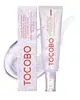 Key Ingredients
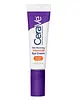
Benefits
Concerns
Ingredients Side-by-side
Lavandula Angustifolia Flower Water
Skin Conditioning
Butylene Glycol
Humectant
Glycerin
Humectant


1,2-Hexanediol
Skin Conditioning
Niacinamide
Smoothing







Water
Skin ConditioningGlycereth-26
Humectant
Propanediol
Solvent
Carbomer
Emulsion StabilisingSodium Polyacryloyldimethyl Taurate
Emulsion StabilisingTromethamine
BufferingGlycereth-25 PCA Isostearate
Emulsifying
Panthenol
Skin Conditioning
Ethylhexylglycerin
Skin ConditioningAdenosine
Skin Conditioning
Zea Mays Kernel Extract
Hydrolyzed Gardenia Florida Extract
Antioxidant
Hydrolyzed Malt Extract
Skin ConditioningDisodium EDTA
Hydrolyzed Viola Tricolor Extract
Skin ProtectingMelia Azadirachta Leaf Extract
Skin ConditioningMelia Azadirachta Flower Extract
Skin ConditioningLavandula Angustifolia Oil
Masking


Ammonium Polyacryloyldimethyl Taurate
Emulsion StabilisingSynthetic Fluorphlogopite
Hyaluronic Acid
Humectant
Hydrolyzed Hyaluronic Acid
Humectant
Sodium Hyaluronate
Humectant
Collagen
Moisturising
Coccinia Indica Fruit Extract
Skin ConditioningBetaine
Humectant
Leuconostoc/Radish Root Ferment Filtrate
Antimicrobial
CI 77891
Cosmetic ColorantFructan
Skin ConditioningSolanum Melongena Fruit Extract
Skin ConditioningCorallina Officinalis Extract
Skin Conditioning
Glucose
Humectant
Ocimum Sanctum Leaf Extract
Skin Conditioning
Curcuma Longa Root Extract
Masking
Caprylic/Capric Triglyceride
Masking
Macadamia Ternifolia Seed Oil
Emollient
Quartz
Abrasive
Hydrogenated Lecithin
Emulsifying
Retinol
Skin Conditioning


Brassica Campestris Sterols
Emollient
Cholesterol
Emollient
Polyglyceryl-10 Laurate
Skin Conditioning
Phytosteryl/Behenyl/Octyldodecyl Lauroyl Glutamate
Skin ConditioningAluminum/Magnesium Hydroxide Stearate
Emulsion StabilisingPentaerythrityl Tetra-Di-T-Butyl Hydroxyhydrocinnamate
Antioxidant
Potassium Cetyl Phosphate
EmulsifyingChitosan
Tris(Tetramethylhydroxypiperidinol)Citrate
StabilisingLinalool
Perfuming
Lavandula Angustifolia Flower Water, Butylene Glycol, Glycerin, 1,2-Hexanediol, Niacinamide, Water, Glycereth-26, Propanediol, Carbomer, Sodium Polyacryloyldimethyl Taurate, Tromethamine, Glycereth-25 PCA Isostearate, Panthenol, Ethylhexylglycerin, Adenosine, Zea Mays Kernel Extract, Hydrolyzed Gardenia Florida Extract, Hydrolyzed Malt Extract, Disodium EDTA, Hydrolyzed Viola Tricolor Extract, Melia Azadirachta Leaf Extract, Melia Azadirachta Flower Extract, Lavandula Angustifolia Oil, Ammonium Polyacryloyldimethyl Taurate, Synthetic Fluorphlogopite, Hyaluronic Acid, Hydrolyzed Hyaluronic Acid, Sodium Hyaluronate, Collagen, Coccinia Indica Fruit Extract, Betaine, Leuconostoc/Radish Root Ferment Filtrate, CI 77891, Fructan, Solanum Melongena Fruit Extract, Corallina Officinalis Extract, Glucose, Ocimum Sanctum Leaf Extract, Curcuma Longa Root Extract, Caprylic/Capric Triglyceride, Macadamia Ternifolia Seed Oil, Quartz, Hydrogenated Lecithin, Retinol, Brassica Campestris Sterols, Cholesterol, Polyglyceryl-10 Laurate, Phytosteryl/Behenyl/Octyldodecyl Lauroyl Glutamate, Aluminum/Magnesium Hydroxide Stearate, Pentaerythrityl Tetra-Di-T-Butyl Hydroxyhydrocinnamate, Potassium Cetyl Phosphate, Chitosan, Tris(Tetramethylhydroxypiperidinol)Citrate, Linalool
Water
Skin ConditioningGlycerin
Humectant
Ascorbic Acid
Antioxidant
Propanediol
Solvent
Dimethicone
Emollient
Caprylic/Capric Triglyceride
Masking
Cetearyl Alcohol
Emollient


Glyceryl Isostearate
Emollient
Sodium Hydroxide
BufferingGlyceryl Stearate
Emollient
PEG-100 Stearate
Panthenol
Skin Conditioning
Dipotassium Glycyrrhizate
Humectant
Hydrogenated Jojoba Oil
Abrasive
Ceramide NP
Skin Conditioning
Ceramide AP
Skin Conditioning
Ceramide EOP
Skin Conditioning
Carbomer
Emulsion StabilisingCopernicia Cerifera Cera
Emollient
Cetearyl Glucoside
EmulsifyingBehentrimonium Methosulfate

Triethyl Citrate
Masking
Caffeine
Skin Conditioning
Silica
Abrasive
Sodium Hyaluronate
Humectant
Sodium Lauroyl Lactylate
EmulsifyingCholesterol
Emollient
Phenoxyethanol
Preservative
Tocopherol
Antioxidant
Hydrogenated Lecithin
Emulsifying
Hydroxyacetophenone
Antioxidant
Citric Acid
Buffering
Caprylyl Glycol
Emollient
Trisodium Ethylenediamine Disuccinate
Xanthan Gum
EmulsifyingPentaerythrityl Tetra-Di-T-Butyl Hydroxyhydrocinnamate
Antioxidant
Phytosphingosine
Skin Conditioning
Polyacrylate Crosspolymer-6
Emulsion StabilisingBenzoic Acid
Masking
Water, Glycerin, Ascorbic Acid, Propanediol, Dimethicone, Caprylic/Capric Triglyceride, Cetearyl Alcohol, Glyceryl Isostearate, Sodium Hydroxide, Glyceryl Stearate, PEG-100 Stearate, Panthenol, Dipotassium Glycyrrhizate, Hydrogenated Jojoba Oil, Ceramide NP, Ceramide AP, Ceramide EOP, Carbomer, Copernicia Cerifera Cera, Cetearyl Glucoside, Behentrimonium Methosulfate, Triethyl Citrate, Caffeine, Silica, Sodium Hyaluronate, Sodium Lauroyl Lactylate, Cholesterol, Phenoxyethanol, Tocopherol, Hydrogenated Lecithin, Hydroxyacetophenone, Citric Acid, Caprylyl Glycol, Trisodium Ethylenediamine Disuccinate, Xanthan Gum, Pentaerythrityl Tetra-Di-T-Butyl Hydroxyhydrocinnamate, Phytosphingosine, Polyacrylate Crosspolymer-6, Benzoic Acid
Reviews
Ingredients Explained
These ingredients are found in both products.
Ingredients higher up in an ingredient list are typically present in a larger amount.
This ingredient is an emollient, solvent, and texture enhancer. It is considered a skin-softener by helping the skin prevent moisture loss.
It helps thicken a product's formula and makes it easier to spread by dissolving clumping compounds.
Caprylic Triglyceride is made by combining glycerin with coconut oil, forming a clear liquid.
While there is an assumption Caprylic Triglyceride can clog pores due to it being derived from coconut oil, there is no research supporting this.
Learn more about Caprylic/Capric TriglycerideCarbomer is a polymer of acrylic acid. Its main role is to create a gel consistency.
A high amount of carbomer can cause pilling or balling up of products. Don't worry, most products contain 1% or less of carbomer.
Cholesterol is a class of organic molecules called lipids. It helps hydrate your skin and is essential to having a healthy skin barrier.
Our skin naturally contains cholesterol in the outermost layer. Besides cholesterol, it also contains ceramides and fatty acids. Cholesterol makes up about 1/4 of your skin's outer layer and barrier. Your skin barrier is responsible for keeping allergens and microbes out. Having a healthy skin barrier is also responsible for keeping your skin firm and plump.
Our bodies use cholestrol to create vitamin D, steroid hormones, and more.
Learn more about CholesterolGlycerin is already naturally found in your skin. It helps moisturize and protect your skin.
A study from 2016 found glycerin to be more effective as a humectant than AHAs and hyaluronic acid.
As a humectant, it helps the skin stay hydrated by pulling moisture to your skin. The low molecular weight of glycerin allows it to pull moisture into the deeper layers of your skin.
Hydrated skin improves your skin barrier; Your skin barrier helps protect against irritants and bacteria.
Glycerin has also been found to have antimicrobial and antiviral properties. Due to these properties, glycerin is often used in wound and burn treatments.
In cosmetics, glycerin is usually derived from plants such as soybean or palm. However, it can also be sourced from animals, such as tallow or animal fat.
This ingredient is organic, colorless, odorless, and non-toxic.
Glycerin is the name for this ingredient in American English. British English uses Glycerol/Glycerine.
Learn more about GlycerinHydrogenated Lecithin is created from the hydrogenation of lecithin (a group of phospholipids). Hydrogenation is a chemical reaction between hydrogen and another element.
This ingredient is an emollient and emulsifier. As an emollient, it helps soften skin by trapping moisture within. As an emulsifier, it prevents oil and water ingredients from separating.
Panthenol is a common ingredient that helps hydrate and soothe the skin. It is found naturally in our skin and hair.
There are two forms of panthenol: D and L.
D-panthenol is also known as dexpanthenol. Most cosmetics use dexpanthenol or a mixture of D and L-panthenol.
Panthenol is famous due to its ability to go deeper into the skin's layers. Using this ingredient has numerous pros (and no cons):
Like hyaluronic acid, panthenol is a humectant. Humectants are able to bind and hold large amounts of water to keep skin hydrated.
This ingredient works well for wound healing. It works by increasing tissue in the wound and helps close open wounds.
Once oxidized, panthenol converts to pantothenic acid. Panthothenic acid is found in all living cells.
This ingredient is also referred to as pro-vitamin B5.
Learn more about PanthenolPentaerythrityl Tetra-Di-T-Butyl Hydroxyhydrocinnamate (long name, huh?) is a synthetic antioxidant.
It is used to help stabilize other antioxidants or prevent the color from changing in a product.
As an antioxidant, it helps fight free-radical molecules. Free-radical molecules are capable of damaging our cells and other genetic material. Thus, antioxidants may reduce the signs of aging.
This ingredient is oil-soluble.
Learn more about Pentaerythrityl Tetra-Di-T-Butyl HydroxyhydrocinnamatePropanediol is an all-star ingredient. It softens, hydrates, and smooths the skin.
It’s often used to:
Propanediol is not likely to cause sensitivity and considered safe to use. It is derived from corn or petroleum with a clear color and no scent.
Learn more about PropanediolSodium Hyaluronate is hyaluronic acid's salt form. It is commonly derived from the sodium salt of hyaluronic acid.
Like hyaluronic acid, it is great at holding water and acts as a humectant. This makes it a great skin hydrating ingredient.
Sodium Hyaluronate is naturally occurring in our bodies and is mostly found in eye fluid and joints.
These are some other common types of Hyaluronic Acid:
Learn more about Sodium HyaluronateWater. It's the most common cosmetic ingredient of all. You'll usually see it at the top of ingredient lists, meaning that it makes up the largest part of the product.
So why is it so popular? Water most often acts as a solvent - this means that it helps dissolve other ingredients into the formulation.
You'll also recognize water as that liquid we all need to stay alive. If you see this, drink a glass of water. Stay hydrated!
Learn more about Water
