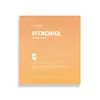
This anti-aging sheet mask is formulated around Bakuchiol and Retinol to soften the look of wrinkles and refine skin texture.
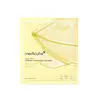
This brightening sheet mask is formulated around Niacinamide and Kojic Acid to brighten dull-looking skin and fade the look of dark spots.

What's inside
What's inside
 Key Ingredients
Benefits
Concerns
Ingredients Side-by-side
Water
Skin ConditioningGlycerin
Humectant


Methylpropanediol
SolventCetyl Ethylhexanoate
EmollientChondrus Crispus Powder
Abrasive


1,2-Hexanediol
Skin Conditioning
Ceratonia Siliqua Gum
EmollientButyrospermum Parkii Butter
Skin Conditioning


Caprylic/Capric Triglyceride
Masking
Hydroxyacetophenone
Antioxidant
Allantoin
Skin Conditioning

Polyacrylate-13
Polyglyceryl-10 Laurate
Skin Conditioning
Xanthan Gum
EmulsifyingBetaine
Humectant
Glucomannan
Skin ConditioningGlyceryl Stearate
Emollient
Polyglyceryl-3 Methylglucose Distearate
Emulsifying
Potassium Chloride
Propanediol
Solvent
Sodium Polyacryloyldimethyl Taurate
Emulsion StabilisingHydrogenated Polyisobutene
EmollientCyamopsis Tetragonoloba Gum
Emulsion StabilisingCellulose Gum
Emulsion StabilisingDextrin
AbsorbentEthylhexylglycerin
Skin ConditioningAgar
MaskingEthylhexyl Palmitate
Emollient
Sodium Polyacrylate
Absorbent
Melia Azadirachta Flower Extract
Skin ConditioningOcimum Sanctum Leaf Extract
Skin ConditioningButylene Glycol
Humectant
Simmondsia Chinensis Seed Oil
Emollient
Sorbitan Isostearate
Emulsifying
Melia Azadirachta Leaf Extract
Skin ConditioningUbiquinone
Antioxidant
Curcuma Longa Root Extract
Antioxidant
Corallina Officinalis Extract
Skin Conditioning
Astaxanthin
Skin Conditioning
Bakuchiol
Antimicrobial



Glycine Soja Oil
Emollient
Ascorbyl Tetraisopalmitate
Antioxidant
Retinol
Skin Conditioning



Pentylene Glycol
Skin Conditioning
Tocopherol
Antioxidant
Bioflavonoids
Skin ConditioningDipropylene Glycol
HumectantHydrogenated Lecithin
Emulsifying
Cholesterol
Emollient
Ascorbic Acid
Antioxidant
Biotin
AntiseborrhoeicCyanocobalamin
Skin ConditioningFolic Acid
Skin ConditioningNiacinamide
Smoothing
Pantothenic Acid
Skin ConditioningPyridoxine
Skin ConditioningRiboflavin
Cosmetic ColorantThiamine Hcl
MaskingChitosan
3-O-Ethyl Ascorbic Acid
Skin Conditioning
Ascorbyl Glucoside
Antioxidant
Ceramide NP
Skin Conditioning
Glutathione
Linoleic Acid
Cleansing
Menadione
MaskingWater, Glycerin, Methylpropanediol, Cetyl Ethylhexanoate, Chondrus Crispus Powder, 1,2-Hexanediol, Ceratonia Siliqua Gum, Butyrospermum Parkii Butter, Caprylic/Capric Triglyceride, Hydroxyacetophenone, Allantoin, Polyacrylate-13, Polyglyceryl-10 Laurate, Xanthan Gum, Betaine, Glucomannan, Glyceryl Stearate, Polyglyceryl-3 Methylglucose Distearate, Potassium Chloride, Propanediol, Sodium Polyacryloyldimethyl Taurate, Hydrogenated Polyisobutene, Cyamopsis Tetragonoloba Gum, Cellulose Gum, Dextrin, Ethylhexylglycerin, Agar, Ethylhexyl Palmitate, Sodium Polyacrylate, Melia Azadirachta Flower Extract, Ocimum Sanctum Leaf Extract, Butylene Glycol, Simmondsia Chinensis Seed Oil, Sorbitan Isostearate, Melia Azadirachta Leaf Extract, Ubiquinone, Curcuma Longa Root Extract, Corallina Officinalis Extract, Astaxanthin, Bakuchiol, Glycine Soja Oil, Ascorbyl Tetraisopalmitate, Retinol, Pentylene Glycol, Tocopherol, Bioflavonoids, Dipropylene Glycol, Hydrogenated Lecithin, Cholesterol, Ascorbic Acid, Biotin, Cyanocobalamin, Folic Acid, Niacinamide, Pantothenic Acid, Pyridoxine, Riboflavin, Thiamine Hcl, Chitosan, 3-O-Ethyl Ascorbic Acid, Ascorbyl Glucoside, Ceramide NP, Glutathione, Linoleic Acid, Menadione
Water
Skin ConditioningGlycerin
Humectant
Methylpropanediol
SolventAcrylates/Ethylhexyl Acrylate Copolymer
Niacinamide
Smoothing
Chondrus Crispus Powder
Abrasive
1,2-Hexanediol
Skin Conditioning
Betaine
Humectant
Ceratonia Siliqua Gum
EmollientHydroxyacetophenone
Antioxidant
Allantoin
Skin Conditioning
Glucomannan
Skin ConditioningXanthan Gum
EmulsifyingLaureth-21
CleansingPolyglyceryl-10 Laurate
Skin Conditioning
Propanediol
Solvent
Cellulose Gum
Emulsion StabilisingCyamopsis Tetragonoloba Gum
Emulsion StabilisingParfum
Masking
Potassium Chloride
Curcuma Longa Root Extract
Antioxidant
Lactobacillus Ferment
Skin Conditioning
Melia Azadirachta Flower Extract
Skin ConditioningDextrin
AbsorbentOcimum Sanctum Leaf Extract
Skin ConditioningAdenosine
Skin Conditioning
Ethylhexylglycerin
Skin ConditioningMelia Azadirachta Leaf Extract
Skin ConditioningButylene Glycol
Humectant
Corallina Officinalis Extract
Skin Conditioning
Ascorbic Acid
Antioxidant
Hydrolyzed Collagen
Emollient
Kojic Acid
Antioxidant
Tocopherol
Antioxidant
Linoleic Acid
Cleansing
Ceramide NP
Skin Conditioning
Retinol
Skin Conditioning
Water, Glycerin, Methylpropanediol, Acrylates/Ethylhexyl Acrylate Copolymer, Niacinamide, Chondrus Crispus Powder, 1,2-Hexanediol, Betaine, Ceratonia Siliqua Gum, Hydroxyacetophenone, Allantoin, Glucomannan, Xanthan Gum, Laureth-21, Polyglyceryl-10 Laurate, Propanediol, Cellulose Gum, Cyamopsis Tetragonoloba Gum, Parfum, Potassium Chloride, Curcuma Longa Root Extract, Lactobacillus Ferment, Melia Azadirachta Flower Extract, Dextrin, Ocimum Sanctum Leaf Extract, Adenosine, Ethylhexylglycerin, Melia Azadirachta Leaf Extract, Butylene Glycol, Corallina Officinalis Extract, Ascorbic Acid, Hydrolyzed Collagen, Kojic Acid, Tocopherol, Linoleic Acid, Ceramide NP, Retinol
Reviews
Ingredients Explained
These ingredients are found in both products.
Ingredients higher up in an ingredient list are typically present in a larger amount.
1,2-Hexanediol is a synthetic liquid and another multi-functional powerhouse.
It is a:
- Humectant, drawing moisture into the skin
- Emollient, helping to soften skin
- Solvent, dispersing and stabilizing formulas
- Preservative booster, enhancing the antimicrobial activity of other preservatives
Allantoin is a soothing ingredient known for its protective and moisturizing properties; it's basically a quiet workhorse ingredient you can find in a huge range of cosmetics.
Though it can be derived from the comfrey plant, allantoin is produced synthetically for cosmetic products to ensure purity.
Research shows it can encourage your skin cells to turn over and renew by stimulating keratinocyte and fibroblast proliferation.
It also has mild keratolytic properties to help loosen and shed dead skin cells without being harsh.
Studies also suggest allantoin can help calm inflammation by dialing down some of the chemical signals your skin sends out when it is irritated.
This ingredient is typically used in the 0.1-0.5% range, and the FDA recognizes it as a skin protectant in OTC products up to 2%.
Overall, allantoin is a wonderful addition to most routines; it is stable across a wide pH range (~4-8), works well with other ingredients, and is considered non-sensitizing/non-irritating.
Fun fact: Allantoin is naturally occurring in comfrey root, beets, chamomile, and wheat sprouts. Our bodies even produce it as a byproduct of uric acid metabolism.
Learn more about AllantoinAscorbic Acid is is pure Vitamin C and is the biologically active form used directly by skin.
Not only is vitamin C great for your overall health and immune system, but it also has plenty of benefits for your skin. It is best supported by academic literature for:
Topical vitamin C has been shown to help neutralize oxidative stress from UV and pollution, helping to improve photoaging and hyperpigmentation when used consistently.
One clinical study found that using 5% topical vitamin C for six months improved signs of photodamaged skin, both on the surface and in the deeper structural layers of the skin.
While vitamin C doesn’t replace sunscreen, studies show it can boost photoprotection when combined with Vitamin E and ferulic acid. These two ingredients help improve stability and protective effects.
The big downside of this ingredient is formulation difficulty. Vitamin C is prone to oxidation and doesn't penetrate the skin unless formulated correctly. Research found that vitamin C absorbs into the skin best at a low pH (< 3.5) with about 20% being the upper limit for effective absorption.
Skin levels can saturate after repeated application; this means your skin won’t keep absorbing more once it’s full of vitamin C. This is why more isn’t always better with vitamin C and why very high concentrations don’t necessarily give extra benefits.
Ascorbic acid generally works well with many skincare ingredients but can be irritating when combined with other active ingredients. Strong oxidizing acne treatments like benzoyl peroxide can reduce the effectiveness of vitamin C if they are used at the same time; they are often recommended for use at different times of day.
Read more about other types of Vitamin C:
Foods rich with vitamin C include oranges, strawberries, broccoli, bell peppers, and more. When consuming Vitamin C, your skin receives a portion of the nutrients.
Learn more about Ascorbic AcidBetaine is a humectant. Like hyaluronic acid, it helps attract and retain moisture in the skin. It’s known for being gentle and for helping the skin maintain balanced hydration.
Betaine is mainly used to improve hydration and support calmer skin. It helps skin cells regulate water balance because it functions as an osmolyte.
Some studies suggest betaine may support making skin tone more even.
Fun fact: Betaine naturally exists in the skin and the body. In cosmetic products, it can be either plant-derived (most commonly from sugar beets) or synthetically produced for consistency and stability.
Betaine is also known as trimethylglycine.
Learn more about BetaineButylene Glycol (or BG) is used within cosmetic products for a few different reasons:
Overall, Butylene Glycol is a safe and well-rounded ingredient that works well with other ingredients.
Though this ingredient works well with most skin types, some people with sensitive skin may experience a reaction such as allergic rashes, closed comedones, or itchiness.
Learn more about Butylene GlycolCellulose Gum is a water-soluble polymer that comes from cellulose. It is used to change the texture of a product and to help stabilize emulsions.
As an emulsifier, cellulose gum specifically thicken the texture of water-based products.
This ingredient is considered hypoallergenic and non-toxic. Cellulose Gum can be found in cosmetics, food, and other household goods such as paper products.
Learn more about Cellulose GumCeramide NP (formerly known as Ceramide 3) is one of the skin's naturally occurring lipids.
Since ceramides are the major lipid components of the skin, they are crucial for maintaining skin barrier and hydration. Ceramide NP most closely mirrors the dominant kind in human skin amongst ceramide subtypes.
This ceramide works by slotting into gaps within the stratum corneum's lipid matrix to limit trans-epidermal water loss (TEWL) and shield the skin against external irritants.
A study with 312 patients found that using a ceramide-containing routine for 4 weeks reduced the severity of atopic dermatitis by over 61%.
Another clinical study in subjects aged 60 and older found that a ceramide body wash and moisturizer improved skin dryness and itchy skin in 15 days.
Overall, ceramides are considered non-irritating and safety tests have found little to no observable adverse effects from using this ingredient.
Ceramide NP is usually sourced from plants (like soybean or rice bran), or produced synthetically.
Learn more about Ceramide NPCeratonia Siliqua Gum is extracted from the seeds of the carob tree. You might know this ingredient as Carob Gum or Locust Bean Gum. It is used to stabilize other ingredients and improve the texture of products.
Carob gum is made up of long-chain polysaccharides. This makes it a natural thickener.
Yes! This ingredient comes from the seeds of a tree. The name 'Locust Bean Gum' can be misleading.
Learn more about Ceratonia Siliqua GumChondrus Crispus Powder is just Irish moss, a red seaweed harvested, dried, and ground into a fine powder. Because it's the whole plant rather than a liquid extract, it has an official INCI job as an "abrasive".
This ingredient also happens to be loaded with carrageenan, a sugar-based polysaccharide, that allows it to double as a thickener and light hydrator.
Real world concentration is low; industry surveys report a maximum of 0.1% across 63 leave-on products.
The Cosmetic Ingredient Review Expert Panel reviewed it in 2021 and concluded it's safe at current use levels and every human sensitization study on it came back negative.
Allergy risk is very low with no documented pattern of reactions but anyone with a known seaweed or iodine sensitivity may want to patch test since dried Chondrus crispus does carry a small amount of natural iodine.
Learn more about Chondrus Crispus PowderCorallina Officinalis Extract comes from the small red seaweed that grows on rocky coastlines that feels stiff to the touch because it builds calcium carbonate right into its cell walls.
That mineral content is basically its whole selling point: the extract brings calcium, magnesium, and trace minerals along with sugars (polysaccharides) and proteins. This is why formulators use it as a skin-conditioning and hydrating ingredient.
Lab testing does back up decent antioxidant activity for this species. A study comparing twelve red seaweeds found Corallina Officinalis stood out for its free-radical scavenging capacity. And a separate study found meaningful radical scavenging plus antibacterial activity from the raw biomass.
It's worth being clear that most of this is test-tube work on raw-algae and not a clinical trial on a finished cream.
On concentration, a 2020 industry survey found it's used at up to 2% in makeup and skincare. Safety-wise, it's as boring as it gets: the Cosmetic Ingredient Review Expert Panel concluded this ingredient (along with the powder, Thallus Extract, and Hydrolyzed versions) to be safe as used in cosmetics and cited negative sensitization data.
There's no meaningful record of it causing allergic contact dermatitis, but be sure to patch test if you are unsure.
You'll see algae/seaweed listed as a 5/5 on a lot of pore-clogging charts and that number doesn't come from anywhere; it's not in the original rabbit-ear studies that most comedogenic ratings trace back to.
The reasoning behind the reputation is that seaweed is high in iodine and iodine can trigger acne-like breakouts when eaten. This traces back to a 1976 letter in Archives of Dermatology describing two women whose breakouts cleared after they stopped taking high-dose kelp supplements orally.
And the reaction of these two women wasn't clogged pores at all: it was an iodine-triggered pustular rash. Later research found normal dietary iodine doesn't meaningfully affect acne either and nobody has shown topical seaweed delivers enough iodine to matter.
What we do have is dozens of brown and red algae ingredients found to be non-irritating and non-sensitizing, and a handful of studies that found algae compounds may actually help acne.
However, plenty of people do report breaking out from algae-containing products. Skin is individual and it's worth avoiding if yours has reacted to algae before.
Learn more about Corallina Officinalis ExtractCurcuma Longa Root Extract comes from the rhizome (underground stem) of the turmeric plant.
While the official EU Cosing Database lists this ingredient as a fragrance, it actually does more than give products a scent.
This ingredient contains a group of yellow pigments called curcuminoids (mostly curcumin) that give it genuine antioxidant and anti-inflammatory activity in skin.
Reviews of topical clinical studies have found turmeric/curcumin to be generally well-tolerated and useful across conditions like eczema and mild inflammation.
One thing working in its favor is that curcumin barely penetrates; in lab skin-permeation testing, the curcuminoids mostly stayed in the outermost layer of skin. This is a good thing because its soothing and antioxidant activity is a surface-level job anyway.
At this time, industry data shows there's no single "correct" cosmetic percentage. It's used across a wide range depending on the product and varies from tiny fractions of a percent up to a few percent.
Allergy-wise, curcumin is a documented (but uncommon) contact allergen. It can also cross react with related plants, so anyone with a turmeric/ginger/cinnamon allergy or reactive skin should patch test first.
Learn more about Curcuma Longa Root ExtractGuar gum is made from the guar bean, a plant native to India. It is considered a form of polysaccharide and naturally contains sugar.
This ingredient is often used to thicken a product or create a gel-like consistency.
It also has emulsion properties to help keep ingredients together.
Learn more about Cyamopsis Tetragonoloba GumDextrin is a starch-derived polysaccharide. It's made by partially breaking down corn, potato, or other plant starches.
Think of it as "half-processed" starch; it's less complex than the original but not fully broken down into sugar like maltodextrin.
In cosmetics, it mainly functions as a bulking agent, viscosity controller, binder, and absorbent. It helps thicken products, stabilize powders, and get certain textures a less "wet" feel.
This ingredient has a pretty solid safety profile; it's recognized as a safe food additive and its large molecular size means it doesn't meaningfully penetrate skin.
Human repeat insult patch tests using a rinse-off facial product containing 42.69% dextrin found no skin irritation or sensitization in 54 subjects.
Typical real-world usage is much lower: usually under 1% as a texture modifier and up to 40% in masks (rinse off products use less).
Learn more about DextrinEthylhexylglycerin is created from glycerin. It is a multitasker ingredient that:
The CIR Expert Panel found minimal skin absorption or sensitization of any kind in a safety assessment. Though this ingredient is considered well-tolerated, a small number of cases of allergic dermatitis have been published since 2002. Just be sure to patch test if you are unsure.
Industry-reported use ranges from 8% in rinse-off products and 2% in leave-on formulations.
Learn more about EthylhexylglycerinGlucomannan is a fiber created from the Konjac plant. It is an emulsifier and thickener.
The high polysaccharide content makes it great at adjusting the texture of products. (Kind of like starch).
Polysaccharides also help our skin stay hydrated.
This ingredient is water-soluble.
Learn more about GlucomannanGlycerin (or glycerol) is a compound naturally found in your skin. It's a powerhouse humectant that pulls water into the stratum corneum.
Topically, glycerin does several things at once:
Your skin makes glycerin on its own (mostly from sebaceous oil breakdown) and shuttles it to your outermost layer of skin, or your epidermis, via aquaporin-3.
Aquaporin-3 is a transporter that is essential for normal skin hydration, elasticity, and repair. Interestingly, mice lacking in AQP3 have dry and less elastic skin that can be fully corrected with glycerin.
This ingredient is non-irritating, plays well with almost every ingredient, and works across all skin types. Typical use is anywhere between 3-10% but can go up to 79% in some leave-on products.
Just know very high concentrations (>40%) can feel tacky in low humidity.
Glycerin is the name for this ingredient in American English. British English uses Glycerol/Glycerine.
Learn more about GlycerinHydroxyacetophenone is a small phenolic molecule that earns its place in a formulas as an antioxidant and preservative booster.
As a phenol, it is able to neutralize free radicals to protect both the product and the skin from oxidative stress.
Though it can't kill microbes on its own, it works as a good supporting agent when combined with other preservatives like Phenoxyethanol or 1,2-Hexanediol.
This ingredient naturally occurs as piceol in Norwegian spruce needles (~0.4-1.1% dry weight and in cloudberries). Though the cosmetic-grade material is synthesized for purity and consistency.
You'll usually see it used at low levels and suppliers recommend up to 1% added to a water phase.
Safety testing was done at concentrations like 0.05% in SPF products and 0.5% in a Human Repeated Insult Patch Test. The safety evidence is assuring; this ingredient is safe for cosmetics in current use and also holds safety status as a food flavoring as well.
An honest caveat: the "soothing" and "anti-inflammatory" claims come mostly from supplier marketing rather than published clinical trials. The Cosmetic Ingredient Review's own literature search found no useful efficacy studies on this ingredient.
So the antioxidant and preservative-boosting roles are the well supported ones while the calming benefit is plausible but thinly evidenced.
Overall, this is a well-tolerated, low-irritation multitasker that quietly helps a formula stay fresh and stable.
Learn more about HydroxyacetophenoneLinoleic Acid is also known as Vitamin F. It is a fatty acid with emollient and skin conditioning properties.
Our top layer of skin, or epidermis, naturally contains high amounts of linoleic acid.
Your body uses linoleic acid to build ceramides and prostaglandins. Ceramides keep your skin's barrier hydrated and strong while prosaglandins help control inflammation and healing.
Needless to say, linoleic acid is crucial for having a strong skin barrier.
One study found applying linoleic acid rich sunflower oil to be more effective at repairing the skin barrier than olive oil.
This ingredient can also help treat acne by softening sebum to prevent clogged pores. Another study found using 2.5% linoleic acid gel for 4 weeks showed a 25% reduction in small comedones.
Studies show it can also help lighten hyperpigmentation or sun spots by disrupting the melanin production process. It also helps your skin shed melanin pigment from your skin caused by UV exposure.
Due to its role in the production of the fatty acid prostaglandin, linoleic acid can also help reduce inflammation and support wound healing.
Fun fact: Linoleic acid is an essential fatty acid. This means our bodies cannot create it on its own and we need to get it through foods such as nuts and vegetable oils.
Just know this ingredient is not always fungal-acne safe because it is a long-chain fatty acid (with 18 carbon atoms) that directly feeds the Malassezia yeast responsible for fungal acne.
Learn more about Linoleic AcidMelia Azadirachta Flower Extract is from the Neem tree. Neem trees originate from India.
Melia Azadirachta Flower Extract contains antioxidants. Antioxidants help fight free-radicals. Free-radicals are molecules that may damage your skin cells, such as pollution.
The flowers of this tree are lilac colored.
Learn more about Melia Azadirachta Flower ExtractThis ingredient is also known as neem leaf extract. It contains natural compounds like nimbidin, quercetin, and other polyphenols that give it antibacterial, antifungal, and anti-inflammatory activity.
Lab studies have shown neem leaf extract can inhibit acne-related bacteria and help calm skin. Animal studies on wound gels using 1-3% neem leaf extract found it sped up healing without causing irritation.
A wound-healing study testing gels with the extract at 1%, 2%, and 3% concentrations and found none of them irritated the skin.
Most commercial products also use it in a similar low range (typically under 5%).
Allergy-wise, there are some case reports on neem oil causing allergic contact dermatitis so people with plant/botanical sensitivities may want to patch test first.
Learn more about Melia Azadirachta Leaf ExtractMethylpropanediol is a synthetic solvent and humectant.
As a solvent, it helps dissolve other ingredients, helping to evenly distribute ingredients throughout the product. This ingredient has also been shown to have antimicrobial properties which makes it a preservative booster.
Methylpropanediol is able to add a bit of moisture to the skin. It also helps other ingredients be better absorbed into the skin, such as salicylic acid.
Learn more about MethylpropanediolNiacinamide is a multitasking form of vitamin B3 that strengthens the skin barrier, reduces pores and dark spots, regulates oil, and improves signs of aging.
And the best part? It's gentle and well-tolerated by most skin types, including sensitive and reactive skin.
You might have heard of "niacin flush", or the reddening of skin that causes itchiness. Niacinamide has not been found to cause this.
In very rare cases, some individuals may not be able to tolerate niacinamide at all or experience an allergic reaction to it.
If you are experiencing flaking, irritation, and dryness with this ingredient, be sure to double check all your products as this ingredient can be found in all categories of skincare.
When incorporating niacinamide into your routine, look out for concentration amounts. Typically, 5% niacinamide provides benefits such as fading dark spots. However, if you have sensitive skin, it is better to begin with a smaller concentration.
When you apply niacinamide to your skin, your body converts it into nicotinamide adenine dinucleotide (NAD). NAD is an essential coenzyme that is already found in your cells as "fuel" and powers countless biological processes.
In your skin, NAD helps repair cell damage, produce new healthy cells, support collagen production, strengthen the skin barrier, and fight environmental stressors (like UV and pollution).
Our natural NAD levels start to decline with age, leading to slower skin repair, visible aging, and a weaker skin barrier. By providing your skin niacinamide, you're recharging your skin's NAD levels. This leads to stronger, healthier, and younger looking skin.
Another name for vitamin B3 is nicotinamide. This vitamin is water-soluble and our bodies don't store it. We obtain Vitamin B3 from either food or skincare. Meat, fish, wheat, yeast, and leafy greens contain vitamin B3.
The type of niacinamide used in skincare is synthetically created.
Learn more about NiacinamideOcimum Sanctum Leaf Extract comes from the Holy Basil plant. Holy Basil is native to India.
Holy Basil is rich in antioxidants due to its high romarinic acid, ferulic acid, and rutin content. This gives it skin brightening and soothing properties.
While Holy Basil has many claims to help fight acne, more research is needed.
One thing to note is the presence of tannins; tannins are naturally found in nature. However, this compound may be skin-sensitizing.
Learn more about Ocimum Sanctum Leaf ExtractPolyglyceryl-10 Laurate is a cleansing agent and emulsifier.
It rounds up dirt, oil, and grime, so they can be rinsed off easily as a cleanser.
On the emulsifier side, it keeps your formula smooth and well-mixed by playing peacekeeper for ingredients that don't naturally get along (like oil and water).
Because it has a C12 (lauric acid) fatty acid chain, this ingredient can potentially feed the Malassezia yeast that causes fungal acne. The Malassezia yeast prefers esters with C11-C24 fatty acids.
This ingredient is an ester of lauric acid and Polyglycerin-10.
Learn more about Polyglyceryl-10 LaurateWe don't have a description for Potassium Chloride yet.
Propanediol is an all-star ingredient. It softens, hydrates, and smooths the skin.
It’s often used to:
Propanediol is not likely to cause sensitivity and considered safe to use. It is derived from corn or petroleum with a clear color and no scent.
Learn more about PropanediolRetinol is one of the most studied anti-aging ingredients in skincare (and for good reason!).
It's a form of vitamin A that your skin converts into Retinoic Acid, the active molecule that actually does the work in your cells.
That conversion happens in two steps: your skin first turns Retinol into Retinaldehyde (also called Retinal), then turns Retinaldehyde into Retinoic Acid.
Retinol is converted to biologically active retinoic acid via retinaldehyde by dehydrogenases in a two-step oxidation process.
Each step is a little "upgrade" toward the active form which is part of why Retinol is gentler than prescription Retinoic Acid; your skin does the work gradually. This also explains where Retinol sits in the retinoid family.
Here is the retinoid family ranked roughly by strength: Retinyl Esters (like Retinyl Palmitate) < Retinol < Retinaldehyde < Retinoic Acid.
Retinoid activity increases in that order, while tolerance runs in reverse; retinyl esters are the gentlest and retinoic acid the most irritating.
The more conversion steps an ingredient needs, the gentler (and slower) it tends to be, so Retinol lands in a nice middle spot. It's more effective than the esters, gentler than prescription options.
Once it becomes Retinoic Acid, it binds to receptors inside your cells' nuclei (called RARs and RXRs). These receptor pairs bind to specific DNA motifs called retinoic acid response elements and act like switches that turn certain genes on or off.
In practice, this means a few things happen in a formula. It:
That last two are worth a closer look.
A study that tested Retinol directly (not just prescription Retinoic Acid) found that four weeks of retinol thickened the epidermis and switched on the genes for Collagen I and Collagen III, with more procollagen I and III showing up in the skin. And after twelve weeks, facial wrinkles were visibly reduced.
Retinoids more broadly stimulate the skin's synthesis of hyaluronan and other glycosaminoglycans, part of what gives skin a plumper, more hydrated look over time.
So even the gentler OTC form is doing real structural work (not just sitting on the surface).
It's also worth knowing Retinol isn't only a wrinkle ingredient; it can help with uneven tone, dark spots, rough texture, and the look of pores as well because it speeds up turnover and influences pigment.
The research backs this up as well.
A pooled analysis of six clinical studies found that 0.1% stabilized retinol improved all signs of photoaging versus vehicle as early as week 4 and through 12 weeks, with only a few mild cases of irritation.
Another study comparing concentrations found that 0.3% and 1% Retinol were similarly effective at remodeling photodamaged skin, but 0.3% caused fewer adverse reactions when used daily (a useful reminder that more isn't always better).
Retinol is about tenfold less potent than Retinoic Acid. This is why it works as a gentler, non-prescription option that builds results over time.
Typical concentrations range from 0.1-1%, with 0.1% to 0.3% being a well-supported sweet spot for visible benefits with good tolerability.
One quirk worth mentioning: Retinol is famously unstable.
It's highly sensitive to light and oxygen, and UV exposure breaks it down into a range of degradation products.
Real-world testing bears this out, with retinoid content in some products dropping anywhere from 0% to 80% after six months at room temperature, and even more at higher temperatures.
This is why good formulations lean on opaque, air-tight packaging (think tubes and pumps, not clear jars) and often "encapsulate" the Retinol to shield it.
Signs of oxidation include your product turning yellow or smelling "off". Keeping it somewhere cool and dark, and using it up within a few months of opening helps it stay effective.
The most common side effects are mild and temporary: usually some dryness, redness, or light peeling as your skin adjusts. These tend to settle with consistent and lower-frequency use.
Like all retinoids, Retinol works best with nightly use, a good moisturizer, and daytime sunscreen.
The "ramp up" method works well: start with Retinol once a week to give your skin time to adjust, which keeps irritation low. Slowly add more nights until you reach your goal frequency once your skin feels comfortable.
Retinoids also make your skin more sensitive to the sun in the first few weeks, so wear sunscreen every morning and protect your skin from direct sun while you build up tolerance.
One safety note: topical Retinoids aren't recommended during pregnancy or breastfeeding. Systemic absorption from creams is low but because high oral vitamin A is a known teratogen and topical safety data are limited, most clinicians recommend stopping retinoids when pregnant or trying to conceive.
Learn more about RetinolTocopherol is a fat-soluble antioxidant known as Vitamin E.
You'll find this ingredient in the vast majority of skincare (for good reason). It works to neutralize free radicals, or unstable molecules generated by UV exposure, pollution, and other environmental stressors, before they can cause oxidative damage to your skin cells.
Topically applied tocopherol has been shown to protect against UV damage by ramping up the skin's own natural defense enzymes.
It also acts as a skin conditioning agent; some studies show that regular topical use can improve the skin's water-binding capacity over 2-4 weeks.
This ingredient is especially loved for being a team player. When combined with Vitamin C, the photoprotective effect of both ingredients roughly doubles and the combo also helps reduce UV-induced DNA damage.
This ingredient has some brightening potential but it's more of a prevention ingredient than spot-fader. Cell studies show it can slow down melanin production but it's worth noting that it's not the most powerful brightener out there.
In formulations, it also serves as a stabilizer that helps protect other oxidation-prone ingredients from degrading.
Concentrations usually range from 0.1-1% in most leave-on products.
Learn more about TocopherolWater. It's the most common cosmetic ingredient of all. You'll usually see it at the top of ingredient lists, meaning that it makes up the largest part of the product.
So why is it so popular? Water most often acts as a solvent - this means that it helps dissolve other ingredients into the formulation.
You'll also recognize water as that liquid we all need to stay alive. If you see this, drink a glass of water. Remember to stay hydrated!
Learn more about WaterXanthan gum is used as a stabilizer and thickener within cosmetic products. It helps give products a sticky, thick feeling - preventing them from being too runny.
On the technical side of things, xanthan gum is a polysaccharide - a combination consisting of multiple sugar molecules bonded together.
Xanthan gum is a pretty common and great ingredient. It is a natural, non-toxic, non-irritating ingredient that is also commonly used in food products.
Learn more about Xanthan Gum

