

What's inside
What's inside
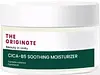 Key Ingredients
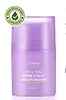
Benefits
Concerns
Ingredients Side-by-side
Centella Asiatica Leaf Extract
Skin Conditioning



Glycerin
Humectant

Butylene Glycol
Humectant
Water
Skin Conditioning1,2-Hexanediol
Skin Conditioning
Hydroxyacetophenone
Antioxidant
Acrylates/C10-30 Alkyl Acrylate Crosspolymer
Emulsion StabilisingTriethanolamine
BufferingDiglycerin
Humectant
Panthenol
Skin Conditioning
Propanediol
Solvent
Paeonia Suffruticosa Root Extract
Skin ProtectingAllantoin
Skin Conditioning
Adenosine
Skin Conditioning
Tremella Fuciformis Polysaccharide
Emulsion Stabilising
Glycyrrhiza Uralensis Root Extract
Skin Conditioning
Portulaca Oleracea Flower/Leaf/Stem Extract
Antioxidant
Paeonia Lactiflora Extract
AstringentChrysanthemum Parthenium Extract
Skin ConditioningCamellia Sinensis Extract
Antioxidant
Propylene Glycol
Humectant

Dianthus Chinensis Extract
HumectantPentylene Glycol
Skin Conditioning
Artemisia Argyi Leaf Extract
Skin ConditioningGlucose
Humectant
Centella Asiatica Extract
Cleansing
Sodium Hyaluronate
Humectant
Caprylhydroxamic Acid
Maltodextrin
Absorbent
Phenoxyethanol
Preservative
Caprylic/Capric Triglyceride
Masking
PEG-40 Hydrogenated Castor Oil
Emulsifying

Lecithin
Emollient
Magnolol
Antioxidant
Madecassoside
Antioxidant
Hydrogenated Lecithin
Emulsifying
Ethylhexylglycerin
Skin ConditioningAsiaticoside
Antioxidant
Hexylene Glycol
EmulsifyingStearic Acid
Cleansing
Cholesterol
Emollient
Ceramide NP
Skin Conditioning
Bisabolol
Antioxidant
Houttuynia Cordata Extract
Skin Conditioning
Centella Asiatica Leaf Extract, Glycerin, Butylene Glycol, Water, 1,2-Hexanediol, Hydroxyacetophenone, Acrylates/C10-30 Alkyl Acrylate Crosspolymer, Triethanolamine, Diglycerin, Panthenol, Propanediol, Paeonia Suffruticosa Root Extract, Allantoin, Adenosine, Tremella Fuciformis Polysaccharide, Glycyrrhiza Uralensis Root Extract, Portulaca Oleracea Flower/Leaf/Stem Extract, Paeonia Lactiflora Extract, Chrysanthemum Parthenium Extract, Camellia Sinensis Extract, Propylene Glycol, Dianthus Chinensis Extract, Pentylene Glycol, Artemisia Argyi Leaf Extract, Glucose, Centella Asiatica Extract, Sodium Hyaluronate, Caprylhydroxamic Acid, Maltodextrin, Phenoxyethanol, Caprylic/Capric Triglyceride, PEG-40 Hydrogenated Castor Oil, Lecithin, Magnolol, Madecassoside, Hydrogenated Lecithin, Ethylhexylglycerin, Asiaticoside, Hexylene Glycol, Stearic Acid, Cholesterol, Ceramide NP, Bisabolol, Houttuynia Cordata Extract
Water
Skin ConditioningGlycerin
Humectant
Cyclopentasiloxane
Emollient
Butylene Glycol
Humectant
Garcinia Mangostana Peel Extract
Skin ConditioningIsononyl Isononanoate
EmollientCentella Asiatica Leaf Extract
Skin Conditioning
Propylene Glycol
Humectant
Polyacrylamide
Salix Alba Bark Extract
Astringent

4-Terpineol
Masking
Succinic Acid
BufferingMadecassoside
Antioxidant
Salicylic Acid
Masking


Triethanolamine
BufferingCetearyl Alcohol
Emollient

Cetyl Alcohol
Emollient
Glyceryl Stearate
Emollient
Methylpropanediol
SolventPEG-40 Stearate
Emulsifying
Ceteareth-20
CleansingXanthan Gum
EmulsifyingTetrasodium EDTA
Citric Acid
Buffering
PEG-40 Hydrogenated Castor Oil
Emulsifying
Phenoxyethanol
Preservative
Potassium Sorbate
Preservative
Sodium Benzoate
Masking
Water, Glycerin, Cyclopentasiloxane, Butylene Glycol, Garcinia Mangostana Peel Extract, Isononyl Isononanoate, Centella Asiatica Leaf Extract, Propylene Glycol, Polyacrylamide, Salix Alba Bark Extract, 4-Terpineol, Succinic Acid, Madecassoside, Salicylic Acid, Triethanolamine, Cetearyl Alcohol, Cetyl Alcohol, Glyceryl Stearate, Methylpropanediol, PEG-40 Stearate, Ceteareth-20, Xanthan Gum, Tetrasodium EDTA, Citric Acid, PEG-40 Hydrogenated Castor Oil, Phenoxyethanol, Potassium Sorbate, Sodium Benzoate
Reviews
Ingredients Explained
These ingredients are found in both products.
Ingredients higher up in an ingredient list are typically present in a larger amount.
Butylene Glycol (or BG) is used within cosmetic products for a few different reasons:
Overall, Butylene Glycol is a safe and well-rounded ingredient that works well with other ingredients.
Though this ingredient works well with most skin types, some people with sensitive skin may experience a reaction such as allergic rashes, closed comedones, or itchiness.
Learn more about Butylene GlycolCentella Asiatica Leaf Extract comes from the leaves of an herb plant native to Southeast Asia. Centella Asiatica is rich in antioxidants and amino acids. It can help reduce irritation and soothe the skin.
Many active components found in centella asiatica, such as Madecassic Acid and Asiaticoside, encourage the skin to naturally produce hyaluronic acid. This helps keep our skin hydrated. Many of these components also show antioxidant activity and may help reduce the signs of aging.
Research shows centella asiatica can help increase Type I collagen production by increasing fibroblast production. Fibroblast helps form connective tissue.
The combination of all these properties makes centella asiatica leaf extract effective at soothing the skin.
Other components of centella asiatica leaf extract include Vitamin A, vitamin C, several B vitamins, and Asiatic Acid.
Recent studies found madecassoside may help prevent damage from UV rays by preventing UV-induced inflammation. Further research is needed.
This plant has been used as a medicine and in food for many centuries. As a medicine, it is used to treat burns, scratches, and wounds.
Learn more about Centella Asiatica Leaf ExtractGlycerin (or glycerol) is a compound naturally found in your skin. It's a powerhouse humectant that pulls water into the stratum corneum.
Topically, glycerin does several things at once:
Your skin makes glycerin on its own (mostly from sebaceous oil breakdown) and shuttles it to your outermost layer of skin, or your epidermis, via aquaporin-3.
Aquaporin-3 is a transporter that is essential for normal skin hydration, elasticity, and repair. Interestingly, mice lacking in AQP3 have dry and less elastic skin that can be fully corrected with glycerin.
This ingredient is non-irritating, plays well with almost every ingredient, and works across all skin types. Typical use is anywhere between 3-10% but can go up to 79% in some leave-on products.
Just know very high concentrations (>40%) can feel tacky in low humidity.
Glycerin is the name for this ingredient in American English. British English uses Glycerol/Glycerine.
Learn more about GlycerinMadecassoside is one of four active compounds found in Centella asiatica and is one of the main reasons Centella is so effective at calming irritated skin and supporting the moisture barrier.
There's a solid body of peer-reviewed research backing Madecassoside for several skin benefits. Studies have found:
Madecassoside pairs well with other hydrating or antioxidant ingredients like Ascorbic Acid or Hyaluronic Acid.
Learn more about MadecassosidePEG-40 Hydrogenated Castor Oil is an emulsifier derived from castor oil.
As an emulsifying agent, it helps other ingredients like fragrances and fat-soluble vitamins dissolve cohesively.
Due to its large molecule size, it doesn't penetrate beyond the skin's surface.
This ingredient has a solid regulatory track record; the CIR Expert Panel first concluded it was safe for use in cosmetics at concentrations up to 100% in 1997. A 2012 reassessment reaffirmed that finding. Safety studies have also found no irritation or evidence of toxicity.
A 2019 study did find this ingredient to grow Malassezia, so this ingredient may not be fungal acne safe.
Learn more about PEG-40 Hydrogenated Castor OilPhenoxyethanol is one of the most widely used preservatives in skincare (and for good reason!).
It has a large spectrum of antimicrobial activity and especially effective bacteria, yeast, and mold while only having a weak effect on your skin's natural microbiome.
On a cellular level, it disrupts the cell membranes of microbes by poking holes that make the cell leak. This shuts down the chemical reactions the microbe needs to make energy so it can no longer survive.
Another perk of this ingredient is that it stays functional across a wide pH range (3-10).
You'll often see it paired with boosters like Ethylhexylglycerin; one study showed that a 1:9 ratio of Ethylhexylglycerin to Phenoxyethanol damages bacterial membranes as effectively as doubling the Phenoxyethanol concentration on its own.
Typical use concentrations range from 0.3-1% depending on the formula, and this ingredient is capped at 1% int the EU.
Safety-wise, the fear mongering does not hold up to the evidence. The EU's Scientific Committee on Consumer Safety and FDA consider it safe as a preservative at up to 1%, including for children of all ages.
Adverse systemic effects only showed up in animal studies at exposures roughly 200x higher than what people get from cosmetics. And despite its very widespread use, this ingredient is a rare sensitizer and allergic reactions are uncommon.
Learn more about PhenoxyethanolPropylene Glycol is a synthetic, colorless, odorless liquid that has been a staple in cosmetics for decades. It is a skin conditioning agent, humectant, and solvent.
As a humectant, it draw water to the skin to reduce flaking and restore suppleness. It's also a solvent that helps dissolve other actives and keeps formulas stable across temperature changes.
The CIR Expert Panel has confirmed this ingredient to be nontoxic and clinical studies show no sensitization at cosmetic use concentrations.
True allergic reactions are quite rare: a 15-year retrospective study of 6,751 patients found only 0.31% had a positive reaction (and less than half were considered clinically relevant).
It seemed that when sensitization does occur, it's most commonly linked to topical medication (like corticosteroids) and not cosmetics. Allergic contact dermatitis also appears largely limited to individuals with underlying skin conditions.
Overall, propylene glycol is a well-studied ingredient that most people can tolerate without issue.
Learn more about Propylene GlycolTriethanolamine (TEA) is an emulsifier and pH adjuster. It is created using ethylene oxide and ammonia. This gives Triethanolamine a nitrogen core and a similar scent to ammonia.
As an emulsifier, it prevents ingredients from separating and enhances texture by adding volume to a product.
PH adjusters are common in cosmetic products. The pH of a product can affect the effectiveness of other ingredients. A product with a high pH may also irritate the skin.
If you are looking for the tea leaf ingredient, click here.
Learn more about TriethanolamineWater. It's the most common cosmetic ingredient of all. You'll usually see it at the top of ingredient lists, meaning that it makes up the largest part of the product.
So why is it so popular? Water most often acts as a solvent - this means that it helps dissolve other ingredients into the formulation.
You'll also recognize water as that liquid we all need to stay alive. If you see this, drink a glass of water. Remember to stay hydrated!
Learn more about Water

