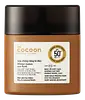
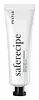
The Cocoon Vietnam Winter Melon Sun Fluid SPF 50+ PA++++ Versus Pestlo Saferecipe Sun Essence SPF50+ PA++++
This hybrid sunscreen covers the full UV range and blocks ~98% of UVB at SPF 50.
This mineral sunscreen covers the full UV range and blocks ~98% of UVB at SPF 50.


What's inside
What's inside
 Key Ingredients
Benefits
Concerns
Ingredients Side-by-side
Water
Skin ConditioningTriethyl Citrate
Masking

Cyclopentasiloxane
Emollient
Dibutyl Adipate
EmollientIsododecane
EmollientButyloctyl Salicylate
Skin Conditioning

Ethylhexyl Methoxycrylene
Skin Conditioning
Diethylamino Hydroxybenzoyl Hexyl Benzoate
UV Filter
Silica
Abrasive


Methylene Bis-Benzotriazolyl Tetramethylbutylphenol
UV Filter
Disodium Phenyl Dibenzimidazole Tetrasulfonate
UV Absorber
Bis-Ethylhexyloxyphenol Methoxyphenyl Triazine
UV Absorber
Butyl Methoxydibenzoylmethane
UV Absorber
Methyl Methacrylate Crosspolymer
Dimethicone
Emollient
Tris-Biphenyl Triazine
UV Absorber
Sodium Potassium Aluminum Silicate
Trimethylsiloxysilicate
Emollient
Ethylhexyl Triazone
UV Absorber
1,2-Hexanediol
Skin Conditioning
Propanediol
Solvent
Acetyl Zingerone
Antioxidant
Melanin
Skin ProtectingBenincasa Cerifera Fruit Extract
Skin ConditioningHdi/Trimethylol Hexyllactone Crosspolymer
Polypropylsilsesquioxane
Butylene Glycol
Humectant
Propylene Glycol
Humectant

Tocopheryl Acetate
Antioxidant

Caprylic/Capric Triglyceride
Masking
Hydroxymethoxyphenyl Decanone
Skin ConditioningXanthan Gum
EmulsifyingTitanium Dioxide
Cosmetic Colorant
Dextrin Palmitate
Emulsifying
Polyhydroxystearic Acid
Emulsifying
C13-15 Alkane
SolventDisteardimonium Hectorite
StabilisingPolyglyceryl-3 Polyricinoleate
Emulsifying
PEG-Crosspolymer
Decyl Glucoside
Cleansing
Disodium Phosphate
BufferingCetyl Alcohol
Emollient
Hydroxyacetophenone
Antioxidant
Trisodium Ethylenediamine Disuccinate
ChelatingTromethamine
BufferingCitric Acid
Buffering
Water, Triethyl Citrate, Cyclopentasiloxane, Dibutyl Adipate, Isododecane, Butyloctyl Salicylate, Ethylhexyl Methoxycrylene, Diethylamino Hydroxybenzoyl Hexyl Benzoate, Silica, Methylene Bis-Benzotriazolyl Tetramethylbutylphenol, Disodium Phenyl Dibenzimidazole Tetrasulfonate, Bis-Ethylhexyloxyphenol Methoxyphenyl Triazine, Butyl Methoxydibenzoylmethane, Methyl Methacrylate Crosspolymer, Dimethicone, Tris-Biphenyl Triazine, Sodium Potassium Aluminum Silicate, Trimethylsiloxysilicate, Ethylhexyl Triazone, 1,2-Hexanediol, Propanediol, Acetyl Zingerone, Melanin, Benincasa Cerifera Fruit Extract, Hdi/Trimethylol Hexyllactone Crosspolymer, Polypropylsilsesquioxane, Butylene Glycol, Propylene Glycol, Tocopheryl Acetate, Caprylic/Capric Triglyceride, Hydroxymethoxyphenyl Decanone, Xanthan Gum, Titanium Dioxide, Dextrin Palmitate, Polyhydroxystearic Acid, C13-15 Alkane, Disteardimonium Hectorite, Polyglyceryl-3 Polyricinoleate, PEG-Crosspolymer, Decyl Glucoside, Disodium Phosphate, Cetyl Alcohol, Hydroxyacetophenone, Trisodium Ethylenediamine Disuccinate, Tromethamine, Citric Acid
Water
Skin ConditioningCyclomethicone
Emollient
Zinc Oxide
Cosmetic Colorant
Propanediol
Solvent
CI 77891
Cosmetic ColorantDicaprylyl Carbonate
EmollientPolyglyceryl-3 Polydimethylsiloxyethyl Dimethicone
Skin Conditioning
Caprylyl Methicone
Skin Conditioning
Cetyl Ethylhexanoate
Emollient1,2-Hexanediol
Skin Conditioning
Disteardimonium Hectorite
StabilisingMagnesium Sulfate
Salvia Hispanica Seed Extract
Emollient
Centella Asiatica Extract
Cleansing


Houttuynia Cordata Extract
Skin Conditioning
C30-45 Alkyl Cetearyl Dimethicone Crosspolymer
Emollient
Hydrogen Dimethicone
Aluminum Hydroxide
EmollientPolyglyceryl-2 Dipolyhydroxystearate
Skin Conditioning
Styrene/Acrylates Copolymer
Stearic Acid
Cleansing
Fructooligosaccharides
Humectant
Saccharide Hydrolysate
HumectantRosmarinus Officinalis Leaf Oil
Masking
Pullulan
Pentylene Glycol
Skin Conditioning
Ethylhexylglycerin
Skin ConditioningOctyldodecanol
Emollient
Panthenol
Skin Conditioning
Echium Plantagineum Seed Oil
Skin Conditioning
Cardiospermum Halicacabum Flower/Leaf/Vine Extract
Skin ConditioningHelianthus Annuus Seed Oil Unsaponifiables
Emollient
Butylene Glycol
Humectant
Dibutyl Adipate
EmollientCaprylic/Capric Triglyceride
Masking
Undecane
EmollientTridecane
Perfuming
Tocopherol
Antioxidant
Phosphatidylcholine
EmulsifyingDimethicone Crosspolymer
Emulsion Stabilising
Phenyl Trimethicone
Skin Conditioning
Pinus Pinaster Bark Extract
Antioxidant
Ceramide NP
Skin Conditioning
Glycine
Buffering
Glutamic Acid
Humectant
Serine
Masking
Lysine
Skin ConditioningAlanine
Masking
Arginine
Masking
Threonine
Proline
Skin Conditioning
Helianthus Annuus Seed Oil
Emollient
Water, Cyclomethicone, Zinc Oxide, Propanediol, CI 77891, Dicaprylyl Carbonate, Polyglyceryl-3 Polydimethylsiloxyethyl Dimethicone, Caprylyl Methicone, Cetyl Ethylhexanoate, 1,2-Hexanediol, Disteardimonium Hectorite, Magnesium Sulfate, Salvia Hispanica Seed Extract, Centella Asiatica Extract, Houttuynia Cordata Extract, C30-45 Alkyl Cetearyl Dimethicone Crosspolymer, Hydrogen Dimethicone, Aluminum Hydroxide, Polyglyceryl-2 Dipolyhydroxystearate, Styrene/Acrylates Copolymer, Stearic Acid, Fructooligosaccharides, Saccharide Hydrolysate, Rosmarinus Officinalis Leaf Oil, Pullulan, Pentylene Glycol, Ethylhexylglycerin, Octyldodecanol, Panthenol, Echium Plantagineum Seed Oil, Cardiospermum Halicacabum Flower/Leaf/Vine Extract, Helianthus Annuus Seed Oil Unsaponifiables, Butylene Glycol, Dibutyl Adipate, Caprylic/Capric Triglyceride, Undecane, Tridecane, Tocopherol, Phosphatidylcholine, Dimethicone Crosspolymer, Phenyl Trimethicone, Pinus Pinaster Bark Extract, Ceramide NP, Glycine, Glutamic Acid, Serine, Lysine, Alanine, Arginine, Threonine, Proline, Helianthus Annuus Seed Oil
Reviews
Ingredients Explained
These ingredients are found in both products.
Ingredients higher up in an ingredient list are typically present in a larger amount.
1,2-Hexanediol is a synthetic liquid and another multi-functional powerhouse.
It is a:
- Humectant, drawing moisture into the skin
- Emollient, helping to soften skin
- Solvent, dispersing and stabilizing formulas
- Preservative booster, enhancing the antimicrobial activity of other preservatives
Butylene Glycol (or BG) is used within cosmetic products for a few different reasons:
Overall, Butylene Glycol is a safe and well-rounded ingredient that works well with other ingredients.
Though this ingredient works well with most skin types, some people with sensitive skin may experience a reaction such as allergic rashes, closed comedones, or itchiness.
Learn more about Butylene GlycolCaprylic/Capric Triglyceride (aka MCT Oil) is a lightweight emollient, solvent, and texture enhancer. It is considered a skin-softener by helping to prevent moisture loss.
Though it behaves like an oil, it is not technically one due to its chemical composition. One perk of this ingredient is that it is very stable, resistant to oxidation, and unlikely to go rancid.
In practice, that translates to a long shelf life and a consistently elegant skin feel.
While there is an assumption Caprylic Triglyceride can clog pores due to it being derived from coconut oil, there is no research supporting this. Just patch test if you have concerns.
Fractionated coconut oil and MCT Oil are both listed as Caprylic/Capric Triglyceride according to INCI. This is because INCI names are based on the ingredient’s final chemical composition and not its marketing name or source.
This ingredient is treated as the gold standard fungal acne safe oil. Even though it is coconut derived, the problematic lauric acid is stripped out.
This leaves just caprylic (C8) and capric (C10) acid. These chain lengths actually trend antifungal; a 2020 study found caprylic acid was enough to disrupt Malassezia furfur cell membrane, with a caprylic acid derivative damaging membrane structures at concentrations as low as 0.2%.
Learn more about Caprylic/Capric TriglycerideDibutyl Adipate is a lightweight, oil-soluble ester that acts as an emollient and solvent. It helps products spread more easily and leaves a soft, silky, dry-touch finish without being greasy.
You'll likely see this ingredient in sunscreens because it does a nice job dissolving UV filters and keeping them evenly distributed.
This ingredient has been found to be safe as used in cosmetics, wasn't a skin or eye irritant in clinical patch testing, and wasn't phototoxic.
In a clinical comedogenicity test, this ingredient tested negative so it isn't likely to clog pores.
Typical use levels are about 5-8% for sunscreens + nail products, but can range from 0.005%-8% depending on the product.
Learn more about Dibutyl AdipateDisteardimonium Hectorite comes from the clay mineral named hectorite. It is used to add thickness to a product.
It can also help stabilize a product by helping to disperse other ingredients.
Hectorite is a rare, white clay mineral.
Learn more about Disteardimonium HectoritePropanediol is an all-star ingredient. It softens, hydrates, and smooths the skin.
It’s often used to:
Propanediol is not likely to cause sensitivity and considered safe to use. It is derived from corn or petroleum with a clear color and no scent.
Learn more about PropanediolWater. It's the most common cosmetic ingredient of all. You'll usually see it at the top of ingredient lists, meaning that it makes up the largest part of the product.
So why is it so popular? Water most often acts as a solvent - this means that it helps dissolve other ingredients into the formulation.
You'll also recognize water as that liquid we all need to stay alive. If you see this, drink a glass of water. Remember to stay hydrated!
Learn more about Water

