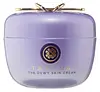
This barrier-repair moisturizer is formulated around Saccharomyces/Rice Ferment Filtrate and Squalane to strengthen the skin barrier and hydrate skin.
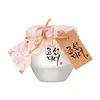
This barrier-repair moisturizer is formulated around Niacinamide and Adenosine to strengthen the skin barrier and hydrate skin.


What's inside
What's inside
 Key Ingredients
Benefits
Concerns
Ingredients Side-by-side
Water
Skin ConditioningSaccharomyces/Rice Ferment Filtrate
Skin Conditioning


Glycerin
Humectant

Propanediol
Solvent
Dimethicone
Emollient
Squalane
Emollient
Diisostearyl Malate
EmollientBehenyl Alcohol
Emollient
Myristyl Myristate
Emollient


Dipentaerythrityl Hexahydroxystearate
EmulsifyingBis-Diglyceryl Polyacyladipate-2
Emollient
Tridecyl Trimellitate
EmollientInositol
Humectant
Sorbitan Tristearate
EmulsifyingBeheneth-20
EmulsifyingCamellia Sinensis Leaf Extract
Antimicrobial





Cladosiphon Okamuranus Extract
Skin Conditioning
Chondrus Crispus Extract
Skin Conditioning
Betaphycus Gelatinum Extract
BleachingOryza Sativa Bran Extract
Skin Conditioning
Panax Ginseng Root Extract
Emollient
Origanum Majorana Leaf Extract
AntiseborrhoeicThymus Serpyllum Extract
Skin ConditioningMalva Sylvestris Flower Extract
Skin ConditioningSodium Hyaluronate
Humectant
Gold
Cosmetic ColorantSericin
Skin ConditioningPhytosteryl Macadamiate
Skin Conditioning
Tocopherol
Antioxidant

Hydroxyethyl Acrylate/Sodium Acryloyldimethyl Taurate Copolymer
Emulsion StabilisingSorbitan Isostearate
Emulsifying
Polysorbate 60
Emulsifying
Butylene Glycol
Humectant
Dimethicone/Vinyl Dimethicone Crosspolymer
Skin Conditioning
Sodium Benzoate
Masking
Gluconolactone
Chelating


Ethylhexylglycerin
Skin ConditioningParfum
Masking


Alcohol
Antimicrobial

Phenoxyethanol
Preservative
Citral
Perfuming
Limonene
Perfuming
Linalool
Perfuming
Mica
Cosmetic ColorantTin Oxide
Abrasive
CI 77891
Cosmetic ColorantCI 60725
Cosmetic ColorantWater, Saccharomyces/Rice Ferment Filtrate, Glycerin, Propanediol, Dimethicone, Squalane, Diisostearyl Malate, Behenyl Alcohol, Myristyl Myristate, Dipentaerythrityl Hexahydroxystearate, Bis-Diglyceryl Polyacyladipate-2, Tridecyl Trimellitate, Inositol, Sorbitan Tristearate, Beheneth-20, Camellia Sinensis Leaf Extract, Cladosiphon Okamuranus Extract, Chondrus Crispus Extract, Betaphycus Gelatinum Extract, Oryza Sativa Bran Extract, Panax Ginseng Root Extract, Origanum Majorana Leaf Extract, Thymus Serpyllum Extract, Malva Sylvestris Flower Extract, Sodium Hyaluronate, Gold, Sericin, Phytosteryl Macadamiate, Tocopherol, Hydroxyethyl Acrylate/Sodium Acryloyldimethyl Taurate Copolymer, Sorbitan Isostearate, Polysorbate 60, Butylene Glycol, Dimethicone/Vinyl Dimethicone Crosspolymer, Sodium Benzoate, Gluconolactone, Ethylhexylglycerin, Parfum, Alcohol, Phenoxyethanol, Citral, Limonene, Linalool, Mica, Tin Oxide, CI 77891, CI 60725
Water
Skin ConditioningGlycerin
Humectant
Butylene Glycol
Humectant
Niacinamide
Smoothing
Dipentaerythrityl Hexa C5-9 Acid Esters
Skin ConditioningSodium Hyaluronate
Humectant
Xanthan Gum
EmulsifyingCyclopentasiloxane
Emollient
Cyclohexasiloxane
Emollient
Polyacrylate-13
Polyisobutene
Polysorbate 20
Emulsifying
Hydrogenated Lecithin
Emulsifying
C14-28 Alkyl Acid
Stearyl Alcohol
Emollient
Behenyl Alcohol
Emollient
Dimethicone/Vinyl Dimethicone Crosspolymer
Skin Conditioning
Dimethicone
Emollient
Adenosine
Skin Conditioning
Glyceryl Stearate Se
Emulsifying
Cetearyl Alcohol
Emollient
Polyglyceryl-3 Methylglucose Distearate
Emulsifying
Cetyl PEG/PPG-10/1 Dimethicone
Emulsifying
Stearic Acid
Cleansing
Tocopheryl Acetate
Antioxidant
Sodium Polyacrylate
Absorbent
Olea Europaea Fruit Oil
Masking
Helianthus Annuus Seed Oil
Emollient
Centella Asiatica Extract
Cleansing
Hippophae Rhamnoides Oil
Emollient
Argania Spinosa Kernel Oil
Emollient
Butyrospermum Parkii Butter
Skin Conditioning
Ceramide NP
Skin Conditioning
Trehalose
Humectant
Calendula Officinalis Flower Extract
Masking
Caprylhydroxamic Acid
Chelating1,2-Hexanediol
Skin Conditioning
Raphanus Sativus Leaf Extract
HumectantOryza Sativa Bran Extract
Skin Conditioning
Cucurbitaceae Extract
Skin ConditioningOrchid Extract
Skin ConditioningHoney Extract
Humectant
Panax Ginseng Root Extract
Emollient
Carthamus Tinctorius Seed Oil
Masking
Phytosphingosine
Skin Conditioning
Ceteareth-20
Cleansing
Glyceryl Citrate/Lactate/Linoleate/Oleate
Emulsifying
Parfum
Masking
Water, Glycerin, Butylene Glycol, Niacinamide, Dipentaerythrityl Hexa C5-9 Acid Esters, Sodium Hyaluronate, Xanthan Gum, Cyclopentasiloxane, Cyclohexasiloxane, Polyacrylate-13, Polyisobutene, Polysorbate 20, Hydrogenated Lecithin, C14-28 Alkyl Acid, Stearyl Alcohol, Behenyl Alcohol, Dimethicone/Vinyl Dimethicone Crosspolymer, Dimethicone, Adenosine, Glyceryl Stearate Se, Cetearyl Alcohol, Polyglyceryl-3 Methylglucose Distearate, Cetyl PEG/PPG-10/1 Dimethicone, Stearic Acid, Tocopheryl Acetate, Sodium Polyacrylate, Olea Europaea Fruit Oil, Helianthus Annuus Seed Oil, Centella Asiatica Extract, Hippophae Rhamnoides Oil, Argania Spinosa Kernel Oil, Butyrospermum Parkii Butter, Ceramide NP, Trehalose, Calendula Officinalis Flower Extract, Caprylhydroxamic Acid, 1,2-Hexanediol, Raphanus Sativus Leaf Extract, Oryza Sativa Bran Extract, Cucurbitaceae Extract, Orchid Extract, Honey Extract, Panax Ginseng Root Extract, Carthamus Tinctorius Seed Oil, Phytosphingosine, Ceteareth-20, Glyceryl Citrate/Lactate/Linoleate/Oleate, Parfum
Reviews
Alternatives
Ingredients Explained
These ingredients are found in both products.
Ingredients higher up in an ingredient list are typically present in a larger amount.
Behenyl Alcohol is a type of fatty alcohol (these are different from the drying, solvent alcohols).
Fatty Alcohols have hydrating properties and are most often used as an emollient or to thicken a product. They are usually derived from natural fats and oils; behenyl alcohol is derived from the fats of vegetable oils.
Emollients help keep your skin soft and hydrated by creating a film that traps moisture in.
In 2000, Behenyl Alcohol was approved by the US as medicine to reduce the duration of cold sores.
Learn more about Behenyl AlcoholButylene Glycol (or BG) is used within cosmetic products for a few different reasons:
Overall, Butylene Glycol is a safe and well-rounded ingredient that works well with other ingredients.
Though this ingredient works well with most skin types, some people with sensitive skin may experience a reaction such as allergic rashes, closed comedones, or itchiness.
Learn more about Butylene GlycolDimethicone is a type of synthetic silicone created from natural materials such as quartz. It is also known as polydimethylsiloxane.
What it does:
Dimethicone comes in different viscosities:
Depending on the viscosity, dimethicone has different properties.
Ingredients lists don't always show which type is used, so we recommend reaching out to the brand if you have questions about the viscosity.
This ingredient is unlikely to cause irritation because it does not get absorbed into skin. However, people with silicone allergies should be careful about using this ingredient.
Note: Dimethicone may contribute to pilling. This is because it is not oil or water soluble, so pilling may occur when layered with products. When mixed with heavy oils in a formula, the outcome is also quite greasy.
Learn more about DimethiconeThis ingredient is a silicone elastomer that works as a texture enhancer, adds a silky slip, and also helps absorb excess oil.
Because it's a large macromolecule that's insoluble in water and chemically inert, it's not expected to penetrate or be absorbed into skin.
Human patch tests with a facial lotion containing 1% of this ingredient found no sensitization.
Learn more about Dimethicone/Vinyl Dimethicone CrosspolymerGlycerin (or glycerol) is a compound naturally found in your skin. It's a powerhouse humectant that pulls water into the stratum corneum.
Topically, glycerin does several things at once:
Your skin makes glycerin on its own (mostly from sebaceous oil breakdown) and shuttles it to your outermost layer of skin, or your epidermis, via aquaporin-3.
Aquaporin-3 is a transporter that is essential for normal skin hydration, elasticity, and repair. Interestingly, mice lacking in AQP3 have dry and less elastic skin that can be fully corrected with glycerin.
This ingredient is non-irritating, plays well with almost every ingredient, and works across all skin types. Typical use is anywhere between 3-10% but can go up to 79% in some leave-on products.
Just know very high concentrations (>40%) can feel tacky in low humidity.
Glycerin is the name for this ingredient in American English. British English uses Glycerol/Glycerine.
Learn more about GlycerinOryza Sativa Bran Extract comes from the outer layer of a rice kernel. It is a byproduct of milling rice, or the operation to produce a whole grain rice product.
This ingredient has moisturizing properties due to its components of polysaccharides and omega-3 fatty acids. It also contains calcium, selenium, phosphorus, iron, and zinc.
Oryza Sativa Bran Extract contains numerous antioxidants such as ferulic acid. Antioxidants help fight free-radical molecules. Free-radical molecules are capable of damaging our cells and other genetic material.
Learn more about Oryza Sativa Bran ExtractGinseng root is a well-loved ingredient in Asian skincare for good reason. It hydrates the skin, soothes irritation, and helps even out skin tone.
In traditional East Asian medicine, ginseng has been used for centuries both as food and as a healing remedy, and modern research continues to confirm its skin benefits.
One of the standout features of ginseng is its ability to improve blood circulation and oxygen delivery to the skin, bringing a fresh supply of nutrients to support overall skin health. It also has antioxidant and anti-inflammatory properties. This helps to protect your skin against damage from UV exposure, pollution, and daily stress.
Additionally, studies suggest that ginseng may help reduce hyperpigmentation by inhibiting tyrosinase, the enzyme involved in melanin production.
There are different types of ginseng used in skincare, and while they all share core benefits, their potency can vary.
Most products use fresh or white ginseng because it’s more affordable. However, red ginseng, produced by steaming the root, contains higher levels of ginsenosides, which are compounds with proven anti-aging effects. These ginsenosides help reduce the appearance of wrinkles and improve skin elasticity.
Note: All forms of ginseng are listed simply as “Panax ginseng” in ingredient lists. We recommend reaching out to the brand if you have questions about which type of ginseng is used in their ingredients.
For general antioxidant benefits, any ginseng extract will do, but for wrinkle care or firmer skin, red or fermented ginseng is often more effective.
In short, ginseng is a powerhouse ingredient that supports hydration, radiance, and resilience.
Learn more about Panax Ginseng Root ExtractParfum is a catch-all term for an ingredient or more that is used to give a scent to products.
Also called "fragrance", this ingredient can be a blend of hundreds of chemicals or plant oils. This means every product with "fragrance" or "parfum" in the ingredients list is a different mixture.
For instance, Habanolide is a proprietary trade name for a specific aroma chemical. When used as a fragrance ingredient in cosmetics, most aroma chemicals fall under the broad labeling category of “FRAGRANCE” or “PARFUM” according to EU and US regulations.
The term 'parfum' or 'fragrance' is not regulated in many countries. In many cases, it is up to the brand to define this term.
For instance, many brands choose to label themselves as "fragrance-free" because they are not using synthetic fragrances. However, their products may still contain ingredients such as essential oils that are considered a fragrance by INCI standards.
One example is Calendula flower extract. Calendula is an essential oil that still imparts a scent or 'fragrance'.
Depending on the blend, the ingredients in the mixture can cause allergies and sensitivities on the skin. Some ingredients that are known EU allergens include linalool and citronellol.
Parfum can also be used to mask or cover an unpleasant scent.
The bottom line is: not all fragrances/parfum/ingredients are created equally. If you are worried about fragrances, we recommend taking a closer look at an ingredient. And of course, we always recommend speaking with a professional.
Learn more about ParfumSodium Hyaluronate is the salt form of hyaluronic acid. It is a long sugar chain that is naturally found in your skin, joints, and connective tissue that maintains hydration and elasticity.
In skincare, it works as a humectant. It pulls water from the environment and deeper layers of skin and binds it to the surface.
Interestingly, the size of the molecule affects its behavior:
Some clinical evidence links low molecular weight versions to improved wrinkle depth, elasticity, anti-inflammatory effects, and barrier repair.
Many serums use a blend of both weights so you can get surface hydration plus longer-lasting and deeper effects.
You'll typically see concentrations between 0.1-2% for this ingredient.
Learn more about Sodium HyaluronateWater. It's the most common cosmetic ingredient of all. You'll usually see it at the top of ingredient lists, meaning that it makes up the largest part of the product.
So why is it so popular? Water most often acts as a solvent - this means that it helps dissolve other ingredients into the formulation.
You'll also recognize water as that liquid we all need to stay alive. If you see this, drink a glass of water. Remember to stay hydrated!
Learn more about Water

