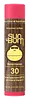
This calming lip moisturizer is formulated around Aloe Barbadensis Leaf Extract and Argania Spinosa Kernel Oil to calm redness and hydrate lips.
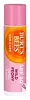
This barrier-repair lip moisturizer is formulated around Prunus Amygdalus Dulcis Oil and Simmondsia Chinensis Seed Oil to strengthen the lip barrier and hydrate lips.

What's inside
What's inside
 Key Ingredients
Benefits
Concerns
Ingredients Side-by-side
Butyl Methoxydibenzoylmethane 3%
UV Absorber
Homosalate 10%
Skin Conditioning
Ethylhexyl Salicylate 5%
UV Absorber
Octocrylene 8%
UV Absorber

Aloe Barbadensis Leaf Extract
Emollient


Argania Spinosa Kernel Oil
Emollient





Bisabolol
Antioxidant

Camellia Sinensis Leaf Extract
Antimicrobial


Caprylic/Capric Triglyceride
Masking
Calendula Officinalis Flower Extract
Masking
Cetyl Alcohol
Emollient
Citrus Grandis Fruit Extract
Astringent
Citrus Limon Peel Extract
EmollientCucumis Sativus Fruit Extract
Emollient
Diisobutyl Adipate
EmollientEquisetum Arvense Extract
AstringentEthylhexyl Palmitate
Emollient

Parfum
Masking
Ginkgo Biloba Leaf Extract
Skin Conditioning
Hydrogenated Ethylhexyl Olivate
EmollientHydrogenated Olive Oil Unsaponifiables
Emollient
Isostearyl Linoleate
EmollientMacrocystis Pyrifera Extract
Skin Conditioning
Paraffinum Liquidum
Emollient
Ozokerite
Emulsion StabilisingPanax Ginseng Root Extract
Emollient
PEG-8
HumectantPolysorbate 80
Emulsifying
Propylene Glycol
Humectant
Punica Granatum Extract
AstringentRosmarinus Officinalis Extract
AntimicrobialSaccharin
MaskingSalix Alba Bark Extract
Astringent
Salvia Officinalis Extract
Antimicrobial
Silica
Abrasive
Theobroma Cacao Seed Butter
Emollient
Tocopheryl Acetate
Antioxidant
Tocopheryl Linoleate/Oleate
Antioxidant
Water
Skin ConditioningButyl Methoxydibenzoylmethane 3%, Homosalate 10%, Ethylhexyl Salicylate 5%, Octocrylene 8%, Aloe Barbadensis Leaf Extract, Argania Spinosa Kernel Oil, Bisabolol, Camellia Sinensis Leaf Extract, Caprylic/Capric Triglyceride, Calendula Officinalis Flower Extract, Cetyl Alcohol, Citrus Grandis Fruit Extract, Citrus Limon Peel Extract, Cucumis Sativus Fruit Extract, Diisobutyl Adipate, Equisetum Arvense Extract, Ethylhexyl Palmitate, Parfum, Ginkgo Biloba Leaf Extract, Hydrogenated Ethylhexyl Olivate, Hydrogenated Olive Oil Unsaponifiables, Isostearyl Linoleate, Macrocystis Pyrifera Extract, Paraffinum Liquidum, Ozokerite, Panax Ginseng Root Extract, PEG-8, Polysorbate 80, Propylene Glycol, Punica Granatum Extract, Rosmarinus Officinalis Extract, Saccharin, Salix Alba Bark Extract, Salvia Officinalis Extract, Silica, Theobroma Cacao Seed Butter, Tocopheryl Acetate, Tocopheryl Linoleate/Oleate, Water
Zinc Oxide 19.5%
Cosmetic Colorant
Isoamyl Laurate
Emollient
Sesamum Indicum Seed Oil
Emollient
Oleic/Linoleic/Linolenic Polyglycerides
Emollient
Prunus Amygdalus Dulcis Oil
Skin Conditioning
Simmondsia Chinensis Seed Oil
Emollient
Triticum Vulgare Germ Oil
Emollient
Olea Europaea Fruit Oil
Masking
Glycerin
Humectant
Helianthus Annuus Seed Wax
Skin Conditioning
Beeswax
Emulsion Stabilising
Aroma
Glyceryl Behenate
Emollient
Glyceryl Stearate
Emollient
Hydrogenated Castor Oil
Emollient
Polyglyceryl-2 Dipolyhydroxystearate
Skin Conditioning
Dioctyldodecyl Dimer Dilinoleate
EmollientTocopheryl Acetate
Antioxidant
Argania Spinosa Kernel Oil
Emollient
Polyglyceryl-3 Diisostearate
Emulsifying
Helianthus Annuus Seed Oil
Emollient
Butyrospermum Parkii Butter
Skin Conditioning
Theobroma Grandiflorum Seed Butter
Skin Conditioning
Glyceryl Caprylate
EmollientPropanediol
Solvent
Tocopherol
Antioxidant
Bisabolol
Antioxidant
Glyceryl Undecylenate
Emollient
Glycine Soja Oil
Emollient
Ammonium Glycyrrhizate
MaskingMica
Cosmetic ColorantCI 75470
Cosmetic ColorantTitanium Dioxide
Cosmetic Colorant
Iron Oxides
Zinc Oxide 19.5%, Isoamyl Laurate, Sesamum Indicum Seed Oil, Oleic/Linoleic/Linolenic Polyglycerides, Prunus Amygdalus Dulcis Oil, Simmondsia Chinensis Seed Oil, Triticum Vulgare Germ Oil, Olea Europaea Fruit Oil, Glycerin, Helianthus Annuus Seed Wax, Beeswax, Aroma, Glyceryl Behenate, Glyceryl Stearate, Hydrogenated Castor Oil, Polyglyceryl-2 Dipolyhydroxystearate, Dioctyldodecyl Dimer Dilinoleate, Tocopheryl Acetate, Argania Spinosa Kernel Oil, Polyglyceryl-3 Diisostearate, Helianthus Annuus Seed Oil, Butyrospermum Parkii Butter, Theobroma Grandiflorum Seed Butter, Glyceryl Caprylate, Propanediol, Tocopherol, Bisabolol, Glyceryl Undecylenate, Glycine Soja Oil, Ammonium Glycyrrhizate, Mica, CI 75470, Titanium Dioxide, Iron Oxides
Reviews
Alternatives
Ingredients Explained
These ingredients are found in both products.
Ingredients higher up in an ingredient list are typically present in a larger amount.
You may know this ingredient as argan oil. It has emollient and skin conditioning properties that help soften skin and reinforce the lipid barrier.
The fatty acid profile of argan oil is roughly 45-55% oleic acid, 28-36% linoleic acid, 10-15% palmitic acid, and 5-7% stearic acid. It also contains vitamin E, sterols, squalene, and polyphenols like ferulic acid.
Two clinical studies in postmenopausal women found that applying argan oil for 60 days significantly improved skin elasticity and moisturization (reduced transepidermal water loss and increased epidermal water content).
Since it is high in oleic and linoleic acid, this ingredient may not be fungal acne safe. Both of these fall in the C11-C24 range that Malassezia yeast can metabolize.
Learn more about Argania Spinosa Kernel OilBisabolol is a gentle skin conditioner, antioxidant, and soothing ingredient.
It's primary claim to fame is soothing and research shows topically applied bisabolol can quiet the chemical messengers that cause your skin to become inflamed, helping to sooth any irritation.
A clinical study found that applying 0.5% bisabolol daily for 8 weeks produced an average 9% decrease in skin pigmentation. Researchers found it can also suppress the process that leads to excess melanin production in skin.
In vitro studies found that bisabolol combined with propylene glycol significantly increased skin permeability by increasing lipid fluidity in the stratum corneum.
You'll likely see use concentrations quite low, usually 0.1-0.2%.
Overall, this is a well-tolerated ingredient that works well in formulas designed for sensitive, reactive, or post-procedure skin.
Learn more about BisabololTocopheryl Acetate is a stable, shelf-friendly form of vitamin E.
Formulators love it because plain vitamin E oxidizes quickly once it hits air. This acetate version stays stable and resists going off, helping to extend a product's shelf life.
It's actually inactive on its own and works like a slow-release "storage" form; the enzymes in your skin called esterases gradually convert it into active vitamin E over time.
One in vivo study showed 5% of the acetate in the living layer of the epidermis converted to vitamin E after 5 days of application. This study also found the skin gained protection against UV damage even though the conversion was slow and small.
Once converted, vitamin E acts as a skin's main fat-soluble antioxidant that fights free radicals to protect skin from damage.
Topical vitamin E generally boosts the skin's photoprotection, and it reduced UV-damage in animal models.
This ingredient has some brightening potential but it's more of a prevention ingredient than spot-fader. Cell studies show it can slow down melanin production but it's worth noting that it's not the most powerful brightener out there.
Overall, it has a pretty solid safety profile and has been found to be non-irritating and non-comedogenic. Allergic reactions may happen but stay rare due to how widely the ingredient gets used.
The concentration will vary depending on the formula; industry data shows 0.1% in baby lotions, 3% in lipsticks, and 5% in foot powders. You can also find this ingredient at 100% in a pure vitamin E oil.
Most leave-on skincare keeps it at the lower end, often between 0.5-1%.
Learn more about Tocopheryl Acetate

