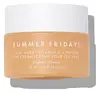
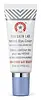
Summer Fridays Light Aura Vitamin C + Peptide Eye Cream Versus First Aid Beauty Skin Lab Retinol Eye Cream with Triple Hyalurionic Acid
This brightening eye moisturizer is formulated around Niacinamide and Tetrahexyldecyl Ascorbate to brighten dull-looking skin and soften the look of wrinkles.
This anti-aging eye moisturizer is formulated around Magnesium Ascorbyl Phosphate and Retinol to soften the look of wrinkles.

What's inside
What's inside
 Key Ingredients
Benefits
Concerns
Ingredients Side-by-side
Water
Skin ConditioningBehenyl Alcohol
Emollient
Glycerin
Humectant


Butyrospermum Parkii Butter
Skin Conditioning




Pentylene Glycol
Skin Conditioning
Coco-Caprylate
Emollient
Cetearyl Alcohol
Emollient
Caprylic/Capric Triglyceride
Masking
Niacinamide
Smoothing









Hydroxyethyl Acrylate/Sodium Acryloyldimethyl Taurate Copolymer
Emulsion StabilisingGlyceryl Stearate
Emollient
Jojoba Esters
Emollient
Tetrahexyldecyl Ascorbate
Antioxidant

Isostearyl Isostearate
Emollient
Sodium Hyaluronate
Humectant
Acetyl Hexapeptide-8
Humectant
Persea Gratissima Oil
Skin Conditioning
Rosa Canina Seed Oil
Emollient
Caffeine
Skin Conditioning
Allantoin
Skin Conditioning
Propanediol
Solvent
Phospholipids
Skin Conditioning
Prunus Amygdalus Dulcis Oil
Skin Conditioning
Papaver Rhoeas Extract
EmollientTocopherol
Antioxidant
Carica Papaya Leaf Extract
TonicCurcuma Longa Root Extract
Antioxidant
Corallina Officinalis Extract
Skin Conditioning
Coccinia Indica Fruit Extract
Skin Conditioning
Helianthus Annuus Seed Wax
Skin Conditioning
Ocimum Sanctum Leaf Extract
Skin ConditioningOcimum Basilicum Flower/Leaf Extract
TonicSimmondsia Chinensis Seed Oil
Emollient
Bambusa Vulgaris Leaf/Stem Extract
HumectantPisum Sativum Extract
Skin ConditioningGlucosamine Hcl
Silica
Abrasive
Melia Azadirachta Flower Extract
Skin ConditioningMelia Azadirachta Leaf Extract
Skin ConditioningSodium Stearoyl Glutamate
CleansingPolyglycerin-3
Humectant
Diheptyl Succinate
EmollientCapryloyl Glycerin/Sebacic Acid Copolymer
Skin ConditioningSorbitan Isostearate
Emulsifying
Sodium Phytate
Glyceryl Caprylate
EmollientGlyceryl Undecylenate
Emollient
Xanthan Gum
Emulsifying1,2-Hexanediol
Skin Conditioning
Caprylyl Glycol
Emollient
Sodium Benzoate
Masking
Phenethyl Alcohol
MaskingPolysorbate 60
Emulsifying
Mica
Cosmetic ColorantCI 77891
Cosmetic ColorantWater, Behenyl Alcohol, Glycerin, Butyrospermum Parkii Butter, Pentylene Glycol, Coco-Caprylate, Cetearyl Alcohol, Caprylic/Capric Triglyceride, Niacinamide, Hydroxyethyl Acrylate/Sodium Acryloyldimethyl Taurate Copolymer, Glyceryl Stearate, Jojoba Esters, Tetrahexyldecyl Ascorbate, Isostearyl Isostearate, Sodium Hyaluronate, Acetyl Hexapeptide-8, Persea Gratissima Oil, Rosa Canina Seed Oil, Caffeine, Allantoin, Propanediol, Phospholipids, Prunus Amygdalus Dulcis Oil, Papaver Rhoeas Extract, Tocopherol, Carica Papaya Leaf Extract, Curcuma Longa Root Extract, Corallina Officinalis Extract, Coccinia Indica Fruit Extract, Helianthus Annuus Seed Wax, Ocimum Sanctum Leaf Extract, Ocimum Basilicum Flower/Leaf Extract, Simmondsia Chinensis Seed Oil, Bambusa Vulgaris Leaf/Stem Extract, Pisum Sativum Extract, Glucosamine Hcl, Silica, Melia Azadirachta Flower Extract, Melia Azadirachta Leaf Extract, Sodium Stearoyl Glutamate, Polyglycerin-3, Diheptyl Succinate, Capryloyl Glycerin/Sebacic Acid Copolymer, Sorbitan Isostearate, Sodium Phytate, Glyceryl Caprylate, Glyceryl Undecylenate, Xanthan Gum, 1,2-Hexanediol, Caprylyl Glycol, Sodium Benzoate, Phenethyl Alcohol, Polysorbate 60, Mica, CI 77891
Water
Skin ConditioningCaprylic/Capric Triglyceride
Masking
Polymethyl Methacrylate
Glycerin
Humectant
Squalane
Emollient
Glyceryl Stearate
Emollient
Butylene Glycol
Humectant
Vinyl Dimethicone/Methicone Silsesquioxane Crosspolymer

Polysorbate 20
Emulsifying
Glyceryl Stearate Citrate
Emollient
Butyrospermum Parkii Butter
Skin Conditioning
Magnesium Ascorbyl Phosphate
Antioxidant
Retinol
Skin Conditioning

Caffeine
Skin Conditioning
Ceramide Ng
Skin Conditioning
Palmitoyl Tripeptide-1
Skin Conditioning
Tocopherol
Antioxidant
Allantoin
Skin Conditioning
Sodium Hyaluronate
Humectant
Atelocollagen
Skin Conditioning
Avena Sativa Kernel Extract
Abrasive
Sodium Chondroitin Sulfate
Skin ConditioningHydroxypropyl Cyclodextrin
MaskingAloe Barbadensis Leaf Juice Powder
Skin Conditioning
Linoleic Acid
Cleansing
Phytosteryl Canola Glycerides
Skin Conditioning
Palmitic Acid
Emollient
Oleic Acid
Emollient
Stearic Acid
Cleansing
Triolein
Skin Conditioning
Cholesterol
Emollient
Sodium Acrylates Copolymer
Hydrogenated Lecithin
Emulsifying
Lecithin
Emollient
Sodium Polyacrylate
Absorbent
Polysilicone-11
Xanthan Gum
EmulsifyingCaprylyl Glycol
Emollient
Mica
Cosmetic ColorantEthylhexylglycerin
Skin ConditioningPolyglyceryl-3 Stearate
Emulsifying
Hydrogenated Poly(C6-12 Olefin)
Skin ConditioningStearyl Alcohol
Emollient
Cetyl Alcohol
Emollient
Polyethylene
Abrasive
Ethylene/Propylene/Styrene Copolymer
Butylene/Ethylene/Styrene Copolymer
Pentaerythrityl Tetra-Di-T-Butyl Hydroxyhydrocinnamate
Antioxidant
Steareth-30
CleansingDipropylene Glycol
HumectantPhenoxyethanol
Preservative
Chlorphenesin
Antimicrobial
Tin Oxide
Abrasive
Citric Acid
Buffering
CI 77891
Cosmetic ColorantWater, Caprylic/Capric Triglyceride, Polymethyl Methacrylate, Glycerin, Squalane, Glyceryl Stearate, Butylene Glycol, Vinyl Dimethicone/Methicone Silsesquioxane Crosspolymer, Polysorbate 20, Glyceryl Stearate Citrate, Butyrospermum Parkii Butter, Magnesium Ascorbyl Phosphate, Retinol, Caffeine, Ceramide Ng, Palmitoyl Tripeptide-1, Tocopherol, Allantoin, Sodium Hyaluronate, Atelocollagen, Avena Sativa Kernel Extract, Sodium Chondroitin Sulfate, Hydroxypropyl Cyclodextrin, Aloe Barbadensis Leaf Juice Powder, Linoleic Acid, Phytosteryl Canola Glycerides, Palmitic Acid, Oleic Acid, Stearic Acid, Triolein, Cholesterol, Sodium Acrylates Copolymer, Hydrogenated Lecithin, Lecithin, Sodium Polyacrylate, Polysilicone-11, Xanthan Gum, Caprylyl Glycol, Mica, Ethylhexylglycerin, Polyglyceryl-3 Stearate, Hydrogenated Poly(C6-12 Olefin), Stearyl Alcohol, Cetyl Alcohol, Polyethylene, Ethylene/Propylene/Styrene Copolymer, Butylene/Ethylene/Styrene Copolymer, Pentaerythrityl Tetra-Di-T-Butyl Hydroxyhydrocinnamate, Steareth-30, Dipropylene Glycol, Phenoxyethanol, Chlorphenesin, Tin Oxide, Citric Acid, CI 77891
Ingredients Explained
These ingredients are found in both products.
Ingredients higher up in an ingredient list are typically present in a larger amount.
Allantoin is a soothing ingredient known for its protective and moisturizing properties; it's basically a quiet workhorse ingredient you can find in a huge range of cosmetics.
Though it can be derived from the comfrey plant, allantoin is produced synthetically for cosmetic products to ensure purity.
Research shows it can encourage your skin cells to turn over and renew by stimulating keratinocyte and fibroblast proliferation.
It also has mild keratolytic properties to help loosen and shed dead skin cells without being harsh.
Studies also suggest allantoin can help calm inflammation by dialing down some of the chemical signals your skin sends out when it is irritated.
This ingredient is typically used in the 0.1-0.5% range, and the FDA recognizes it as a skin protectant in OTC products up to 2%.
Overall, allantoin is a wonderful addition to most routines; it is stable across a wide pH range (~4-8), works well with other ingredients, and is considered non-sensitizing/non-irritating.
Fun fact: Allantoin is naturally occurring in comfrey root, beets, chamomile, and wheat sprouts. Our bodies even produce it as a byproduct of uric acid metabolism.
Learn more about AllantoinThis ingredient is also known as shea butter. It is a plant-derived extract from the nuts of the Africa shea tree and one of the most well-studied emollients.
Because it has a high concentration of fatty acids (primarily oleic, stearic, and linoleic) it is able to form a protective barrier on the skin's surface. This helps seal in moisture and prevents transepidermal water loss (TEWL).
In vitro research found an increase in skin hydration by 58% and a decrease in TEWL by 37.8% after 24 hours of applying this ingredient (pretty impressive for a single ingredient!).
Besides hydration, shea butter also contains triterpenes that have anti-inflammatory potential. In particule, lupeol cinnamate has shown the highest anti-inflammatory activity in vivo.
Shea butter also contains vitamins A and E which may contribute to antioxidant activity.
While Shea Butter has an SPF rating of about 3-4, it is not a sunscreen replacement.
This ingredient may not be fungal acne safe because its fatty acids fall within the C11-C24 range that the Malassezia yeast can metabolize.
Learn more about Butyrospermum Parkii ButterCaffeine is a naturally occurring plant compound found in coffee beans, tea leaves, cocoa pods, and guarana.
As an antioxidant, caffeine protects your skin from free radical damage caused by UV exposure and envionrmnetal stressors.
Early research also shows that caffeine can help calm redness, soothe irritated skin, and support hair growth by stimulating microcirculation in the scalp.
You might have seen eye creams marketing caffeine as a depuffing ingredient. This is because it is a vasoconstrictor meaning it can temporarily constrict blood vessels, though clinical evidence for this specific use is still limited.
Most skincare products contain this ingredient at concentrations between 1-6%. It is able to penetrate skin easily regardless of skin type or thickness.
Just so you know, a very small number of case reports describe caffeine-induced allergy. This ingredient is generally well-tolerated, non-irritating, and non-sensitizing for the majority of people.
Learn more about CaffeineCaprylic/Capric Triglyceride (aka MCT Oil) is a lightweight emollient, solvent, and texture enhancer. It is considered a skin-softener by helping to prevent moisture loss.
Though it behaves like an oil, it is not technically one due to its chemical composition. One perk of this ingredient is that it is very stable, resistant to oxidation, and unlikely to go rancid.
In practice, that translates to a long shelf life and a consistently elegant skin feel.
While there is an assumption Caprylic Triglyceride can clog pores due to it being derived from coconut oil, there is no research supporting this. Just patch test if you have concerns.
Fractionated coconut oil and MCT Oil are both listed as Caprylic/Capric Triglyceride according to INCI. This is because INCI names are based on the ingredient’s final chemical composition and not its marketing name or source.
This ingredient is treated as the gold standard fungal acne safe oil. Even though it is coconut derived, the problematic lauric acid is stripped out.
This leaves just caprylic (C8) and capric (C10) acid. These chain lengths actually trend antifungal; a 2020 study found caprylic acid was enough to disrupt Malassezia furfur cell membrane, with a caprylic acid derivative damaging membrane structures at concentrations as low as 0.2%.
Learn more about Caprylic/Capric TriglycerideCaprylyl Glycol is a humectant, skin conditioner, emollient, and preservative booster derived from either caprylic acid or synthetically created.
Typical use levels vary from 0.3-1% as a preservative booster and go up to 2% to condition skin.
Because it is not a free-fatty acid, this ingredient is fungal acne safe (there's nothing for Malassezia to feed on).
Learn more about Caprylyl GlycolCi 77891 is a white pigment from Titanium dioxide. It is naturally found in minerals such as rutile and ilmenite.
It's main function is to add a white color to cosmetics. It can also be mixed with other colors to create different shades.
Ci 77891 is commonly found in sunscreens due to its ability to block UV rays.
Learn more about CI 77891Glycerin (or glycerol) is a compound naturally found in your skin. It's a powerhouse humectant that pulls water into the stratum corneum.
Topically, glycerin does several things at once:
Your skin makes glycerin on its own (mostly from sebaceous oil breakdown) and shuttles it to your outermost layer of skin, or your epidermis, via aquaporin-3.
Aquaporin-3 is a transporter that is essential for normal skin hydration, elasticity, and repair. Interestingly, mice lacking in AQP3 have dry and less elastic skin that can be fully corrected with glycerin.
This ingredient is non-irritating, plays well with almost every ingredient, and works across all skin types. Typical use is anywhere between 3-10% but can go up to 79% in some leave-on products.
Just know very high concentrations (>40%) can feel tacky in low humidity.
Glycerin is the name for this ingredient in American English. British English uses Glycerol/Glycerine.
Learn more about GlycerinGlyceryl Stearate is made by reacting glycerin with stearic acid (typically sourced from plant oils like palm or coconut). It's an emulsifier, emollient, and mild occlusive.
Emulsifiers help ingredients like oil and water stay mixed so your formula stays nicely blended and uniform in texture.
This ingredient is typically used in concentrations between 1-10%. Studies have found it to be non-sensitizing, non-phototoxic, and non-photoallergenic.
A close cousin of this ingredient is Glyceryl Stearate SE ("self-emulsifying"). This just has a small amount of sodium or potassium stearate added so it can emulsify without a co-emulsifier.
Since this ingredient is an ester of a C18 fatty acid, it may not be fungal acne safe. The Malassezia yeast can potentially metabolize within the C11-C24 range.
Fun fact: The human body also creates Glyceryl Stearate naturally.
Learn more about Glyceryl StearateMica is a naturally occurring mineral used to add shimmer and color in cosmetics. It can also help improve the texture of a product or give it an opaque, white/silver color.
Serecite is the name for very fine but ragged grains of mica.
This ingredient is often coated with metal oxides like titanium dioxide. Trace amounts of heavy metals may be found in mica, but these metals are not harmful in our personal products.
Mica has been used since prehistoric times throughout the world. Ancient Egyptian, Indian, Greek, Roman, Aztec, and Chinese civilizations have used mica.
Learn more about MicaSodium Hyaluronate is the salt form of hyaluronic acid. It is a long sugar chain that is naturally found in your skin, joints, and connective tissue that maintains hydration and elasticity.
In skincare, it works as a humectant. It pulls water from the environment and deeper layers of skin and binds it to the surface.
Interestingly, the size of the molecule affects its behavior:
Some clinical evidence links low molecular weight versions to improved wrinkle depth, elasticity, anti-inflammatory effects, and barrier repair.
Many serums use a blend of both weights so you can get surface hydration plus longer-lasting and deeper effects.
You'll typically see concentrations between 0.1-2% for this ingredient.
Learn more about Sodium HyaluronateTocopherol is a fat-soluble antioxidant known as Vitamin E.
You'll find this ingredient in the vast majority of skincare (for good reason). It works to neutralize free radicals, or unstable molecules generated by UV exposure, pollution, and other environmental stressors, before they can cause oxidative damage to your skin cells.
Topically applied tocopherol has been shown to protect against UV damage by ramping up the skin's own natural defense enzymes.
It also acts as a skin conditioning agent; some studies show that regular topical use can improve the skin's water-binding capacity over 2-4 weeks.
This ingredient is especially loved for being a team player. When combined with Vitamin C, the photoprotective effect of both ingredients roughly doubles and the combo also helps reduce UV-induced DNA damage.
This ingredient has some brightening potential but it's more of a prevention ingredient than spot-fader. Cell studies show it can slow down melanin production but it's worth noting that it's not the most powerful brightener out there.
In formulations, it also serves as a stabilizer that helps protect other oxidation-prone ingredients from degrading.
Concentrations usually range from 0.1-1% in most leave-on products.
Learn more about TocopherolWater. It's the most common cosmetic ingredient of all. You'll usually see it at the top of ingredient lists, meaning that it makes up the largest part of the product.
So why is it so popular? Water most often acts as a solvent - this means that it helps dissolve other ingredients into the formulation.
You'll also recognize water as that liquid we all need to stay alive. If you see this, drink a glass of water. Remember to stay hydrated!
Learn more about WaterXanthan gum is used as a stabilizer and thickener within cosmetic products. It helps give products a sticky, thick feeling - preventing them from being too runny.
On the technical side of things, xanthan gum is a polysaccharide - a combination consisting of multiple sugar molecules bonded together.
Xanthan gum is a pretty common and great ingredient. It is a natural, non-toxic, non-irritating ingredient that is also commonly used in food products.
Learn more about Xanthan Gum

