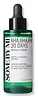
This smoothing serum is formulated around Centella Asiatica Extract and Niacinamide to refine skin texture and calm redness.
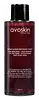
This smoothing exfoliator is formulated around Glycolic Acid and Gluconolactone to refine skin texture and refine the look of pores.


What's inside
What's inside
 Key Ingredients
Benefits
Concerns
Ingredients Side-by-side
Water
Skin ConditioningCentella Asiatica Extract 77%
Cleansing





Cetyl Ethylhexanoate
EmollientCaprylic/Capric Triglyceride
Masking

Glycerin
Humectant
Olea Europaea Fruit Oil
Masking



Propanediol
Solvent
Alcohol
Antimicrobial



Butylene Glycol
Humectant
1,2-Hexanediol
Skin Conditioning
Niacinamide
Smoothing





Melaleuca Alternifolia Leaf Water
Antimicrobial
Camellia Sinensis Leaf Extract
Antimicrobial
Scutellaria Baicalensis Root Extract
Astringent
Polygonum Cuspidatum Root Extract
Antioxidant
Glycyrrhiza Glabra Root Extract
Bleaching
Chamomilla Recutita Flower Extract
Masking
Rosmarinus Officinalis Leaf Extract
AntimicrobialSodium Lactate
Buffering
Sodium PCA
Humectant
Citric Acid
Buffering
Lactic Acid
Buffering
Malic Acid
Buffering
Glycolic Acid
Buffering
Pyruvic Acid
MaskingTartaric Acid
Buffering
Gaultheria Procumbens Leaf Extract
Perfuming
Lactobionic Acid
Buffering
Pentylene Glycol
Skin Conditioning
Vaccinium Macrocarpon Fruit Extract
AstringentLavandula Angustifolia Extract
Skin Conditioning
Ocimum Basilicum Leaf Extract
Skin ConditioningSyringa Vulgaris Extract
Skin ConditioningHouttuynia Cordata Extract
Skin Conditioning
Angelica Keiskei Extract
Antioxidant
Althaea Officinalis Root Extract
Skin Conditioning
Rosmarinus Officinalis Extract
AntimicrobialMadecassoside
Antioxidant
Camellia Oleifera Seed Oil
Skin Conditioning
Oryza Sativa Bran Oil
Emollient
Camellia Sinensis Seed Oil
Humectant
Rosa Canina Fruit Oil
Emollient
Prunus Amygdalus Dulcis Oil
Skin Conditioning
Limnanthes Alba Seed Oil
Skin Conditioning
Sodium Chloride
MaskingCitrus Paradisi Peel Oil
Masking
Citrus Aurantium Dulcis Peel Oil
Masking
Curcuma Longa Root Extract
Antioxidant
Melia Azadirachta Leaf Extract
Skin ConditioningMelia Azadirachta Flower Extract
Skin ConditioningXanthan Gum
EmulsifyingPelargonium Graveolens Flower Oil
Masking
Boswellia Carterii Oil
Masking
Melia Azadirachta Bark Extract
AntimicrobialPearl Powder
Amyris Balsamifera Bark Oil
Masking
Moringa Oleifera Seed Oil
Emollient
Ocimum Sanctum Leaf Extract
Skin ConditioningOcimum Basilicum Flower/Leaf Extract
TonicDisodium EDTA
Caprylyl Glycol
Emollient
Ethylhexylglycerin
Skin Conditioning
Water, Centella Asiatica Extract 77%, Cetyl Ethylhexanoate, Caprylic/Capric Triglyceride, Glycerin, Olea Europaea Fruit Oil, Propanediol, Alcohol, Butylene Glycol, 1,2-Hexanediol, Niacinamide, Melaleuca Alternifolia Leaf Water, Camellia Sinensis Leaf Extract, Scutellaria Baicalensis Root Extract, Polygonum Cuspidatum Root Extract, Glycyrrhiza Glabra Root Extract, Chamomilla Recutita Flower Extract, Rosmarinus Officinalis Leaf Extract, Sodium Lactate, Sodium PCA, Citric Acid, Lactic Acid, Malic Acid, Glycolic Acid, Pyruvic Acid, Tartaric Acid, Gaultheria Procumbens Leaf Extract, Lactobionic Acid, Pentylene Glycol, Vaccinium Macrocarpon Fruit Extract, Lavandula Angustifolia Extract, Ocimum Basilicum Leaf Extract, Syringa Vulgaris Extract, Houttuynia Cordata Extract, Angelica Keiskei Extract, Althaea Officinalis Root Extract, Rosmarinus Officinalis Extract, Madecassoside, Camellia Oleifera Seed Oil, Oryza Sativa Bran Oil, Camellia Sinensis Seed Oil, Rosa Canina Fruit Oil, Prunus Amygdalus Dulcis Oil, Limnanthes Alba Seed Oil, Sodium Chloride, Citrus Paradisi Peel Oil, Citrus Aurantium Dulcis Peel Oil, Curcuma Longa Root Extract, Melia Azadirachta Leaf Extract, Melia Azadirachta Flower Extract, Xanthan Gum, Pelargonium Graveolens Flower Oil, Boswellia Carterii Oil, Melia Azadirachta Bark Extract, Pearl Powder, Amyris Balsamifera Bark Oil, Moringa Oleifera Seed Oil, Ocimum Sanctum Leaf Extract, Ocimum Basilicum Flower/Leaf Extract, Disodium EDTA, Caprylyl Glycol, Ethylhexylglycerin
Water
Skin ConditioningGlycerin
Humectant
Glycolic Acid
Buffering
Butylene Glycol
Humectant
Propylene Glycol
Humectant
Gluconolactone
Skin Conditioning
Melaleuca Alternifolia Leaf Extract
Perfuming
Hamamelis Virginiana Leaf Extract
Skin Conditioning
Niacinamide
Smoothing
Chamomilla Recutita Flower Extract
Masking
Rubus Idaeus Fruit Extract
AstringentCitrus Limon Fruit Extract
Masking
Salicylic Acid
Masking

Acer Saccharum Extract
Skin ConditioningPortulaca Oleracea Extract
Skin Conditioning
Aloe Barbadensis Leaf Juice
Skin Conditioning
Amylopectin
Dextrin
AbsorbentXanthan Gum
EmulsifyingTetrasodium EDTA
Sodium Hydroxymethylglycinate
Preservative
Polyglutamic Acid
Skin Conditioning
Water, Glycerin, Glycolic Acid, Butylene Glycol, Propylene Glycol, Gluconolactone, Melaleuca Alternifolia Leaf Extract, Hamamelis Virginiana Leaf Extract, Niacinamide, Chamomilla Recutita Flower Extract, Rubus Idaeus Fruit Extract, Citrus Limon Fruit Extract, Salicylic Acid, Acer Saccharum Extract, Portulaca Oleracea Extract, Aloe Barbadensis Leaf Juice, Amylopectin, Dextrin, Xanthan Gum, Tetrasodium EDTA, Sodium Hydroxymethylglycinate, Polyglutamic Acid
Reviews
Ingredients Explained
These ingredients are found in both products.
Ingredients higher up in an ingredient list are typically present in a larger amount.
Butylene Glycol (or BG) is used within cosmetic products for a few different reasons:
Overall, Butylene Glycol is a safe and well-rounded ingredient that works well with other ingredients.
Though this ingredient works well with most skin types, some people with sensitive skin may experience a reaction such as allergic rashes, closed comedones, or itchiness.
Learn more about Butylene GlycolChamomilla Recutita Flower Extract comes from the Chamomile flower.
Chamomile is rich in antioxidants and has anti-inflammatory properties. Several compounds found in chamomile help with soothing, such as bisbolol.
Antioxidant components in chamomile make it an effective ingredient to help slow the signs of aging. Antioxidants help fight free-radical molecules, or molecules that may damage your skin.
Essential oils from chamomile have been found to improve wound healing due to its antimicrobial properties.
Ancient Greeks and Egyptians used Chamomile to treat skin redness and dryness. Chamomile has also been used to help treat stomach issues.
Learn more about Chamomilla Recutita Flower ExtractGlycerin (or glycerol) is a compound naturally found in your skin. It's a powerhouse humectant that pulls water into the stratum corneum.
Topically, glycerin does several things at once:
Your skin makes glycerin on its own (mostly from sebaceous oil breakdown) and shuttles it to your outermost layer of skin, or your epidermis, via aquaporin-3.
Aquaporin-3 is a transporter that is essential for normal skin hydration, elasticity, and repair. Interestingly, mice lacking in AQP3 have dry and less elastic skin that can be fully corrected with glycerin.
This ingredient is non-irritating, plays well with almost every ingredient, and works across all skin types. Typical use is anywhere between 3-10% but can go up to 79% in some leave-on products.
Just know very high concentrations (>40%) can feel tacky in low humidity.
Glycerin is the name for this ingredient in American English. British English uses Glycerol/Glycerine.
Learn more about GlycerinGlycolic Acid is arguably the most famous alpha hydroxy acid (AHA) with tons of research backing its benefits.
It is found naturally in sugar cane but the form used in skincare is usually synthetic for purity and stability.
Glycolic acid removes the top layer of dead skin cells to allow newer and fresher ones to emerge.
AHAs work by breaking down the structural “glue” that holds old skin cells in place. When that buildup is gone, your skin can renew itself more efficiently.
Research also shows glycolic acid stimulates collagen production, helping to firm and thicken the skin over time. This is one of its biggest advantages over other AHAs.
Overall, glycolic acid helps with:
Fun fact: Glycolic acid boosts skin hydration by helping it produce molecules that increase hyaluronic acid naturally.
To work best, glycolic acid products should have a pH between 3-4 (that’s where exfoliation is most effective but still gentle on skin).
The pH and concentration of a product are key to its effectiveness:
It is normal to feel a slight stinging sensation when using glycolic acid. This usually fades as your skin adjusts.
Because glycolic acid has the smallest molecular size in the AHA family, it can penetrate deeper, which enhances its effectiveness but also makes it more likely to irritate sensitive skin.
If your skin is very sensitive or prone to rosacea, glycolic acid may be too strong; in that case, try milder options like lactic acid or a PHA instead.
Recent studies suggest glycolic acid might even help protect against UV damage. But don’t skip sunscreen! Freshly exfoliated skin is more sensitive to the sun.
Glycolic acid is a skincare superstar. It smooths, brightens, hydrates, and firms the skin. Unless you’re highly sensitive, it’s well worth adding to your routine.
Read more about some other popular AHA's here:
Learn more about Glycolic AcidNiacinamide is a multitasking form of vitamin B3 that strengthens the skin barrier, reduces pores and dark spots, regulates oil, and improves signs of aging.
And the best part? It's gentle and well-tolerated by most skin types, including sensitive and reactive skin.
You might have heard of "niacin flush", or the reddening of skin that causes itchiness. Niacinamide has not been found to cause this.
In very rare cases, some individuals may not be able to tolerate niacinamide at all or experience an allergic reaction to it.
If you are experiencing flaking, irritation, and dryness with this ingredient, be sure to double check all your products as this ingredient can be found in all categories of skincare.
When incorporating niacinamide into your routine, look out for concentration amounts. Typically, 5% niacinamide provides benefits such as fading dark spots. However, if you have sensitive skin, it is better to begin with a smaller concentration.
When you apply niacinamide to your skin, your body converts it into nicotinamide adenine dinucleotide (NAD). NAD is an essential coenzyme that is already found in your cells as "fuel" and powers countless biological processes.
In your skin, NAD helps repair cell damage, produce new healthy cells, support collagen production, strengthen the skin barrier, and fight environmental stressors (like UV and pollution).
Our natural NAD levels start to decline with age, leading to slower skin repair, visible aging, and a weaker skin barrier. By providing your skin niacinamide, you're recharging your skin's NAD levels. This leads to stronger, healthier, and younger looking skin.
Another name for vitamin B3 is nicotinamide. This vitamin is water-soluble and our bodies don't store it. We obtain Vitamin B3 from either food or skincare. Meat, fish, wheat, yeast, and leafy greens contain vitamin B3.
The type of niacinamide used in skincare is synthetically created.
Learn more about NiacinamideWater. It's the most common cosmetic ingredient of all. You'll usually see it at the top of ingredient lists, meaning that it makes up the largest part of the product.
So why is it so popular? Water most often acts as a solvent - this means that it helps dissolve other ingredients into the formulation.
You'll also recognize water as that liquid we all need to stay alive. If you see this, drink a glass of water. Remember to stay hydrated!
Learn more about WaterXanthan gum is used as a stabilizer and thickener within cosmetic products. It helps give products a sticky, thick feeling - preventing them from being too runny.
On the technical side of things, xanthan gum is a polysaccharide - a combination consisting of multiple sugar molecules bonded together.
Xanthan gum is a pretty common and great ingredient. It is a natural, non-toxic, non-irritating ingredient that is also commonly used in food products.
Learn more about Xanthan Gum

