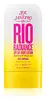
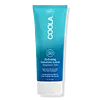
This sunscreen offers SPF 50 protection with a dewy, hydrating finish.
This chemical sunscreen covers most of the UV range, lighter on the deep UVA that drives aging.

What's inside
What's inside
 Key Ingredients
Benefits
Concerns
Ingredients Side-by-side
Water
Skin ConditioningButyloctyl Salicylate
Skin Conditioning

Caprylic/Capric Triglyceride
Masking


Caprylyl Glycol
Emollient
Carthamus Tinctorius Oleosomes
Emollient

Cellulose Gum
Emulsion StabilisingCetearyl Alcohol
Emollient


Citric Acid
Buffering

Coco-Glucoside
Cleansing
Cocos Nucifera Oil
Masking

Dicaprylyl Carbonate
EmollientDiisooctyl Succinate
Emollient
Dimethicone
Emollient

Ethylene/Propylene/Styrene Copolymer
Ethylhexyl Methoxycrylene
Skin Conditioning
Ethylhexylglycerin
Skin ConditioningEuterpe Oleracea Fruit Oil
Skin Conditioning
Gluconolactone
Chelating





Glycerin
Humectant
Hectorite
AbsorbentHydroxyethyl Acrylate/Sodium Acryloyldimethyl Taurate Copolymer
Emulsion StabilisingHydroxyethylcellulose
Emulsion StabilisingCI 77491
Cosmetic ColorantCI 77499
Cosmetic ColorantIsononyl Isononanoate
EmollientMaleated Soybean Oil Glyceryl/Octyldodecanol Esters
Mica
Cosmetic ColorantMicrocrystalline Cellulose
AbsorbentNiacinamide
Smoothing



Parfum
Masking

Phenoxyethanol
Preservative
Polyhydroxystearic Acid
Emulsifying
Polysorbate 20
Emulsifying
Polysorbate 60
Emulsifying
Pongamia Pinnata Seed Extract
Skin ConditioningSodium Benzoate
Masking
Sodium Stearoyl Glutamate
CleansingSorbitan Isostearate
Emulsifying
Sorbitan Oleate
Emulsifying
Tetrasodium Glutamate Diacetate
ChelatingTheobroma Grandiflorum Seed Butter
Skin Conditioning
CI 77891
Cosmetic ColorantTocopherol
Antioxidant

Triethoxycaprylylsilane
Benzyl Salicylate
Perfuming
Citronellol
Perfuming
Limonene
Perfuming
Water, Butyloctyl Salicylate, Caprylic/Capric Triglyceride, Caprylyl Glycol, Carthamus Tinctorius Oleosomes, Cellulose Gum, Cetearyl Alcohol, Citric Acid, Coco-Glucoside, Cocos Nucifera Oil, Dicaprylyl Carbonate, Diisooctyl Succinate, Dimethicone, Ethylene/Propylene/Styrene Copolymer, Ethylhexyl Methoxycrylene, Ethylhexylglycerin, Euterpe Oleracea Fruit Oil, Gluconolactone, Glycerin, Hectorite, Hydroxyethyl Acrylate/Sodium Acryloyldimethyl Taurate Copolymer, Hydroxyethylcellulose, CI 77491, CI 77499, Isononyl Isononanoate, Maleated Soybean Oil Glyceryl/Octyldodecanol Esters, Mica, Microcrystalline Cellulose, Niacinamide, Parfum, Phenoxyethanol, Polyhydroxystearic Acid, Polysorbate 20, Polysorbate 60, Pongamia Pinnata Seed Extract, Sodium Benzoate, Sodium Stearoyl Glutamate, Sorbitan Isostearate, Sorbitan Oleate, Tetrasodium Glutamate Diacetate, Theobroma Grandiflorum Seed Butter, CI 77891, Tocopherol, Triethoxycaprylylsilane, Benzyl Salicylate, Citronellol, Limonene
Butyl Methoxydibenzoylmethane 1.75%
UV Absorber
Homosalate 5%
Skin Conditioning
Ethylhexyl Salicylate 2%
UV Absorber
Octocrylene 5%
UV Absorber
Aloe Barbadensis Leaf Juice
Skin Conditioning
Brassica Campestris Seed Oil
Skin Conditioning
Butylene Glycol
Humectant
Camelina Sativa Seed Oil
Skin Conditioning
Caprylyl Glycol
Emollient
Carthamus Tinctorius Oleosomes
Emollient
Carthamus Tinctorius Seed Oil
Masking
Cetearyl Alcohol
Emollient
Cetyl Palmitate
Emollient
Decyl Glucoside
Cleansing
Dimethicone
Emollient
Glycerin
Humectant
1,2-Hexanediol
Skin Conditioning
Limnanthes Alba Seed Oil
Skin Conditioning
Mauritia Flexuosa Fruit Oil
Skin Conditioning
Methyl Dihydroabietate
Opuntia Ficus-Indica Flower Extract
Skin ConditioningPolyacrylate Crosspolymer-6
Emulsion StabilisingPolysilicone-11
Rubus Idaeus Seed Oil
Emollient
Silica
Abrasive
Sodium Hydroxide
BufferingSodium Phytate
ChelatingSorbitan Oleate
Emulsifying
Sorbitan Palmitate
Emulsifying
Tropolone
Skin ConditioningWater
Skin ConditioningXanthan Gum
EmulsifyingButyl Methoxydibenzoylmethane 1.75%, Homosalate 5%, Ethylhexyl Salicylate 2%, Octocrylene 5%, Aloe Barbadensis Leaf Juice, Brassica Campestris Seed Oil, Butylene Glycol, Camelina Sativa Seed Oil, Caprylyl Glycol, Carthamus Tinctorius Oleosomes, Carthamus Tinctorius Seed Oil, Cetearyl Alcohol, Cetyl Palmitate, Decyl Glucoside, Dimethicone, Glycerin, 1,2-Hexanediol, Limnanthes Alba Seed Oil, Mauritia Flexuosa Fruit Oil, Methyl Dihydroabietate, Opuntia Ficus-Indica Flower Extract, Polyacrylate Crosspolymer-6, Polysilicone-11, Rubus Idaeus Seed Oil, Silica, Sodium Hydroxide, Sodium Phytate, Sorbitan Oleate, Sorbitan Palmitate, Tropolone, Water, Xanthan Gum
Ingredients Explained
These ingredients are found in both products.
Ingredients higher up in an ingredient list are typically present in a larger amount.
Caprylyl Glycol is a humectant, skin conditioner, emollient, and preservative booster derived from either caprylic acid or synthetically created.
Typical use levels vary from 0.3-1% as a preservative booster and go up to 2% to condition skin.
Because it is not a free-fatty acid, this ingredient is fungal acne safe (there's nothing for Malassezia to feed on).
Learn more about Caprylyl GlycolCarthamus Tinctorius Oleosomes isn't fungal acne safe.
Cetearyl alcohol is a waxy mixture of two fatty alcohols: cetyl alcohol and stearyl alcohol. It is an emollient and emulsifier.
Despite having "alcohol" in its name, it has nothing to do with drying solvent alcohols; the FDA also allows "alcohol-free" products to contain fatty alcohols like this ingredient.
It plays several roles in a formula:
Typical use levels for this ingredient sit around 1-10% and the Cosmetic Ingredient Review Expert Panel has affirmed safety at concentrations up to 25% in leave-on products.
Multiple assessments have found it to be non-irritating and non-sensitizing to most people.
However, there have been some cases of allergic contact dermatitis in patients with chronically compromised skin barriers.
Cetearyl alcohol has a comedogenic rating of 2 and irritancy rating of 1. Both of these numbers come from the 1989 study that used rabbit ears; a "2" means mildly comedogenic and a "1" means low irritancy.
Here's the catch: rabbit skin is more sensitive than human skin and throws a lot of false positives. A 1996 reappraisal found that ingredients rated 1-2 in the rabbit ear tests are generally safe for humans.
Remember comedogenic ratings are unable to assess the entire formula of a product or how it will react on your skin. Just be sure to patch test if you are unsure about certain ingredients.
This ingredient is not fungal acne safe. Cetearyl alcohol is a fatty alcohol with chain lengths that fall within the range that Malassezia can metabolize.
A 2019 study has also observed Malassezia growth in the presence of this ingredient, confirming it to be not-fungal acne safe.
Learn more about Cetearyl AlcoholDimethicone is a type of synthetic silicone created from natural materials such as quartz. It is also known as polydimethylsiloxane.
What it does:
Dimethicone comes in different viscosities:
Depending on the viscosity, dimethicone has different properties.
Ingredients lists don't always show which type is used, so we recommend reaching out to the brand if you have questions about the viscosity.
This ingredient is unlikely to cause irritation because it does not get absorbed into skin. However, people with silicone allergies should be careful about using this ingredient.
Note: Dimethicone may contribute to pilling. This is because it is not oil or water soluble, so pilling may occur when layered with products. When mixed with heavy oils in a formula, the outcome is also quite greasy.
Learn more about DimethiconeGlycerin (or glycerol) is a compound naturally found in your skin. It's a powerhouse humectant that pulls water into the stratum corneum.
Topically, glycerin does several things at once:
Your skin makes glycerin on its own (mostly from sebaceous oil breakdown) and shuttles it to your outermost layer of skin, or your epidermis, via aquaporin-3.
Aquaporin-3 is a transporter that is essential for normal skin hydration, elasticity, and repair. Interestingly, mice lacking in AQP3 have dry and less elastic skin that can be fully corrected with glycerin.
This ingredient is non-irritating, plays well with almost every ingredient, and works across all skin types. Typical use is anywhere between 3-10% but can go up to 79% in some leave-on products.
Just know very high concentrations (>40%) can feel tacky in low humidity.
Glycerin is the name for this ingredient in American English. British English uses Glycerol/Glycerine.
Learn more about GlycerinSorbitan Oleate is a PEG-free emulsifier made by esterifying sorbitol with oleic acid.
You'll likely see it paired with Polysorbate 80 to create the right emulsification balance.
Typical use levels in formulas range from 2-10%.
The CIR Expert Panel has concluded this ingredient to be safe as a cosmetic ingredient.
Since this ingredient is an ester of oleic acid, it may not be fungal acne safe. Oleic acid is a fatty acid that falls into the C11-24 range that Malassezia can metabolize.
This ingredient does have a comedogenic rating of 3, but this doesn't mean a formula with this ingredient will clog pores. Human testing has proved that any finished product with a comedogenic ingredient won't automatically make you break out; it really comes down to concentration, formula, and your skin.
Learn more about Sorbitan OleateWater. It's the most common cosmetic ingredient of all. You'll usually see it at the top of ingredient lists, meaning that it makes up the largest part of the product.
So why is it so popular? Water most often acts as a solvent - this means that it helps dissolve other ingredients into the formulation.
You'll also recognize water as that liquid we all need to stay alive. If you see this, drink a glass of water. Remember to stay hydrated!
Learn more about Water

