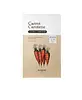
This calming sheet mask is formulated around Daucus Carota Sativa Root Extract and Panthenol to calm redness and hydrate skin.
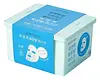
This hydrating sheet mask is formulated around Sodium Hyaluronate and Ceramide NP to hydrate skin and strengthen the skin barrier.

What's inside
What's inside
 Key Ingredients
Benefits
Concerns
Ingredients Side-by-side
Water
Skin ConditioningDaucus Carota Sativa Root Extract 20%
Skin Conditioning
Glycerin
Humectant


Propanediol
Solvent
Butylene Glycol
Humectant
Dipropylene Glycol
HumectantMethylpropanediol
SolventHydroxyacetophenone
Antioxidant
Polyglyceryl-10 Laurate
Skin Conditioning

1,2-Hexanediol
Skin Conditioning
Diethoxyethyl Succinate
SolventCarbomer
Emulsion StabilisingBetaine
Humectant
Tromethamine
BufferingPanthenol
Skin Conditioning
Hydroxyethyl Urea
Humectant
Laminaria Digitata Extract
Skin Protecting

Allantoin
Skin Conditioning
Hydroxyethylcellulose
Emulsion StabilisingDipotassium Glycyrrhizate
Humectant
Xanthan Gum
EmulsifyingEthylhexylglycerin
Skin ConditioningDiphenyl Dimethicone
Emollient
Triethylhexanoin
MaskingGlyceryl Acrylate/Acrylic Acid Copolymer
HumectantSodium Hyaluronate
Humectant

Camellia Sinensis Leaf Extract
Antimicrobial


Centella Asiatica Extract
Cleansing
Polyglyceryl-10 Oleate
Skin Conditioning
Hydrogenated Lecithin
Emulsifying
Daucus Carota Sativa Seed Oil
Emollient

Brassica Oleracea Italica Extract
AstringentBrassica Oleracea Capitata Leaf Extract
Skin ConditioningCoccinia Indica Fruit Extract
Skin Conditioning
Olea Europaea Fruit Oil
Masking
Beta-Glucan
Skin Conditioning
Lavandula Hybrida Oil
Emollient
Thymus Vulgaris Oil
Masking

Citrus Aurantium Dulcis Peel Oil
Masking
Glycol
HumectantWater, Daucus Carota Sativa Root Extract 20%, Glycerin, Propanediol, Butylene Glycol, Dipropylene Glycol, Methylpropanediol, Hydroxyacetophenone, Polyglyceryl-10 Laurate, 1,2-Hexanediol, Diethoxyethyl Succinate, Carbomer, Betaine, Tromethamine, Panthenol, Hydroxyethyl Urea, Laminaria Digitata Extract, Allantoin, Hydroxyethylcellulose, Dipotassium Glycyrrhizate, Xanthan Gum, Ethylhexylglycerin, Diphenyl Dimethicone, Triethylhexanoin, Glyceryl Acrylate/Acrylic Acid Copolymer, Sodium Hyaluronate, Camellia Sinensis Leaf Extract, Centella Asiatica Extract, Polyglyceryl-10 Oleate, Hydrogenated Lecithin, Daucus Carota Sativa Seed Oil, Brassica Oleracea Italica Extract, Brassica Oleracea Capitata Leaf Extract, Coccinia Indica Fruit Extract, Olea Europaea Fruit Oil, Beta-Glucan, Lavandula Hybrida Oil, Thymus Vulgaris Oil, Citrus Aurantium Dulcis Peel Oil, Glycol
Water
Skin ConditioningGlycerin
Humectant
Methylpropanediol
SolventButylene Glycol
Humectant
1,2-Hexanediol
Skin Conditioning
Sodium Hyaluronate
Humectant
Sodium Acetylated Hyaluronate
Humectant
Hydrolyzed Hyaluronic Acid
Humectant
Lactobacillus/Soybean Ferment Extract
Skin ConditioningLactobacillus/Rice Ferment Filtrate
Skin ConditioningLactobacillus
Skin ConditioningSaccharomyces/Coix Lacryma-Jobi Ma-Yuen Seed Ferment Filtrate
Skin Conditioning
Saccharomyces/Potato Extract Ferment Filtrate
Humectant
Glycine
Buffering
Serine
Masking
Glutamic Acid
Humectant
Aspartic Acid
Masking
Leucine
Skin ConditioningAlanine
Masking
Lysine
Skin ConditioningTyrosine
MaskingPhenylalanine
Masking
Threonine
Proline
Skin Conditioning
Valine
MaskingIsoleucine
Skin ConditioningHistidine
Humectant
Methionine
Skin ConditioningCysteine
Antioxidant
Tremella Fuciformis Polysaccharide
Emulsion Stabilising
Pyrus Communis Fruit Extract
Skin ConditioningRosa Damascena Flower Water
Masking
Cucumis Melo Fruit Extract
Skin ConditioningVetiveria Zizanoides Root Oil
Masking
Hedera Helix Leaf/Stem Extract
AntimicrobialOlea Europaea Fruit Oil
Masking
Butyrospermum Parkii Butter
Skin Conditioning
Hydrogenated Lecithin
Emulsifying
Squalane
Emollient
Cholesterol
Emollient
Ceramide NP
Skin Conditioning
Phytosphingosine
Skin Conditioning
Acetyl Glucosamine
Skin Conditioning
Sodium Polygamma-Glutamate
Emulsion StabilisingMusa Sapientum Fruit Extract
Skin ConditioningCaprylic/Capric Triglyceride
Masking
Propanediol
Solvent
Fructan
Skin ConditioningAllantoin
Skin Conditioning
Trehalose
Humectant
Arginine
Masking
Dextrin
AbsorbentHydroxypropyl Methylcellulose
Emulsion StabilisingCI 77220
Cosmetic ColorantGlycolic Acid
Buffering


Hydroxyacetophenone
Antioxidant
Tocopheryl Acetate
Antioxidant
Carbomer
Emulsion StabilisingXanthan Gum
EmulsifyingPolyglyceryl-10 Laurate
Skin Conditioning
Citric Acid
Buffering
Sodium Citrate
BufferingDisodium EDTA
ChelatingWater, Glycerin, Methylpropanediol, Butylene Glycol, 1,2-Hexanediol, Sodium Hyaluronate, Sodium Acetylated Hyaluronate, Hydrolyzed Hyaluronic Acid, Lactobacillus/Soybean Ferment Extract, Lactobacillus/Rice Ferment Filtrate, Lactobacillus, Saccharomyces/Coix Lacryma-Jobi Ma-Yuen Seed Ferment Filtrate, Saccharomyces/Potato Extract Ferment Filtrate, Glycine, Serine, Glutamic Acid, Aspartic Acid, Leucine, Alanine, Lysine, Tyrosine, Phenylalanine, Threonine, Proline, Valine, Isoleucine, Histidine, Methionine, Cysteine, Tremella Fuciformis Polysaccharide, Pyrus Communis Fruit Extract, Rosa Damascena Flower Water, Cucumis Melo Fruit Extract, Vetiveria Zizanoides Root Oil, Hedera Helix Leaf/Stem Extract, Olea Europaea Fruit Oil, Butyrospermum Parkii Butter, Hydrogenated Lecithin, Squalane, Cholesterol, Ceramide NP, Phytosphingosine, Acetyl Glucosamine, Sodium Polygamma-Glutamate, Musa Sapientum Fruit Extract, Caprylic/Capric Triglyceride, Propanediol, Fructan, Allantoin, Trehalose, Arginine, Dextrin, Hydroxypropyl Methylcellulose, CI 77220, Glycolic Acid, Hydroxyacetophenone, Tocopheryl Acetate, Carbomer, Xanthan Gum, Polyglyceryl-10 Laurate, Citric Acid, Sodium Citrate, Disodium EDTA
Reviews
Ingredients Explained
These ingredients are found in both products.
Ingredients higher up in an ingredient list are typically present in a larger amount.
1,2-Hexanediol is a synthetic liquid and another multi-functional powerhouse.
It is a:
- Humectant, drawing moisture into the skin
- Emollient, helping to soften skin
- Solvent, dispersing and stabilizing formulas
- Preservative booster, enhancing the antimicrobial activity of other preservatives
Allantoin is a soothing ingredient known for its protective and moisturizing properties; it's basically a quiet workhorse ingredient you can find in a huge range of cosmetics.
Though it can be derived from the comfrey plant, allantoin is produced synthetically for cosmetic products to ensure purity.
Research shows it can encourage your skin cells to turn over and renew by stimulating keratinocyte and fibroblast proliferation.
It also has mild keratolytic properties to help loosen and shed dead skin cells without being harsh.
Studies also suggest allantoin can help calm inflammation by dialing down some of the chemical signals your skin sends out when it is irritated.
This ingredient is typically used in the 0.1-0.5% range, and the FDA recognizes it as a skin protectant in OTC products up to 2%.
Overall, allantoin is a wonderful addition to most routines; it is stable across a wide pH range (~4-8), works well with other ingredients, and is considered non-sensitizing/non-irritating.
Fun fact: Allantoin is naturally occurring in comfrey root, beets, chamomile, and wheat sprouts. Our bodies even produce it as a byproduct of uric acid metabolism.
Learn more about AllantoinButylene Glycol (or BG) is used within cosmetic products for a few different reasons:
Overall, Butylene Glycol is a safe and well-rounded ingredient that works well with other ingredients.
Though this ingredient works well with most skin types, some people with sensitive skin may experience a reaction such as allergic rashes, closed comedones, or itchiness.
Learn more about Butylene GlycolCarbomer is a synthetic thickening and gelling agent. It's basically the ingredient that gives a lot of serums, gels, creams, and sunscreens their smooth, non-sticky texture.
Although legally permitted at very high levels, carbomers are normally used at concentrations below 1%.
It also needs to be neutralized to actually thicken, and because it is a large molecule, it doesn't really penetrate the skin barrier.
Allergy-wise, the risk is very low. Clinical studies show carbomers have low potential for skin irritation/sensitization even at concentrations up to 100%.
A 2024 UK study patch-tested 1,302 patients and found true allergy to the parent group of carbomer to be rare with no confirmed relevant reactions.
Learn more about CarbomerGlycerin (or glycerol) is a compound naturally found in your skin. It's a powerhouse humectant that pulls water into the stratum corneum.
Topically, glycerin does several things at once:
Your skin makes glycerin on its own (mostly from sebaceous oil breakdown) and shuttles it to your outermost layer of skin, or your epidermis, via aquaporin-3.
Aquaporin-3 is a transporter that is essential for normal skin hydration, elasticity, and repair. Interestingly, mice lacking in AQP3 have dry and less elastic skin that can be fully corrected with glycerin.
This ingredient is non-irritating, plays well with almost every ingredient, and works across all skin types. Typical use is anywhere between 3-10% but can go up to 79% in some leave-on products.
Just know very high concentrations (>40%) can feel tacky in low humidity.
Glycerin is the name for this ingredient in American English. British English uses Glycerol/Glycerine.
Learn more about GlycerinHydrogenated Lecithin is a more stable version of lecithin.
It's made by taking lecithin (a phospholipid commonly found in soybeans and egg yolks) and hydrogenating it. This just means the unsaturated fatty acids are turned into saturated ones so they don't go bad as easily.
This ingredient is an emollient, emulsifier, and penetration enhancer. As an emollient, it helps soften and hydrate skin by trapping moisture within. As an emulsifier, it prevents oil and water ingredients from separating.
Hydrogenated Lecithin can form tiny spherical structures made of phospholipid bilayers called liposomes. These liposomes are able to capture compounds inside their structure and deliver them through the skin barrier.
Because phospholipids are a natural component of our cell membranes, this ingredient is inherently compatible with skin.
A 2021 study found lecithin-based surfactants were less harsh and more tolerable comared to Sodium Lauryl Sulfate (SLS).
Learn more about Hydrogenated LecithinHydroxyacetophenone is a small phenolic molecule that earns its place in a formulas as an antioxidant and preservative booster.
As a phenol, it is able to neutralize free radicals to protect both the product and the skin from oxidative stress.
Though it can't kill microbes on its own, it works as a good supporting agent when combined with other preservatives like Phenoxyethanol or 1,2-Hexanediol.
This ingredient naturally occurs as piceol in Norwegian spruce needles (~0.4-1.1% dry weight and in cloudberries). Though the cosmetic-grade material is synthesized for purity and consistency.
You'll usually see it used at low levels and suppliers recommend up to 1% added to a water phase.
Safety testing was done at concentrations like 0.05% in SPF products and 0.5% in a Human Repeated Insult Patch Test. The safety evidence is assuring; this ingredient is safe for cosmetics in current use and also holds safety status as a food flavoring as well.
An honest caveat: the "soothing" and "anti-inflammatory" claims come mostly from supplier marketing rather than published clinical trials. The Cosmetic Ingredient Review's own literature search found no useful efficacy studies on this ingredient.
So the antioxidant and preservative-boosting roles are the well supported ones while the calming benefit is plausible but thinly evidenced.
Overall, this is a well-tolerated, low-irritation multitasker that quietly helps a formula stay fresh and stable.
Learn more about HydroxyacetophenoneMethylpropanediol is a synthetic solvent and humectant.
As a solvent, it helps dissolve other ingredients, helping to evenly distribute ingredients throughout the product. This ingredient has also been shown to have antimicrobial properties which makes it a preservative booster.
Methylpropanediol is able to add a bit of moisture to the skin. It also helps other ingredients be better absorbed into the skin, such as salicylic acid.
Learn more about MethylpropanediolThis ingredient is also known as olive oil. It has been used in skincare for centuries and science largely backs up its reputation as a nourishing emollient.
The main components of olive oil are oleic acid (55-83%), linoleic acid (3.5-20%), and palmitic acid (7-20%). Oleic acid promotes skin regeneration and helps regulate inflammatory responses.
Squalene is also naturally present in olive oil and exhibits moisturizing and antioxidant properties.
The polyphenols in olive oil also show anti-aging promise; one clinical study found a measurable improvement in skin appearance after 30 days of topical serum use.
Just be aware that applying olive oil directly to skin can weaken the barrier and cause redness. One study with volunteers found even people without sensitive skin experienced a significant reduction in stratum corneum integrity and induced mild erythema.
It's best to use this ingredient as part of a carefully crafted formula (instead of putting it on skin directly from the bottle).
Because it has a 0-2 on the comedogenic scale, it is low risk for acne-prone skin. Just remember the overall formulation of a product matters more than a few ingredients with comedogenic ratings.
This ingredient may not be fungal acne safe because of the oleic and palmitic acid content. These fall within the C11-24 fatty acid range that the Malassezia yeast can metabolize to grow.
Overall, olive oil is a well-studied and nourishing skincare ingredient.
Learn more about Olea Europaea Fruit OilPolyglyceryl-10 Laurate is a cleansing agent and emulsifier.
It rounds up dirt, oil, and grime, so they can be rinsed off easily as a cleanser.
On the emulsifier side, it keeps your formula smooth and well-mixed by playing peacekeeper for ingredients that don't naturally get along (like oil and water).
Because it has a C12 (lauric acid) fatty acid chain, this ingredient can potentially feed the Malassezia yeast that causes fungal acne. The Malassezia yeast prefers esters with C11-C24 fatty acids.
This ingredient is an ester of lauric acid and Polyglycerin-10.
Learn more about Polyglyceryl-10 LauratePropanediol is an all-star ingredient. It softens, hydrates, and smooths the skin.
It’s often used to:
Propanediol is not likely to cause sensitivity and considered safe to use. It is derived from corn or petroleum with a clear color and no scent.
Learn more about PropanediolSodium Hyaluronate is the salt form of hyaluronic acid. It is a long sugar chain that is naturally found in your skin, joints, and connective tissue that maintains hydration and elasticity.
In skincare, it works as a humectant. It pulls water from the environment and deeper layers of skin and binds it to the surface.
Interestingly, the size of the molecule affects its behavior:
Some clinical evidence links low molecular weight versions to improved wrinkle depth, elasticity, anti-inflammatory effects, and barrier repair.
Many serums use a blend of both weights so you can get surface hydration plus longer-lasting and deeper effects.
You'll typically see concentrations between 0.1-2% for this ingredient.
Learn more about Sodium HyaluronateWater. It's the most common cosmetic ingredient of all. You'll usually see it at the top of ingredient lists, meaning that it makes up the largest part of the product.
So why is it so popular? Water most often acts as a solvent - this means that it helps dissolve other ingredients into the formulation.
You'll also recognize water as that liquid we all need to stay alive. If you see this, drink a glass of water. Remember to stay hydrated!
Learn more about WaterXanthan gum is used as a stabilizer and thickener within cosmetic products. It helps give products a sticky, thick feeling - preventing them from being too runny.
On the technical side of things, xanthan gum is a polysaccharide - a combination consisting of multiple sugar molecules bonded together.
Xanthan gum is a pretty common and great ingredient. It is a natural, non-toxic, non-irritating ingredient that is also commonly used in food products.
Learn more about Xanthan Gum

