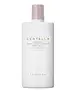
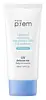
SKIN1004 Madagascar Centella Poremizing Velvet Finish Sunscreen SPF 50+ Versus Make p:rem UV Defense Me. Daily Sun Essence SPF50+ PA++++
This hybrid sunscreen covers the full UV range and blocks ~98% of UVB at SPF 50.
This chemical sunscreen covers the full UV range and blocks ~98% of UVB at SPF 50.

What's inside
What's inside
 Key Ingredients
Benefits
Concerns
Ingredients Side-by-side
Water
Skin ConditioningZinc Oxide
Cosmetic Colorant


Caprylyl Methicone
Skin Conditioning
Butyloctyl Salicylate
Skin Conditioning
C9-12 Alkane
SolventDipropylene Glycol
HumectantPropylheptyl Caprylate
EmollientPolyglyceryl-3 Polydimethylsiloxyethyl Dimethicone
Skin Conditioning
Niacinamide
Smoothing










Methyl Trimethicone
Skin Conditioning
Dicaprylyl Ether
Emollient
Titanium Dioxide
Cosmetic Colorant
C12-15 Alkyl Benzoate
AntimicrobialMethyl Methacrylate Crosspolymer
Vinyl Dimethicone/Methicone Silsesquioxane Crosspolymer
Disteardimonium Hectorite
StabilisingMagnesium Sulfate
Triethoxycaprylylsilane
Sodium Potassium Aluminum Silicate
1,2-Hexanediol
Skin Conditioning
Polyglyceryl-2 Dipolyhydroxystearate
Skin Conditioning

Lauryl Polyglyceryl-3 Polydimethylsiloxyethyl Dimethicone
Skin Conditioning
Dimethicone/Vinyl Dimethicone Crosspolymer
Skin Conditioning
Octyldodecanol
Emollient
Silica
Abrasive
Polyhydroxystearic Acid
Emulsifying
Dimethiconol
Emollient
Trisiloxane
Skin Conditioning
CI 77492
Cosmetic ColorantDibutyl Adipate
EmollientPoly C10-30 Alkyl Acrylate
Emulsion StabilisingCaprylyl Glycol
Emollient
Glyceryl Caprylate
EmollientNeopentyl Glycol Diethylhexanoate
Emollient
Ethylhexylglycerin
Skin ConditioningAluminum Hydroxide
EmollientCI 77491
Cosmetic ColorantAdenosine
Skin Conditioning
Echium Plantagineum Seed Oil
Skin Conditioning
Polymethyl Methacrylate
Helianthus Annuus Seed Oil Unsaponifiables
Emollient
CI 77499
Cosmetic ColorantTocopherol
Antioxidant

Cardiospermum Halicacabum Flower/Leaf/Vine Extract
Skin ConditioningCentella Asiatica Extract
Cleansing
Sea Salt
Abrasive
Saccharomyces Ferment Filtrate
Humectant
Propanediol
Solvent
Glycerin
Humectant
Aloe Barbadensis Leaf Extract
Emollient
Butylene Glycol
Humectant
Bombax Malabaricum Flower Extract
HumectantWater, Zinc Oxide, Caprylyl Methicone, Butyloctyl Salicylate, C9-12 Alkane, Dipropylene Glycol, Propylheptyl Caprylate, Polyglyceryl-3 Polydimethylsiloxyethyl Dimethicone, Niacinamide, Methyl Trimethicone, Dicaprylyl Ether, Titanium Dioxide, C12-15 Alkyl Benzoate, Methyl Methacrylate Crosspolymer, Vinyl Dimethicone/Methicone Silsesquioxane Crosspolymer, Disteardimonium Hectorite, Magnesium Sulfate, Triethoxycaprylylsilane, Sodium Potassium Aluminum Silicate, 1,2-Hexanediol, Polyglyceryl-2 Dipolyhydroxystearate, Lauryl Polyglyceryl-3 Polydimethylsiloxyethyl Dimethicone, Dimethicone/Vinyl Dimethicone Crosspolymer, Octyldodecanol, Silica, Polyhydroxystearic Acid, Dimethiconol, Trisiloxane, CI 77492, Dibutyl Adipate, Poly C10-30 Alkyl Acrylate, Caprylyl Glycol, Glyceryl Caprylate, Neopentyl Glycol Diethylhexanoate, Ethylhexylglycerin, Aluminum Hydroxide, CI 77491, Adenosine, Echium Plantagineum Seed Oil, Polymethyl Methacrylate, Helianthus Annuus Seed Oil Unsaponifiables, CI 77499, Tocopherol, Cardiospermum Halicacabum Flower/Leaf/Vine Extract, Centella Asiatica Extract, Sea Salt, Saccharomyces Ferment Filtrate, Propanediol, Glycerin, Aloe Barbadensis Leaf Extract, Butylene Glycol, Bombax Malabaricum Flower Extract
Water
Skin ConditioningDibutyl Adipate
EmollientPropanediol
Solvent
Diethylamino Hydroxybenzoyl Hexyl Benzoate
UV Filter
Polymethylsilsesquioxane
Ethylhexyl Triazone
UV Absorber
Methylene Bis-Benzotriazolyl Tetramethylbutylphenol
UV Filter
Coco-Caprylate/Caprate
Emollient
Caprylyl Methicone
Skin Conditioning
Diethylhexyl Butamido Triazone
UV Absorber
Glycerin
Humectant
Butylene Glycol
Humectant
1,2-Hexanediol
Skin Conditioning
Moringa Oleifera Seed Extract
Skin Conditioning
Lespedeza Capitata Leaf/Stem Extract
Skin ConditioningCardiospermum Halicacabum Flower/Leaf/Vine Extract
Skin ConditioningRosmarinus Officinalis Leaf Extract
AntimicrobialNymphaea Alba Flower Extract
Skin ConditioningBambusa Vulgaris Water
Skin ConditioningRibes Nigrum Seed Oil
Emollient
Helianthus Annuus Seed Oil
Emollient
Pyrus Communis Fruit Extract
Skin ConditioningPrunus Persica Fruit Extract
Abrasive
Cucumis Melo Fruit Extract
Skin ConditioningHedera Helix Leaf/Stem Extract
AntimicrobialRosa Damascena Flower Water
Masking
Jasminum Officinale Flower Water
MaskingPentylene Glycol
Skin Conditioning
Behenyl Alcohol
Emollient
Poly C10-30 Alkyl Acrylate
Emulsion StabilisingPolyglyceryl-3 Methylglucose Distearate
Emulsifying
Decyl Glucoside
Cleansing
Tromethamine
BufferingCarbomer
Emulsion StabilisingAcrylates/C10-30 Alkyl Acrylate Crosspolymer
Emulsion StabilisingSodium Stearoyl Glutamate
CleansingPolyacrylate Crosspolymer-6
Emulsion StabilisingEthylhexylglycerin
Skin ConditioningXanthan Gum
EmulsifyingT-Butyl Alcohol
Perfuming




Tocopherol
Antioxidant
Octyldodecanol
Emollient
Dipropylene Glycol
HumectantMaltodextrin
Absorbent
Sodium Palmitoyl Proline
Skin ConditioningFructan
Skin ConditioningHelianthus Annuus Seed Oil Unsaponifiables
Emollient
Biosaccharide Gum-4
Skin Conditioning
Water, Dibutyl Adipate, Propanediol, Diethylamino Hydroxybenzoyl Hexyl Benzoate, Polymethylsilsesquioxane, Ethylhexyl Triazone, Methylene Bis-Benzotriazolyl Tetramethylbutylphenol, Coco-Caprylate/Caprate, Caprylyl Methicone, Diethylhexyl Butamido Triazone, Glycerin, Butylene Glycol, 1,2-Hexanediol, Moringa Oleifera Seed Extract, Lespedeza Capitata Leaf/Stem Extract, Cardiospermum Halicacabum Flower/Leaf/Vine Extract, Rosmarinus Officinalis Leaf Extract, Nymphaea Alba Flower Extract, Bambusa Vulgaris Water, Ribes Nigrum Seed Oil, Helianthus Annuus Seed Oil, Pyrus Communis Fruit Extract, Prunus Persica Fruit Extract, Cucumis Melo Fruit Extract, Hedera Helix Leaf/Stem Extract, Rosa Damascena Flower Water, Jasminum Officinale Flower Water, Pentylene Glycol, Behenyl Alcohol, Poly C10-30 Alkyl Acrylate, Polyglyceryl-3 Methylglucose Distearate, Decyl Glucoside, Tromethamine, Carbomer, Acrylates/C10-30 Alkyl Acrylate Crosspolymer, Sodium Stearoyl Glutamate, Polyacrylate Crosspolymer-6, Ethylhexylglycerin, Xanthan Gum, T-Butyl Alcohol, Tocopherol, Octyldodecanol, Dipropylene Glycol, Maltodextrin, Sodium Palmitoyl Proline, Fructan, Helianthus Annuus Seed Oil Unsaponifiables, Biosaccharide Gum-4
Reviews
Ingredients Explained
These ingredients are found in both products.
Ingredients higher up in an ingredient list are typically present in a larger amount.
1,2-Hexanediol is a synthetic liquid and another multi-functional powerhouse.
It is a:
- Humectant, drawing moisture into the skin
- Emollient, helping to soften skin
- Solvent, dispersing and stabilizing formulas
- Preservative booster, enhancing the antimicrobial activity of other preservatives
Butylene Glycol (or BG) is used within cosmetic products for a few different reasons:
Overall, Butylene Glycol is a safe and well-rounded ingredient that works well with other ingredients.
Though this ingredient works well with most skin types, some people with sensitive skin may experience a reaction such as allergic rashes, closed comedones, or itchiness.
Learn more about Butylene GlycolCaprylyl Methicone is a synthetic and lightweight silicone fluid. It gives products a silky, dry-touch finish without the heaviness of pure oils.
Though the EU CosIng Database lists this ingredient as a skin conditioner, it is also used for sensory reasons. It spreads easily, cuts greasiness, and reduces tackiness.
This ingredient is volatile which means it will mostly evaporate (but it evaporates slower than older cyclomethicones, like Cyclotetrasiloxane).
Typical concentration ranges from 1-30% depending on if it's being used to tweak the feel of a product or acting as the main emollient.
Learn more about Caprylyl MethiconeCardiospermum halicacabum extract is more commonly known as Balloon Vine Extract.
Dibutyl Adipate is a lightweight, oil-soluble ester that acts as an emollient and solvent. It helps products spread more easily and leaves a soft, silky, dry-touch finish without being greasy.
You'll likely see this ingredient in sunscreens because it does a nice job dissolving UV filters and keeping them evenly distributed.
This ingredient has been found to be safe as used in cosmetics, wasn't a skin or eye irritant in clinical patch testing, and wasn't phototoxic.
In a clinical comedogenicity test, this ingredient tested negative so it isn't likely to clog pores.
Typical use levels are about 5-8% for sunscreens + nail products, but can range from 0.005%-8% depending on the product.
Learn more about Dibutyl AdipateDipropylene Glycol is a synthetically created humectant, stabilizer, and solvent.
This ingredient helps:
Dipropylene glycol is technically an alcohol, but it belongs to the glycol family (often considered part of the ‘good’ alcohols). This means it is hydrating and gentle on skin unlike drying solvent alcohols like denatured alcohol.
As a masking agent, Dipropylene Glycol can be used to cover the smell of other ingredients. However, it does not have a scent.
Studies show Dipropylene Glycol is considered safe to use in skincare.
Learn more about Dipropylene GlycolEthylhexylglycerin is created from glycerin. It is a multitasker ingredient that:
The CIR Expert Panel found minimal skin absorption or sensitization of any kind in a safety assessment. Though this ingredient is considered well-tolerated, a small number of cases of allergic dermatitis have been published since 2002. Just be sure to patch test if you are unsure.
Industry-reported use ranges from 8% in rinse-off products and 2% in leave-on formulations.
Learn more about EthylhexylglycerinGlycerin (or glycerol) is a compound naturally found in your skin. It's a powerhouse humectant that pulls water into the stratum corneum.
Topically, glycerin does several things at once:
Your skin makes glycerin on its own (mostly from sebaceous oil breakdown) and shuttles it to your outermost layer of skin, or your epidermis, via aquaporin-3.
Aquaporin-3 is a transporter that is essential for normal skin hydration, elasticity, and repair. Interestingly, mice lacking in AQP3 have dry and less elastic skin that can be fully corrected with glycerin.
This ingredient is non-irritating, plays well with almost every ingredient, and works across all skin types. Typical use is anywhere between 3-10% but can go up to 79% in some leave-on products.
Just know very high concentrations (>40%) can feel tacky in low humidity.
Glycerin is the name for this ingredient in American English. British English uses Glycerol/Glycerine.
Learn more about GlycerinThis ingredient is the small fraction of sunflower seed oil (~1.5-2% of the whole oil) that cannot be turned into soap.
This concentrated fraction is rich in skin-nourishing compounds like free fatty acids, tocopherols, and phytosterols. Linoleic acid makes up about 48-74% of its composition.
Unsaponifiables have high antioxidant potential due to the tocopherols, carotenoids, and phenolic acids that help protect skin from free radical damage. On the other hand, linoleic acid supports the skin's barrier by replenishing ceramides and reducing transepidermal water loss.
A manufacturer-sponsored clinical study found that a cream with 2% of this ingredient increased skin moisturization by 48.6% after 1 hour and 34.2% after 24 hours.
Using this cream twice-daily for 4 weeks showed meaningful improvement in dryness, roughness, and desquamation (the shedding of dead skin cells).
Keep in mind this is a small, industry-funded study so it'd be great to see independent replication. However, the mechanism is consistent with well-establish linoleic and phytosterol research.
While this ingredient is generally considered safe, those with an Asteraceae/Compositae plant allergy should patch test this ingredient.
Fungal acne: this ingredient is not considered safe for fungal acne because the Malassezia yeast preferentially metabolizes in the C11-24 range. Linoleic acid falls into this range at C18.
Learn more about Helianthus Annuus Seed Oil UnsaponifiablesOctyldodecanol is a fatty alcohol sourced from plant oils like coconut or palm (or made synthetically).
It is:
You'll likely see this in many BHA products because this is the go-to solvent for salicylic acid.
This ingredient is typically used at levels between 2-20%.
Regarding fungal acne:
In 2019, this ingredient was tested against multiple Malassezia species (the yeast that causes fungal acne) and showed no growth.
Poly C10-30 Alkyl Acrylate is a synthetic polymer. It's a long chain built from acrylic acid units and each unit carries a fatty "tail" derived form a C10-30 alcohol.
Those oil-loving tails allow this ingredient to thicken oil phases, hold emulsions together, and cuts the tacky/greasy feel of heavy formulas.
Typical use levels sit around 0.1-3%, with 0.3-3% more common in leave-on emulsions.
This ingredient was reviewed as part of a group of 126 acrylates and concluded to be safe by the Cosmetic Ingredient Review Expert Panel.
Though acrylate contact allergy is real and well-documented, allergy risk is quite low. The cases of documented contact allergy are caused by unreacted monomers (more commonly found in gel nails, dental resins, and adhesives).
Learn more about Poly C10-30 Alkyl AcrylatePropanediol is an all-star ingredient. It softens, hydrates, and smooths the skin.
It’s often used to:
Propanediol is not likely to cause sensitivity and considered safe to use. It is derived from corn or petroleum with a clear color and no scent.
Learn more about PropanediolTocopherol is a fat-soluble antioxidant known as Vitamin E.
You'll find this ingredient in the vast majority of skincare (for good reason). It works to neutralize free radicals, or unstable molecules generated by UV exposure, pollution, and other environmental stressors, before they can cause oxidative damage to your skin cells.
Topically applied tocopherol has been shown to protect against UV damage by ramping up the skin's own natural defense enzymes.
It also acts as a skin conditioning agent; some studies show that regular topical use can improve the skin's water-binding capacity over 2-4 weeks.
This ingredient is especially loved for being a team player. When combined with Vitamin C, the photoprotective effect of both ingredients roughly doubles and the combo also helps reduce UV-induced DNA damage.
This ingredient has some brightening potential but it's more of a prevention ingredient than spot-fader. Cell studies show it can slow down melanin production but it's worth noting that it's not the most powerful brightener out there.
In formulations, it also serves as a stabilizer that helps protect other oxidation-prone ingredients from degrading.
Concentrations usually range from 0.1-1% in most leave-on products.
Learn more about TocopherolWater. It's the most common cosmetic ingredient of all. You'll usually see it at the top of ingredient lists, meaning that it makes up the largest part of the product.
So why is it so popular? Water most often acts as a solvent - this means that it helps dissolve other ingredients into the formulation.
You'll also recognize water as that liquid we all need to stay alive. If you see this, drink a glass of water. Remember to stay hydrated!
Learn more about Water

