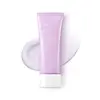
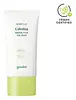
Shingmulnara White Rice Purple Tone Up Moisture Sun Cream SPF 50+ Versus Goodal Heartleaf Calming Mineral Filter Sun Cream SPF 50+
This hybrid sunscreen covers the full UV range and blocks ~98% of UVB at SPF 50.
This mineral sunscreen covers the full UV range and blocks ~98% of UVB at SPF 50.

What's inside
What's inside
 Key Ingredients
Benefits
Concerns
Ingredients Side-by-side
Water
Skin ConditioningDibutyl Adipate
EmollientPropanediol
Solvent

Titanium Dioxide
Cosmetic Colorant

Diisobutyl Adipate
EmollientButyloctyl Salicylate
Skin Conditioning
Caprylic/Capric Triglyceride
Masking
Diethylamino Hydroxybenzoyl Hexyl Benzoate
UV Filter
Ethylhexyl Triazone
UV Absorber
Dicaprylyl Carbonate
EmollientNiacinamide
Smoothing










Glycerin
Humectant
Diethylhexyl Butamido Triazone
UV Absorber
1,2-Hexanediol
Skin Conditioning
Methyl Trimethicone
Skin Conditioning
Avena Sativa Kernel Extract
Abrasive

Cynara Scolymus Leaf Extract
Skin ConditioningOryza Sativa Extract
Absorbent
Camellia Sinensis Leaf Water
Masking
Hydrogenated Lecithin
Emulsifying
Pentylene Glycol
Skin Conditioning
Dimethicone/Vinyl Dimethicone Crosspolymer
Skin Conditioning
Polyhydroxystearic Acid
Emulsifying

Vp/Eicosene Copolymer
Ammonium Polyacryloyldimethyl Taurate
Emulsion StabilisingStearic Acid
Cleansing
Methylpropanediol
SolventSodium Polyacryloyldimethyl Taurate
Emulsion StabilisingButylene Glycol
Humectant
Alumina
Abrasive
Dimethiconol
Emollient
Trisiloxane
Skin Conditioning
Panthenol
Skin Conditioning
Hydroxypropyl Methylcellulose Stearoxy Ether
Sodium Acrylate/Vinyl Alcohol Copolymer
Emulsion StabilisingEthylhexylglycerin
Skin ConditioningPolyacrylate Crosspolymer-6
Emulsion StabilisingAdenosine
Skin Conditioning
Silica
Abrasive
Sodium Acrylic Acid/Ma Copolymer
Sodium Polyacrylate
Absorbent
Xanthan Gum
EmulsifyingPolyquaternium-51
Skin Conditioning
Beta-Glucan
Skin Conditioning
T-Butyl Alcohol
Perfuming



Caprylyl Glycol
Emollient
Triethoxycaprylylsilane
Polyether-1
Tocopherol
Antioxidant
Oxygen
Skin ConditioningParfum
Masking
Ultramarines
Water, Dibutyl Adipate, Propanediol, Titanium Dioxide, Diisobutyl Adipate, Butyloctyl Salicylate, Caprylic/Capric Triglyceride, Diethylamino Hydroxybenzoyl Hexyl Benzoate, Ethylhexyl Triazone, Dicaprylyl Carbonate, Niacinamide, Glycerin, Diethylhexyl Butamido Triazone, 1,2-Hexanediol, Methyl Trimethicone, Avena Sativa Kernel Extract, Cynara Scolymus Leaf Extract, Oryza Sativa Extract, Camellia Sinensis Leaf Water, Hydrogenated Lecithin, Pentylene Glycol, Dimethicone/Vinyl Dimethicone Crosspolymer, Polyhydroxystearic Acid, Vp/Eicosene Copolymer, Ammonium Polyacryloyldimethyl Taurate, Stearic Acid, Methylpropanediol, Sodium Polyacryloyldimethyl Taurate, Butylene Glycol, Alumina, Dimethiconol, Trisiloxane, Panthenol, Hydroxypropyl Methylcellulose Stearoxy Ether, Sodium Acrylate/Vinyl Alcohol Copolymer, Ethylhexylglycerin, Polyacrylate Crosspolymer-6, Adenosine, Silica, Sodium Acrylic Acid/Ma Copolymer, Sodium Polyacrylate, Xanthan Gum, Polyquaternium-51, Beta-Glucan, T-Butyl Alcohol, Caprylyl Glycol, Triethoxycaprylylsilane, Polyether-1, Tocopherol, Oxygen, Parfum, Ultramarines
Zinc Oxide
Cosmetic Colorant
Zinc Gluconate
Skin Conditioning
Zinc Lactate
Water
Skin ConditioningHouttuynia Cordata Extract
Skin Conditioning
Butylene Glycol
Humectant
Glycerin
Humectant
C13-16 Isoparaffin
Solvent
Betaine
Humectant
C12-14 Isoparaffin
Solvent
Pentylene Glycol
Skin Conditioning
1,2-Hexanediol
Skin Conditioning
Hydrogenated Polydecene
EmollientVinyldimethicone
Caprylyl Methicone
Skin Conditioning
Hydroxyethyl Acrylate/Sodium Acryloyldimethyl Taurate Copolymer
Emulsion StabilisingPanthenol
Skin Conditioning
Acrylates/C10-30 Alkyl Acrylate Crosspolymer
Emulsion StabilisingDimethicone/Vinyl Dimethicone Crosspolymer
Skin Conditioning
Dimethiconol
Emollient
Tromethamine
BufferingDipotassium Glycyrrhizate
Humectant
Xanthan Gum
EmulsifyingEthylhexylglycerin
Skin ConditioningGlyceryl Acrylate/Acrylic Acid Copolymer
HumectantDisodium EDTA
ChelatingMelia Azadirachta Flower Extract
Skin ConditioningMelia Azadirachta Leaf Extract
Skin ConditioningSilica
Abrasive
Madecassoside
Antioxidant
Curcuma Longa Root Extract
Antioxidant
Dextrin
AbsorbentOcimum Sanctum Leaf Extract
Skin ConditioningTheobroma Cacao Seed Extract
Antioxidant
Ocimum Basilicum Oil
Masking
Corallina Officinalis Extract
Skin Conditioning
Asiaticoside
Antioxidant
Citrus Aurantium Dulcis Peel Oil
Masking
Lavandula Angustifolia Oil
Masking
Centella Asiatica Leaf Extract
Skin Conditioning
Tocopherol
Antioxidant
Zinc Oxide, Zinc Gluconate, Zinc Lactate, Water, Houttuynia Cordata Extract, Butylene Glycol, Glycerin, C13-16 Isoparaffin, Betaine, C12-14 Isoparaffin, Pentylene Glycol, 1,2-Hexanediol, Hydrogenated Polydecene, Vinyldimethicone, Caprylyl Methicone, Hydroxyethyl Acrylate/Sodium Acryloyldimethyl Taurate Copolymer, Panthenol, Acrylates/C10-30 Alkyl Acrylate Crosspolymer, Dimethicone/Vinyl Dimethicone Crosspolymer, Dimethiconol, Tromethamine, Dipotassium Glycyrrhizate, Xanthan Gum, Ethylhexylglycerin, Glyceryl Acrylate/Acrylic Acid Copolymer, Disodium EDTA, Melia Azadirachta Flower Extract, Melia Azadirachta Leaf Extract, Silica, Madecassoside, Curcuma Longa Root Extract, Dextrin, Ocimum Sanctum Leaf Extract, Theobroma Cacao Seed Extract, Ocimum Basilicum Oil, Corallina Officinalis Extract, Asiaticoside, Citrus Aurantium Dulcis Peel Oil, Lavandula Angustifolia Oil, Centella Asiatica Leaf Extract, Tocopherol
Reviews
Ingredients Explained
These ingredients are found in both products.
Ingredients higher up in an ingredient list are typically present in a larger amount.
1,2-Hexanediol is a synthetic liquid and another multi-functional powerhouse.
It is a:
- Humectant, drawing moisture into the skin
- Emollient, helping to soften skin
- Solvent, dispersing and stabilizing formulas
- Preservative booster, enhancing the antimicrobial activity of other preservatives
Butylene Glycol (or BG) is used within cosmetic products for a few different reasons:
Overall, Butylene Glycol is a safe and well-rounded ingredient that works well with other ingredients.
Though this ingredient works well with most skin types, some people with sensitive skin may experience a reaction such as allergic rashes, closed comedones, or itchiness.
Learn more about Butylene GlycolThis ingredient is a silicone elastomer that works as a texture enhancer, adds a silky slip, and also helps absorb excess oil.
Because it's a large macromolecule that's insoluble in water and chemically inert, it's not expected to penetrate or be absorbed into skin.
Human patch tests with a facial lotion containing 1% of this ingredient found no sensitization.
Learn more about Dimethicone/Vinyl Dimethicone CrosspolymerDimethiconol is a silicone that resembles the popular dimethicone. Like other silicones, it is an emollient. Emollients create a thin film on skin to prevent moisture from escaping.
This ingredient helps to create a silky texture and improve spreadability. Due to its high molecular weight and thickness, it is often combined with cyclopentasiloxane.
Ethylhexylglycerin is created from glycerin. It is a multitasker ingredient that:
The CIR Expert Panel found minimal skin absorption or sensitization of any kind in a safety assessment. Though this ingredient is considered well-tolerated, a small number of cases of allergic dermatitis have been published since 2002. Just be sure to patch test if you are unsure.
Industry-reported use ranges from 8% in rinse-off products and 2% in leave-on formulations.
Learn more about EthylhexylglycerinGlycerin (or glycerol) is a compound naturally found in your skin. It's a powerhouse humectant that pulls water into the stratum corneum.
Topically, glycerin does several things at once:
Your skin makes glycerin on its own (mostly from sebaceous oil breakdown) and shuttles it to your outermost layer of skin, or your epidermis, via aquaporin-3.
Aquaporin-3 is a transporter that is essential for normal skin hydration, elasticity, and repair. Interestingly, mice lacking in AQP3 have dry and less elastic skin that can be fully corrected with glycerin.
This ingredient is non-irritating, plays well with almost every ingredient, and works across all skin types. Typical use is anywhere between 3-10% but can go up to 79% in some leave-on products.
Just know very high concentrations (>40%) can feel tacky in low humidity.
Glycerin is the name for this ingredient in American English. British English uses Glycerol/Glycerine.
Learn more about GlycerinPanthenol is a common ingredient that helps hydrate and soothe the skin. It is found naturally in our skin and hair.
There are two forms of panthenol: D and L.
D-panthenol is also known as dexpanthenol. Most cosmetics use dexpanthenol or a mixture of D and L-panthenol.
Panthenol is famous due to its ability to go deeper into the skin's layers. Using this ingredient has numerous pros (and no cons):
Like hyaluronic acid, panthenol is a humectant. Humectants are able to bind and hold large amounts of water to keep skin hydrated.
This ingredient works well for wound healing. It works by increasing tissue in the wound and helps close open wounds.
Once oxidized, panthenol converts to pantothenic acid. Panthothenic acid is found in all living cells.
This ingredient is also referred to as pro-vitamin B5.
Learn more about PanthenolPentylene Glycol (1,2-pentanediol) is a multitasking little diol with three main roles in a formula:
Research on alkanediols (the family pentylene glycol belongs to) show they work by disrupting microbial cell membranes. This disruption helps the primary preservative system in a product work more effectively at lower doses.
On the safety side, the Cosmetic Ingredient Review Expert Panel has concluded this ingredient to be safe as used in current cosmetic practices + concentrations.
Typical use levels in a formula run about 1-5%.
Learn more about Pentylene GlycolSilica, also known as silicon dioxide, is a naturally occurring mineral. It is used as a fine, spherical, and porous powder in cosmetics.
Though it has exfoliant properties, the function of silica varies depending on the product.
The unique structure of silica enhances the spreadability and adds smoothness, making it a great texture enhancer.
It is also used as an active carrier, emulsifier, and mattifier due to its ability to absorb excess oil.
In some products, tiny microneedles called spicules are made from silica or hydrolyzed sponge. When you rub them in, they lightly polish away dead skin layers and enhance the penetration of active ingredients.
Learn more about SilicaTocopherol is a fat-soluble antioxidant known as Vitamin E.
You'll find this ingredient in the vast majority of skincare (for good reason). It works to neutralize free radicals, or unstable molecules generated by UV exposure, pollution, and other environmental stressors, before they can cause oxidative damage to your skin cells.
Topically applied tocopherol has been shown to protect against UV damage by ramping up the skin's own natural defense enzymes.
It also acts as a skin conditioning agent; some studies show that regular topical use can improve the skin's water-binding capacity over 2-4 weeks.
This ingredient is especially loved for being a team player. When combined with Vitamin C, the photoprotective effect of both ingredients roughly doubles and the combo also helps reduce UV-induced DNA damage.
This ingredient has some brightening potential but it's more of a prevention ingredient than spot-fader. Cell studies show it can slow down melanin production but it's worth noting that it's not the most powerful brightener out there.
In formulations, it also serves as a stabilizer that helps protect other oxidation-prone ingredients from degrading.
Concentrations usually range from 0.1-1% in most leave-on products.
Learn more about TocopherolWater. It's the most common cosmetic ingredient of all. You'll usually see it at the top of ingredient lists, meaning that it makes up the largest part of the product.
So why is it so popular? Water most often acts as a solvent - this means that it helps dissolve other ingredients into the formulation.
You'll also recognize water as that liquid we all need to stay alive. If you see this, drink a glass of water. Remember to stay hydrated!
Learn more about WaterXanthan gum is used as a stabilizer and thickener within cosmetic products. It helps give products a sticky, thick feeling - preventing them from being too runny.
On the technical side of things, xanthan gum is a polysaccharide - a combination consisting of multiple sugar molecules bonded together.
Xanthan gum is a pretty common and great ingredient. It is a natural, non-toxic, non-irritating ingredient that is also commonly used in food products.
Learn more about Xanthan Gum

