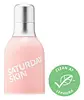
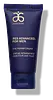
Saturday Skin Wide Awake Brightening Eye Cream with Avocado Versus Arbonne Re9 Advanced® For Men Eye Repair Cream
This brightening eye moisturizer is formulated around Ascorbic Acid and Sh-Oligopeptide-1 to brighten dull-looking skin.
This anti-aging eye moisturizer is formulated around Tetrahexyldecyl Ascorbate and Adenosine to soften the look of wrinkles and fade the look of dark spots.


What's inside
What's inside
 Key Ingredients
Benefits
Concerns
Ingredients Side-by-side
Water
Skin ConditioningGlycerin
Humectant


Butylene Glycol
Humectant
Cyclopentasiloxane
Emollient
Trehalose
Humectant
Pentylene Glycol
Skin Conditioning
Polyglycerin-3
Humectant
Pyrus Malus Seed Oil
Emollient
1,2-Hexanediol
Skin Conditioning
Pyrus Malus Fruit Water
MaskingCitrus Limon Peel Oil
Masking





Juniperus Mexicana Oil
Masking
Citrus Aurantium Dulcis Peel Oil
Masking
Citrus Grandis Peel Oil
Masking
Eucalyptus Globulus Leaf Oil
Perfuming
Lavandula Angustifolia Oil
Masking
Rosmarinus Officinalis Leaf Oil
Masking
Phoenix Dactylifera Seed
Skin ConditioningHydrolyzed Avocado Protein
Skin ConditioningDipentaerythrityl Hexa C5-9 Acid Esters
Skin ConditioningCyclohexasiloxane
Emollient
Glyceryl Stearate
Emollient
Hydroxyethyl Acrylate/Sodium Acryloyldimethyl Taurate Copolymer
Emulsion StabilisingPEG-100 Stearate
Surfactant
Dimethicone/Vinyl Dimethicone Crosspolymer
Skin Conditioning
Propanediol
Solvent
Acrylates/C10-30 Alkyl Acrylate Crosspolymer
Emulsion StabilisingPEG-11 Methyl Ether Dimethicone
Emulsifying
Tromethamine
BufferingPEG/PPG-19/19 Dimethicone
Emulsifying
Hydrogenated Lecithin
Emulsifying
Ascorbic Acid
Antioxidant




Cholesterol
Emollient
PEG-800
HumectantPolysorbate 20
Emulsifying
Maltodextrin
Absorbent
Saccharide Hydrolysate
HumectantPolyglutamic Acid
Skin Conditioning
Sodium Hyaluronate
Humectant
Sh-Oligopeptide-1
Skin Conditioning
Sh-Polypeptide-1
Skin Conditioning
Sh-Oligopeptide-2
Skin Conditioning
Sh-Polypeptide-22
Skin Conditioning
Sh-Polypeptide-45
Skin Conditioning
Sh-Polypeptide-8
Humectant
Sh-Polypeptide-9
Skin Conditioning
Cetearyl Alcohol
Emollient



Xanthan Gum
EmulsifyingDisodium EDTA
ChelatingWater, Glycerin, Butylene Glycol, Cyclopentasiloxane, Trehalose, Pentylene Glycol, Polyglycerin-3, Pyrus Malus Seed Oil, 1,2-Hexanediol, Pyrus Malus Fruit Water, Citrus Limon Peel Oil, Juniperus Mexicana Oil, Citrus Aurantium Dulcis Peel Oil, Citrus Grandis Peel Oil, Eucalyptus Globulus Leaf Oil, Lavandula Angustifolia Oil, Rosmarinus Officinalis Leaf Oil, Phoenix Dactylifera Seed, Hydrolyzed Avocado Protein, Dipentaerythrityl Hexa C5-9 Acid Esters, Cyclohexasiloxane, Glyceryl Stearate, Hydroxyethyl Acrylate/Sodium Acryloyldimethyl Taurate Copolymer, PEG-100 Stearate, Dimethicone/Vinyl Dimethicone Crosspolymer, Propanediol, Acrylates/C10-30 Alkyl Acrylate Crosspolymer, PEG-11 Methyl Ether Dimethicone, Tromethamine, PEG/PPG-19/19 Dimethicone, Hydrogenated Lecithin, Ascorbic Acid, Cholesterol, PEG-800, Polysorbate 20, Maltodextrin, Saccharide Hydrolysate, Polyglutamic Acid, Sodium Hyaluronate, Sh-Oligopeptide-1, Sh-Polypeptide-1, Sh-Oligopeptide-2, Sh-Polypeptide-22, Sh-Polypeptide-45, Sh-Polypeptide-8, Sh-Polypeptide-9, Cetearyl Alcohol, Xanthan Gum, Disodium EDTA
Water
Skin ConditioningCaprylic/Capric Triglyceride
Masking
Jojoba Esters
Emollient
Cetearyl Olivate
Glycerin
Humectant
Coco-Caprylate
Emollient
Helianthus Annuus Seed Wax
Skin Conditioning
Sorbitan Olivate
Emulsifying
Caprylyl Glycol
Emollient
Glyceryl Stearate Se
Emulsifying
Cetearyl Alcohol
Emollient
Vinyl Dimethicone/Methicone Silsesquioxane Crosspolymer

Carbomer
Emulsion StabilisingSorbitan Palmitate
Emulsifying
Sorbitan Oleate
Emulsifying
Hydrolyzed Manihot Esculenta Tuber Extract
Skin ConditioningLaminaria Digitata Extract
Skin Protecting
Sophora Japonica Flower Extract
Skin ProtectingAcacia Decurrens Flower Wax
Emollient
Malachite Extract
Antioxidant
Tetrahexyldecyl Ascorbate
Antioxidant
Cetyl Palmitate
Emollient
Propyl Gallate
Antioxidant
Polyglycerin-3
Humectant
Epigallocatechin Gallatyl Glucoside
Antioxidant
Gallyl Glucoside
Antioxidant
Adenosine
Skin Conditioning
Tocopherol
Antioxidant
Propanediol
Solvent
1,2-Hexanediol
Skin Conditioning
Sodium Chloride
MaskingCaprylhydroxamic Acid
ChelatingTrisodium Ethylenediamine Disuccinate
ChelatingSodium Carbonate
BufferingCitric Acid
Buffering
Sodium Hydroxide
BufferingPhenoxyethanol
Preservative
Benzyl Alcohol
Perfuming
Dehydroacetic Acid
Preservative
Water, Caprylic/Capric Triglyceride, Jojoba Esters, Cetearyl Olivate, Glycerin, Coco-Caprylate, Helianthus Annuus Seed Wax, Sorbitan Olivate, Caprylyl Glycol, Glyceryl Stearate Se, Cetearyl Alcohol, Vinyl Dimethicone/Methicone Silsesquioxane Crosspolymer, Carbomer, Sorbitan Palmitate, Sorbitan Oleate, Hydrolyzed Manihot Esculenta Tuber Extract, Laminaria Digitata Extract, Sophora Japonica Flower Extract, Acacia Decurrens Flower Wax, Malachite Extract, Tetrahexyldecyl Ascorbate, Cetyl Palmitate, Propyl Gallate, Polyglycerin-3, Epigallocatechin Gallatyl Glucoside, Gallyl Glucoside, Adenosine, Tocopherol, Propanediol, 1,2-Hexanediol, Sodium Chloride, Caprylhydroxamic Acid, Trisodium Ethylenediamine Disuccinate, Sodium Carbonate, Citric Acid, Sodium Hydroxide, Phenoxyethanol, Benzyl Alcohol, Dehydroacetic Acid
Reviews
Ingredients Explained
These ingredients are found in both products.
Ingredients higher up in an ingredient list are typically present in a larger amount.
1,2-Hexanediol is a synthetic liquid and another multi-functional powerhouse.
It is a:
- Humectant, drawing moisture into the skin
- Emollient, helping to soften skin
- Solvent, dispersing and stabilizing formulas
- Preservative booster, enhancing the antimicrobial activity of other preservatives
Cetearyl alcohol is a waxy mixture of two fatty alcohols: cetyl alcohol and stearyl alcohol. It is an emollient and emulsifier.
Despite having "alcohol" in its name, it has nothing to do with drying solvent alcohols; the FDA also allows "alcohol-free" products to contain fatty alcohols like this ingredient.
It plays several roles in a formula:
Typical use levels for this ingredient sit around 1-10% and the Cosmetic Ingredient Review Expert Panel has affirmed safety at concentrations up to 25% in leave-on products.
Multiple assessments have found it to be non-irritating and non-sensitizing to most people.
However, there have been some cases of allergic contact dermatitis in patients with chronically compromised skin barriers.
Cetearyl alcohol has a comedogenic rating of 2 and irritancy rating of 1. Both of these numbers come from the 1989 study that used rabbit ears; a "2" means mildly comedogenic and a "1" means low irritancy.
Here's the catch: rabbit skin is more sensitive than human skin and throws a lot of false positives. A 1996 reappraisal found that ingredients rated 1-2 in the rabbit ear tests are generally safe for humans.
Remember comedogenic ratings are unable to assess the entire formula of a product or how it will react on your skin. Just be sure to patch test if you are unsure about certain ingredients.
This ingredient is not fungal acne safe. Cetearyl alcohol is a fatty alcohol with chain lengths that fall within the range that Malassezia can metabolize.
A 2019 study has also observed Malassezia growth in the presence of this ingredient, confirming it to be not-fungal acne safe.
Learn more about Cetearyl AlcoholGlycerin (or glycerol) is a compound naturally found in your skin. It's a powerhouse humectant that pulls water into the stratum corneum.
Topically, glycerin does several things at once:
Your skin makes glycerin on its own (mostly from sebaceous oil breakdown) and shuttles it to your outermost layer of skin, or your epidermis, via aquaporin-3.
Aquaporin-3 is a transporter that is essential for normal skin hydration, elasticity, and repair. Interestingly, mice lacking in AQP3 have dry and less elastic skin that can be fully corrected with glycerin.
This ingredient is non-irritating, plays well with almost every ingredient, and works across all skin types. Typical use is anywhere between 3-10% but can go up to 79% in some leave-on products.
Just know very high concentrations (>40%) can feel tacky in low humidity.
Glycerin is the name for this ingredient in American English. British English uses Glycerol/Glycerine.
Learn more about GlycerinPolyglycerin-3 is a 3-unit glycerin polymer.
Like glycerin, this ingredient is a humectant. Humectants help hydrate your skin by drawing water to it.
Having moisturized skin helps improve the skin barrier. Your skin barrier helps protect against irritants and bacteria.
Learn more about Polyglycerin-3Propanediol is an all-star ingredient. It softens, hydrates, and smooths the skin.
It’s often used to:
Propanediol is not likely to cause sensitivity and considered safe to use. It is derived from corn or petroleum with a clear color and no scent.
Learn more about PropanediolWater. It's the most common cosmetic ingredient of all. You'll usually see it at the top of ingredient lists, meaning that it makes up the largest part of the product.
So why is it so popular? Water most often acts as a solvent - this means that it helps dissolve other ingredients into the formulation.
You'll also recognize water as that liquid we all need to stay alive. If you see this, drink a glass of water. Remember to stay hydrated!
Learn more about Water

