Revolution Beauty Revolution Skincare Ultimate Skin Strength Night Cream Versus Revolution Beauty Pro Miracle Cream
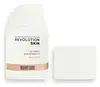
This barrier-repair night moisturizer is formulated around Butyrospermum Parkii Butter and Avena Sativa Kernel Flour to strengthen the skin barrier and hydrate skin.
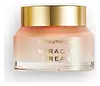
This barrier-repair moisturizer is formulated around Vitis Vinifera Seed Oil and Niacinamide to strengthen the skin barrier and hydrate skin.

What's inside
What's inside
 Key Ingredients
Benefits
Concerns
Ingredients Side-by-side
Water
Skin ConditioningGlycerin
Humectant


Butyrospermum Parkii Butter
Skin Conditioning




Glyceryl Stearate
Emollient
Avena Sativa Kernel Flour
Abrasive

Theobroma Cacao Seed Butter
Emollient
Squalane
Emollient
Phenoxyethanol
Preservative
Cetearyl Alcohol
Emollient

Ammonium Acryloyldimethyltaurate/Vp Copolymer
Sodium Acrylate/Sodium Acryloyldimethyl Taurate Copolymer
Emulsion StabilisingC15-19 Alkane
SolventCetearyl Glucoside
Emulsifying
Pentylene Glycol
Skin Conditioning
Disodium EDTA
ChelatingEthylhexylglycerin
Skin ConditioningPolyglyceryl-6 Laurate
Emulsifying
Fructose
Humectant
Urea
Buffering
Citric Acid
Buffering

Sodium Hydroxide
BufferingPolyglycerin-6
HumectantMaltose
MaskingSodium PCA
Humectant
Sodium Chloride
MaskingSodium Lactate
Buffering
Trehalose
Humectant
Allantoin
Skin Conditioning
Ceramide NP
Skin Conditioning
Glucose
Humectant
2,3-Butanediol
HumectantHydrogenated Lecithin
Emulsifying
Sodium Hyaluronate
Humectant
Palmitoyl Tripeptide-5
Skin Conditioning
Palmitoyl Dipeptide-5 Diaminobutyroyl Hydroxythreonine
Skin Conditioning
Magnesium Chloride
Tetradecyl Aminobutyroylvalylaminobutyric Urea Trifluoroacetate
Skin ConditioningCholesterol
Emollient
Ceramide AP
Skin Conditioning
Ceramide As
Skin Conditioning
Ceramide Ns
Skin Conditioning
Ceramide EOP
Skin Conditioning
Water, Glycerin, Butyrospermum Parkii Butter, Glyceryl Stearate, Avena Sativa Kernel Flour, Theobroma Cacao Seed Butter, Squalane, Phenoxyethanol, Cetearyl Alcohol, Ammonium Acryloyldimethyltaurate/Vp Copolymer, Sodium Acrylate/Sodium Acryloyldimethyl Taurate Copolymer, C15-19 Alkane, Cetearyl Glucoside, Pentylene Glycol, Disodium EDTA, Ethylhexylglycerin, Polyglyceryl-6 Laurate, Fructose, Urea, Citric Acid, Sodium Hydroxide, Polyglycerin-6, Maltose, Sodium PCA, Sodium Chloride, Sodium Lactate, Trehalose, Allantoin, Ceramide NP, Glucose, 2,3-Butanediol, Hydrogenated Lecithin, Sodium Hyaluronate, Palmitoyl Tripeptide-5, Palmitoyl Dipeptide-5 Diaminobutyroyl Hydroxythreonine, Magnesium Chloride, Tetradecyl Aminobutyroylvalylaminobutyric Urea Trifluoroacetate, Cholesterol, Ceramide AP, Ceramide As, Ceramide Ns, Ceramide EOP
Water
Skin ConditioningVitis Vinifera Seed Oil
Emollient
Glycerin
Humectant
Phenyl Trimethicone
Skin Conditioning
Butylene Glycol
Humectant
Isopropyl Isostearate
Emollient
Theobroma Cacao Seed Butter
Emollient
Hydrogenated Ethylhexyl Olivate
EmollientCaprylic/Capric Triglyceride
Masking
Dimethicone
Emollient
Camelina Sativa Seed Oil
Skin Conditioning
Stearyl Alcohol
Emollient
Glyceryl Stearate Se
Emulsifying
Butyrospermum Parkii Butter
Skin Conditioning
Ammonium Acryloyldimethyltaurate/Vp Copolymer
Simmondsia Chinensis Seed Oil
Emollient
Niacinamide
Smoothing




Stearic Acid
Cleansing
Benzyl Alcohol
Perfuming




Cetyl Alcohol
Emollient
Parfum
Masking
Hydrogenated Olive Oil Unsaponifiables
Emollient
Stevia Rebaudiana Extract
Polyacrylamide
C13-14 Isoparaffin
Emollient
Disodium EDTA
ChelatingSodium Ascorbyl Phosphate
Antioxidant

Titanium Dioxide
Cosmetic Colorant

Allantoin
Skin Conditioning
Dehydroacetic Acid
Preservative
Laureth-7
EmulsifyingSodium Hyaluronate
Humectant
Potassium Sorbate
Preservative
Hexyl Cinnamal
Perfuming
Benzyl Salicylate
Perfuming
Caprylyl Glycol
Emollient
Sorbic Acid
Preservative
Benzyl Benzoate
Antimicrobial
Bis(Tripeptide-1) Copper Acetate
Skin Conditioning
Ethylhexylglycerin
Skin ConditioningWater, Vitis Vinifera Seed Oil, Glycerin, Phenyl Trimethicone, Butylene Glycol, Isopropyl Isostearate, Theobroma Cacao Seed Butter, Hydrogenated Ethylhexyl Olivate, Caprylic/Capric Triglyceride, Dimethicone, Camelina Sativa Seed Oil, Stearyl Alcohol, Glyceryl Stearate Se, Butyrospermum Parkii Butter, Ammonium Acryloyldimethyltaurate/Vp Copolymer, Simmondsia Chinensis Seed Oil, Niacinamide, Stearic Acid, Benzyl Alcohol, Cetyl Alcohol, Parfum, Hydrogenated Olive Oil Unsaponifiables, Stevia Rebaudiana Extract, Polyacrylamide, C13-14 Isoparaffin, Disodium EDTA, Sodium Ascorbyl Phosphate, Titanium Dioxide, Allantoin, Dehydroacetic Acid, Laureth-7, Sodium Hyaluronate, Potassium Sorbate, Hexyl Cinnamal, Benzyl Salicylate, Caprylyl Glycol, Sorbic Acid, Benzyl Benzoate, Bis(Tripeptide-1) Copper Acetate, Ethylhexylglycerin
Reviews
Ingredients Explained
These ingredients are found in both products.
Ingredients higher up in an ingredient list are typically present in a larger amount.
Allantoin is a soothing ingredient known for its protective and moisturizing properties; it's basically a quiet workhorse ingredient you can find in a huge range of cosmetics.
Though it can be derived from the comfrey plant, allantoin is produced synthetically for cosmetic products to ensure purity.
Research shows it can encourage your skin cells to turn over and renew by stimulating keratinocyte and fibroblast proliferation.
It also has mild keratolytic properties to help loosen and shed dead skin cells without being harsh.
Studies also suggest allantoin can help calm inflammation by dialing down some of the chemical signals your skin sends out when it is irritated.
This ingredient is typically used in the 0.1-0.5% range, and the FDA recognizes it as a skin protectant in OTC products up to 2%.
Overall, allantoin is a wonderful addition to most routines; it is stable across a wide pH range (~4-8), works well with other ingredients, and is considered non-sensitizing/non-irritating.
Fun fact: Allantoin is naturally occurring in comfrey root, beets, chamomile, and wheat sprouts. Our bodies even produce it as a byproduct of uric acid metabolism.
Learn more about AllantoinAmmonium Acryloyldimethyltaurate/Vp Copolymer is a synthetically created polymer. It's used as a film-forming agent and used to thicken the consistency of products.
Think of it as a supportive ingredient that helps your gel-creams feel silky, "cloud cream-like", and spread evenly without being greasy.
The Cosmetic Ingredient Review (CIR) Expert Panel evaluated it (along with 22 other acryloyldimethyltaurate polymers) and concluded it's:
Due to its large molecular size, it sits on the surface of skin rather than penetrating it.
Learn more about Ammonium Acryloyldimethyltaurate/Vp CopolymerThis ingredient is also known as shea butter. It is a plant-derived extract from the nuts of the Africa shea tree and one of the most well-studied emollients.
Because it has a high concentration of fatty acids (primarily oleic, stearic, and linoleic) it is able to form a protective barrier on the skin's surface. This helps seal in moisture and prevents transepidermal water loss (TEWL).
In vitro research found an increase in skin hydration by 58% and a decrease in TEWL by 37.8% after 24 hours of applying this ingredient (pretty impressive for a single ingredient!).
Besides hydration, shea butter also contains triterpenes that have anti-inflammatory potential. In particule, lupeol cinnamate has shown the highest anti-inflammatory activity in vivo.
Shea butter also contains vitamins A and E which may contribute to antioxidant activity.
While Shea Butter has an SPF rating of about 3-4, it is not a sunscreen replacement.
This ingredient may not be fungal acne safe because its fatty acids fall within the C11-C24 range that the Malassezia yeast can metabolize.
This ingredient shows up on a lot of "pore-clogging" lists but there's no real evidence behind that. It doesn't even have a comedogenic rating from an actual study; the numbers you'll find online come from blogs citing other blogs.
Ratings for other ingredients mostly come from a 1980s rabbit ear test. This test doesn't translate well to human skin or to real products because the ingredient sits at a much lower percentage.
Some people still find it breaks them out. So if that's you, definitely trust your skin. Just know this one's based on experience and not evidence.
Learn more about Butyrospermum Parkii ButterDisodium EDTA is a chelating agent. It grabs onto and deactivates metal ions that sneak into your products from water, packaging, or air.
This ingredient mainly works behind the scenes and helps with:
On top of that, this ingredient can counteract the effects of hard water by binding to the minerals in it.
One thing worth knowing is that Disodium EDTA has been shown to be a mild penetration enhancer. It can help other ingredients absorb into skin more effectively which can be a double-edged sword (great for actives, but can also make the active too strong if you have sensitive skin).
Clinical patch testing showed no significant skin irritation at typical use concentrations and minimal dermal absorption.
You'll most likely see this ingredient near the end of an ingredient list. It's typically found in concentrations less than 1%.
Learn more about Disodium EDTAEthylhexylglycerin is created from glycerin. It is a multitasker ingredient that:
The CIR Expert Panel found minimal skin absorption or sensitization of any kind in a safety assessment. Though this ingredient is considered well-tolerated, a small number of cases of allergic dermatitis have been published since 2002. Just be sure to patch test if you are unsure.
Industry-reported use ranges from 8% in rinse-off products and 2% in leave-on formulations.
Learn more about EthylhexylglycerinGlycerin (or glycerol) is a compound naturally found in your skin. It's a powerhouse humectant that pulls water into the stratum corneum.
Topically, glycerin does several things at once:
Your skin makes glycerin on its own (mostly from sebaceous oil breakdown) and shuttles it to your outermost layer of skin, or your epidermis, via aquaporin-3.
Aquaporin-3 is a transporter that is essential for normal skin hydration, elasticity, and repair. Interestingly, mice lacking in AQP3 have dry and less elastic skin that can be fully corrected with glycerin.
This ingredient is non-irritating, plays well with almost every ingredient, and works across all skin types. Typical use is anywhere between 3-10% but can go up to 79% in some leave-on products.
Just know very high concentrations (>40%) can feel tacky in low humidity.
Glycerin is the name for this ingredient in American English. British English uses Glycerol/Glycerine.
Learn more about GlycerinSodium Hyaluronate is the salt form of hyaluronic acid. It is a long sugar chain that is naturally found in your skin, joints, and connective tissue that maintains hydration and elasticity.
In skincare, it works as a humectant. It pulls water from the environment and deeper layers of skin and binds it to the surface.
Interestingly, the size of the molecule affects its behavior:
Some clinical evidence links low molecular weight versions to improved wrinkle depth, elasticity, anti-inflammatory effects, and barrier repair.
Many serums use a blend of both weights so you can get surface hydration plus longer-lasting and deeper effects.
You'll typically see concentrations between 0.1-2% for this ingredient.
Learn more about Sodium HyaluronateThis ingredient is also known as Cocoa butter; it's the fat pressed out of roasted cocoa beans.
Cocoa butter is solid at room temperature and melts right around body temperature, which is why it feels waxy in the jar and slippery on skin.
It has a very saturated profile (stearic acid ~34 to 36%, oleic acid ~30 to 40%, and palmitic acid ~24 to 29%) that makes it a strong occlusive: it sits on top and slows water escaping from skin.
Concentration data shows that it can show up anywhere from a few percent in lotions up to 100% in balms, and the FDA lists cocoa butter as an OTC skin protectant active at 50-100%.
The CIR has reviewed it and concluded it to be safe as used in cosmetics.
This is one of the ingredients with a comedogenic score of 4/5 from the rabbit ear test. Just know that a later human study did find that finished products containing high-comedogenic ingredients like cocoa butter did not increase microcomedone formation.
The fair call here is that this ingredient is most likely fine on body or low-percentage formulas, but can potentially be riskier as a heavy leave-on facial product if you break out easily.
Cocoa butter may not be fungal acne safe; it is a triglyceride of C16-18 fatty acids that the Malassezia yeast can metabolize.
Allergies to cocoa butter are rare and uncommon, but a few cases have been documented (mostly in cases where the person ate chocolate). So if you have a tree nut allergy, be sure to patch test or avoid.
Learn more about Theobroma Cacao Seed ButterWater. It's the most common cosmetic ingredient of all. You'll usually see it at the top of ingredient lists, meaning that it makes up the largest part of the product.
So why is it so popular? Water most often acts as a solvent - this means that it helps dissolve other ingredients into the formulation.
You'll also recognize water as that liquid we all need to stay alive. If you see this, drink a glass of water. Remember to stay hydrated!
Learn more about Water

