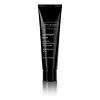
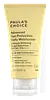
Revision Skincare Intellishade Matte Tinted Moisturizer SPF 45 Versus Paula's Choice Advanced Sun Protection Daily Moisturiser SPF 50 PA++++

What's inside
What's inside
 Key Ingredients
Benefits
Concerns
Ingredients Side-by-side
Ethylhexyl Methoxycinnamate 5.5%
UV Absorber


Ethylhexyl Salicylate 3.5%
UV Absorber
Titanium Dioxide 4%
Cosmetic Colorant
Zinc Oxide 3%
Cosmetic Colorant
Water
Skin ConditioningCyclopentasiloxane
Emollient
Hydrogenated Starch Hydrolysate
HumectantCaprylic/Capric Triglyceride
Masking


Cetearyl Olivate


Butylene Glycol
Humectant
Glycerin
Humectant
Sorbitan Olivate
Emulsifying
Dimethicone
Emollient
Aloe Barbadensis Leaf Juice
Skin Conditioning

Isodecyl Neopentanoate
EmollientDiisopropyl Sebacate
EmollientSorbitan Stearate
Emulsifying
Tetrahexyldecyl Ascorbate
Antioxidant




Glyceryl Stearate
Emollient
Tocopherol
Antioxidant


Allantoin
Skin Conditioning
Lauryl Lactate
EmollientSqualane
Emollient
Yeast Extract
Skin ConditioningPlankton Extract
Skin ConditioningBetula Alba Bark Extract
Masking
Camellia Sinensis Leaf Extract
Antimicrobial
Palmitoyl Dipeptide-5 Diaminobutyroyl Hydroxythreonine
Skin Conditioning
Silica
Abrasive
Lecithin
Emollient
Cetyl Alcohol
Emollient
PEG-100 Stearate
Surfactant
Hydroxyethyl Acrylate/Sodium Acryloyldimethyl Taurate Copolymer
Emulsion StabilisingPolysorbate 60
Emulsifying
Palmitoyl Tripeptide-5
Skin Conditioning
Epigallocatechin Gallate
Antioxidant
Ubiquinone
Antioxidant
Simmondsia Chinensis Meal Extract
EmollientGlyceryl Isostearate
Emollient
Tetradecyl Aminobutyroylvalylaminobutyric Urea Trifluoroacetate
Skin ConditioningTocopheryl Acetate
Antioxidant
Polyhydroxystearic Acid
Emulsifying
Boron Nitride
Absorbent
Phenoxyethanol
Preservative
Chlorphenesin
Antimicrobial
Hydroxyethylcellulose
Emulsion StabilisingXanthan Gum
EmulsifyingMagnesium Chloride
Triethoxycaprylylsilane
Sorbic Acid
Preservative
Benzoic Acid
Masking
Iron Oxides
CI 77491
Cosmetic ColorantCI 77492
Cosmetic ColorantCI 77499
Cosmetic ColorantEthylhexyl Methoxycinnamate 5.5%, Ethylhexyl Salicylate 3.5%, Titanium Dioxide 4%, Zinc Oxide 3%, Water, Cyclopentasiloxane, Hydrogenated Starch Hydrolysate, Caprylic/Capric Triglyceride, Cetearyl Olivate, Butylene Glycol, Glycerin, Sorbitan Olivate, Dimethicone, Aloe Barbadensis Leaf Juice, Isodecyl Neopentanoate, Diisopropyl Sebacate, Sorbitan Stearate, Tetrahexyldecyl Ascorbate, Glyceryl Stearate, Tocopherol, Allantoin, Lauryl Lactate, Squalane, Yeast Extract, Plankton Extract, Betula Alba Bark Extract, Camellia Sinensis Leaf Extract, Palmitoyl Dipeptide-5 Diaminobutyroyl Hydroxythreonine, Silica, Lecithin, Cetyl Alcohol, PEG-100 Stearate, Hydroxyethyl Acrylate/Sodium Acryloyldimethyl Taurate Copolymer, Polysorbate 60, Palmitoyl Tripeptide-5, Epigallocatechin Gallate, Ubiquinone, Simmondsia Chinensis Meal Extract, Glyceryl Isostearate, Tetradecyl Aminobutyroylvalylaminobutyric Urea Trifluoroacetate, Tocopheryl Acetate, Polyhydroxystearic Acid, Boron Nitride, Phenoxyethanol, Chlorphenesin, Hydroxyethylcellulose, Xanthan Gum, Magnesium Chloride, Triethoxycaprylylsilane, Sorbic Acid, Benzoic Acid, Iron Oxides, CI 77491, CI 77492, CI 77499
Water
Skin ConditioningDibutyl Adipate
EmollientDiethylamino Hydroxybenzoyl Hexyl Benzoate
UV Filter
Propylheptyl Caprylate
EmollientDicaprylyl Carbonate
EmollientEthylhexyl Salicylate
UV Absorber
Ethylhexyl Triazone
UV Absorber
Methylene Bis-Benzotriazolyl Tetramethylbutylphenol
UV Filter
Undecane
EmollientBis-Ethylhexyloxyphenol Methoxyphenyl Triazine
Skin Conditioning
Glycerin
Humectant
Isononyl Isononanoate
EmollientPropanediol
Solvent
Tridecane
Perfuming
Potassium Cetyl Phosphate
EmulsifyingSaccharomyces Ferment
Skin Conditioning
Sodium Polyacrylate
Absorbent
Decyl Glucoside
Cleansing
Caprylyl Glyceryl Ether
CleansingSodium Phytate
Caprylhydroxamic Acid
Lauroyl Lysine
Skin Conditioning
Propylene Glycol
Humectant
Xanthan Gum
EmulsifyingTocopherol
Antioxidant
Naringenin
Skin ConditioningHelianthus Annuus Seed Oil
Emollient
Water, Dibutyl Adipate, Diethylamino Hydroxybenzoyl Hexyl Benzoate, Propylheptyl Caprylate, Dicaprylyl Carbonate, Ethylhexyl Salicylate, Ethylhexyl Triazone, Methylene Bis-Benzotriazolyl Tetramethylbutylphenol, Undecane, Bis-Ethylhexyloxyphenol Methoxyphenyl Triazine, Glycerin, Isononyl Isononanoate, Propanediol, Tridecane, Potassium Cetyl Phosphate, Saccharomyces Ferment, Sodium Polyacrylate, Decyl Glucoside, Caprylyl Glyceryl Ether, Sodium Phytate, Caprylhydroxamic Acid, Lauroyl Lysine, Propylene Glycol, Xanthan Gum, Tocopherol, Naringenin, Helianthus Annuus Seed Oil
Ingredients Explained
These ingredients are found in both products.
Ingredients higher up in an ingredient list are typically present in a larger amount.
Ethylhexyl Salicylate (also called Octisalate or Octyl Salicylate) is an oil-soluble organic UV filter that's been used in sunscreen since the 1950's.
It absorbs UVB light in the 280-320 nm range with a peak absorbance around 306 nm.
You'll often see it paired with other UV filters to boost overall SPF because octisalate is a fairly week filter on its own.
The reason you'll see it so often is because it can help solubilize and stabilize the trickier filters like oxybenzone and avobenzone.
Unlike these filters, octisalate has pretty good photostability and doesn't create skin-damaging free radicals when exposed to sunlight.
The fatty-alcohol part of the molecule also gives it a light, emollient feel so it doubles as a nice texture enhancer.
Usage levels vary around the world:
Safety-wise, this ingredient has a pretty reassuring track record. The EU's Scientific Committee on Consumer Products (SCCP) found very low skin penetration in human skin tests and negative results for irritation, phototoxicity, and photoallergy.
The real-world allergy risk is pretty low too; a 2012 European study of 1,031 people recorded only 2 reactions to it (a rate of 0.19%).
You might have seen scary headlines about sunscreen getting into your blood.
In 2019, the FDA found that several chemical filters can absorb through the skin and show up in the bloodstream at small but measurable levels.
Here's the important part: these tiny levels are just a cutoff the FDA uses to decide which ingredients need more testing and doesn't mean anything harmful was found.
The researchers were clear that the results are no reason to stop wearing sunscreen.
Learn more about Ethylhexyl SalicylateGlycerin (or glycerol) is a compound naturally found in your skin. It's a powerhouse humectant that pulls water into the stratum corneum.
Topically, glycerin does several things at once:
Your skin makes glycerin on its own (mostly from sebaceous oil breakdown) and shuttles it to your outermost layer of skin, or your epidermis, via aquaporin-3.
Aquaporin-3 is a transporter that is essential for normal skin hydration, elasticity, and repair. Interestingly, mice lacking in AQP3 have dry and less elastic skin that can be fully corrected with glycerin.
This ingredient is non-irritating, plays well with almost every ingredient, and works across all skin types. Typical use is anywhere between 3-10% but can go up to 79% in some leave-on products.
Just know very high concentrations (>40%) can feel tacky in low humidity.
Glycerin is the name for this ingredient in American English. British English uses Glycerol/Glycerine.
Learn more about GlycerinTocopherol is a fat-soluble antioxidant known as Vitamin E.
You'll find this ingredient in the vast majority of skincare (for good reason). It works to neutralize free radicals, or unstable molecules generated by UV exposure, pollution, and other environmental stressors, before they can cause oxidative damage to your skin cells.
Topically applied tocopherol has been shown to protect against UV damage by ramping up the skin's own natural defense enzymes.
It also acts as a skin conditioning agent; some studies show that regular topical use can improve the skin's water-binding capacity over 2-4 weeks.
This ingredient is especially loved for being a team player. When combined with Vitamin C, the photoprotective effect of both ingredients roughly doubles and the combo also helps reduce UV-induced DNA damage.
This ingredient has some brightening potential but it's more of a prevention ingredient than spot-fader. Cell studies show it can slow down melanin production but it's worth noting that it's not the most powerful brightener out there.
In formulations, it also serves as a stabilizer that helps protect other oxidation-prone ingredients from degrading.
Concentrations usually range from 0.1-1% in most leave-on products.
Learn more about TocopherolWater. It's the most common cosmetic ingredient of all. You'll usually see it at the top of ingredient lists, meaning that it makes up the largest part of the product.
So why is it so popular? Water most often acts as a solvent - this means that it helps dissolve other ingredients into the formulation.
You'll also recognize water as that liquid we all need to stay alive. If you see this, drink a glass of water. Remember to stay hydrated!
Learn more about WaterXanthan gum is used as a stabilizer and thickener within cosmetic products. It helps give products a sticky, thick feeling - preventing them from being too runny.
On the technical side of things, xanthan gum is a polysaccharide - a combination consisting of multiple sugar molecules bonded together.
Xanthan gum is a pretty common and great ingredient. It is a natural, non-toxic, non-irritating ingredient that is also commonly used in food products.
Learn more about Xanthan Gum

