Renee Rouleau Skin Care Hydraboost Rescue Cream Versus Renee Rouleau Skin Care Phytolipid Comfort Creme
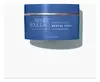
This calming moisturizer is formulated around Sodium Hyaluronate to calm redness and hydrate skin.
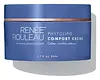
This barrier-repair moisturizer is formulated around Simmondsia Chinensis Seed Oil and Butyrospermum Parkii Butter to strengthen the skin barrier and hydrate skin.

What's inside
What's inside
 Key Ingredients
Benefits
Concerns
Ingredients Side-by-side
Water
Skin ConditioningCaprylic/Capric Triglyceride
Masking


Glycine Soja Oil
Emollient







Sorbitol
Humectant
Stearic Acid
Cleansing
Methyl Gluceth-20
Humectant
Cetyl Esters
Emollient
Cetyl Alcohol
Emollient
Hydrogenated Cottonseed Oil
Emollient
Glycerin
Humectant
Ahnfeltia Concinna Extract
Skin ConditioningSea Whip Extract
Skin ConditioningSodium Hyaluronate
Humectant


Passiflora Incarnata Fruit Extract
Skin ConditioningSymphytum Officinale Leaf Extract
Skin ConditioningRosa Canina Fruit Extract
Astringent
Chamomilla Recutita Flower Extract
Masking
Hamamelis Virginiana Extract
Antiseborrhoeic

Glycyrrhiza Glabra Root Extract
Bleaching
Camellia Sinensis Leaf Extract
Antimicrobial


Laminaria Saccharina Extract
Skin Protecting
Collagen
Moisturising
Allantoin
Skin Conditioning
Dimethicone
Emollient
Butylene Glycol
Humectant
Carbomer
Emulsion StabilisingPolysorbate 20
Emulsifying
Palmitoyl Oligopeptide
Cleansing
Palmitoyl Tetrapeptide-7
Skin Conditioning
Niacinamide
Smoothing

Ascorbic Acid
Antioxidant
Tocopheryl Acetate
Antioxidant
Citrus Aurantium Bergamia Fruit Oil
Masking

Phenoxyethanol
Preservative
Caprylyl Glycol
Emollient
Tetrasodium EDTA
ChelatingSodium Hydroxide
BufferingWater, Caprylic/Capric Triglyceride, Glycine Soja Oil, Sorbitol, Stearic Acid, Methyl Gluceth-20, Cetyl Esters, Cetyl Alcohol, Hydrogenated Cottonseed Oil, Glycerin, Ahnfeltia Concinna Extract, Sea Whip Extract, Sodium Hyaluronate, Passiflora Incarnata Fruit Extract, Symphytum Officinale Leaf Extract, Rosa Canina Fruit Extract, Chamomilla Recutita Flower Extract, Hamamelis Virginiana Extract, Glycyrrhiza Glabra Root Extract, Camellia Sinensis Leaf Extract, Laminaria Saccharina Extract, Collagen, Allantoin, Dimethicone, Butylene Glycol, Carbomer, Polysorbate 20, Palmitoyl Oligopeptide, Palmitoyl Tetrapeptide-7, Niacinamide, Ascorbic Acid, Tocopheryl Acetate, Citrus Aurantium Bergamia Fruit Oil, Phenoxyethanol, Caprylyl Glycol, Tetrasodium EDTA, Sodium Hydroxide
Water
Skin ConditioningHelianthus Annuus Seed Oil
Emollient
Cetearyl Alcohol
Emollient
Simmondsia Chinensis Seed Oil
Emollient
Butyrospermum Parkii Butter
Skin Conditioning
Brassica Campestris/Aleurites Fordi Oil Copolymer
Skin Conditioning
Cyclopentasiloxane
Emollient
Coco-Glucoside
Cleansing
Glycerin
Humectant
Phospholipids
Skin Conditioning
Ascorbic Acid
Antioxidant
Algae Extract
Emollient
Sea Whip Extract
Skin ConditioningTocopherol
Antioxidant
Yeast Beta-Glucan
Skin ConditioningAscorbyl Palmitate
Antioxidant
Artemisia Vulgaris Extract
Skin Conditioning
Hydrogenated Lecithin
Emulsifying
Olea Europaea Oil Unsaponifiables
Skin Conditioning
Phytosteryl Isostearate
Skin ConditioningCamellia Oleifera Leaf Extract
AstringentRosmarinus Officinalis Leaf Extract
AntimicrobialLinoleic Acid
Cleansing
Glycine Soja Sterols
Emollient
Dimethicone
Emollient
Lecithin
Emollient
PEG-8
HumectantButylene Glycol
Humectant
Polysorbate 80
Emulsifying
Phenoxyethanol
Preservative
Cetearyl Methicone
Skin Conditioning
Pentylene Glycol
Skin Conditioning
Ethylhexylglycerin
Skin ConditioningStearyl Glycyrrhetinate
Skin ConditioningPEG-100 Stearate
Surfactant
Citric Acid
Buffering
Sodium Benzoate
Masking
Isohexadecane
EmollientGlyceryl Stearate
Emollient
Disodium EDTA
ChelatingAcrylamide/Sodium Acryloyldimethyltaurate Copolymer
Emulsion StabilisingWater, Helianthus Annuus Seed Oil, Cetearyl Alcohol, Simmondsia Chinensis Seed Oil, Butyrospermum Parkii Butter, Brassica Campestris/Aleurites Fordi Oil Copolymer, Cyclopentasiloxane, Coco-Glucoside, Glycerin, Phospholipids, Ascorbic Acid, Algae Extract, Sea Whip Extract, Tocopherol, Yeast Beta-Glucan, Ascorbyl Palmitate, Artemisia Vulgaris Extract, Hydrogenated Lecithin, Olea Europaea Oil Unsaponifiables, Phytosteryl Isostearate, Camellia Oleifera Leaf Extract, Rosmarinus Officinalis Leaf Extract, Linoleic Acid, Glycine Soja Sterols, Dimethicone, Lecithin, PEG-8, Butylene Glycol, Polysorbate 80, Phenoxyethanol, Cetearyl Methicone, Pentylene Glycol, Ethylhexylglycerin, Stearyl Glycyrrhetinate, PEG-100 Stearate, Citric Acid, Sodium Benzoate, Isohexadecane, Glyceryl Stearate, Disodium EDTA, Acrylamide/Sodium Acryloyldimethyltaurate Copolymer
Ingredients Explained
These ingredients are found in both products.
Ingredients higher up in an ingredient list are typically present in a larger amount.
Ascorbic Acid is is pure Vitamin C and is the biologically active form used directly by skin.
Not only is vitamin C great for your overall health and immune system, but it also has plenty of benefits for your skin. It is best supported by academic literature for:
Topical vitamin C has been shown to help neutralize oxidative stress from UV and pollution, helping to improve photoaging and hyperpigmentation when used consistently.
One clinical study found that using 5% topical vitamin C for six months improved signs of photodamaged skin, both on the surface and in the deeper structural layers of the skin.
While vitamin C doesn’t replace sunscreen, studies show it can boost photoprotection when combined with Vitamin E and ferulic acid. These two ingredients help improve stability and protective effects.
The big downside of this ingredient is formulation difficulty. Vitamin C is prone to oxidation and doesn't penetrate the skin unless formulated correctly. Research found that vitamin C absorbs into the skin best at a low pH (< 3.5) with about 20% being the upper limit for effective absorption.
Skin levels can saturate after repeated application; this means your skin won’t keep absorbing more once it’s full of vitamin C. This is why more isn’t always better with vitamin C and why very high concentrations don’t necessarily give extra benefits.
Ascorbic acid generally works well with many skincare ingredients but can be irritating when combined with other active ingredients. Strong oxidizing acne treatments like benzoyl peroxide can reduce the effectiveness of vitamin C if they are used at the same time; they are often recommended for use at different times of day.
Read more about other types of Vitamin C:
Foods rich with vitamin C include oranges, strawberries, broccoli, bell peppers, and more. When consuming Vitamin C, your skin receives a portion of the nutrients.
Learn more about Ascorbic AcidButylene Glycol (or BG) is used within cosmetic products for a few different reasons:
Overall, Butylene Glycol is a safe and well-rounded ingredient that works well with other ingredients.
Though this ingredient works well with most skin types, some people with sensitive skin may experience a reaction such as allergic rashes, closed comedones, or itchiness.
Learn more about Butylene GlycolDimethicone is a type of synthetic silicone created from natural materials such as quartz. It is also known as polydimethylsiloxane.
What it does:
Dimethicone comes in different viscosities:
Depending on the viscosity, dimethicone has different properties.
Ingredients lists don't always show which type is used, so we recommend reaching out to the brand if you have questions about the viscosity.
This ingredient is unlikely to cause irritation because it does not get absorbed into skin. However, people with silicone allergies should be careful about using this ingredient.
Note: Dimethicone may contribute to pilling. This is because it is not oil or water soluble, so pilling may occur when layered with products. When mixed with heavy oils in a formula, the outcome is also quite greasy.
Learn more about DimethiconeGlycerin (or glycerol) is a compound naturally found in your skin. It's a powerhouse humectant that pulls water into the stratum corneum.
Topically, glycerin does several things at once:
Your skin makes glycerin on its own (mostly from sebaceous oil breakdown) and shuttles it to your outermost layer of skin, or your epidermis, via aquaporin-3.
Aquaporin-3 is a transporter that is essential for normal skin hydration, elasticity, and repair. Interestingly, mice lacking in AQP3 have dry and less elastic skin that can be fully corrected with glycerin.
This ingredient is non-irritating, plays well with almost every ingredient, and works across all skin types. Typical use is anywhere between 3-10% but can go up to 79% in some leave-on products.
Just know very high concentrations (>40%) can feel tacky in low humidity.
Glycerin is the name for this ingredient in American English. British English uses Glycerol/Glycerine.
Learn more about GlycerinPhenoxyethanol is one of the most widely used preservatives in skincare (and for good reason!).
It has a large spectrum of antimicrobial activity and especially effective bacteria, yeast, and mold while only having a weak effect on your skin's natural microbiome.
On a cellular level, it disrupts the cell membranes of microbes by poking holes that make the cell leak. This shuts down the chemical reactions the microbe needs to make energy so it can no longer survive.
Another perk of this ingredient is that it stays functional across a wide pH range (3-10).
You'll often see it paired with boosters like Ethylhexylglycerin; one study showed that a 1:9 ratio of Ethylhexylglycerin to Phenoxyethanol damages bacterial membranes as effectively as doubling the Phenoxyethanol concentration on its own.
Typical use concentrations range from 0.3-1% depending on the formula, and this ingredient is capped at 1% int the EU.
Safety-wise, the fear mongering does not hold up to the evidence. The EU's Scientific Committee on Consumer Safety and FDA consider it safe as a preservative at up to 1%, including for children of all ages.
Adverse systemic effects only showed up in animal studies at exposures roughly 200x higher than what people get from cosmetics. And despite its very widespread use, this ingredient is a rare sensitizer and allergic reactions are uncommon.
Learn more about PhenoxyethanolWe don't have a description for Sea Whip Extract yet.
Water. It's the most common cosmetic ingredient of all. You'll usually see it at the top of ingredient lists, meaning that it makes up the largest part of the product.
So why is it so popular? Water most often acts as a solvent - this means that it helps dissolve other ingredients into the formulation.
You'll also recognize water as that liquid we all need to stay alive. If you see this, drink a glass of water. Remember to stay hydrated!
Learn more about Water

