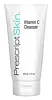
This lactic acid gel cleanser is formulated around Lactic Acid to exfoliate and smooth skin.
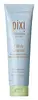
This salicylic acid gel cleanser is formulated around Salicylic Acid to clear breakouts and unclog pores.


What's inside
What's inside
 Key Ingredients
Benefits
Concerns
Ingredients Side-by-side
Water
Skin ConditioningSodium Methyl 2-Sulfolaurate
CleansingDisodium 2-Sulfolaurate
CleansingGlycerin
Humectant


Hydroxyethylcellulose
Emulsion Stabilising3-O-Ethyl Ascorbic Acid
Skin Conditioning




Sodium Hydroxide
BufferingCitric Acid
Buffering

Ascorbic Acid
Antioxidant


Humulus Lupulus Extract
AntimicrobialLavandula Angustifolia Flower/Leaf/Stem Extract
Masking

Calendula Officinalis Flower Extract
Masking
Chamomilla Recutita Flower Extract
Masking
Citrus Limon Peel Extract
EmollientCucumis Sativus Seed Extract
Skin ConditioningCamellia Sinensis Leaf Extract
Antimicrobial
Pyrus Malus Fruit Extract
Skin Conditioning
Spirulina Platensis Extract
Skin ProtectingGuar Hydroxypropyltrimonium Chloride
Skin ConditioningLactic Acid
Buffering
Malic Acid
Buffering
Gluconic Acid
Retinyl Palmitate
Skin Conditioning

Glycolic Acid
Buffering
Tocopheryl Acetate
Antioxidant
Salicylic Acid
Masking


Tartaric Acid
Buffering
Benzyl Alcohol
Perfuming


Dehydroacetic Acid
Preservative
Citral
Perfuming
Limonene
Perfuming
Parfum
Masking
Water, Sodium Methyl 2-Sulfolaurate, Disodium 2-Sulfolaurate, Glycerin, Hydroxyethylcellulose, 3-O-Ethyl Ascorbic Acid, Sodium Hydroxide, Citric Acid, Ascorbic Acid, Humulus Lupulus Extract, Lavandula Angustifolia Flower/Leaf/Stem Extract, Calendula Officinalis Flower Extract, Chamomilla Recutita Flower Extract, Citrus Limon Peel Extract, Cucumis Sativus Seed Extract, Camellia Sinensis Leaf Extract, Pyrus Malus Fruit Extract, Spirulina Platensis Extract, Guar Hydroxypropyltrimonium Chloride, Lactic Acid, Malic Acid, Gluconic Acid, Retinyl Palmitate, Glycolic Acid, Tocopheryl Acetate, Salicylic Acid, Tartaric Acid, Benzyl Alcohol, Dehydroacetic Acid, Citral, Limonene, Parfum
Cocamidopropyl Betaine
Cleansing
Polysorbate 20
Emulsifying
Aloe Barbadensis Leaf Juice
Skin Conditioning
Cocos Nucifera Oil
Masking


Allantoin
Skin Conditioning
Tocopheryl Acetate
Antioxidant
Citrus Aurantium Amara Leaf/Twig Extract
Skin ConditioningLavandula Angustifolia Flower/Leaf/Stem Extract
Masking
Glycolic Acid
Buffering
Lactic Acid
Buffering
Centella Asiatica Extract
Cleansing
Glycyrrhiza Glabra Root Extract
Bleaching
Saccharum Officinarum Extract
MoisturisingSalix Alba Bark Extract
Astringent
Sodium Hyaluronate
Humectant
Citrus Aurantium Bergamia Fruit Extract
Skin ConditioningCitrus Aurantium Dulcis Peel Extract
Emulsion Stabilising
Panthenol
Skin Conditioning
Lactobacillus Ferment Lysate Filtrate
Skin ConditioningBromelain
Skin Conditioning
Papain
Skin Conditioning
Citrus Aurantium Amara Flower Extract
RefreshingCoriandrum Sativum Fruit/Leaf Extract
AntiseborrhoeicRosmarinus Officinalis Leaf Extract
AntimicrobialStyrax Tonkinensis Resin Extract
Perfuming
Ascorbic Acid
Antioxidant
Salicylic Acid
Masking
Leuconostoc/Radish Root Ferment Filtrate
Antimicrobial
Populus Tremuloides Bark Extract
AntiseborrhoeicSodium Polyacrylate
Absorbent
Sodium Chloride
MaskingBentonite
Absorbent
Glyceryl Stearate
Emollient
PEG-100 Stearate
Surfactant
Caprylic/Capric Triglyceride
Masking
Ethylhexylglycerin
Skin ConditioningXanthan Gum
EmulsifyingMaltodextrin
Absorbent
Phenoxyethanol
Preservative
CI 77499
Cosmetic ColorantCI 77007
Cosmetic ColorantCocamidopropyl Betaine, Polysorbate 20, Aloe Barbadensis Leaf Juice, Cocos Nucifera Oil, Allantoin, Tocopheryl Acetate, Citrus Aurantium Amara Leaf/Twig Extract, Lavandula Angustifolia Flower/Leaf/Stem Extract, Glycolic Acid, Lactic Acid, Centella Asiatica Extract, Glycyrrhiza Glabra Root Extract, Saccharum Officinarum Extract, Salix Alba Bark Extract, Sodium Hyaluronate, Citrus Aurantium Bergamia Fruit Extract, Citrus Aurantium Dulcis Peel Extract, Panthenol, Lactobacillus Ferment Lysate Filtrate, Bromelain, Papain, Citrus Aurantium Amara Flower Extract, Coriandrum Sativum Fruit/Leaf Extract, Rosmarinus Officinalis Leaf Extract, Styrax Tonkinensis Resin Extract, Ascorbic Acid, Salicylic Acid, Leuconostoc/Radish Root Ferment Filtrate, Populus Tremuloides Bark Extract, Sodium Polyacrylate, Sodium Chloride, Bentonite, Glyceryl Stearate, PEG-100 Stearate, Caprylic/Capric Triglyceride, Ethylhexylglycerin, Xanthan Gum, Maltodextrin, Phenoxyethanol, CI 77499, CI 77007
Reviews
Ingredients Explained
These ingredients are found in both products.
Ingredients higher up in an ingredient list are typically present in a larger amount.
Ascorbic Acid is is pure Vitamin C and is the biologically active form used directly by skin.
Not only is vitamin C great for your overall health and immune system, but it also has plenty of benefits for your skin. It is best supported by academic literature for:
Topical vitamin C has been shown to help neutralize oxidative stress from UV and pollution, helping to improve photoaging and hyperpigmentation when used consistently.
One clinical study found that using 5% topical vitamin C for six months improved signs of photodamaged skin, both on the surface and in the deeper structural layers of the skin.
While vitamin C doesn’t replace sunscreen, studies show it can boost photoprotection when combined with Vitamin E and ferulic acid. These two ingredients help improve stability and protective effects.
The big downside of this ingredient is formulation difficulty. Vitamin C is prone to oxidation and doesn't penetrate the skin unless formulated correctly. Research found that vitamin C absorbs into the skin best at a low pH (< 3.5) with about 20% being the upper limit for effective absorption.
Skin levels can saturate after repeated application; this means your skin won’t keep absorbing more once it’s full of vitamin C. This is why more isn’t always better with vitamin C and why very high concentrations don’t necessarily give extra benefits.
Ascorbic acid generally works well with many skincare ingredients but can be irritating when combined with other active ingredients. Strong oxidizing acne treatments like benzoyl peroxide can reduce the effectiveness of vitamin C if they are used at the same time; they are often recommended for use at different times of day.
Read more about other types of Vitamin C:
Foods rich with vitamin C include oranges, strawberries, broccoli, bell peppers, and more. When consuming Vitamin C, your skin receives a portion of the nutrients.
Learn more about Ascorbic AcidGlycolic Acid is arguably the most famous alpha hydroxy acid (AHA) with tons of research backing its benefits.
It is found naturally in sugar cane but the form used in skincare is usually synthetic for purity and stability.
Glycolic acid removes the top layer of dead skin cells to allow newer and fresher ones to emerge.
AHAs work by breaking down the structural “glue” that holds old skin cells in place. When that buildup is gone, your skin can renew itself more efficiently.
Research also shows glycolic acid stimulates collagen production, helping to firm and thicken the skin over time. This is one of its biggest advantages over other AHAs.
Overall, glycolic acid helps with:
Fun fact: Glycolic acid boosts skin hydration by helping it produce molecules that increase hyaluronic acid naturally.
To work best, glycolic acid products should have a pH between 3-4 (that’s where exfoliation is most effective but still gentle on skin).
The pH and concentration of a product are key to its effectiveness:
It is normal to feel a slight stinging sensation when using glycolic acid. This usually fades as your skin adjusts.
Because glycolic acid has the smallest molecular size in the AHA family, it can penetrate deeper, which enhances its effectiveness but also makes it more likely to irritate sensitive skin.
If your skin is very sensitive or prone to rosacea, glycolic acid may be too strong; in that case, try milder options like lactic acid or a PHA instead.
Recent studies suggest glycolic acid might even help protect against UV damage. But don’t skip sunscreen! Freshly exfoliated skin is more sensitive to the sun.
Glycolic acid is a skincare superstar. It smooths, brightens, hydrates, and firms the skin. Unless you’re highly sensitive, it’s well worth adding to your routine.
Read more about some other popular AHA's here:
Learn more about Glycolic AcidLactic Acid is another well-loved alpha hydroxy acid (AHA). It is gentler than glycolic acid but still highly effective.
Its main role is to exfoliate the surface of the skin by loosening the “glue” that holds dead skin cells together. Shedding those old cells leads to smoother, softer, and more even-toned skin.
Because lactic acid molecules are larger than glycolic acid, they don’t penetrate as deeply. This means they’re less likely to sting or irritate, making it a great choice for beginners or those with sensitive skin.
Like glycolic acid, it can:
Lactic acid also acts as a humectant (like hyaluronic acid). It can draw water into the skin to improve hydration and also plays a role in the skin's natural moisturizing factor (NMF) in the form of sodium lactate.
Studies show it can boost ceramide production to strengthen the skin barrier and even help balance the skin’s microbiome.
To get results, choose products with a pH between 3-4.
Lower strengths (5-12%) focus on surface exfoliation; higher strengths (12% and up) can reach deeper in the dermis (deeper, supportive layer) to improve skin texture and firmness over time.
Though it was originally derived from milk, most modern lactic acid used in skincare is vegan. It is made through non-dairy fermentation to create a bio-identical and stable form suitable for all formulations.
When lactic acid shows up near the end of an ingredient list, it usually means the brand added just a tiny amount to adjust the product’s pH.
Legend has it that Cleopatra used to bathe in sour milk to help reduce wrinkles.
Lactic acid is truly a gentle multitasker: it exfoliates, hydrates, strengthens, and brightens. It's a great ingredient for giving your skin a smooth, glowing, and healthy look without the harshness of stronger acids.
Read more about some other popular AHA's here:
Learn more about Lactic AcidThis ingredient comes from the lavender plant. It is used to add a scent or mask an unpleasant one in products.
Lavender contains linalool and linalyl acetate.
When exposed to air, these two compounds become strong allergens. This ingredient exhibits cytotoxicity at low concentrations; amounts of 0.25% have been shown to damage skin cells.
Learn more about Lavandula Angustifolia Flower/Leaf/Stem ExtractSalicylic Acid (also known as beta hydroxy acid or BHA) is a well-known ingredient for treating skin that struggles with acne and clogged pores. It exfoliates both the skin's surface and deep within the pores to help clear out buildup, control oil, and reduce inflammation.
Unlike AHAs (alpha hydroxy acids), salicylic acid is oil-soluble. This allows it to penetrate into pores which makes it especially effective for treating blackheads and preventing future breakouts.
Salicylic acid is also known for its soothing properties. It has a similar structure to aspirin and can calm inflamed or irritated skin, making it a good option for acne-prone skin that is also sensitive.
Concentrations of 0.5-2% are recognized by the U.S. FDA as an over-the-counter topical acne product.
It can cause irritation and/or dryness if one's skin already has a compromised moisture barrier, so it's best to focus on repairing that before introducing this ingredient into your routine.
While salicylic acid does not increase sun sensitivity, it’s still important to wear sunscreen daily to protect your skin.
If you are looking for the ingredient called BHA or Butylated Hydroxyanisole, click here.
Learn more about Salicylic AcidTocopheryl Acetate is a stable, shelf-friendly form of vitamin E.
Formulators love it because plain vitamin E oxidizes quickly once it hits air. This acetate version stays stable and resists going off, helping to extend a product's shelf life.
It's actually inactive on its own and works like a slow-release "storage" form; the enzymes in your skin called esterases gradually convert it into active vitamin E over time.
One in vivo study showed 5% of the acetate in the living layer of the epidermis converted to vitamin E after 5 days of application. This study also found the skin gained protection against UV damage even though the conversion was slow and small.
Once converted, vitamin E acts as a skin's main fat-soluble antioxidant that fights free radicals to protect skin from damage.
Topical vitamin E generally boosts the skin's photoprotection, and it reduced UV-damage in animal models.
This ingredient has some brightening potential but it's more of a prevention ingredient than spot-fader. Cell studies show it can slow down melanin production but it's worth noting that it's not the most powerful brightener out there.
Overall, it has a pretty solid safety profile and has been found to be non-irritating and non-comedogenic. Allergic reactions may happen but stay rare due to how widely the ingredient gets used.
The concentration will vary depending on the formula; industry data shows 0.1% in baby lotions, 3% in lipsticks, and 5% in foot powders. You can also find this ingredient at 100% in a pure vitamin E oil.
Most leave-on skincare keeps it at the lower end, often between 0.5-1%.
Learn more about Tocopheryl Acetate

