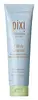
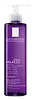
This salicylic acid gel cleanser is formulated around Salicylic Acid to clear breakouts and unclog pores.
This mild gel cleanser is mild enough to cleanse without leaving skin feeling tight or stripped.


What's inside
What's inside
 Key Ingredients
Benefits
Concerns
Ingredients Side-by-side
Cocamidopropyl Betaine
Cleansing



Polysorbate 20
Emulsifying
Aloe Barbadensis Leaf Juice
Skin Conditioning


Cocos Nucifera Oil
Masking



Allantoin
Skin Conditioning

Tocopheryl Acetate
Antioxidant


Citrus Aurantium Amara Leaf/Twig Extract
Skin ConditioningLavandula Angustifolia Flower/Leaf/Stem Extract
Masking
Glycolic Acid
Buffering







Lactic Acid
Buffering
Centella Asiatica Extract
Cleansing
Glycyrrhiza Glabra Root Extract
Bleaching
Saccharum Officinarum Extract
MoisturisingSalix Alba Bark Extract
Astringent
Sodium Hyaluronate
Humectant
Citrus Aurantium Bergamia Fruit Extract
Skin ConditioningCitrus Aurantium Dulcis Peel Extract
Emulsion Stabilising
Panthenol
Skin Conditioning
Lactobacillus Ferment Lysate Filtrate
Skin ConditioningBromelain
Skin Conditioning
Papain
Skin Conditioning
Citrus Aurantium Amara Flower Extract
RefreshingCoriandrum Sativum Fruit/Leaf Extract
AntiseborrhoeicRosmarinus Officinalis Leaf Extract
AntimicrobialStyrax Tonkinensis Resin Extract
Perfuming
Ascorbic Acid
Antioxidant
Salicylic Acid
Masking


Leuconostoc/Radish Root Ferment Filtrate
Antimicrobial
Populus Tremuloides Bark Extract
AntiseborrhoeicSodium Polyacrylate
Absorbent
Sodium Chloride
MaskingBentonite
Absorbent
Glyceryl Stearate
Emollient
PEG-100 Stearate
Surfactant
Caprylic/Capric Triglyceride
Masking
Ethylhexylglycerin
Skin ConditioningXanthan Gum
EmulsifyingMaltodextrin
Absorbent
Phenoxyethanol
Preservative
CI 77499
Cosmetic ColorantCI 77007
Cosmetic ColorantCocamidopropyl Betaine, Polysorbate 20, Aloe Barbadensis Leaf Juice, Cocos Nucifera Oil, Allantoin, Tocopheryl Acetate, Citrus Aurantium Amara Leaf/Twig Extract, Lavandula Angustifolia Flower/Leaf/Stem Extract, Glycolic Acid, Lactic Acid, Centella Asiatica Extract, Glycyrrhiza Glabra Root Extract, Saccharum Officinarum Extract, Salix Alba Bark Extract, Sodium Hyaluronate, Citrus Aurantium Bergamia Fruit Extract, Citrus Aurantium Dulcis Peel Extract, Panthenol, Lactobacillus Ferment Lysate Filtrate, Bromelain, Papain, Citrus Aurantium Amara Flower Extract, Coriandrum Sativum Fruit/Leaf Extract, Rosmarinus Officinalis Leaf Extract, Styrax Tonkinensis Resin Extract, Ascorbic Acid, Salicylic Acid, Leuconostoc/Radish Root Ferment Filtrate, Populus Tremuloides Bark Extract, Sodium Polyacrylate, Sodium Chloride, Bentonite, Glyceryl Stearate, PEG-100 Stearate, Caprylic/Capric Triglyceride, Ethylhexylglycerin, Xanthan Gum, Maltodextrin, Phenoxyethanol, CI 77499, CI 77007
Water
Skin ConditioningGlycerin
Humectant
Coco-Betaine
Cleansing
Propanediol
Solvent
Sodium Cocoyl Glycinate
Cleansing
PEG-120 Methyl Glucose Dioleate
Emulsifying
Sodium Hydroxide
BufferingSodium Chloride
MaskingCitric Acid
Buffering
Gluconolactone
Chelating
Ceramide NP
Skin Conditioning
Niacinamide
Smoothing
2-Mercaptonicotinoyl Glycine
Skin Conditioning
Sodium Thiosulfate
Disodium EDTA
ChelatingCapryloyl Glycine
CleansingCaprylyl Glycol
Emollient
Trisodium Ethylenediamine Disuccinate
ChelatingPentylene Glycol
Skin Conditioning
Acrylates Copolymer
Tocopherol
Antioxidant
Tocopheryl Acetate
Antioxidant
Parfum
Masking
Water, Glycerin, Coco-Betaine, Propanediol, Sodium Cocoyl Glycinate, PEG-120 Methyl Glucose Dioleate, Sodium Hydroxide, Sodium Chloride, Citric Acid, Gluconolactone, Ceramide NP, Niacinamide, 2-Mercaptonicotinoyl Glycine, Sodium Thiosulfate, Disodium EDTA, Capryloyl Glycine, Caprylyl Glycol, Trisodium Ethylenediamine Disuccinate, Pentylene Glycol, Acrylates Copolymer, Tocopherol, Tocopheryl Acetate, Parfum
Reviews
Ingredients Explained
These ingredients are found in both products.
Ingredients higher up in an ingredient list are typically present in a larger amount.
Chances are, you eat sodium chloride every day. Sodium Chloride is also known as table salt. This ingredient has many purposes in skincare: thickener, emulsifier, and exfoliator.
You'll most likely find this ingredient in cleansers where it is used to create a gel-like texture. As an emulsifier, it also prevents ingredients from separating.
You might see people debate whether Sodium Chloride is comedogenic, but there actually haven't been any comedogenic tests done on it. Either way, the overall formulation of a product matters a lot more than any single ingredient.
You might see this ingredient used in scrubs as a primary exfoliating ingredient.
Learn more about Sodium ChlorideTocopheryl Acetate is a stable, shelf-friendly form of vitamin E.
Formulators love it because plain vitamin E oxidizes quickly once it hits air. This acetate version stays stable and resists going off, helping to extend a product's shelf life.
It's actually inactive on its own and works like a slow-release "storage" form; the enzymes in your skin called esterases gradually convert it into active vitamin E over time.
One in vivo study showed 5% of the acetate in the living layer of the epidermis converted to vitamin E after 5 days of application. This study also found the skin gained protection against UV damage even though the conversion was slow and small.
Once converted, vitamin E acts as a skin's main fat-soluble antioxidant that fights free radicals to protect skin from damage.
Topical vitamin E generally boosts the skin's photoprotection, and it reduced UV-damage in animal models.
This ingredient has some brightening potential but it's more of a prevention ingredient than spot-fader. Cell studies show it can slow down melanin production but it's worth noting that it's not the most powerful brightener out there.
Overall, it has a pretty solid safety profile and has been found to be non-irritating and non-comedogenic. Allergic reactions may happen but stay rare due to how widely the ingredient gets used.
The concentration will vary depending on the formula; industry data shows 0.1% in baby lotions, 3% in lipsticks, and 5% in foot powders. You can also find this ingredient at 100% in a pure vitamin E oil.
Most leave-on skincare keeps it at the lower end, often between 0.5-1%.
Learn more about Tocopheryl Acetate

