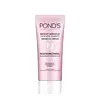
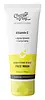
Pond's Bright Miracle Ultimate Clarity Serum Day Cream Versus Chemist at Play Brightening Boost Face Wash
This brightening day moisturizer is formulated around Niacinamide and Sodium Ascorbyl Phosphate to brighten dull-looking skin and fade the look of dark spots.
This glycolic acid gel cleanser is formulated around Glycolic Acid to exfoliate and smooth skin.


What's inside
What's inside
 Key Ingredients
Benefits
Concerns
Ingredients Side-by-side
Water
Skin ConditioningStearic Acid
Cleansing



Niacinamide
Smoothing











Glycerin
Humectant
Cystine
MaskingGlycine
Buffering
Sodium PCA
Humectant
Sodium Ascorbyl Phosphate
Antioxidant

4-Ethylresorcinol
AntimicrobialSodium Hyaluronate
Humectant
Sodium Acetylated Hyaluronate
Humectant
Hydrolyzed Sodium Hyaluronate
Skin Conditioning
Ethylhexyl Methoxycinnamate
UV Absorber


Butyl Methoxydibenzoylmethane
UV Absorber
Ceramide NP
Skin Conditioning
Ceramide AP
Skin Conditioning
Ceramide EOP
Skin Conditioning
Sodium Hyaluronate Crosspolymer
Humectant
Bifida Ferment Lysate
Skin Conditioning
Cholesterol
Emollient
Cetearyl Ethylhexanoate
Emollient
Titanium Dioxide
Cosmetic Colorant
Synthetic Fluorphlogopite
Potassium Hydroxide
BufferingCetyl Alcohol
Emollient

Dimethicone
Emollient
Phenoxyethanol
Preservative
Parfum
Masking


Tocopheryl Acetate
Antioxidant
Allantoin
Skin Conditioning
Methylparaben
Preservative
Propylparaben
Preservative
Hydroxystearic Acid
Cleansing
Isopropyl Myristate
Emollient
Disodium EDTA
ChelatingAluminum Hydroxide
EmollientAcrylates Copolymer
Tin Oxide
Abrasive
Palmitic Acid
Emollient
BHT
Antioxidant
Arachidic Acid
Cleansing
Sodium Sulfate
Sodium Chloride
MaskingSodium Lauroyl Lactylate
EmulsifyingPentylene Glycol
Skin Conditioning
Phytosphingosine
Skin Conditioning
Xanthan Gum
EmulsifyingCarbomer
Emulsion StabilisingSodium Benzoate
Masking
Acetic Acid
BufferingEthylhexylglycerin
Skin ConditioningLactic Acid
Buffering
CI 14700
Cosmetic ColorantWater, Stearic Acid, Niacinamide, Glycerin, Cystine, Glycine, Sodium PCA, Sodium Ascorbyl Phosphate, 4-Ethylresorcinol, Sodium Hyaluronate, Sodium Acetylated Hyaluronate, Hydrolyzed Sodium Hyaluronate, Ethylhexyl Methoxycinnamate, Butyl Methoxydibenzoylmethane, Ceramide NP, Ceramide AP, Ceramide EOP, Sodium Hyaluronate Crosspolymer, Bifida Ferment Lysate, Cholesterol, Cetearyl Ethylhexanoate, Titanium Dioxide, Synthetic Fluorphlogopite, Potassium Hydroxide, Cetyl Alcohol, Dimethicone, Phenoxyethanol, Parfum, Tocopheryl Acetate, Allantoin, Methylparaben, Propylparaben, Hydroxystearic Acid, Isopropyl Myristate, Disodium EDTA, Aluminum Hydroxide, Acrylates Copolymer, Tin Oxide, Palmitic Acid, BHT, Arachidic Acid, Sodium Sulfate, Sodium Chloride, Sodium Lauroyl Lactylate, Pentylene Glycol, Phytosphingosine, Xanthan Gum, Carbomer, Sodium Benzoate, Acetic Acid, Ethylhexylglycerin, Lactic Acid, CI 14700
Water
Skin ConditioningSodium C14-16 Olefin Sulfonate
Cleansing
Cocamidopropyl Betaine
Cleansing
Propanediol
Solvent
Sodium Cocoamphoacetate
CleansingSodium Cocoyl Isethionate
Cleansing
Acrylates/C10-30 Alkyl Acrylate Crosspolymer
Emulsion StabilisingGlycolic Acid
Buffering
Myrciaria Dubia Fruit Extract
Skin ConditioningTerminalia Ferdinandiana Fruit Extract
Antioxidant
Sodium Lauroyl Sarcosinate
CleansingCeramide As
Skin Conditioning
Alpha-Arbutin
Antioxidant
3-O-Ethyl Ascorbic Acid
Skin Conditioning
Oryza Sativa Cera
Skin ConditioningNiacinamide
Smoothing
Parfum
Masking
Phenoxyethanol
Preservative
PEG-7 Glyceryl Cocoate
Emulsifying
Xanthan Gum
EmulsifyingCocamide Mea
Emulsifying
Phospholipids
Skin Conditioning
Sphingolipids
Emollient
Sodium Hydroxide
BufferingDisodium EDTA
ChelatingMenthol
Masking
CI 19140
Cosmetic ColorantWater, Sodium C14-16 Olefin Sulfonate, Cocamidopropyl Betaine, Propanediol, Sodium Cocoamphoacetate, Sodium Cocoyl Isethionate, Acrylates/C10-30 Alkyl Acrylate Crosspolymer, Glycolic Acid, Myrciaria Dubia Fruit Extract, Terminalia Ferdinandiana Fruit Extract, Sodium Lauroyl Sarcosinate, Ceramide As, Alpha-Arbutin, 3-O-Ethyl Ascorbic Acid, Oryza Sativa Cera, Niacinamide, Parfum, Phenoxyethanol, PEG-7 Glyceryl Cocoate, Xanthan Gum, Cocamide Mea, Phospholipids, Sphingolipids, Sodium Hydroxide, Disodium EDTA, Menthol, CI 19140
Ingredients Explained
These ingredients are found in both products.
Ingredients higher up in an ingredient list are typically present in a larger amount.
Disodium EDTA is a chelating agent. It grabs onto and deactivates metal ions that sneak into your products from water, packaging, or air.
This ingredient mainly works behind the scenes and helps with:
On top of that, this ingredient can counteract the effects of hard water by binding to the minerals in it.
One thing worth knowing is that Disodium EDTA has been shown to be a mild penetration enhancer. It can help other ingredients absorb into skin more effectively which can be a double-edged sword (great for actives, but can also make the active too strong if you have sensitive skin).
Clinical patch testing showed no significant skin irritation at typical use concentrations and minimal dermal absorption.
You'll most likely see this ingredient near the end of an ingredient list. It's typically found in concentrations less than 1%.
Learn more about Disodium EDTANiacinamide is a multitasking form of vitamin B3 that strengthens the skin barrier, reduces pores and dark spots, regulates oil, and improves signs of aging.
And the best part? It's gentle and well-tolerated by most skin types, including sensitive and reactive skin.
You might have heard of "niacin flush", or the reddening of skin that causes itchiness. Niacinamide has not been found to cause this.
In very rare cases, some individuals may not be able to tolerate niacinamide at all or experience an allergic reaction to it.
If you are experiencing flaking, irritation, and dryness with this ingredient, be sure to double check all your products as this ingredient can be found in all categories of skincare.
When incorporating niacinamide into your routine, look out for concentration amounts. Typically, 5% niacinamide provides benefits such as fading dark spots. However, if you have sensitive skin, it is better to begin with a smaller concentration.
When you apply niacinamide to your skin, your body converts it into nicotinamide adenine dinucleotide (NAD). NAD is an essential coenzyme that is already found in your cells as "fuel" and powers countless biological processes.
In your skin, NAD helps repair cell damage, produce new healthy cells, support collagen production, strengthen the skin barrier, and fight environmental stressors (like UV and pollution).
Our natural NAD levels start to decline with age, leading to slower skin repair, visible aging, and a weaker skin barrier. By providing your skin niacinamide, you're recharging your skin's NAD levels. This leads to stronger, healthier, and younger looking skin.
Another name for vitamin B3 is nicotinamide. This vitamin is water-soluble and our bodies don't store it. We obtain Vitamin B3 from either food or skincare. Meat, fish, wheat, yeast, and leafy greens contain vitamin B3.
The type of niacinamide used in skincare is synthetically created.
Learn more about NiacinamideParfum is a catch-all term for an ingredient or more that is used to give a scent to products.
Also called "fragrance", this ingredient can be a blend of hundreds of chemicals or plant oils. This means every product with "fragrance" or "parfum" in the ingredients list is a different mixture.
For instance, Habanolide is a proprietary trade name for a specific aroma chemical. When used as a fragrance ingredient in cosmetics, most aroma chemicals fall under the broad labeling category of “FRAGRANCE” or “PARFUM” according to EU and US regulations.
The term 'parfum' or 'fragrance' is not regulated in many countries. In many cases, it is up to the brand to define this term.
For instance, many brands choose to label themselves as "fragrance-free" because they are not using synthetic fragrances. However, their products may still contain ingredients such as essential oils that are considered a fragrance by INCI standards.
One example is Calendula flower extract. Calendula is an essential oil that still imparts a scent or 'fragrance'.
Depending on the blend, the ingredients in the mixture can cause allergies and sensitivities on the skin. Some ingredients that are known EU allergens include linalool and citronellol.
Parfum can also be used to mask or cover an unpleasant scent.
The bottom line is: not all fragrances/parfum/ingredients are created equally. If you are worried about fragrances, we recommend taking a closer look at an ingredient. And of course, we always recommend speaking with a professional.
Learn more about ParfumPhenoxyethanol is one of the most widely used preservatives in skincare (and for good reason!).
It has a large spectrum of antimicrobial activity and especially effective bacteria, yeast, and mold while only having a weak effect on your skin's natural microbiome.
On a cellular level, it disrupts the cell membranes of microbes by poking holes that make the cell leak. This shuts down the chemical reactions the microbe needs to make energy so it can no longer survive.
Another perk of this ingredient is that it stays functional across a wide pH range (3-10).
You'll often see it paired with boosters like Ethylhexylglycerin; one study showed that a 1:9 ratio of Ethylhexylglycerin to Phenoxyethanol damages bacterial membranes as effectively as doubling the Phenoxyethanol concentration on its own.
Typical use concentrations range from 0.3-1% depending on the formula, and this ingredient is capped at 1% int the EU.
Safety-wise, the fear mongering does not hold up to the evidence. The EU's Scientific Committee on Consumer Safety and FDA consider it safe as a preservative at up to 1%, including for children of all ages.
Adverse systemic effects only showed up in animal studies at exposures roughly 200x higher than what people get from cosmetics. And despite its very widespread use, this ingredient is a rare sensitizer and allergic reactions are uncommon.
Learn more about PhenoxyethanolWater. It's the most common cosmetic ingredient of all. You'll usually see it at the top of ingredient lists, meaning that it makes up the largest part of the product.
So why is it so popular? Water most often acts as a solvent - this means that it helps dissolve other ingredients into the formulation.
You'll also recognize water as that liquid we all need to stay alive. If you see this, drink a glass of water. Remember to stay hydrated!
Learn more about WaterXanthan gum is used as a stabilizer and thickener within cosmetic products. It helps give products a sticky, thick feeling - preventing them from being too runny.
On the technical side of things, xanthan gum is a polysaccharide - a combination consisting of multiple sugar molecules bonded together.
Xanthan gum is a pretty common and great ingredient. It is a natural, non-toxic, non-irritating ingredient that is also commonly used in food products.
Learn more about Xanthan Gum

