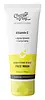
This glycolic acid gel cleanser is formulated around Glycolic Acid to exfoliate and smooth skin.
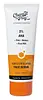
This smoothing exfoliator is formulated around Lactobionic Acid and Mandelic Acid to refine skin texture and brighten dull-looking skin.

What's inside
What's inside
 Key Ingredients
Benefits
Concerns
Ingredients Side-by-side
Water
Skin ConditioningSodium C14-16 Olefin Sulfonate
Cleansing

Cocamidopropyl Betaine
Cleansing

Propanediol
Solvent

Sodium Cocoamphoacetate
CleansingSodium Cocoyl Isethionate
Cleansing
Acrylates/C10-30 Alkyl Acrylate Crosspolymer
Emulsion StabilisingGlycolic Acid
Buffering









Myrciaria Dubia Fruit Extract
Skin ConditioningTerminalia Ferdinandiana Fruit Extract
Antioxidant
Sodium Lauroyl Sarcosinate
CleansingCeramide As
Skin Conditioning

Alpha-Arbutin
Antioxidant
3-O-Ethyl Ascorbic Acid
Skin Conditioning

Oryza Sativa Cera
Skin ConditioningNiacinamide
Smoothing
Parfum
Masking

Phenoxyethanol
Preservative
PEG-7 Glyceryl Cocoate
Emulsifying

Xanthan Gum
EmulsifyingCocamide Mea
Emulsifying
Phospholipids
Skin Conditioning
Sphingolipids
Emollient
Sodium Hydroxide
BufferingDisodium EDTA
Menthol
Masking
CI 19140
Cosmetic ColorantWater, Sodium C14-16 Olefin Sulfonate, Cocamidopropyl Betaine, Propanediol, Sodium Cocoamphoacetate, Sodium Cocoyl Isethionate, Acrylates/C10-30 Alkyl Acrylate Crosspolymer, Glycolic Acid, Myrciaria Dubia Fruit Extract, Terminalia Ferdinandiana Fruit Extract, Sodium Lauroyl Sarcosinate, Ceramide As, Alpha-Arbutin, 3-O-Ethyl Ascorbic Acid, Oryza Sativa Cera, Niacinamide, Parfum, Phenoxyethanol, PEG-7 Glyceryl Cocoate, Xanthan Gum, Cocamide Mea, Phospholipids, Sphingolipids, Sodium Hydroxide, Disodium EDTA, Menthol, CI 19140
Water
Skin ConditioningSorbitol
Humectant
Sodium Lauroamphoacetate
CleansingSodium C14-16 Olefin Sulfonate
Cleansing
Juglans Regia Shell Powder
Abrasive
Propylene Glycol
Humectant
Cocamidopropyl Betaine
Cleansing
Parfum
Masking
Acrylates/C10-30 Alkyl Acrylate Crosspolymer
Emulsion StabilisingLactobionic Acid
Buffering
Mandelic Acid
Antimicrobial
Citrus Limon Fruit Extract
Masking
Oryza Sativa Extract
Absorbent
Butyrospermum Parkii Butter
Skin Conditioning

1,2-Hexanediol
Skin Conditioning
Euterpe Oleracea Pulp Powder
Abrasive
PEG-40 Hydrogenated Castor Oil
Emulsifying
Perlite
Absorbent
Xanthan Gum
EmulsifyingDisodium EDTA
Phenoxyethanol
Preservative
PEG-45m
HumectantWater, Sorbitol, Sodium Lauroamphoacetate, Sodium C14-16 Olefin Sulfonate, Juglans Regia Shell Powder, Propylene Glycol, Cocamidopropyl Betaine, Parfum, Acrylates/C10-30 Alkyl Acrylate Crosspolymer, Lactobionic Acid, Mandelic Acid, Citrus Limon Fruit Extract, Oryza Sativa Extract, Butyrospermum Parkii Butter, 1,2-Hexanediol, Euterpe Oleracea Pulp Powder, PEG-40 Hydrogenated Castor Oil, Perlite, Xanthan Gum, Disodium EDTA, Phenoxyethanol, PEG-45m
Reviews
Ingredients Explained
These ingredients are found in both products.
Ingredients higher up in an ingredient list are typically present in a larger amount.
Acrylates/C10-30 Alkyl Acrylate Crosspolymer is a synthetic polymer. It is used to thicken, emulsify, and improve the texture of products.
As an emulsifier, it helps stabilize oil-in-water emulsions to give products an elegant feel when applied.
It can also form a thin protective film on skin. One study found that a formula using this polymer helped slow down how quickly other ingredients (like DEET) were absorbed through skin.
A 2024 study of over 1,300 patients confirmed that sensitization to this ingredient is rare. It is also non-mutagenic and has a clean track record.
Learn more about Acrylates/C10-30 Alkyl Acrylate CrosspolymerCocamidopropyl Betaine is a fatty acid created by mixing similar compounds in coconut oil and dimethylaminopropylamine, a compound with two amino groups.
This ingredient is a surfactant and cleanser. It helps gather the dirt, pollutants, and other impurities in your skin to be washed away. It also helps thicken a product and make the texture more creamy.
Being created from coconut oil means Cocamidopropyl Betaine is hydrating for the skin.
While Cocamidopropyl Betaine was believed to be an allergen, a study from 2012 disproved this. It found two compounds in unpure Cocamidopropyl Betaine to be the irritants: aminoamide and 3-dimethylaminopropylamine. High-grade and pure Cocamidopropyl Betaine did not induce allergic reactions during this study.
Learn more about Cocamidopropyl BetaineDisodium EDTA is a chelating agent. It grabs onto and deactivates metal ions that sneak into your products from water, packaging, or air.
This ingredient mainly works behind the scenes and helps with:
On top of that, this ingredient can counteract the effects of hard water by binding to the minerals in it.
One thing worth knowing is that Disodium EDTA has been shown to be a mild penetration enhancer. It can help other ingredients absorb into skin more effectively which can be a double-edged sword (great for actives, but can also make the active too strong if you have sensitive skin).
Clinical patch testing showed no significant skin irritation at typical use concentrations and minimal dermal absorption.
You'll most likely see this ingredient near the end of an ingredient list. It's typically found in concentrations less than 1%.
Learn more about Disodium EDTAParfum is a catch-all term for an ingredient or more that is used to give a scent to products.
Also called "fragrance", this ingredient can be a blend of hundreds of chemicals or plant oils. This means every product with "fragrance" or "parfum" in the ingredients list is a different mixture.
For instance, Habanolide is a proprietary trade name for a specific aroma chemical. When used as a fragrance ingredient in cosmetics, most aroma chemicals fall under the broad labeling category of “FRAGRANCE” or “PARFUM” according to EU and US regulations.
The term 'parfum' or 'fragrance' is not regulated in many countries. In many cases, it is up to the brand to define this term.
For instance, many brands choose to label themselves as "fragrance-free" because they are not using synthetic fragrances. However, their products may still contain ingredients such as essential oils that are considered a fragrance by INCI standards.
One example is Calendula flower extract. Calendula is an essential oil that still imparts a scent or 'fragrance'.
Depending on the blend, the ingredients in the mixture can cause allergies and sensitivities on the skin. Some ingredients that are known EU allergens include linalool and citronellol.
Parfum can also be used to mask or cover an unpleasant scent.
The bottom line is: not all fragrances/parfum/ingredients are created equally. If you are worried about fragrances, we recommend taking a closer look at an ingredient. And of course, we always recommend speaking with a professional.
Learn more about ParfumPhenoxyethanol is one of the most widely used preservatives in skincare (and for good reason!).
It has a large spectrum of antimicrobial activity and especially effective bacteria, yeast, and mold while only having a weak effect on your skin's natural microbiome.
On a cellular level, it disrupts the cell membranes of microbes by poking holes that make the cell leak. This shuts down the chemical reactions the microbe needs to make energy so it can no longer survive.
Another perk of this ingredient is that it stays functional across a wide pH range (3-10).
You'll often see it paired with boosters like Ethylhexylglycerin; one study showed that a 1:9 ratio of Ethylhexylglycerin to Phenoxyethanol damages bacterial membranes as effectively as doubling the Phenoxyethanol concentration on its own.
Typical use concentrations range from 0.3-1% depending on the formula, and this ingredient is capped at 1% int the EU.
Safety-wise, the fear mongering does not hold up to the evidence. The EU's Scientific Committee on Consumer Safety and FDA consider it safe as a preservative at up to 1%, including for children of all ages.
Adverse systemic effects only showed up in animal studies at exposures roughly 200x higher than what people get from cosmetics. And despite its very widespread use, this ingredient is a rare sensitizer and allergic reactions are uncommon.
Learn more about PhenoxyethanolSodium C14-16 Olefin Sulfonate is a surfactant that helps water and oil mix so that dirt, sweat, sebum, and sunscreen can rinse away easily. It's not technically a sulfate, but behaves similarly in formulas.
What it does:
Sodium C14-16 Olefin Sulfonate is a strong cleansing surfactant and is much stronger than many mild cleansers. Because it works deeply, it can disrupt the skin's barrier. This can lead to dryness or irritation for those with sensitive skin.
Compared to gentler surfactants, it's effective but more likely to dry or irritate if not balanced with soothing ingredients.
CIR considers sodium α-olefin sulfonates (including C14-16) to be safe for use in rinse-off products when properly formulated. It is poorly absorbed through normal skin but absorption increases if the skin barrier is already damaged.
Learn more about Sodium C14-16 Olefin SulfonateWater. It's the most common cosmetic ingredient of all. You'll usually see it at the top of ingredient lists, meaning that it makes up the largest part of the product.
So why is it so popular? Water most often acts as a solvent - this means that it helps dissolve other ingredients into the formulation.
You'll also recognize water as that liquid we all need to stay alive. If you see this, drink a glass of water. Remember to stay hydrated!
Learn more about WaterXanthan gum is used as a stabilizer and thickener within cosmetic products. It helps give products a sticky, thick feeling - preventing them from being too runny.
On the technical side of things, xanthan gum is a polysaccharide - a combination consisting of multiple sugar molecules bonded together.
Xanthan gum is a pretty common and great ingredient. It is a natural, non-toxic, non-irritating ingredient that is also commonly used in food products.
Learn more about Xanthan Gum

