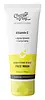
This glycolic acid gel cleanser is formulated around Glycolic Acid to exfoliate and smooth skin.
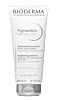
This citric acid cream cleanser is formulated around Citric Acid to exfoliate and smooth skin.


What's inside
What's inside
 Key Ingredients
Benefits
Concerns
Ingredients Side-by-side
Water
Skin ConditioningSodium C14-16 Olefin Sulfonate
Cleansing

Cocamidopropyl Betaine
Cleansing

Propanediol
Solvent

Sodium Cocoamphoacetate
CleansingSodium Cocoyl Isethionate
Cleansing
Acrylates/C10-30 Alkyl Acrylate Crosspolymer
Emulsion StabilisingGlycolic Acid
Buffering









Myrciaria Dubia Fruit Extract
Skin ConditioningTerminalia Ferdinandiana Fruit Extract
Antioxidant
Sodium Lauroyl Sarcosinate
CleansingCeramide As
Skin Conditioning

Alpha-Arbutin
Antioxidant
3-O-Ethyl Ascorbic Acid
Skin Conditioning

Oryza Sativa Cera
Skin ConditioningNiacinamide
Smoothing
Parfum
Masking

Phenoxyethanol
Preservative
PEG-7 Glyceryl Cocoate
Emulsifying

Xanthan Gum
EmulsifyingCocamide Mea
Emulsifying
Phospholipids
Skin Conditioning
Sphingolipids
Emollient
Sodium Hydroxide
BufferingDisodium EDTA
Menthol
Masking
CI 19140
Cosmetic ColorantWater, Sodium C14-16 Olefin Sulfonate, Cocamidopropyl Betaine, Propanediol, Sodium Cocoamphoacetate, Sodium Cocoyl Isethionate, Acrylates/C10-30 Alkyl Acrylate Crosspolymer, Glycolic Acid, Myrciaria Dubia Fruit Extract, Terminalia Ferdinandiana Fruit Extract, Sodium Lauroyl Sarcosinate, Ceramide As, Alpha-Arbutin, 3-O-Ethyl Ascorbic Acid, Oryza Sativa Cera, Niacinamide, Parfum, Phenoxyethanol, PEG-7 Glyceryl Cocoate, Xanthan Gum, Cocamide Mea, Phospholipids, Sphingolipids, Sodium Hydroxide, Disodium EDTA, Menthol, CI 19140
Water
Skin ConditioningCitric Acid
Buffering
Butyrospermum Parkii Oil
Emollient
Magnesium Laureth Sulfate
Cleansing
Sodium Hydroxide
BufferingCellulose Acetate
Sodium Cocoamphoacetate
CleansingMethylpropanediol
SolventAcrylates/C10-30 Alkyl Acrylate Crosspolymer
Emulsion StabilisingCoco-Glucoside
Cleansing
Glyceryl Oleate
Emollient
Sodium Cocoyl Glutamate
Cleansing
Xanthan Gum
EmulsifyingSodium Citrate
BufferingBenzoic Acid
Masking
Propanediol
Solvent
Acrylates/Vinyl Isodecanoate Crosspolymer
Emulsion StabilisingMannitol
Humectant
Xylitol
Humectant
Rhamnose
HumectantTocopherol
Antioxidant
Helianthus Annuus Seed Oil
Emollient
Lysine
Skin ConditioningAzelaic Acid
Buffering
Andrographis Paniculata Leaf Extract
AstringentFructooligosaccharides
Humectant
Caprylic/Capric Triglyceride
Masking
Hydrogenated Palm Glycerides Citrate
Emollient
Laminaria Ochroleuca Extract
Skin Conditioning
Parfum
Masking
Water, Citric Acid, Butyrospermum Parkii Oil, Magnesium Laureth Sulfate, Sodium Hydroxide, Cellulose Acetate, Sodium Cocoamphoacetate, Methylpropanediol, Acrylates/C10-30 Alkyl Acrylate Crosspolymer, Coco-Glucoside, Glyceryl Oleate, Sodium Cocoyl Glutamate, Xanthan Gum, Sodium Citrate, Benzoic Acid, Propanediol, Acrylates/Vinyl Isodecanoate Crosspolymer, Mannitol, Xylitol, Rhamnose, Tocopherol, Helianthus Annuus Seed Oil, Lysine, Azelaic Acid, Andrographis Paniculata Leaf Extract, Fructooligosaccharides, Caprylic/Capric Triglyceride, Hydrogenated Palm Glycerides Citrate, Laminaria Ochroleuca Extract, Parfum
Reviews
Ingredients Explained
These ingredients are found in both products.
Ingredients higher up in an ingredient list are typically present in a larger amount.
Acrylates/C10-30 Alkyl Acrylate Crosspolymer is a synthetic polymer. It is used to thicken, emulsify, and improve the texture of products.
As an emulsifier, it helps stabilize oil-in-water emulsions to give products an elegant feel when applied.
It can also form a thin protective film on skin. One study found that a formula using this polymer helped slow down how quickly other ingredients (like DEET) were absorbed through skin.
A 2024 study of over 1,300 patients confirmed that sensitization to this ingredient is rare. It is also non-mutagenic and has a clean track record.
Learn more about Acrylates/C10-30 Alkyl Acrylate CrosspolymerParfum is a catch-all term for an ingredient or more that is used to give a scent to products.
Also called "fragrance", this ingredient can be a blend of hundreds of chemicals or plant oils. This means every product with "fragrance" or "parfum" in the ingredients list is a different mixture.
For instance, Habanolide is a proprietary trade name for a specific aroma chemical. When used as a fragrance ingredient in cosmetics, most aroma chemicals fall under the broad labeling category of “FRAGRANCE” or “PARFUM” according to EU and US regulations.
The term 'parfum' or 'fragrance' is not regulated in many countries. In many cases, it is up to the brand to define this term.
For instance, many brands choose to label themselves as "fragrance-free" because they are not using synthetic fragrances. However, their products may still contain ingredients such as essential oils that are considered a fragrance by INCI standards.
One example is Calendula flower extract. Calendula is an essential oil that still imparts a scent or 'fragrance'.
Depending on the blend, the ingredients in the mixture can cause allergies and sensitivities on the skin. Some ingredients that are known EU allergens include linalool and citronellol.
Parfum can also be used to mask or cover an unpleasant scent.
The bottom line is: not all fragrances/parfum/ingredients are created equally. If you are worried about fragrances, we recommend taking a closer look at an ingredient. And of course, we always recommend speaking with a professional.
Learn more about ParfumPropanediol is an all-star ingredient. It softens, hydrates, and smooths the skin.
It’s often used to:
Propanediol is not likely to cause sensitivity and considered safe to use. It is derived from corn or petroleum with a clear color and no scent.
Learn more about PropanediolWe don't have a description for Sodium Cocoamphoacetate yet.
Sodium Hydroxide is also known as lye or caustic soda. It is used to adjust the pH of products; many ingredients require a specific pH to be effective.
In small amounts, sodium hydroxide is considered safe to use. However, large amounts may cause chemical burns due to its high alkaline.
Your skin has a natural pH and acid mantle. This acid mantle helps prevent harmful bacteria from breaking through. The acid mantle also helps keep your skin hydrated.
"Alkaline" refers to a high pH level. A low pH level would be considered acidic.
Learn more about Sodium HydroxideWater. It's the most common cosmetic ingredient of all. You'll usually see it at the top of ingredient lists, meaning that it makes up the largest part of the product.
So why is it so popular? Water most often acts as a solvent - this means that it helps dissolve other ingredients into the formulation.
You'll also recognize water as that liquid we all need to stay alive. If you see this, drink a glass of water. Remember to stay hydrated!
Learn more about WaterXanthan gum is used as a stabilizer and thickener within cosmetic products. It helps give products a sticky, thick feeling - preventing them from being too runny.
On the technical side of things, xanthan gum is a polysaccharide - a combination consisting of multiple sugar molecules bonded together.
Xanthan gum is a pretty common and great ingredient. It is a natural, non-toxic, non-irritating ingredient that is also commonly used in food products.
Learn more about Xanthan Gum

