Philosophy Anti-Wrinkle Miracle Worker+ Line-Correcting Overnight Cream Versus Olay Regenerist Retinol 24 + Peptide Night Moisturizer
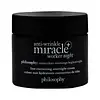
This anti-aging night moisturizer is formulated around 3-O-Ethyl Ascorbic Acid and Gluconolactone to soften the look of wrinkles and refine skin texture.
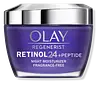
This anti-aging night moisturizer is formulated around Retinol and Niacinamide to soften the look of wrinkles and refine skin texture.

What's inside
What's inside
 Key Ingredients
Benefits
Concerns
Ingredients Side-by-side
Water
Skin ConditioningGlycerin
Humectant


Dicaprylyl Carbonate
EmollientHydrogenated Polyisobutene
EmollientOctyldodecanol
Emollient
Cyclopentasiloxane
Emollient
Cetyl Alcohol
Emollient


Cetyl Stearate
Emollient
Hydroxyethyl Acrylate/Sodium Acryloyldimethyl Taurate Copolymer
Emulsion Stabilising3-O-Ethyl Ascorbic Acid
Skin Conditioning




Isostearyl Isostearate
Emollient


Potassium Cetyl Phosphate
EmulsifyingSqualane
Emollient
Gluconolactone
Chelating


Glyceryl Stearate
Emollient
PEG-100 Stearate
Surfactant
Magnesium Aluminum Silicate
Absorbent
Bisabolol
Antioxidant

Butylene Glycol
Humectant
Chlorphenesin
Antimicrobial
Sodium Benzoate
Masking
Xanthan Gum
EmulsifyingAllantoin
Skin Conditioning
Stearalkonium Hectorite
Gel FormingDimethicone/Vinyl Dimethicone Crosspolymer
Skin Conditioning
Polysorbate 60
Emulsifying
Isopropyl Palmitate
Emollient
Tocopheryl Acetate
Antioxidant
Propanediol
Solvent
Sodium Hydroxide
BufferingParfum
Masking


Cyclohexasiloxane
Emollient
PEG-8
HumectantAlbizia Julibrissin Bark Extract
MaskingAscorbyl Glucoside
Antioxidant
Propylene Carbonate
SolventStearic Acid
Cleansing
Disodium EDTA
ChelatingLecithin
Emollient
Tocopherol
Antioxidant
Citrus Aurantium Dulcis Fruit Extract
MaskingMaltodextrin
Absorbent
Phenoxyethanol
Preservative
Beta-Glucan
Skin Conditioning
Calcium Gluconate
HumectantCarbomer
Emulsion StabilisingAscorbyl Palmitate
Antioxidant
Polysorbate 20
Emulsifying
Saponins
CleansingHyaluronic Acid
Humectant
Citric Acid
Buffering
Silanetriol
Swertia Chirata Extract
HumectantLimonene
Perfuming
Benzyl Salicylate
Perfuming
Mineral Salts
Skin ConditioningSorbic Acid
Preservative
Benzoic Acid
Masking
Anogeissus Leiocarpus Bark Extract
Skin ProtectingAscorbic Acid
Antioxidant
Dehydroacetic Acid
Preservative
Farnesol
Perfuming
Ethylhexylglycerin
Skin ConditioningPalmitoyl Tripeptide-1
Skin Conditioning
Palmitoyl Tetrapeptide-7
Skin Conditioning
Water, Glycerin, Dicaprylyl Carbonate, Hydrogenated Polyisobutene, Octyldodecanol, Cyclopentasiloxane, Cetyl Alcohol, Cetyl Stearate, Hydroxyethyl Acrylate/Sodium Acryloyldimethyl Taurate Copolymer, 3-O-Ethyl Ascorbic Acid, Isostearyl Isostearate, Potassium Cetyl Phosphate, Squalane, Gluconolactone, Glyceryl Stearate, PEG-100 Stearate, Magnesium Aluminum Silicate, Bisabolol, Butylene Glycol, Chlorphenesin, Sodium Benzoate, Xanthan Gum, Allantoin, Stearalkonium Hectorite, Dimethicone/Vinyl Dimethicone Crosspolymer, Polysorbate 60, Isopropyl Palmitate, Tocopheryl Acetate, Propanediol, Sodium Hydroxide, Parfum, Cyclohexasiloxane, PEG-8, Albizia Julibrissin Bark Extract, Ascorbyl Glucoside, Propylene Carbonate, Stearic Acid, Disodium EDTA, Lecithin, Tocopherol, Citrus Aurantium Dulcis Fruit Extract, Maltodextrin, Phenoxyethanol, Beta-Glucan, Calcium Gluconate, Carbomer, Ascorbyl Palmitate, Polysorbate 20, Saponins, Hyaluronic Acid, Citric Acid, Silanetriol, Swertia Chirata Extract, Limonene, Benzyl Salicylate, Mineral Salts, Sorbic Acid, Benzoic Acid, Anogeissus Leiocarpus Bark Extract, Ascorbic Acid, Dehydroacetic Acid, Farnesol, Ethylhexylglycerin, Palmitoyl Tripeptide-1, Palmitoyl Tetrapeptide-7
Water
Skin ConditioningDimethicone
Emollient
Glycerin
Humectant
Tapioca Starch
Dimethicone Crosspolymer
Emulsion Stabilising
Retinol
Skin Conditioning
Retinyl Propionate
Skin Conditioning
Niacinamide
Smoothing
Palmitoyl Pentapeptide-4
Skin Conditioning
Polyacrylamide
C13-14 Isoparaffin
Emollient
DMDM Hydantoin
Preservative
Polysorbate 20
Emulsifying
Laureth-4
Emulsifying
Acrylates/C10-30 Alkyl Acrylate Crosspolymer
Emulsion StabilisingLaureth-7
EmulsifyingDimethiconol
Emollient
Polymethylsilsesquioxane
Aminomethyl Propanol
BufferingTitanium Dioxide
Cosmetic Colorant

Disodium EDTA
ChelatingIodopropynyl Butylcarbamate
Preservative
Caprylic/Capric Triglyceride
Masking
Water, Dimethicone, Glycerin, Tapioca Starch, Dimethicone Crosspolymer, Retinol, Retinyl Propionate, Niacinamide, Palmitoyl Pentapeptide-4, Polyacrylamide, C13-14 Isoparaffin, DMDM Hydantoin, Polysorbate 20, Laureth-4, Acrylates/C10-30 Alkyl Acrylate Crosspolymer, Laureth-7, Dimethiconol, Polymethylsilsesquioxane, Aminomethyl Propanol, Titanium Dioxide, Disodium EDTA, Iodopropynyl Butylcarbamate, Caprylic/Capric Triglyceride
Reviews
Ingredients Explained
These ingredients are found in both products.
Ingredients higher up in an ingredient list are typically present in a larger amount.
Disodium EDTA is a chelating agent. It grabs onto and deactivates metal ions that sneak into your products from water, packaging, or air.
This ingredient mainly works behind the scenes and helps with:
On top of that, this ingredient can counteract the effects of hard water by binding to the minerals in it.
One thing worth knowing is that Disodium EDTA has been shown to be a mild penetration enhancer. It can help other ingredients absorb into skin more effectively which can be a double-edged sword (great for actives, but can also make the active too strong if you have sensitive skin).
Clinical patch testing showed no significant skin irritation at typical use concentrations and minimal dermal absorption.
You'll most likely see this ingredient near the end of an ingredient list. It's typically found in concentrations less than 1%.
Learn more about Disodium EDTAGlycerin (or glycerol) is a compound naturally found in your skin. It's a powerhouse humectant that pulls water into the stratum corneum.
Topically, glycerin does several things at once:
Your skin makes glycerin on its own (mostly from sebaceous oil breakdown) and shuttles it to your outermost layer of skin, or your epidermis, via aquaporin-3.
Aquaporin-3 is a transporter that is essential for normal skin hydration, elasticity, and repair. Interestingly, mice lacking in AQP3 have dry and less elastic skin that can be fully corrected with glycerin.
This ingredient is non-irritating, plays well with almost every ingredient, and works across all skin types. Typical use is anywhere between 3-10% but can go up to 79% in some leave-on products.
Just know very high concentrations (>40%) can feel tacky in low humidity.
Glycerin is the name for this ingredient in American English. British English uses Glycerol/Glycerine.
Learn more about GlycerinPolysorbate 20 is a gentle, water-soluble emulsifier and mild surfactant. It stops oil and water from separating to keep your formulas blended and stable.
It also acts as a mild penetration enhancer by helping active ingredients absorb slightly better.
The common safety discussion around this ingredient involves a manufacturing byproduct called 1,4-dioxane.
Trace amounts can form during production but the EU's Scientific Committee on Consumer Safety has concluded that levels at/below 10 ppm in finished products are safe (commercial products consistently fall within acceptable margins).
True allergic reactions are uncommon and the CIR Expert Panel has confirmed this ingredient to be safe as used in cosmetics.
Because it is derived from lauric acid, it may not be fungal acne safe.
Learn more about Polysorbate 20Water. It's the most common cosmetic ingredient of all. You'll usually see it at the top of ingredient lists, meaning that it makes up the largest part of the product.
So why is it so popular? Water most often acts as a solvent - this means that it helps dissolve other ingredients into the formulation.
You'll also recognize water as that liquid we all need to stay alive. If you see this, drink a glass of water. Remember to stay hydrated!
Learn more about Water

