Peter Thomas Roth Potent C Brightening Vitamin C Moisturizer Versus Peter Thomas Roth Potent-C ™ Power Brightening Hydra-Gels
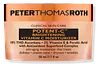
This brightening moisturizer is formulated around Tetrahexyldecyl Ascorbate and Tocopheryl Acetate to brighten dull-looking skin and fade the look of dark spots.
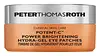
This brightening eye mask is formulated around Tetrahexyldecyl Ascorbate and Ferulic Acid to brighten dull-looking skin and soften the look of wrinkles.

What's inside
What's inside
 Key Ingredients
Benefits
Concerns
Ingredients Side-by-side
Water
Skin ConditioningTetrahexyldecyl Ascorbate
Antioxidant






Propanediol
Solvent

C9-12 Alkane
SolventGlycerin
Humectant
Tocopheryl Acetate
Antioxidant
Behenyl Alcohol
Emollient
Palmitic Acid
Emollient




Cetyl Palmitate
Emollient
Polyglyceryl-2 Stearate
Emulsifying
Stearic Acid
Cleansing
Stearyl Alcohol
Emollient
Oleic Acid
Emollient
Soy Acid
EmollientFerulic Acid
Antimicrobial
Brassica Oleracea Acephala Leaf Extract
HumectantOlea Europaea Fruit Extract
BleachingHydrolyzed Collagen
Emollient
Elastin
Skin ConditioningZingiber Officinale Root Extract
Masking
Lactic Acid
Buffering



Ceramide NP
Skin Conditioning
Sodium Hyaluronate
Humectant
Butyrospermum Parkii Butter
Skin Conditioning
Wheat Amino Acids
Skin ConditioningGlycine Soja Sterols
Emollient
Saccharomyces Ferment
Skin Conditioning
Jojoba Esters
Emollient
Olus Oil
Emollient
Glyceryl Stearate
Emollient
Gluconolactone
Skin Conditioning

Calcium Gluconate
HumectantSodium Benzoate
Masking
Sodium PCA
Humectant
Sodium Stearoyl Lactylate
EmulsifyingMyristic Acid
Cleansing
Sodium Hydroxide
BufferingSodium Lactate
Buffering
Lauroyl Lysine
Skin Conditioning
Arachidic Acid
Cleansing
Lauric Acid
Cleansing
Potassium Sorbate
Preservative
Coco-Caprylate/Caprate
Emollient
Sodium Carboxymethyl Beta-Glucan
CleansingHistidine Hcl
Skin ConditioningCarnosine
Skin Conditioning
Polyglyceryl-6 Distearate
Emulsifying
Arachidyl Alcohol
Emollient
Cetyl Alcohol
Emollient
Lauryl Alcohol
Emollient
Xanthan Gum
EmulsifyingCarbomer
Emulsion StabilisingPolyglyceryl-3 Beeswax
Emulsifying
Ethylhexylglycerin
Skin ConditioningDisodium EDTA
Mica
Cosmetic ColorantPhenoxyethanol
Preservative
CI 15985
Cosmetic ColorantCI 19140
Cosmetic ColorantWater, Tetrahexyldecyl Ascorbate, Propanediol, C9-12 Alkane, Glycerin, Tocopheryl Acetate, Behenyl Alcohol, Palmitic Acid, Cetyl Palmitate, Polyglyceryl-2 Stearate, Stearic Acid, Stearyl Alcohol, Oleic Acid, Soy Acid, Ferulic Acid, Brassica Oleracea Acephala Leaf Extract, Olea Europaea Fruit Extract, Hydrolyzed Collagen, Elastin, Zingiber Officinale Root Extract, Lactic Acid, Ceramide NP, Sodium Hyaluronate, Butyrospermum Parkii Butter, Wheat Amino Acids, Glycine Soja Sterols, Saccharomyces Ferment, Jojoba Esters, Olus Oil, Glyceryl Stearate, Gluconolactone, Calcium Gluconate, Sodium Benzoate, Sodium PCA, Sodium Stearoyl Lactylate, Myristic Acid, Sodium Hydroxide, Sodium Lactate, Lauroyl Lysine, Arachidic Acid, Lauric Acid, Potassium Sorbate, Coco-Caprylate/Caprate, Sodium Carboxymethyl Beta-Glucan, Histidine Hcl, Carnosine, Polyglyceryl-6 Distearate, Arachidyl Alcohol, Cetyl Alcohol, Lauryl Alcohol, Xanthan Gum, Carbomer, Polyglyceryl-3 Beeswax, Ethylhexylglycerin, Disodium EDTA, Mica, Phenoxyethanol, CI 15985, CI 19140
Water
Skin ConditioningGlycerin
Humectant
Chondrus Crispus Powder
Abrasive
Butylene Glycol
Humectant
Chondrus Crispus Extract
Skin Conditioning
Sodium Hyaluronate
Humectant
Tetrahexyldecyl Ascorbate
Antioxidant
Ferulic Acid
Antimicrobial
Hydrolyzed Collagen
Emollient
Tocopheryl Acetate
Antioxidant
Niacinamide
Smoothing
Adenosine
Skin Conditioning
Aloe Barbadensis Leaf Juice Powder
Skin Conditioning
Citrus Limon Fruit Extract
Masking
Actinidia Chinensis Fruit Extract
EmollientPyrus Malus Fruit Extract
Skin Conditioning
Vitis Vinifera Fruit Extract
Skin ConditioningCitrus Aurantium Dulcis Fruit Extract
MaskingCitrus Junos Fruit Extract
Skin ConditioningFragaria Chiloensis Fruit Extract
Skin Conditioning
Allantoin
Skin Conditioning
Chlorphenesin
Antimicrobial
Caffeine
Skin Conditioning
1,2-Hexanediol
Skin Conditioning
Ceratonia Siliqua Gum
EmollientXanthan Gum
EmulsifyingCalcium Lactate
AstringentRicinus Communis Seed Oil
Masking
CI 77491
Cosmetic ColorantDextrin
AbsorbentPEG-60 Hydrogenated Castor Oil
Emulsifying
Potassium Chloride
Titanium Dioxide
Cosmetic Colorant

Disodium EDTA
Synthetic Fluorphlogopite
Tin Oxide
Abrasive
Phenoxyethanol
Preservative
Water, Glycerin, Chondrus Crispus Powder, Butylene Glycol, Chondrus Crispus Extract, Sodium Hyaluronate, Tetrahexyldecyl Ascorbate, Ferulic Acid, Hydrolyzed Collagen, Tocopheryl Acetate, Niacinamide, Adenosine, Aloe Barbadensis Leaf Juice Powder, Citrus Limon Fruit Extract, Actinidia Chinensis Fruit Extract, Pyrus Malus Fruit Extract, Vitis Vinifera Fruit Extract, Citrus Aurantium Dulcis Fruit Extract, Citrus Junos Fruit Extract, Fragaria Chiloensis Fruit Extract, Allantoin, Chlorphenesin, Caffeine, 1,2-Hexanediol, Ceratonia Siliqua Gum, Xanthan Gum, Calcium Lactate, Ricinus Communis Seed Oil, CI 77491, Dextrin, PEG-60 Hydrogenated Castor Oil, Potassium Chloride, Titanium Dioxide, Disodium EDTA, Synthetic Fluorphlogopite, Tin Oxide, Phenoxyethanol
Ingredients Explained
These ingredients are found in both products.
Ingredients higher up in an ingredient list are typically present in a larger amount.
Disodium EDTA is a chelating agent. It grabs onto and deactivates metal ions that sneak into your products from water, packaging, or air.
This ingredient mainly works behind the scenes and helps with:
On top of that, this ingredient can counteract the effects of hard water by binding to the minerals in it.
One thing worth knowing is that Disodium EDTA has been shown to be a mild penetration enhancer. It can help other ingredients absorb into skin more effectively which can be a double-edged sword (great for actives, but can also make the active too strong if you have sensitive skin).
Clinical patch testing showed no significant skin irritation at typical use concentrations and minimal dermal absorption.
You'll most likely see this ingredient near the end of an ingredient list. It's typically found in concentrations less than 1%.
Learn more about Disodium EDTAFerulic Acid is a plant based antioxidant that can be naturally found in the cell walls of grains like rice, oats, and corn. It has antioxidant and antimicrobial properties, and has the ability to boost the performance of other antioxidants as well.
A well-known study found that adding Ferulic Acid to a solution of Vitamins C and E doubled the photoprotection of skin. This is why you'll often see it paired with Vitamin C or Vitamin E serums rather than sold on its own.
A 2025 review of 18 human studies found that using Ferulic Acid (0.5-1%) daily for one to three months showed improvements in:
As far as allergies go, Ferulic acid is generally well-tolerated but can cause an allergic reaction in very rare cases. It's also worth noting that Ferulic acid is often extracted from plant sources like rice bran or wheat bran, so be sure to path test if you have known grain allergies.
Outside of skincare, researchers are also looking into Ferulic Acid for its potential benefits in areas like diabetes, Alzheimer's, and heart health.
Learn more about Ferulic AcidGlycerin (or glycerol) is a compound naturally found in your skin. It's a powerhouse humectant that pulls water into the stratum corneum.
Topically, glycerin does several things at once:
Your skin makes glycerin on its own (mostly from sebaceous oil breakdown) and shuttles it to your outermost layer of skin, or your epidermis, via aquaporin-3.
Aquaporin-3 is a transporter that is essential for normal skin hydration, elasticity, and repair. Interestingly, mice lacking in AQP3 have dry and less elastic skin that can be fully corrected with glycerin.
This ingredient is non-irritating, plays well with almost every ingredient, and works across all skin types. Typical use is anywhere between 3-10% but can go up to 79% in some leave-on products.
Just know very high concentrations (>40%) can feel tacky in low humidity.
Glycerin is the name for this ingredient in American English. British English uses Glycerol/Glycerine.
Learn more about GlycerinHydrolyzed Collagen is Collagen (usually sourced from fish, bovine, or porcine byproducts) that's been broken down into smaller peptides. This makes it water-soluble and easy to blend into formulations.
In a formula, it works mainly as a skin-conditioning and moisturizing agent.
The small peptides and amino acids (including Natural Moisturizing Factor components like Hydroxyproline, Serine, and Aspartic Acid) help the surface of the skin hold onto water, feel softer, and look temporarily plumper.
This ingredient also has mild film-forming and antioxidant properties with research showing the antioxidant effect is stronger the lower the molecular weight of the peptides.
It's worth being realistic here:
Topically applied Hydrolyzed Collagen conditions the upper layers of skin rather than rebuilding the structural collagen deep in your dermis (the wrinkle-and-firmness benefits people associate with Collagen mostly come from oral supplements in studies, not topicals).
However, recent lab and skin-model work on Hydrolyzed Fish Collagen has shown promising effects on cell viability and wound healing when used as an active.
Typical concentrations range from 0.2-2%, but the percentage can go much higher in rinse-off or hair products (sometimes even above 50%).
Clinical studies on this ingredient showed no irritation, sensitization, or phototoxicity.
If you are looking for vegan collagen, it usually goes by a different INCI name like hydrolyzed soy protein. Vegan collagen is derived from yeast, bacteria, or plant sources.
The results are varied.
A study from 2021 found hydrolyzed collagen increased elasticity and improved wrinkles in 1,125 participants between age 20 and 70. Another study found increased skin thickness in participants between the ages of 45 to 59.
However, It is difficult to prove that oral collagen will end up working on your skin. Many of the studies using hydrolyzed collagen also add several vitamins and nutrients into the test mixture as well.
Further studies are needed at this time.
Learn more about Hydrolyzed CollagenPhenoxyethanol is one of the most widely used preservatives in skincare (and for good reason!).
It has a large spectrum of antimicrobial activity and especially effective bacteria, yeast, and mold while only having a weak effect on your skin's natural microbiome.
On a cellular level, it disrupts the cell membranes of microbes by poking holes that make the cell leak. This shuts down the chemical reactions the microbe needs to make energy so it can no longer survive.
Another perk of this ingredient is that it stays functional across a wide pH range (3-10).
You'll often see it paired with boosters like Ethylhexylglycerin; one study showed that a 1:9 ratio of Ethylhexylglycerin to Phenoxyethanol damages bacterial membranes as effectively as doubling the Phenoxyethanol concentration on its own.
Typical use concentrations range from 0.3-1% depending on the formula, and this ingredient is capped at 1% int the EU.
Safety-wise, the fear mongering does not hold up to the evidence. The EU's Scientific Committee on Consumer Safety and FDA consider it safe as a preservative at up to 1%, including for children of all ages.
Adverse systemic effects only showed up in animal studies at exposures roughly 200x higher than what people get from cosmetics. And despite its very widespread use, this ingredient is a rare sensitizer and allergic reactions are uncommon.
Learn more about PhenoxyethanolSodium Hyaluronate is the salt form of hyaluronic acid. It is a long sugar chain that is naturally found in your skin, joints, and connective tissue that maintains hydration and elasticity.
In skincare, it works as a humectant. It pulls water from the environment and deeper layers of skin and binds it to the surface.
Interestingly, the size of the molecule affects its behavior:
Some clinical evidence links low molecular weight versions to improved wrinkle depth, elasticity, anti-inflammatory effects, and barrier repair.
Many serums use a blend of both weights so you can get surface hydration plus longer-lasting and deeper effects.
You'll typically see concentrations between 0.1-2% for this ingredient.
Learn more about Sodium HyaluronateTetrahexyldecyl Ascorbate (THD) is a stable and oil-soluble form of Vitamin C.
THD is special in that it has the ability to travel deeper into skin than traditional ascorbic acid while maintaining the same skin benefits (double win!).
Because it’s oil-soluble, THD dives deep into your skin’s fatty layers (think ceramides and cholesterol) to fight off the kind of free radicals that mess with your skin barrier. This makes it a great pair with water-based vitamin C (ascorbic acid) that mainly works on the surface.
Even at just 0.1%, THD is already showing great antioxidant activity. When used up to 2%, it helps keep your skin happy and calm, especially when it’s stressed from pollution or sun.
Want to fade dark spots or tackle hyperpigmentation? You’ll want 5% or more. Pairing it with brightening buddies like niacinamide or licorice root gives even better results. One study even used 30% THD with other brighteners and saw real results on stubborn discoloration, even in melasma-prone skin.
A note on THD: It’s has a slightly silky, oily texture and usually shows up colorless or pale yellow (though the exact shade can vary by supplier).
While you can sneak it into water-based formulas, it really shines when paired with silicones or oils, which help your skin soak it up better.
THD is pretty stable, but it’s still vulnerable to degradation like ascorbic acid. Too much light or heat (above 113°F / 45°C) can break it down over time. Go for dark and opaque packaging that keeps it safe and shady!
Read more about other types of Vitamin C:
Learn more about Tetrahexyldecyl AscorbateTocopheryl Acetate is a stable, shelf-friendly form of vitamin E.
Formulators love it because plain vitamin E oxidizes quickly once it hits air. This acetate version stays stable and resists going off, helping to extend a product's shelf life.
It's actually inactive on its own and works like a slow-release "storage" form; the enzymes in your skin called esterases gradually convert it into active vitamin E over time.
One in vivo study showed 5% of the acetate in the living layer of the epidermis converted to vitamin E after 5 days of application. This study also found the skin gained protection against UV damage even though the conversion was slow and small.
Once converted, vitamin E acts as a skin's main fat-soluble antioxidant that fights free radicals to protect skin from damage.
Topical vitamin E generally boosts the skin's photoprotection, and it reduced UV-damage in animal models.
This ingredient has some brightening potential but it's more of a prevention ingredient than spot-fader. Cell studies show it can slow down melanin production but it's worth noting that it's not the most powerful brightener out there.
Overall, it has a pretty solid safety profile and has been found to be non-irritating and non-comedogenic. Allergic reactions may happen but stay rare due to how widely the ingredient gets used.
The concentration will vary depending on the formula; industry data shows 0.1% in baby lotions, 3% in lipsticks, and 5% in foot powders. You can also find this ingredient at 100% in a pure vitamin E oil.
Most leave-on skincare keeps it at the lower end, often between 0.5-1%.
Learn more about Tocopheryl AcetateWater. It's the most common cosmetic ingredient of all. You'll usually see it at the top of ingredient lists, meaning that it makes up the largest part of the product.
So why is it so popular? Water most often acts as a solvent - this means that it helps dissolve other ingredients into the formulation.
You'll also recognize water as that liquid we all need to stay alive. If you see this, drink a glass of water. Remember to stay hydrated!
Learn more about WaterXanthan gum is used as a stabilizer and thickener within cosmetic products. It helps give products a sticky, thick feeling - preventing them from being too runny.
On the technical side of things, xanthan gum is a polysaccharide - a combination consisting of multiple sugar molecules bonded together.
Xanthan gum is a pretty common and great ingredient. It is a natural, non-toxic, non-irritating ingredient that is also commonly used in food products.
Learn more about Xanthan Gum

