
What's inside
What's inside
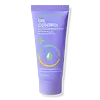 Key Ingredients
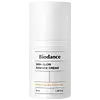
Benefits
Concerns
Ingredients Side-by-side
Water
Skin ConditioningCetyl Ethylhexanoate
EmollientCetearyl Alcohol
Emollient



1,2-Hexanediol
Skin Conditioning
Niacinamide
Smoothing










Glycerin
Humectant
Sea Water
HumectantPropolis Extract
Skin Conditioning
Zinc PCA
Humectant
Sodium Hyaluronate
Humectant
Hydrolyzed Hyaluronic Acid
Humectant
Hyaluronic Acid
Humectant
Sodium Acetylated Hyaluronate
Humectant
Bambusa Vulgaris Extract
Skin Conditioning
Hydroxyethylcellulose
Emulsion StabilisingCamellia Sinensis Leaf Extract
Antimicrobial
Pinus Densiflora Bark Extract
Skin ConditioningPinus Palustris Leaf Extract
TonicGlyceryl Stearate
Emollient
Lactobacillus Ferment
Skin Conditioning
Aloe Barbadensis Leaf Extract
Emollient
Glucose
Humectant
Fragaria Ananassa Fruit Extract
Skin Conditioning
Ulmus Davidiana Root Extract
Skin Conditioning
Pueraria Lobata Root Extract
HumectantPolylysine
Gellan Gum
Ceramide NP
Skin Conditioning
Phytosphingosine
Skin Conditioning
Cholesterol
Emollient
Chamomilla Recutita Flower Extract
Masking
Cynanchum Atratum Extract
Skin ConditioningCetearyl Glucoside
EmulsifyingButylene Glycol
Humectant
Hydroxypropyltrimonium Hyaluronate
Potassium Hyaluronate
Skin ConditioningRosmarinus Officinalis Leaf Extract
AntimicrobialFomes Officinalis Extract
Skin ProtectingOenothera Biennis Flower Extract
AstringentHydrogenated Lecithin
Emulsifying
Sodium Hyaluronate Crosspolymer
Humectant
Stearic Acid
Cleansing
Persea Gratissima Oil
Skin Conditioning
Adansonia Digitata Seed Oil
Emollient
Macadamia Integrifolia Seed Oil
Skin Conditioning
Elaeis Guineensis Oil
Emollient
Melaleuca Alternifolia Leaf Extract
Perfuming
Caprylyl Glycol
Emollient
Water, Cetyl Ethylhexanoate, Cetearyl Alcohol, 1,2-Hexanediol, Niacinamide, Glycerin, Sea Water, Propolis Extract, Zinc PCA, Sodium Hyaluronate, Hydrolyzed Hyaluronic Acid, Hyaluronic Acid, Sodium Acetylated Hyaluronate, Bambusa Vulgaris Extract, Hydroxyethylcellulose, Camellia Sinensis Leaf Extract, Pinus Densiflora Bark Extract, Pinus Palustris Leaf Extract, Glyceryl Stearate, Lactobacillus Ferment, Aloe Barbadensis Leaf Extract, Glucose, Fragaria Ananassa Fruit Extract, Ulmus Davidiana Root Extract, Pueraria Lobata Root Extract, Polylysine, Gellan Gum, Ceramide NP, Phytosphingosine, Cholesterol, Chamomilla Recutita Flower Extract, Cynanchum Atratum Extract, Cetearyl Glucoside, Butylene Glycol, Hydroxypropyltrimonium Hyaluronate, Potassium Hyaluronate, Rosmarinus Officinalis Leaf Extract, Fomes Officinalis Extract, Oenothera Biennis Flower Extract, Hydrogenated Lecithin, Sodium Hyaluronate Crosspolymer, Stearic Acid, Persea Gratissima Oil, Adansonia Digitata Seed Oil, Macadamia Integrifolia Seed Oil, Elaeis Guineensis Oil, Melaleuca Alternifolia Leaf Extract, Caprylyl Glycol
Water
Skin ConditioningHydrogenated Polydecene
EmollientButylene Glycol
Humectant
Isononyl Isononanoate
EmollientPolyglyceryl-4 Oleate
Emulsifying
Niacinamide
Smoothing
Polyglyceryl-6 Oleate
Emulsifying
Polyhydroxystearic Acid
Emulsifying
Magnesium Sulfate
Sorbitan Sesquioleate
Emulsifying
Dipropylene Glycol
HumectantHydroxyacetophenone
Antioxidant
Caprylyl Glycol
Emollient
Ethylhexylglycerin
Skin ConditioningRosa Damascena Flower Water
Masking
Iris Florentina Root Extract
MaskingPyrus Communis Fruit Extract
Skin ConditioningHedera Helix Leaf/Stem Extract
AntimicrobialCucumis Melo Fruit Extract
Skin ConditioningAdenosine
Skin Conditioning
Disodium EDTA
Dipotassium Glycyrrhizate
Humectant
Panthenol
Skin Conditioning
Betaine
Humectant
Tocopherol
Antioxidant
Hydrogenated Lecithin
Emulsifying
Cetearyl Alcohol
Emollient
Stearic Acid
Cleansing
Bifida Ferment Filtrate
Skin Conditioning
Sodium Hyaluronate
Humectant
Ceramide NP
Skin Conditioning
Ceramide Ns
Skin Conditioning
Phytosphingosine
Skin Conditioning
Hydroxypropyltrimonium Hyaluronate
Cholesterol
Emollient
Ceramide AP
Skin Conditioning
Ceramide As
Skin Conditioning
Hydrolyzed Hyaluronic Acid
Humectant
Sodium Acetylated Hyaluronate
Humectant
Hyaluronic Acid
Humectant
Hydrolyzed Sodium Hyaluronate
Skin Conditioning
Sodium Hyaluronate Crosspolymer
Humectant
Lactobacillus Ferment Lysate
Skin Conditioning
Lactobacillus Ferment
Skin Conditioning
Potassium Hyaluronate
Skin ConditioningCeramide EOP
Skin Conditioning
Water, Hydrogenated Polydecene, Butylene Glycol, Isononyl Isononanoate, Polyglyceryl-4 Oleate, Niacinamide, Polyglyceryl-6 Oleate, Polyhydroxystearic Acid, Magnesium Sulfate, Sorbitan Sesquioleate, Dipropylene Glycol, Hydroxyacetophenone, Caprylyl Glycol, Ethylhexylglycerin, Rosa Damascena Flower Water, Iris Florentina Root Extract, Pyrus Communis Fruit Extract, Hedera Helix Leaf/Stem Extract, Cucumis Melo Fruit Extract, Adenosine, Disodium EDTA, Dipotassium Glycyrrhizate, Panthenol, Betaine, Tocopherol, Hydrogenated Lecithin, Cetearyl Alcohol, Stearic Acid, Bifida Ferment Filtrate, Sodium Hyaluronate, Ceramide NP, Ceramide Ns, Phytosphingosine, Hydroxypropyltrimonium Hyaluronate, Cholesterol, Ceramide AP, Ceramide As, Hydrolyzed Hyaluronic Acid, Sodium Acetylated Hyaluronate, Hyaluronic Acid, Hydrolyzed Sodium Hyaluronate, Sodium Hyaluronate Crosspolymer, Lactobacillus Ferment Lysate, Lactobacillus Ferment, Potassium Hyaluronate, Ceramide EOP
Ingredients Explained
These ingredients are found in both products.
Ingredients higher up in an ingredient list are typically present in a larger amount.
Butylene Glycol (or BG) is used within cosmetic products for a few different reasons:
Overall, Butylene Glycol is a safe and well-rounded ingredient that works well with other ingredients.
Though this ingredient works well with most skin types, some people with sensitive skin may experience a reaction such as allergic rashes, closed comedones, or itchiness.
Learn more about Butylene GlycolCaprylyl Glycol is a humectant and emollient, meaning it attracts and preserves moisture.
It is a common ingredient in many products, especially those designed to hydrate skin. The primary benefits are retaining moisture, skin softening, and promoting a healthy skin barrier.
Though Caprylyl Glycol is an alcohol derived from fatty acids, it is not the kind that can dry out skin.
This ingredient is also used as a preservative to extend the life of products. It has slight antimicrobial properties.
Learn more about Caprylyl GlycolCeramide NP is a type of ceramide and formally known as ceramide 3.
Ceramides are intercellular lipids naturally found in our skin that bonds dead skin cells together to create a barrier. They are known for their ability to hold water and thus are a great ingredient for dry skin.
Ceramides are an important building block for our skin barrier. A stronger barrier helps the skin look more firm and hydrated. By bolstering the skin ceramides act as a barrier against irritating ingredients. This can help with inflammation as well.
If you would like to eat ceramides, sweet potatoes contain a small amount.
Read more about other common types of ceramides here:
Ceramide AP
Ceramide EOP
Cetearyl alcohol is a mixture of two fatty alcohols: cetyl alcohol and stearyl alcohol. It is mainly used as an emulsifier. Emulsifiers help prevent the separation of oils and products. Due to its composition, it can also be used to thicken a product or help create foam.
Cetearyl alcohol is an emollient. Emollients help soothe and hydrate the skin by trapping moisture.
Studies show Cetearyl alcohol is non-toxic and non-irritating. The FDA allows products labeled "alcohol-free" to have fatty alcohols.
This ingredient is usually derived from plant oils such as palm, vegetable, or coconut oils. There is debate on whether this ingredient will cause acne.
Due to the fatty acid base, this ingredient may not be Malassezia folliculitis safe.
Learn more about Cetearyl AlcoholCholesterol is a class of organic molecules called lipids. It helps hydrate your skin and is essential to having a healthy skin barrier.
Our skin naturally contains cholesterol in the outermost layer. Besides cholesterol, it also contains ceramides and fatty acids. Cholesterol makes up about 1/4 of your skin's outer layer and barrier. Your skin barrier is responsible for keeping allergens and microbes out. Having a healthy skin barrier is also responsible for keeping your skin firm and plump.
Our bodies use cholestrol to create vitamin D, steroid hormones, and more.
Learn more about CholesterolHyaluronic acid is naturally found in healthy skin. It is a humectant, meaning it draws moisture to your skin.
This ingredient helps hydrate, soothe, and protect the skin.
What makes hyaluronic acid so hydrating? It has the capacity to bind or hold large amounts of water.
Fun fact: It is already naturally found in our bodies, such as the fluids of our eyes and our joints.
Studies find this ingredient to have anti-inflammatory and anti-microbial properties. This can help speed up wound-healing.
Hyaluronic acid can be irritating if the molecule has a low-molecular weight, or if the molecules are small.
One study found low-molecular weight hyaluronic acid to be pro-inflammatory, meaning some people may experience irritation. This is because our bodies use hyaluronic acid in the wound-healing process to signal to our bodies, via irritation, that something needs healing.
The same study found high-molecular weight hyaluronic acid to be anti-inflammatory.
These are some other common types of Hyaluronic Acid:
Learn more about Hyaluronic AcidHydrogenated Lecithin is created from the hydrogenation of lecithin (a group of phospholipids). Hydrogenation is a chemical reaction between hydrogen and another element.
This ingredient is an emollient and emulsifier. As an emollient, it helps soften skin by trapping moisture within. As an emulsifier, it prevents oil and water ingredients from separating.
Hydrolyzed Hyaluronic Acid is a form of hyaluronic acid. It is created by the hydrolysis of hyaluronic acid with a high molecular weight. Once created, Hydrolyzed Hyaluronic Acid has a low molecular weight.
Low molecular weight HA has been shown to hydrate and increase elasticity of the skin. Increasing elasticity is also associated with reduction of wrinkle depth.
One study found topical low molecular weight hyaluronic acid may be considered for the treatment of rosacea in the adult population. However, we always recommend speaking with a professional about your skin concerns.
Hyaluronic acids are a humectant. This means they draw moisture from the air. Hyaluronic acids help moisturize, soothe, and protect the skin.
Read more about other common forms of hyaluronic acid:
Learn more about Hydrolyzed Hyaluronic AcidThis form of hyaluronic acid is produced through fermentation.
According to a manufacturer, it has a positive charge by ionic binding to help moisturize and give hair a smooth feel. This is why you'll find this ingredient in shampoos and body washes.
Lactobacillus Ferment is created by fermenting the Lactobacillus bacteria. It helps keep our skin's natural barrier and microbiome healthy.
Studies show lactobacillus ferment to be effective at repairing the skin barrier. Having a healthy skin barrier helps keep your skin healthy and hydrated. It also protects against bad bacteria.
As a probiotic/prebiotic/postbiotic, Lactobacillus ferment can help regular our natural biome. In fact, one study found a lack of diversity in our natural skin biome can trigger acne.
Learn more about Lactobacillus FermentNiacinamide is a multitasking form of vitamin B3 that strengthens the skin barrier, reduces pores and dark spots, regulates oil, and improves signs of aging.
And the best part? It's gentle and well-tolerated by most skin types, including sensitive and reactive skin.
You might have heard of "niacin flush", or the reddening of skin that causes itchiness. Niacinamide has not been found to cause this.
In very rare cases, some individuals may not be able to tolerate niacinamide at all or experience an allergic reaction to it.
If you are experiencing flaking, irritation, and dryness with this ingredient, be sure to double check all your products as this ingredient can be found in all categories of skincare.
When incorporating niacinamide into your routine, look out for concentration amounts. Typically, 5% niacinamide provides benefits such as fading dark spots. However, if you have sensitive skin, it is better to begin with a smaller concentration.
When you apply niacinamide to your skin, your body converts it into nicotinamide adenine dinucleotide (NAD). NAD is an essential coenzyme that is already found in your cells as "fuel" and powers countless biological processes.
In your skin, NAD helps repair cell damage, produce new healthy cells, support collagen production, strengthen the skin barrier, and fight environmental stressors (like UV and pollution).
Our natural NAD levels start to decline with age, leading to slower skin repair, visible aging, and a weaker skin barrier. By providing your skin niacinamide, you're recharging your skin's NAD levels. This leads to stronger, healthier, and younger looking skin.
Another name for vitamin B3 is nicotinamide. This vitamin is water-soluble and our bodies don't store it. We obtain Vitamin B3 from either food or skincare. Meat, fish, wheat, yeast, and leafy greens contain vitamin B3.
The type of niacinamide used in skincare is synthetically created.
Learn more about NiacinamidePhytosphingosine is a phospholipid naturally found in our skin as a building block for ceramides.. It helps moisturize, soothe, and protect skin.
Phytosphingosine contributes to your skin's natural moisturizing factor (NMF). The NMF is responsible for hydration, a strong barrier, and plasticity. Our NMF decreases with age. Increasing NMF leads to more healthy and hydrated skin.
Studies show products formulated with NMF ingredients help strengthen our skin's barrier. Having a healthy skin barrier reduces irritation and increases hydration. Our skin barrier is responsible for having plump and firm skin. It also helps protect our skin against infection, allergies, and inflammation.
Fun fact: Phytosphingosine is abundant in plants and fungi.
More ingredients that help boost collagen in skin:
Learn more about PhytosphingosinePotassium hyaluronate (PH) is a salt form of hyaluronic acid and has similar skin hydrating benefits.
Similar to hyaluronic acid, PH is able to draw and hold moisture to your skin. This helps keep skin soft and hydrated.
Fun fact: PH is used in eye drops and injectable treatments for joint disorders. It has lubricating and tissue-repair properties.
Learn more about Potassium HyaluronateSodium Acetylated Hyaluronate is a type of Hyaluronic Acid.
Hyaluronic Acids help moisturize, soothe, and protect the skin.
Read about common types of Hyaluronic Acid here:
Sodium Hyaluronate
Hydrolyzed Hyaluronic Acid
Hyaluronic Acid
Sodium Hyaluronate is hyaluronic acid's salt form. It is commonly derived from the sodium salt of hyaluronic acid.
Like hyaluronic acid, it is great at holding water and acts as a humectant. This makes it a great skin hydrating ingredient.
Sodium Hyaluronate is naturally occurring in our bodies and is mostly found in eye fluid and joints.
These are some other common types of Hyaluronic Acid:
Learn more about Sodium HyaluronateSodium Hyaluronate Crosspolymer is a type of hyaluronic acid. In fact, it is modified version of hyaluronic acid.
The structure of Sodium Hyaluronate Crosspolymer allows it to stay in the skin's top layer for a longer period of time. This allows for even more hydration and humectant action than hyaluronic acid.
These are some other common types of Hyaluronic Acid:
Learn more about Sodium Hyaluronate CrosspolymerStearic Acid is a fatty acid. It is an emollient, emulsifier, and texture enhancer.
As an emollient, stearic acid helps soften skin. It aids the skin's protective barrier by preventing water loss. It also provides a gentle cleansing effect without stripping away natural oils.
Stearic acid may also be used to enhance the texture of products. It can add volume and stabilize ingredients such as water and oil. This can help water and oil ingredients from separating.
Sources of stearic acid include animal or vegetable fats/oils such as coconut or shea. It can be naturally found in butter, cocoa butter, shea butter, vegetable fats, and animal tallow.
This ingredient may not be Malassezia folliculitis, or fungal-acne safe.
Learn more about Stearic AcidWater. It's the most common cosmetic ingredient of all. You'll usually see it at the top of ingredient lists, meaning that it makes up the largest part of the product.
So why is it so popular? Water most often acts as a solvent - this means that it helps dissolve other ingredients into the formulation.
You'll also recognize water as that liquid we all need to stay alive. If you see this, drink a glass of water. Stay hydrated!
Learn more about Water
