Peach Slices Oil Control Mattifying Moisturizer Versus Peach & Lily Glass Skin Water-Gel Moisturizer
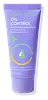
This oil-control moisturizer is formulated around Niacinamide and Zinc PCA to balance excess oil and refine the look of pores.
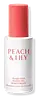
This calming moisturizer is formulated around Sodium Hyaluronate and Beta-Glucan to calm redness and hydrate skin.

What's inside
What's inside
 Key Ingredients
Benefits
Concerns
Ingredients Side-by-side
Water
Skin ConditioningCetyl Ethylhexanoate
EmollientCetearyl Alcohol
Emollient






1,2-Hexanediol
Skin Conditioning
Niacinamide
Smoothing











Glycerin
Humectant
Sea Water
HumectantPropolis Extract
Skin Conditioning
Zinc PCA
Humectant
Sodium Hyaluronate
Humectant
Hydrolyzed Hyaluronic Acid
Humectant
Hyaluronic Acid
Humectant
Sodium Acetylated Hyaluronate
Humectant
Bambusa Vulgaris Extract
Skin Conditioning
Hydroxyethylcellulose
Emulsion StabilisingCamellia Sinensis Leaf Extract
Antimicrobial
Pinus Densiflora Bark Extract
Skin ConditioningPinus Palustris Leaf Extract
TonicGlyceryl Stearate
Emollient
Lactobacillus Ferment
Skin Conditioning
Aloe Barbadensis Leaf Extract
Emollient
Glucose
Humectant
Fragaria Ananassa Fruit Extract
Skin Conditioning
Ulmus Davidiana Root Extract
Skin Conditioning
Pueraria Lobata Root Extract
HumectantPolylysine
Gellan Gum
Ceramide NP
Skin Conditioning
Phytosphingosine
Skin Conditioning
Cholesterol
Emollient
Chamomilla Recutita Flower Extract
Masking
Cynanchum Atratum Extract
Skin ConditioningCetearyl Glucoside
Emulsifying
Butylene Glycol
Humectant
Hydroxypropyltrimonium Hyaluronate
Potassium Hyaluronate
Skin ConditioningRosmarinus Officinalis Leaf Extract
AntimicrobialFomes Officinalis Extract
Skin ProtectingOenothera Biennis Flower Extract
AstringentHydrogenated Lecithin
Emulsifying
Sodium Hyaluronate Crosspolymer
Humectant
Stearic Acid
Cleansing
Persea Gratissima Oil
Skin Conditioning
Adansonia Digitata Seed Oil
Emollient
Macadamia Integrifolia Seed Oil
Skin Conditioning
Elaeis Guineensis Oil
Emollient
Melaleuca Alternifolia Leaf Extract
Perfuming
Caprylyl Glycol
Emollient
Water, Cetyl Ethylhexanoate, Cetearyl Alcohol, 1,2-Hexanediol, Niacinamide, Glycerin, Sea Water, Propolis Extract, Zinc PCA, Sodium Hyaluronate, Hydrolyzed Hyaluronic Acid, Hyaluronic Acid, Sodium Acetylated Hyaluronate, Bambusa Vulgaris Extract, Hydroxyethylcellulose, Camellia Sinensis Leaf Extract, Pinus Densiflora Bark Extract, Pinus Palustris Leaf Extract, Glyceryl Stearate, Lactobacillus Ferment, Aloe Barbadensis Leaf Extract, Glucose, Fragaria Ananassa Fruit Extract, Ulmus Davidiana Root Extract, Pueraria Lobata Root Extract, Polylysine, Gellan Gum, Ceramide NP, Phytosphingosine, Cholesterol, Chamomilla Recutita Flower Extract, Cynanchum Atratum Extract, Cetearyl Glucoside, Butylene Glycol, Hydroxypropyltrimonium Hyaluronate, Potassium Hyaluronate, Rosmarinus Officinalis Leaf Extract, Fomes Officinalis Extract, Oenothera Biennis Flower Extract, Hydrogenated Lecithin, Sodium Hyaluronate Crosspolymer, Stearic Acid, Persea Gratissima Oil, Adansonia Digitata Seed Oil, Macadamia Integrifolia Seed Oil, Elaeis Guineensis Oil, Melaleuca Alternifolia Leaf Extract, Caprylyl Glycol
Water
Skin ConditioningGlycerin
Humectant
Propanediol
Solvent
1,2-Hexanediol
Skin Conditioning
Calendula Officinalis Flower Water
Masking
Sodium Hyaluronate
Humectant
Hydrolyzed Hyaluronic Acid
Humectant
Actinidia Chinensis Fruit Extract
EmollientPrunus Persica Fruit Extract
Abrasive
Anthemis Nobilis Flower Water
Masking
Bambusa Textilis Stem Extract
Skin ConditioningArctium Lappa Root Extract
Skin Conditioning
Morus Alba Leaf Extract
Skin ConditioningMorus Alba Fruit Extract
Antioxidant
Leuconostoc/Radish Root Ferment Filtrate
Antimicrobial
Apium Graveolens Extract
Skin ConditioningLactobacillus Ferment
Skin Conditioning
Beta-Glucan
Skin Conditioning
Fructooligosaccharides
Humectant
Glycyrrhiza Glabra Root Extract
Bleaching
Sodium Acetylated Hyaluronate
Humectant
Myrciaria Dubia Fruit Extract
Skin ConditioningGanoderma Lucidum Extract
Skin Protecting
Butylene Glycol
Humectant
Melia Azadirachta Leaf Extract
Skin ConditioningMelia Azadirachta Flower Extract
Skin ConditioningAdenosine
Skin Conditioning
Trisodium Ethylenediamine Disuccinate
Carbomer
Emulsion StabilisingEthylhexylglycerin
Skin ConditioningMorus Alba Twig Extract
Skin ConditioningMorus Alba Bark Extract
Skin ConditioningTromethamine
BufferingXylose
HumectantTocopherol
Antioxidant
Water, Glycerin, Propanediol, 1,2-Hexanediol, Calendula Officinalis Flower Water, Sodium Hyaluronate, Hydrolyzed Hyaluronic Acid, Actinidia Chinensis Fruit Extract, Prunus Persica Fruit Extract, Anthemis Nobilis Flower Water, Bambusa Textilis Stem Extract, Arctium Lappa Root Extract, Morus Alba Leaf Extract, Morus Alba Fruit Extract, Leuconostoc/Radish Root Ferment Filtrate, Apium Graveolens Extract, Lactobacillus Ferment, Beta-Glucan, Fructooligosaccharides, Glycyrrhiza Glabra Root Extract, Sodium Acetylated Hyaluronate, Myrciaria Dubia Fruit Extract, Ganoderma Lucidum Extract, Butylene Glycol, Melia Azadirachta Leaf Extract, Melia Azadirachta Flower Extract, Adenosine, Trisodium Ethylenediamine Disuccinate, Carbomer, Ethylhexylglycerin, Morus Alba Twig Extract, Morus Alba Bark Extract, Tromethamine, Xylose, Tocopherol
Reviews
Ingredients Explained
These ingredients are found in both products.
Ingredients higher up in an ingredient list are typically present in a larger amount.
1,2-Hexanediol is a synthetic liquid and another multi-functional powerhouse.
It is a:
- Humectant, drawing moisture into the skin
- Emollient, helping to soften skin
- Solvent, dispersing and stabilizing formulas
- Preservative booster, enhancing the antimicrobial activity of other preservatives
Butylene Glycol (or BG) is used within cosmetic products for a few different reasons:
Overall, Butylene Glycol is a safe and well-rounded ingredient that works well with other ingredients.
Though this ingredient works well with most skin types, some people with sensitive skin may experience a reaction such as allergic rashes, closed comedones, or itchiness.
Learn more about Butylene GlycolGlycerin (or glycerol) is a compound naturally found in your skin. It's a powerhouse humectant that pulls water into the stratum corneum.
Topically, glycerin does several things at once:
Your skin makes glycerin on its own (mostly from sebaceous oil breakdown) and shuttles it to your outermost layer of skin, or your epidermis, via aquaporin-3.
Aquaporin-3 is a transporter that is essential for normal skin hydration, elasticity, and repair. Interestingly, mice lacking in AQP3 have dry and less elastic skin that can be fully corrected with glycerin.
This ingredient is non-irritating, plays well with almost every ingredient, and works across all skin types. Typical use is anywhere between 3-10% but can go up to 79% in some leave-on products.
Just know very high concentrations (>40%) can feel tacky in low humidity.
Glycerin is the name for this ingredient in American English. British English uses Glycerol/Glycerine.
Learn more about GlycerinHydrolyzed Hyaluronic Acid is hyaluronic acid (HA) that is broken down into lower molecular weight fragments.
It's a humectant that pulls and holds water in the skin to help with hydration, plumpness, and reduce transepidermal water loss.
Because hydrolyzed hyaluronic acid is smaller in size, it can slip past your outermost layer of skin more easily than full-sized HA.
Most formulations will combine all sizes to get the best of both worlds.
Typical usage levels range from 0.01-1%. Any percentage higher than 2% might become goopy and tacky.
Learn more about Hydrolyzed Hyaluronic AcidThis ingredient is made when the Lactobacillus bacteria (the same kind that makes yogurt and kimchi) are allowed to ferment a nutrient medium.
As it ferments, it collects lactic acid, peptides, enzymes, and other bioactive metabolites to provide:
A 2023 review noted that probiotic fermentation ingredients like this one can enhance antioxidant capacity, reduce UV-induced oxidative damage, and support barrier function.
One clinical study from the same year showed a Lactobacillus ferment lysate significantly reduced transepidermal water loss and improved skin hydration.
Another review highlighted that topical Lactobacillus-based preparations can improve ceramide levels in the stratum corneum, support barrier integrity, and even help reduce S. aureus colonization in atopic dermatitis.
Why is this so cool?
Basically, your skin's outer layer works as a brick wall; skin cells are bricks and ceramides are the mortar holding it together. Moisture escapes, irritants get in, and your skin gets dry and reactive when ceramide levels drop. On top of that, "bad" skin bacteria S. aureus loves to move in when your barrier is weak to make inflammation and irritation worse.
So Lactobacillus ferment is basically patching the wall and evicting the troublemaker when it boosts ceramide production and help keep S. aureus in check.
On top of all this, it also acts as a mild antimicrobial preservative booster.
Just so you know, most studies focus on specific strains or the lysate form rather than this generic "Lactobacillus Ferment", so results can vary.
Though it's a promising ingredient, it doesn't have decades of robust clinical data behind it just yet.
Lactobacillus Ferment is generally considered safe for fungal-acne prone skin. The key thing to understand is that it comes from bacteria, not yeast or fungus.
Yeast-derived ferments (like galactomyces) have been shown to activate a protein that's linked to Malassezia-related skin issues whereas lactobacillus doesn't have that problem.
Its byproducts also don't contain the types of fatty acids (C11-24 chain lengths) that Malassezia feeds on.
Learn more about Lactobacillus FermentSodium Acetylated Hyaluronate is a type of Hyaluronic Acid.
Hyaluronic Acids help moisturize, soothe, and protect the skin.
Read about common types of Hyaluronic Acid here:
Learn more about Sodium Acetylated HyaluronateSodium Hyaluronate is the salt form of hyaluronic acid. It is a long sugar chain that is naturally found in your skin, joints, and connective tissue that maintains hydration and elasticity.
In skincare, it works as a humectant. It pulls water from the environment and deeper layers of skin and binds it to the surface.
Interestingly, the size of the molecule affects its behavior:
Some clinical evidence links low molecular weight versions to improved wrinkle depth, elasticity, anti-inflammatory effects, and barrier repair.
Many serums use a blend of both weights so you can get surface hydration plus longer-lasting and deeper effects.
You'll typically see concentrations between 0.1-2% for this ingredient.
Learn more about Sodium HyaluronateWater. It's the most common cosmetic ingredient of all. You'll usually see it at the top of ingredient lists, meaning that it makes up the largest part of the product.
So why is it so popular? Water most often acts as a solvent - this means that it helps dissolve other ingredients into the formulation.
You'll also recognize water as that liquid we all need to stay alive. If you see this, drink a glass of water. Remember to stay hydrated!
Learn more about Water

