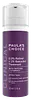
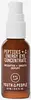
Paula's Choice Clinical 0.3% Retinol + 2% Bakuchiol Treatment Versus Youth To The People Peptides + C Energy Eye Concentrate
This anti-aging treatment is formulated around Bakuchiol and Tetrahexyldecyl Ascorbate to soften the look of wrinkles and refine skin texture.
This anti-aging eye moisturizer is formulated around Ascorbyl Glucoside and Palmitoyl Tetrapeptide-7 to soften the look of wrinkles and brighten dull-looking skin.

What's inside
What's inside
 Key Ingredients
Benefits
Concerns
Ingredients Side-by-side
Water
Skin ConditioningDimethicone
Emollient

Pentaerythrityl Tetraisostearate
Emollient

Isononyl Isononanoate
EmollientButylene Glycol
Humectant

Bakuchiol
Antimicrobial








Arachidyl Alcohol
Emollient
Glyceryl Polymethacrylate
Dimethicone Crosspolymer
Emulsion Stabilising
Behenyl Alcohol
Emollient
Glycerin
Humectant
PEG-75 Shea Butter Glycerides
Emulsifying
Glyceryl Stearate
Emollient
C12-15 Alkyl Benzoate
AntimicrobialPolysorbate 20
Emulsifying
Tetrahexyldecyl Ascorbate
Antioxidant

Retinol
Skin Conditioning


Ceramide Ng
Skin Conditioning
Palmitoyl Tetrapeptide-7
Skin Conditioning
Palmitoyl Hexapeptide-12
Skin Conditioning
Sodium Hyaluronate
Humectant
Dipotassium Glycyrrhizate
Humectant
Glycyrrhiza Glabra Root Extract
Bleaching
Avena Sativa Kernel Extract
Abrasive
Arctium Lappa Root Extract
Skin Conditioning
Salix Alba Bark Extract
Astringent
Glycine Soja Sterols
Emollient
Lecithin
Emollient
Allantoin
Skin Conditioning
Tocopheryl Acetate
Antioxidant
Hydrolyzed Soy Protein
Humectant
Palmitoyl Tripeptide-1
Skin Conditioning
Sodium Hydroxide
BufferingTribehenin
Emollient
Caprylyl Glycol
Emollient
Dipeptide-2
Skin Conditioning
Polygonum Cuspidatum Root Extract
Antioxidant
PEG-10 Phytosterol
EmulsifyingPEG-8
HumectantMagnesium Aluminum Silicate
Absorbent
Arachidyl Glucoside
EmulsifyingChrysin
Skin ConditioningPentylene Glycol
Skin Conditioning
Sodium Acrylates Copolymer
Steareth-20
CleansingHydroxyethyl Acrylate/Sodium Acryloyldimethyl Taurate Copolymer
Emulsion StabilisingCetearyl Alcohol
Emollient



Coco-Glucoside
Cleansing
Hesperidin Methyl Chalcone
Antioxidant
N-Hydroxysuccinimide
Skin ConditioningDisodium EDTA
ChelatingPhenoxyethanol
Preservative
Benzoic Acid
Masking
Ethylhexylglycerin
Skin ConditioningWater, Dimethicone, Pentaerythrityl Tetraisostearate, Isononyl Isononanoate, Butylene Glycol, Bakuchiol, Arachidyl Alcohol, Glyceryl Polymethacrylate, Dimethicone Crosspolymer, Behenyl Alcohol, Glycerin, PEG-75 Shea Butter Glycerides, Glyceryl Stearate, C12-15 Alkyl Benzoate, Polysorbate 20, Tetrahexyldecyl Ascorbate, Retinol, Ceramide Ng, Palmitoyl Tetrapeptide-7, Palmitoyl Hexapeptide-12, Sodium Hyaluronate, Dipotassium Glycyrrhizate, Glycyrrhiza Glabra Root Extract, Avena Sativa Kernel Extract, Arctium Lappa Root Extract, Salix Alba Bark Extract, Glycine Soja Sterols, Lecithin, Allantoin, Tocopheryl Acetate, Hydrolyzed Soy Protein, Palmitoyl Tripeptide-1, Sodium Hydroxide, Tribehenin, Caprylyl Glycol, Dipeptide-2, Polygonum Cuspidatum Root Extract, PEG-10 Phytosterol, PEG-8, Magnesium Aluminum Silicate, Arachidyl Glucoside, Chrysin, Pentylene Glycol, Sodium Acrylates Copolymer, Steareth-20, Hydroxyethyl Acrylate/Sodium Acryloyldimethyl Taurate Copolymer, Cetearyl Alcohol, Coco-Glucoside, Hesperidin Methyl Chalcone, N-Hydroxysuccinimide, Disodium EDTA, Phenoxyethanol, Benzoic Acid, Ethylhexylglycerin
Water
Skin ConditioningCaprylic/Capric Triglyceride
Masking
Propanediol
Solvent
Glycerin
Humectant
Sodium Acrylates Copolymer
Citrus Junos Seed Oil
Emollient
Panthenol
Skin Conditioning
Ascorbyl Glucoside
Antioxidant
Hylocereus Undatus Fruit Extract
Skin ConditioningIlex Guayusa Leaf Extract
Skin ProtectingIlex Paraguariensis Leaf Extract
Perfuming
Jania Rubens Extract
Skin Conditioning
Lactobacillus Ferment
Skin Conditioning
Maltodextrin
Absorbent
Malus Domestica Fruit Cell Culture Extract
Skin ConditioningMomordica Cochinchinensis Seed Extract
Skin ConditioningPunica Granatum Seed Extract
Skin ConditioningSodium Carrageenan
Emulsion StabilisingAdenosine
Skin Conditioning
Biotin
AntiseborrhoeicCaffeine
Skin Conditioning
Caprylyl Glycol
Emollient
Chrysin
Skin ConditioningDipeptide-2
Skin Conditioning
Hesperidin Methyl Chalcone
Antioxidant
Hydroxyacetophenone
Antioxidant
N-Hydroxysuccinimide
Skin ConditioningPalmitoyl Tetrapeptide-7
Skin Conditioning
Palmitoyl Tripeptide-1
Skin Conditioning
Sodium Hyaluronate
Humectant
Sodium Hydroxide
Buffering1,2-Hexanediol
Skin Conditioning
Niacinamide
Smoothing
Tocopherol
Antioxidant
Alcohol
Antimicrobial

Cellulose
Absorbent
CI 77891
Cosmetic ColorantCitric Acid
Buffering
Ethylhexylglycerin
Skin ConditioningHydroxyethylcellulose
Emulsion StabilisingLecithin
Emollient
Sodium Acetate
BufferingSodium Citrate
BufferingSteareth-20
CleansingSynthetic Fluorphlogopite
Tin Oxide
Abrasive
Xanthan Gum
EmulsifyingChlorhexidine Digluconate
Antimicrobial
Phenoxyethanol
Preservative
Potassium Sorbate
Preservative
Sodium Benzoate
Masking
Water, Caprylic/Capric Triglyceride, Propanediol, Glycerin, Sodium Acrylates Copolymer, Citrus Junos Seed Oil, Panthenol, Ascorbyl Glucoside, Hylocereus Undatus Fruit Extract, Ilex Guayusa Leaf Extract, Ilex Paraguariensis Leaf Extract, Jania Rubens Extract, Lactobacillus Ferment, Maltodextrin, Malus Domestica Fruit Cell Culture Extract, Momordica Cochinchinensis Seed Extract, Punica Granatum Seed Extract, Sodium Carrageenan, Adenosine, Biotin, Caffeine, Caprylyl Glycol, Chrysin, Dipeptide-2, Hesperidin Methyl Chalcone, Hydroxyacetophenone, N-Hydroxysuccinimide, Palmitoyl Tetrapeptide-7, Palmitoyl Tripeptide-1, Sodium Hyaluronate, Sodium Hydroxide, 1,2-Hexanediol, Niacinamide, Tocopherol, Alcohol, Cellulose, CI 77891, Citric Acid, Ethylhexylglycerin, Hydroxyethylcellulose, Lecithin, Sodium Acetate, Sodium Citrate, Steareth-20, Synthetic Fluorphlogopite, Tin Oxide, Xanthan Gum, Chlorhexidine Digluconate, Phenoxyethanol, Potassium Sorbate, Sodium Benzoate
Reviews
Ingredients Explained
These ingredients are found in both products.
Ingredients higher up in an ingredient list are typically present in a larger amount.
Caprylyl Glycol is a humectant, skin conditioner, emollient, and preservative booster derived from either caprylic acid or synthetically created.
Typical use levels vary from 0.3-1% as a preservative booster and go up to 2% to condition skin.
Because it is not a free-fatty acid, this ingredient is fungal acne safe (there's nothing for Malassezia to feed on).
Learn more about Caprylyl GlycolWe don't have a description for Chrysin yet.
Dipeptide-2 is a peptide. It can help to reduce the effects of aging.
Ethylhexylglycerin is created from glycerin. It is a multitasker ingredient that:
The CIR Expert Panel found minimal skin absorption or sensitization of any kind in a safety assessment. Though this ingredient is considered well-tolerated, a small number of cases of allergic dermatitis have been published since 2002. Just be sure to patch test if you are unsure.
Industry-reported use ranges from 8% in rinse-off products and 2% in leave-on formulations.
Learn more about EthylhexylglycerinGlycerin (or glycerol) is a compound naturally found in your skin. It's a powerhouse humectant that pulls water into the stratum corneum.
Topically, glycerin does several things at once:
Your skin makes glycerin on its own (mostly from sebaceous oil breakdown) and shuttles it to your outermost layer of skin, or your epidermis, via aquaporin-3.
Aquaporin-3 is a transporter that is essential for normal skin hydration, elasticity, and repair. Interestingly, mice lacking in AQP3 have dry and less elastic skin that can be fully corrected with glycerin.
This ingredient is non-irritating, plays well with almost every ingredient, and works across all skin types. Typical use is anywhere between 3-10% but can go up to 79% in some leave-on products.
Just know very high concentrations (>40%) can feel tacky in low humidity.
Glycerin is the name for this ingredient in American English. British English uses Glycerol/Glycerine.
Learn more about GlycerinHesperidin Methyl Chalcone (HMC) is a modified form of hesperidin, a citrus flavonoid. It has antioxidant properties.
In preclinical research, HMC has been studied for its ability to reduce oxidative stress and inflammation related to UVB exposure. Outside of cosmetics, HMC has been looked at for its effects on capillary leakage and swelling. This is why you'll often see this ingredient in eye creams.
Overall, HMC is a gentle and supportive ingredient. Further research is needed on the claims that this ingredient can "erase dark circles".
Learn more about Hesperidin Methyl ChalconeLecithin is a term for a group of substances found in the cell membranes of plants, animals, and humans. They are made up of phospholipids.
Thanks to its amphiphilic structure (water-loving head and oil-loving tail), it is a true multitasker:
It plays well with most ingredients and is typically used at 0.1-1%. However, concentrations up to 50% have been reported in moisturizers.
Learn more about LecithinWe don't have a description for N-Hydroxysuccinimide yet.
Palmitoyl Tetrapeptide-7 (formerly Palmitoyl Tetrapeptide-3) is a synthetic peptide. Its main job is to fight what researchers call "inflammaging".
"Inflammaging" is the slow, low-grade chronic inflammation that quietly breaks down collagen as we age.
This ingredient calms down a specific inflammation signal in your skin cells (called IL-6). When left unchecked, this signal triggers enzymes that break down collagen and elastin.
Clinical testing showed statistically significant improvements in:
Studies also found the more of this ingredient used, the more your skin produces Collagen I, fibronectin, and hyaluronic acid.
You'll likely see this ingredient paired with Palmitoyl Tripeptide-1 in the well-known Matrixyl 3000 complex for enhanced anti-aging effects.
A 3% concentration applied twice daily for two months showed meaningful skin rejuvenation results in clinical panels.
Fungal acne note:
Usually a palmitic acid component can feed Malassezia in unbound form, but here is is covalently bonded to the peptide. This means it is very difficult for Malassezia to access, and therefore very unlikely to cause fungal acne.
Palmitoyl Tripeptide-1 (aka Pal-GHK) is a synthetic signal peptide made of three amino acids attached to palmitic acid.
That fatty acid attachment is the key: it boosts the peptide's ability to penetrate the skin barrier. This puts it closer to the dermal cells where it can actually make a difference.
Once there, it acts as a matrikine, a signaling peptide that prompts fibroblasts to produce more collagen, fibronectin, and hyaluronic acid.
In vitro studies show it can boost collagen production in skin cells even when UV-damaged skin samples were treated with it at a tiny concentration (it almost fully restored dermal collagen at 5ppm). It achieved this at 100x lower concentration than retinoic acid, which needed 500 ppm to do the same thing.
Human clinical data is promising, but modest:
A study of 23 female volunteers found a small but statistically significant increase (~4%) in skin thickness after treatment at 4 ppm.
A separate small trial of 15 women showed statistically significant reductions in wrinkle length, depth, and skin roughness after applying it twice daily for four weeks.
You'll likely see Pal-GHK paired with Palmitoyl Tetrapeptide-7 as part of the Matrixyl 3000 complex.
Fungal acne note:
Usually a palmitic acid component can feed Malassezia in unbound form, but here is is covalently bonded to the peptide. This means it is very difficult for Malassezia to access, and therefore very unlikely to cause fungal acne.
Phenoxyethanol is one of the most widely used preservatives in skincare (and for good reason!).
It has a large spectrum of antimicrobial activity and especially effective bacteria, yeast, and mold while only having a weak effect on your skin's natural microbiome.
On a cellular level, it disrupts the cell membranes of microbes by poking holes that make the cell leak. This shuts down the chemical reactions the microbe needs to make energy so it can no longer survive.
Another perk of this ingredient is that it stays functional across a wide pH range (3-10).
You'll often see it paired with boosters like Ethylhexylglycerin; one study showed that a 1:9 ratio of Ethylhexylglycerin to Phenoxyethanol damages bacterial membranes as effectively as doubling the Phenoxyethanol concentration on its own.
Typical use concentrations range from 0.3-1% depending on the formula, and this ingredient is capped at 1% int the EU.
Safety-wise, the fear mongering does not hold up to the evidence. The EU's Scientific Committee on Consumer Safety and FDA consider it safe as a preservative at up to 1%, including for children of all ages.
Adverse systemic effects only showed up in animal studies at exposures roughly 200x higher than what people get from cosmetics. And despite its very widespread use, this ingredient is a rare sensitizer and allergic reactions are uncommon.
Learn more about PhenoxyethanolThis ingredient is a synthetic, salt form polymer built from acrylic acid, ethacrylic acid, or their simple esters. It works as a binder, film former, and viscosity increasing agent.
Typical concentrations start at around 0.5% but can go up to 25% for film-forming or binding.
The CIR Expert Panel assessed the safety of 126 acrylates copolymers and concluded they are safe in cosmetics at current use levels when formulated to be non-irritating. They also noted the levels present in finished cosmetic products are not considered a safety risk and Genotoxicity testing (Ames tests, chromosomal aberration assays) has come back negative across the board.
Though the raw building blocks (like acrylic acid) can be irritating on their own, cosmetic-grade versions go through purification to keep levels extremely low.
Sodium Acrylates Copolymer is a large molecule that doesn't penetrate skin barrier in any meaningful way.
Learn more about Sodium Acrylates CopolymerSodium Hyaluronate is the salt form of hyaluronic acid. It is a long sugar chain that is naturally found in your skin, joints, and connective tissue that maintains hydration and elasticity.
In skincare, it works as a humectant. It pulls water from the environment and deeper layers of skin and binds it to the surface.
Interestingly, the size of the molecule affects its behavior:
Some clinical evidence links low molecular weight versions to improved wrinkle depth, elasticity, anti-inflammatory effects, and barrier repair.
Many serums use a blend of both weights so you can get surface hydration plus longer-lasting and deeper effects.
You'll typically see concentrations between 0.1-2% for this ingredient.
Learn more about Sodium HyaluronateSodium Hydroxide is also known as lye or caustic soda. It is used to adjust the pH of products; many ingredients require a specific pH to be effective.
In small amounts, sodium hydroxide is considered safe to use. However, large amounts may cause chemical burns due to its high alkaline.
Your skin has a natural pH and acid mantle. This acid mantle helps prevent harmful bacteria from breaking through. The acid mantle also helps keep your skin hydrated.
"Alkaline" refers to a high pH level. A low pH level would be considered acidic.
Learn more about Sodium HydroxideSteareth-20 is an emulsifier and solubilizer. It is created from stearyl alcohol with ~20 units of ethylene oxide to give it a strong preference for water.
As an emulsifier, it helps oil-in-water emulsions like lotions, creams, and cleansers stay stable. It also solubilizes small amounts of oil-loving ingredients (like fragrance) into water-based formulas.
You'll likely find this ingredient with steareth-2 (it's oil-loving sister) where the two work together to give products a cushiony feel.
Typical use levels sit at around 1-5% and this ingredient has been found to be non-irritating by the CIR Expert Panel.
Learn more about Steareth-20Water. It's the most common cosmetic ingredient of all. You'll usually see it at the top of ingredient lists, meaning that it makes up the largest part of the product.
So why is it so popular? Water most often acts as a solvent - this means that it helps dissolve other ingredients into the formulation.
You'll also recognize water as that liquid we all need to stay alive. If you see this, drink a glass of water. Remember to stay hydrated!
Learn more about Water

