Paula's Choice CellularYouth Longevity Serum Versus Sachi Skin Future Veil Firm & Repair Peptide Cream
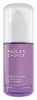
This hydrating serum is formulated around Simmondsia Chinensis Seed Oil and Bacillus Ferment to hydrate skin and strengthen the skin barrier.
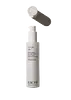
This anti-aging moisturizer is formulated around Ceramide EOP and Tripeptide-29 to soften the look of wrinkles and strengthen the skin barrier.


What's inside
What's inside
 Key Ingredients
Benefits
Concerns
Ingredients Side-by-side
Water
Skin ConditioningPropanediol
Solvent

Glycerin
Humectant
Triheptanoin
Skin ConditioningMethyl Gluceth-20
Humectant
Simmondsia Chinensis Seed Oil
Emollient


Tridecyl Trimellitate
EmollientMaltodextrin
Absorbent
1,2-Hexanediol
Skin Conditioning
Dimethicone
Emollient
Taurine
BufferingBacillus Ferment
Skin Conditioning
Ganoderma Lucidum Stem Extract
Skin ConditioningHelianthus Annuus Sprout Extract
Skin ConditioningLycium Barbarum Fruit Extract
Astringent
Acetyl Tetrapeptide-2
Skin Conditioning
Isomalt
HumectantCoco-Caprylate/Caprate
Emollient
Hydroxyacetophenone
Antioxidant
Hydroxyethyl Acrylate/Sodium Acryloyldimethyl Taurate Copolymer
Emulsion StabilisingC9-12 Alkane
SolventDilinoleic Acid/Butanediol Copolymer
Glyceryl Behenate
Emollient
Polyglyceryl-6 Octastearate
EmulsifyingSodium Phytate
Acrylates/C10-30 Alkyl Acrylate Crosspolymer
Emulsion StabilisingPotassium Chloride
Acacia Senegal Gum
MaskingXanthan Gum
EmulsifyingPolysorbate 60
Emulsifying
Sorbitan Isostearate
Emulsifying
Synthetic Fluorphlogopite
Caprylyl Glycol
Emollient
Citric Acid
Buffering

Castor Oil/Ipdi Copolymer
Lecithin
Emollient
Cyanocobalamin
Skin ConditioningTin Oxide
Abrasive
CI 77491
Cosmetic ColorantCI 77891
Cosmetic ColorantWater, Propanediol, Glycerin, Triheptanoin, Methyl Gluceth-20, Simmondsia Chinensis Seed Oil, Tridecyl Trimellitate, Maltodextrin, 1,2-Hexanediol, Dimethicone, Taurine, Bacillus Ferment, Ganoderma Lucidum Stem Extract, Helianthus Annuus Sprout Extract, Lycium Barbarum Fruit Extract, Acetyl Tetrapeptide-2, Isomalt, Coco-Caprylate/Caprate, Hydroxyacetophenone, Hydroxyethyl Acrylate/Sodium Acryloyldimethyl Taurate Copolymer, C9-12 Alkane, Dilinoleic Acid/Butanediol Copolymer, Glyceryl Behenate, Polyglyceryl-6 Octastearate, Sodium Phytate, Acrylates/C10-30 Alkyl Acrylate Crosspolymer, Potassium Chloride, Acacia Senegal Gum, Xanthan Gum, Polysorbate 60, Sorbitan Isostearate, Synthetic Fluorphlogopite, Caprylyl Glycol, Citric Acid, Castor Oil/Ipdi Copolymer, Lecithin, Cyanocobalamin, Tin Oxide, CI 77491, CI 77891
Water
Skin ConditioningGlycerin
Humectant
Squalane
Emollient
Isononyl Isononanoate
EmollientPropanediol
Solvent
1,2-Hexanediol
Skin Conditioning
Pentylene Glycol
Skin Conditioning
Arachidyl Alcohol
Emollient
Behenyl Alcohol
Emollient
Boron Nitride
Absorbent
C10-18 Triglycerides
Emollient
Mangifera Indica Seed Butter
Skin Conditioning
Punica Granatum Sterols
Skin Conditioning
Ceramide EOP
Skin Conditioning


Oligopeptide-1
Skin Conditioning

Tripeptide-29
Skin Conditioning
Bisabolol
Antioxidant
Sodium PCA
Humectant
Sodium Lactate
Buffering
Ceramide AP
Skin Conditioning
Ceramide NP
Skin Conditioning
Tephrosia Purpurea Seed Extract
Skin ConditioningGlycyrrhiza Glabra Root Extract
Bleaching
Arginine
Masking
Leuconostoc/Radish Root Ferment Filtrate
Antimicrobial
Punica Granatum Fruit Extract
Antioxidant
Boswellia Serrata Gum
Masking
Saccharomyces/Copper Ferment
Skin Conditioning
Saccharomyces/Iron Ferment
Skin Conditioning
Saccharomyces/Magnesium Ferment
Saccharomyces/Silicon Ferment
Skin Conditioning
Saccharomyces/Zinc Ferment
Skin Conditioning
PCA
Humectant
Citric Acid
Buffering
Lactobacillus Ferment
Skin Conditioning
Glycine
Buffering
Alanine
Masking
Micrococcus Lysate
Skin ConditioningHydrolyzed Gardenia Florida Extract
Antioxidant
Serine
Masking
Valine
MaskingCholesterol
Emollient
Sodium Benzoate
Masking
Isoleucine
Skin ConditioningProline
Skin Conditioning
Threonine
Potassium Sorbate
Preservative
Zingiber Officinale Root Extract
Masking
Histidine
Humectant
Phenylalanine
Masking
Behenic Acid
Cleansing
Cetearyl Alcohol
Emollient


Arachidyl Glucoside
EmulsifyingPolyacrylate Crosspolymer-6
Emulsion StabilisingGlyceryl Stearate Citrate
Emollient
Hydroxyacetophenone
Antioxidant
Hydroxyethyl Acrylate/Sodium Acryloyldimethyl Taurate Copolymer
Emulsion StabilisingIsostearyl Alcohol
Emollient
Glyceryl Polyacrylate
Butylene Glycol
Humectant
Aspartic Acid
Masking
Maltodextrin
Absorbent
Polyglyceryl-10 Stearate
Skin Conditioning
Triethyl Citrate
Masking
Polyglyceryl-6 Behenate
Emulsion Stabilising
Glyceryl Stearate
Emollient
Phytosphingosine
Skin Conditioning
Sodium Levulinate
Skin ConditioningSodium Cetearyl Sulfate
Cleansing
Water, Glycerin, Squalane, Isononyl Isononanoate, Propanediol, 1,2-Hexanediol, Pentylene Glycol, Arachidyl Alcohol, Behenyl Alcohol, Boron Nitride, C10-18 Triglycerides, Mangifera Indica Seed Butter, Punica Granatum Sterols, Ceramide EOP, Oligopeptide-1, Tripeptide-29, Bisabolol, Sodium PCA, Sodium Lactate, Ceramide AP, Ceramide NP, Tephrosia Purpurea Seed Extract, Glycyrrhiza Glabra Root Extract, Arginine, Leuconostoc/Radish Root Ferment Filtrate, Punica Granatum Fruit Extract, Boswellia Serrata Gum, Saccharomyces/Copper Ferment, Saccharomyces/Iron Ferment, Saccharomyces/Magnesium Ferment, Saccharomyces/Silicon Ferment, Saccharomyces/Zinc Ferment, PCA, Citric Acid, Lactobacillus Ferment, Glycine, Alanine, Micrococcus Lysate, Hydrolyzed Gardenia Florida Extract, Serine, Valine, Cholesterol, Sodium Benzoate, Isoleucine, Proline, Threonine, Potassium Sorbate, Zingiber Officinale Root Extract, Histidine, Phenylalanine, Behenic Acid, Cetearyl Alcohol, Arachidyl Glucoside, Polyacrylate Crosspolymer-6, Glyceryl Stearate Citrate, Hydroxyacetophenone, Hydroxyethyl Acrylate/Sodium Acryloyldimethyl Taurate Copolymer, Isostearyl Alcohol, Glyceryl Polyacrylate, Butylene Glycol, Aspartic Acid, Maltodextrin, Polyglyceryl-10 Stearate, Triethyl Citrate, Polyglyceryl-6 Behenate, Glyceryl Stearate, Phytosphingosine, Sodium Levulinate, Sodium Cetearyl Sulfate
Ingredients Explained
These ingredients are found in both products.
Ingredients higher up in an ingredient list are typically present in a larger amount.
1,2-Hexanediol is a synthetic liquid and another multi-functional powerhouse.
It is a:
- Humectant, drawing moisture into the skin
- Emollient, helping to soften skin
- Solvent, dispersing and stabilizing formulas
- Preservative booster, enhancing the antimicrobial activity of other preservatives
Citric Acid is an alpha hydroxy acid (AHA) naturally found in citrus fruits like oranges, lemons, and limes.
Like other AHAs, citric acid can exfoliate skin by breaking down the bonds that hold dead skin cells together. This helps reveal smoother and brighter skin underneath.
However, this exfoliating effect only happens at high concentrations (20%) which can be hard to find in cosmetic products.
Due to this, citric acid is usually included in small amounts as a pH adjuster. This helps keep products slightly more acidic and compatible with skin's natural pH.
In skincare formulas, citric acid can:
While it can provide some skin benefits, research shows lactic acid and glycolic acid are generally more effective and less irritating exfoliants.
Most citric acid used in skincare today is made by fermenting sugars (usually from molasses). This synthetic version is identical to the natural citrus form but easier to stabilize and use in formulations.
Rosacea skin has a lower threshold for acids generally, with 62.5% of rosacea subjects in one study reacting to lactic acid in a sting test. This is why we mark citric acid as a potential rosacea trigger.
However, this ingredient shows up as a pH adjuster or chelator at roughly 0.1-1% in many products. These low levels are unlikely to be an issue for rosacea skin and becomes a potential trigger at exfoliating concentrations (20%). Because everybody's skin is unique, we recommend a patch test if you are unsure.
Learn more about Citric AcidGlycerin (or glycerol) is a compound naturally found in your skin. It's a powerhouse humectant that pulls water into the stratum corneum.
Topically, glycerin does several things at once:
Your skin makes glycerin on its own (mostly from sebaceous oil breakdown) and shuttles it to your outermost layer of skin, or your epidermis, via aquaporin-3.
Aquaporin-3 is a transporter that is essential for normal skin hydration, elasticity, and repair. Interestingly, mice lacking in AQP3 have dry and less elastic skin that can be fully corrected with glycerin.
This ingredient is non-irritating, plays well with almost every ingredient, and works across all skin types. Typical use is anywhere between 3-10% but can go up to 79% in some leave-on products.
Just know very high concentrations (>40%) can feel tacky in low humidity.
Glycerin is the name for this ingredient in American English. British English uses Glycerol/Glycerine.
Learn more about GlycerinHydroxyacetophenone is a small phenolic molecule that earns its place in a formulas as an antioxidant and preservative booster.
As a phenol, it is able to neutralize free radicals to protect both the product and the skin from oxidative stress.
Though it can't kill microbes on its own, it works as a good supporting agent when combined with other preservatives like Phenoxyethanol or 1,2-Hexanediol.
This ingredient naturally occurs as piceol in Norwegian spruce needles (~0.4-1.1% dry weight and in cloudberries). Though the cosmetic-grade material is synthesized for purity and consistency.
You'll usually see it used at low levels and suppliers recommend up to 1% added to a water phase.
Safety testing was done at concentrations like 0.05% in SPF products and 0.5% in a Human Repeated Insult Patch Test. The safety evidence is assuring; this ingredient is safe for cosmetics in current use and also holds safety status as a food flavoring as well.
An honest caveat: the "soothing" and "anti-inflammatory" claims come mostly from supplier marketing rather than published clinical trials. The Cosmetic Ingredient Review's own literature search found no useful efficacy studies on this ingredient.
So the antioxidant and preservative-boosting roles are the well supported ones while the calming benefit is plausible but thinly evidenced.
Overall, this is a well-tolerated, low-irritation multitasker that quietly helps a formula stay fresh and stable.
Learn more about HydroxyacetophenoneThis is a synthetic polymer. It helps improve the texture of products by adding thickness and gel-like feel.
It is also an emulsifer, meaning it prevents ingredients such as oil and water from separating. It also helps evenly disperse other ingredients.
Maltodextrin is a plant-derived carbohydrate made by breaking down starch (usually from corn, potato, or rice). In cosmetic formulas, it's a multitasking absorbent, emulsion stabilizer, and skin conditioner.
This ingredient is mostly used to stabilize emulsions and improve the powdery, non-greasy feel of products (like dry shampoos).
Safety-wise, this ingredient is pretty solid; it's even recognized as a food additive. Both animal and clinical studies found no adverse effects at the levels used in cosmetics.
Industry data shows this ingredient is used up to 45.7% in spray products and up to 33% in powder products.
Learn more about MaltodextrinPropanediol is an all-star ingredient. It softens, hydrates, and smooths the skin.
It’s often used to:
Propanediol is not likely to cause sensitivity and considered safe to use. It is derived from corn or petroleum with a clear color and no scent.
Learn more about PropanediolWater. It's the most common cosmetic ingredient of all. You'll usually see it at the top of ingredient lists, meaning that it makes up the largest part of the product.
So why is it so popular? Water most often acts as a solvent - this means that it helps dissolve other ingredients into the formulation.
You'll also recognize water as that liquid we all need to stay alive. If you see this, drink a glass of water. Remember to stay hydrated!
Learn more about Water

