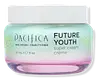
This anti-aging night moisturizer is formulated around Palmitoyl Tripeptide-5 and Acetyl Hexapeptide-8 to soften the look of wrinkles.
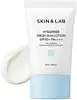
This chemical sunscreen covers the full UV range and blocks ~98% of UVB at SPF 50.


What's inside
What's inside
 Key Ingredients
Benefits
Concerns
Ingredients Side-by-side
Water
Skin ConditioningHelianthus Annuus Seed Oil
Emollient



Glycerin
Humectant

Aloe Barbadensis Leaf Juice
Skin Conditioning

Ethylhexyl Palmitate
Emollient


Glyceryl Stearate
Emollient
Stearic Acid
Cleansing
Glyceryl Laurate
Emollient
Sh-Polypeptide-50
Skin Conditioning
Caesalpinia Spinosa Gum
Skin ConditioningCaprylic/Capric Triglyceride
Masking
Allantoin
Skin Conditioning
Prunus Amygdalus Dulcis Oil
Skin Conditioning
Simmondsia Chinensis Seed Oil
Emollient
Leuconostoc/Radish Root Ferment Filtrate
Antimicrobial
Camellia Japonica Seed Oil
Emollient
Fragaria Ananassa Seed Oil
Antioxidant
Palmitoyl Tripeptide-5
Skin Conditioning

Panthenol
Skin Conditioning
Saccharomyces/Xylinum/Black Tea Ferment
Skin Conditioning
Oryza Sativa Extract
Absorbent
Phaseolus Angularis Seed Extract
Antioxidant
Citric Acid
Buffering

Potassium Sorbate
Preservative
Acetic Acid
BufferingLevulinic Acid
Perfuming

Malpighia Glabra Fruit Extract
Skin ConditioningPaeonia Albiflora Root Extract
Skin ConditioningPassiflora Incarnata Flower Extract
Skin ConditioningSodium Levulinate
Skin ConditioningVanilla Planifolia Fruit Extract
Skin Conditioning
Leontopodium Alpinum Flower/Leaf Extract
Skin ConditioningAcetyl Hexapeptide-8
Humectant
Dextran
Caprooyl Tetrapeptide-3
Skin Protecting
Melia Azadirachta Leaf Extract
Skin ConditioningCurcuma Longa Root Extract
Antioxidant
Aloe Barbadensis Flower Extract
EmollientCoccinia Indica Fruit Extract
Skin Conditioning
Corallina Officinalis Extract
Skin Conditioning
Melia Azadirachta Flower Extract
Skin ConditioningOcimum Basilicum Flower/Leaf Extract
TonicOcimum Sanctum Leaf Extract
Skin ConditioningSolanum Melongena Fruit Extract
Skin ConditioningEctoin
Skin Conditioning
Phenoxyethanol
Preservative
Ethylhexylglycerin
Skin ConditioningTocopherol
Antioxidant
Myristyl Nicotinate
Skin ConditioningLimonene
Perfuming

Linalool
Perfuming
Parfum
Masking
Water, Helianthus Annuus Seed Oil, Glycerin, Aloe Barbadensis Leaf Juice, Ethylhexyl Palmitate, Glyceryl Stearate, Stearic Acid, Glyceryl Laurate, Sh-Polypeptide-50, Caesalpinia Spinosa Gum, Caprylic/Capric Triglyceride, Allantoin, Prunus Amygdalus Dulcis Oil, Simmondsia Chinensis Seed Oil, Leuconostoc/Radish Root Ferment Filtrate, Camellia Japonica Seed Oil, Fragaria Ananassa Seed Oil, Palmitoyl Tripeptide-5, Panthenol, Saccharomyces/Xylinum/Black Tea Ferment, Oryza Sativa Extract, Phaseolus Angularis Seed Extract, Citric Acid, Potassium Sorbate, Acetic Acid, Levulinic Acid, Malpighia Glabra Fruit Extract, Paeonia Albiflora Root Extract, Passiflora Incarnata Flower Extract, Sodium Levulinate, Vanilla Planifolia Fruit Extract, Leontopodium Alpinum Flower/Leaf Extract, Acetyl Hexapeptide-8, Dextran, Caprooyl Tetrapeptide-3, Melia Azadirachta Leaf Extract, Curcuma Longa Root Extract, Aloe Barbadensis Flower Extract, Coccinia Indica Fruit Extract, Corallina Officinalis Extract, Melia Azadirachta Flower Extract, Ocimum Basilicum Flower/Leaf Extract, Ocimum Sanctum Leaf Extract, Solanum Melongena Fruit Extract, Ectoin, Phenoxyethanol, Ethylhexylglycerin, Tocopherol, Myristyl Nicotinate, Limonene, Linalool, Parfum
Water
Skin ConditioningDibutyl Adipate
EmollientPropanediol
Solvent
Alcohol Denat.
Antimicrobial

Ethylhexyl Triazone
UV Absorber
Terephthalylidene Dicamphor Sulfonic Acid
UV Absorber
Glycerin
Humectant
Niacinamide
Smoothing



Polyglyceryl-3 Distearate
Emulsifying
Tromethamine
Buffering1,2-Hexanediol
Skin Conditioning
Pentylene Glycol
Skin Conditioning
Cetearyl Alcohol
Emollient
Polysilicone-15
UV Filter
Caprylyl Methicone
Skin Conditioning
Diethylamino Hydroxybenzoyl Hexyl Benzoate
UV Filter
Caprylic/Capric/Succinic Triglyceride
EmollientPalmitic Acid
Emollient
Glyceryl Stearate
Emollient
Polymethylsilsesquioxane
Potassium Cetyl Phosphate
EmulsifyingBis-Ethylhexyloxyphenol Methoxyphenyl Triazine
UV Absorber
Stearic Acid
Cleansing
Methylpropanediol
SolventAmmonium Acryloyldimethyltaurate/Vp Copolymer
Silica
Abrasive
Polyacrylate Crosspolymer-6
Emulsion StabilisingGlyceryl Stearate Citrate
Emollient
Ethylhexylglycerin
Skin ConditioningParfum
Masking
Adenosine
Skin Conditioning
Sodium Polyacrylate
Absorbent
Polyether-1
Myristic Acid
Cleansing
T-Butyl Alcohol
Perfuming
Biosaccharide Gum-1
Humectant
Hydrolyzed Hyaluronic Acid
Humectant
Hydrolyzed Sodium Hyaluronate
Skin Conditioning
Tocopherol
Antioxidant
Sodium Hyaluronate
Humectant
Hydrogenated Lecithin
Emulsifying
Hydroxypropyltrimonium Hyaluronate
Glycine Soja Seed Extract
Skin Conditioning
Sodium Acetylated Hyaluronate
Humectant
Tetrahydropiperine
Skin ConditioningPhloretin
Antioxidant
Hyaluronic Acid
Humectant
Arginine
Masking
Sodium Hyaluronate Crosspolymer
Humectant
Potassium Hyaluronate
Skin ConditioningWater, Dibutyl Adipate, Propanediol, Alcohol Denat., Ethylhexyl Triazone, Terephthalylidene Dicamphor Sulfonic Acid, Glycerin, Niacinamide, Polyglyceryl-3 Distearate, Tromethamine, 1,2-Hexanediol, Pentylene Glycol, Cetearyl Alcohol, Polysilicone-15, Caprylyl Methicone, Diethylamino Hydroxybenzoyl Hexyl Benzoate, Caprylic/Capric/Succinic Triglyceride, Palmitic Acid, Glyceryl Stearate, Polymethylsilsesquioxane, Potassium Cetyl Phosphate, Bis-Ethylhexyloxyphenol Methoxyphenyl Triazine, Stearic Acid, Methylpropanediol, Ammonium Acryloyldimethyltaurate/Vp Copolymer, Silica, Polyacrylate Crosspolymer-6, Glyceryl Stearate Citrate, Ethylhexylglycerin, Parfum, Adenosine, Sodium Polyacrylate, Polyether-1, Myristic Acid, T-Butyl Alcohol, Biosaccharide Gum-1, Hydrolyzed Hyaluronic Acid, Hydrolyzed Sodium Hyaluronate, Tocopherol, Sodium Hyaluronate, Hydrogenated Lecithin, Hydroxypropyltrimonium Hyaluronate, Glycine Soja Seed Extract, Sodium Acetylated Hyaluronate, Tetrahydropiperine, Phloretin, Hyaluronic Acid, Arginine, Sodium Hyaluronate Crosspolymer, Potassium Hyaluronate
Reviews
Ingredients Explained
These ingredients are found in both products.
Ingredients higher up in an ingredient list are typically present in a larger amount.
Ethylhexylglycerin is created from glycerin. It is a multitasker ingredient that:
The CIR Expert Panel found minimal skin absorption or sensitization of any kind in a safety assessment. Though this ingredient is considered well-tolerated, a small number of cases of allergic dermatitis have been published since 2002. Just be sure to patch test if you are unsure.
Industry-reported use ranges from 8% in rinse-off products and 2% in leave-on formulations.
Learn more about EthylhexylglycerinGlycerin (or glycerol) is a compound naturally found in your skin. It's a powerhouse humectant that pulls water into the stratum corneum.
Topically, glycerin does several things at once:
Your skin makes glycerin on its own (mostly from sebaceous oil breakdown) and shuttles it to your outermost layer of skin, or your epidermis, via aquaporin-3.
Aquaporin-3 is a transporter that is essential for normal skin hydration, elasticity, and repair. Interestingly, mice lacking in AQP3 have dry and less elastic skin that can be fully corrected with glycerin.
This ingredient is non-irritating, plays well with almost every ingredient, and works across all skin types. Typical use is anywhere between 3-10% but can go up to 79% in some leave-on products.
Just know very high concentrations (>40%) can feel tacky in low humidity.
Glycerin is the name for this ingredient in American English. British English uses Glycerol/Glycerine.
Learn more about GlycerinGlyceryl Stearate is made by reacting glycerin with stearic acid (typically sourced from plant oils like palm or coconut). It's an emulsifier, emollient, and mild occlusive.
Emulsifiers help ingredients like oil and water stay mixed so your formula stays nicely blended and uniform in texture.
This ingredient is typically used in concentrations between 1-10%. Studies have found it to be non-sensitizing, non-phototoxic, and non-photoallergenic.
A close cousin of this ingredient is Glyceryl Stearate SE ("self-emulsifying"). This just has a small amount of sodium or potassium stearate added so it can emulsify without a co-emulsifier.
Since this ingredient is an ester of a C18 fatty acid, it may not be fungal acne safe. The Malassezia yeast can potentially metabolize within the C11-C24 range.
Fun fact: The human body also creates Glyceryl Stearate naturally.
Learn more about Glyceryl StearateParfum is a catch-all term for an ingredient or more that is used to give a scent to products.
Also called "fragrance", this ingredient can be a blend of hundreds of chemicals or plant oils. This means every product with "fragrance" or "parfum" in the ingredients list is a different mixture.
For instance, Habanolide is a proprietary trade name for a specific aroma chemical. When used as a fragrance ingredient in cosmetics, most aroma chemicals fall under the broad labeling category of “FRAGRANCE” or “PARFUM” according to EU and US regulations.
The term 'parfum' or 'fragrance' is not regulated in many countries. In many cases, it is up to the brand to define this term.
For instance, many brands choose to label themselves as "fragrance-free" because they are not using synthetic fragrances. However, their products may still contain ingredients such as essential oils that are considered a fragrance by INCI standards.
One example is Calendula flower extract. Calendula is an essential oil that still imparts a scent or 'fragrance'.
Depending on the blend, the ingredients in the mixture can cause allergies and sensitivities on the skin. Some ingredients that are known EU allergens include linalool and citronellol.
Parfum can also be used to mask or cover an unpleasant scent.
The bottom line is: not all fragrances/parfum/ingredients are created equally. If you are worried about fragrances, we recommend taking a closer look at an ingredient. And of course, we always recommend speaking with a professional.
Learn more about ParfumStearic Acid is a fatty acid that is already found in your skin. It's one of the free fatty acids that works alongside ceramides and cholesterols to maintain your barrier.
In cosmetics, it is a multitasker:
Safety-wise, the CIR Expert Panel has concluded it to be safe in cosmetics when formulated to be non-irritating and non-sensitizing.
Free stearic acid is a C18 fatty acid that the Malassezia yeast can substrate, so this ingredient may not be fungal acne safe.
Learn more about Stearic AcidTocopherol is a fat-soluble antioxidant known as Vitamin E.
You'll find this ingredient in the vast majority of skincare (for good reason). It works to neutralize free radicals, or unstable molecules generated by UV exposure, pollution, and other environmental stressors, before they can cause oxidative damage to your skin cells.
Topically applied tocopherol has been shown to protect against UV damage by ramping up the skin's own natural defense enzymes.
It also acts as a skin conditioning agent; some studies show that regular topical use can improve the skin's water-binding capacity over 2-4 weeks.
This ingredient is especially loved for being a team player. When combined with Vitamin C, the photoprotective effect of both ingredients roughly doubles and the combo also helps reduce UV-induced DNA damage.
This ingredient has some brightening potential but it's more of a prevention ingredient than spot-fader. Cell studies show it can slow down melanin production but it's worth noting that it's not the most powerful brightener out there.
In formulations, it also serves as a stabilizer that helps protect other oxidation-prone ingredients from degrading.
Concentrations usually range from 0.1-1% in most leave-on products.
Learn more about TocopherolWater. It's the most common cosmetic ingredient of all. You'll usually see it at the top of ingredient lists, meaning that it makes up the largest part of the product.
So why is it so popular? Water most often acts as a solvent - this means that it helps dissolve other ingredients into the formulation.
You'll also recognize water as that liquid we all need to stay alive. If you see this, drink a glass of water. Remember to stay hydrated!
Learn more about Water

