
What's inside
What's inside
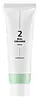 Key Ingredients
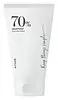
Benefits
Concerns
Ingredients Side-by-side
Water
Skin ConditioningGlycerin
Humectant


Butyrospermum Parkii Butter
Skin Conditioning




Cetearyl Alcohol
Emollient

Dipropylene Glycol
HumectantCaprylic/Capric Triglyceride
Masking
Hydrogenated Poly(C6-14 Olefin)
EmollientMethyl Trimethicone
Skin Conditioning
Hydrogenated Polydecene
Emollient1,2-Hexanediol
Skin Conditioning
Ceramide NP
Skin Conditioning



Vegetable Oil
Skin Conditioning
Phenyl Trimethicone
Skin Conditioning
Glyceryl Stearate Se
Emulsifying
Palmitic Acid
Emollient
Laminaria Japonica Extract
Skin Protecting
Eclipta Prostrata Leaf Extract
Skin ConditioningCentella Asiatica Extract
Cleansing
Acmella Oleracea Extract
Skin ProtectingUlmus Davidiana Root Extract
Skin Conditioning
Amaranthus Caudatus Seed Extract
Skin Conditioning
Avena Sativa Kernel Extract
Abrasive

Pteris Multifida Extract
Antioxidant
Cynara Scolymus Leaf Extract
Skin ConditioningHydrogenated Lecithin
Emulsifying
Sodium Hyaluronate
Humectant
Macadamia Integrifolia Seed Oil
Skin Conditioning
Elaeis Guineensis Oil
Emollient
Adansonia Digitata Seed Oil
Emollient
Persea Gratissima Oil
Skin Conditioning
Cetearyl Olivate
Sorbitan Olivate
Emulsifying
Stearic Acid
Cleansing
C12-16 Alcohols
EmollientBehenyl Alcohol
Emollient
Microcrystalline Cellulose
AbsorbentCetearyl Glucoside
Emulsifying
Butylene Glycol
Humectant
Methylpropanediol
SolventAmmonium Acryloyldimethyltaurate/Vp Copolymer
Glyceryl Polymethacrylate
Cellulose Gum
Emulsion StabilisingCholesterol
Emollient
Fructooligosaccharides
Humectant
Beta-Glucan
Skin Conditioning
Disodium EDTA
Polyquaternium-51
Skin Conditioning
Myristic Acid
Cleansing
Hydrolyzed Hyaluronic Acid
Humectant
Glucose
Humectant
Phytosphingosine
Skin Conditioning
Ethylhexylglycerin
Skin ConditioningWater, Glycerin, Butyrospermum Parkii Butter, Cetearyl Alcohol, Dipropylene Glycol, Caprylic/Capric Triglyceride, Hydrogenated Poly(C6-14 Olefin), Methyl Trimethicone, Hydrogenated Polydecene, 1,2-Hexanediol, Ceramide NP, Vegetable Oil, Phenyl Trimethicone, Glyceryl Stearate Se, Palmitic Acid, Laminaria Japonica Extract, Eclipta Prostrata Leaf Extract, Centella Asiatica Extract, Acmella Oleracea Extract, Ulmus Davidiana Root Extract, Amaranthus Caudatus Seed Extract, Avena Sativa Kernel Extract, Pteris Multifida Extract, Cynara Scolymus Leaf Extract, Hydrogenated Lecithin, Sodium Hyaluronate, Macadamia Integrifolia Seed Oil, Elaeis Guineensis Oil, Adansonia Digitata Seed Oil, Persea Gratissima Oil, Cetearyl Olivate, Sorbitan Olivate, Stearic Acid, C12-16 Alcohols, Behenyl Alcohol, Microcrystalline Cellulose, Cetearyl Glucoside, Butylene Glycol, Methylpropanediol, Ammonium Acryloyldimethyltaurate/Vp Copolymer, Glyceryl Polymethacrylate, Cellulose Gum, Cholesterol, Fructooligosaccharides, Beta-Glucan, Disodium EDTA, Polyquaternium-51, Myristic Acid, Hydrolyzed Hyaluronic Acid, Glucose, Phytosphingosine, Ethylhexylglycerin
Houttuynia Cordata Extract 70%
Skin Conditioning
Butylene Glycol
Humectant
Glycerin
Humectant
Isoamyl Laurate
Emollient
Water
Skin ConditioningPentylene Glycol
Skin Conditioning
1,2-Hexanediol
Skin Conditioning
Centella Asiatica Extract
Cleansing
Portulaca Oleracea Extract
Skin Conditioning
Betaine
Humectant
Madecassic Acid
Skin Conditioning
Asiatic Acid
Skin Conditioning
Asiaticoside
Antioxidant
Chlorella Vulgaris Extract
Skin ConditioningPanthenol
Skin Conditioning
Ethylhexylglycerin
Skin ConditioningHydrogenated Polydecene
EmollientGlucose
Humectant
Niacinamide
Smoothing





Vinyldimethicone
Caprylyl Methicone
Skin Conditioning
Hydroxyethyl Acrylate/Sodium Acryloyldimethyl Taurate Copolymer
Emulsion StabilisingAcrylates/C10-30 Alkyl Acrylate Crosspolymer
Emulsion StabilisingDimethiconol
Emollient
Polymethylsilsesquioxane
Glyceryl Acrylate/Acrylic Acid Copolymer
HumectantTromethamine
BufferingAmmonium Acryloyldimethyltaurate/Vp Copolymer
Fructooligosaccharides
Humectant
Fructose
Humectant
Dipotassium Glycyrrhizate
Humectant
Sodium Phytate
Dipropylene Glycol
HumectantTocopherol
Antioxidant
Xanthan Gum
EmulsifyingHouttuynia Cordata Extract 70%, Butylene Glycol, Glycerin, Isoamyl Laurate, Water, Pentylene Glycol, 1,2-Hexanediol, Centella Asiatica Extract, Portulaca Oleracea Extract, Betaine, Madecassic Acid, Asiatic Acid, Asiaticoside, Chlorella Vulgaris Extract, Panthenol, Ethylhexylglycerin, Hydrogenated Polydecene, Glucose, Niacinamide, Vinyldimethicone, Caprylyl Methicone, Hydroxyethyl Acrylate/Sodium Acryloyldimethyl Taurate Copolymer, Acrylates/C10-30 Alkyl Acrylate Crosspolymer, Dimethiconol, Polymethylsilsesquioxane, Glyceryl Acrylate/Acrylic Acid Copolymer, Tromethamine, Ammonium Acryloyldimethyltaurate/Vp Copolymer, Fructooligosaccharides, Fructose, Dipotassium Glycyrrhizate, Sodium Phytate, Dipropylene Glycol, Tocopherol, Xanthan Gum
Reviews
Ingredients Explained
These ingredients are found in both products.
Ingredients higher up in an ingredient list are typically present in a larger amount.
1,2-Hexanediol is a synthetic liquid and another multi-functional powerhouse.
It is a:
- Humectant, drawing moisture into the skin
- Emollient, helping to soften skin
- Solvent, dispersing and stabilizing formulas
- Preservative booster, enhancing the antimicrobial activity of other preservatives
Ammonium Acryloyldimethyltaurate/Vp Copolymer is a synthetically created polymer. It's used as a film-forming agent and used to thicken the consistency of products.
Think of it as a supportive ingredient that helps your gel-creams feel silky, "cloud cream-like", and spread evenly without being greasy.
The Cosmetic Ingredient Review (CIR) Expert Panel evaluated it (along with 22 other acryloyldimethyltaurate polymers) and concluded it's:
Due to its large molecular size, it sits on the surface of skin rather than penetrating it.
Learn more about Ammonium Acryloyldimethyltaurate/Vp CopolymerButylene Glycol (or BG) is used within cosmetic products for a few different reasons:
Overall, Butylene Glycol is a safe and well-rounded ingredient that works well with other ingredients.
Though this ingredient works well with most skin types, some people with sensitive skin may experience a reaction such as allergic rashes, closed comedones, or itchiness.
Learn more about Butylene GlycolCentella Asiatica Extract (Centella) is one of the most researched botanical extracts in skincare with decades of studies backing its effects on inflammation, collagen, and the skin barrier.
That research keeps pointing back to the same four triterpenoid saponins: Asiaticoside, Madecassoside, Asiatic Acid, and Madecassic Acid.
These compounds allow centella to dial back inflammation, encourage the skin to build and hold onto collagen, support the barrier and hydration, and bring solid antioxidant activity to protect against signs of aging.
Centella also carries a nice supporting cast of Vitamin A, vitamin C, several B vitamins, and amino acids. Put it all together and you get an ingredient that soothes, hydrates, and protects, all at once.
Most of centella's magic comes from the four big compounds (Asiaticoside, Madecassoside, Asiatic Acid, and Madecassic Acid). These are the actives doing the heavy lifting in almost every centella study.
Here is the short version of what they do in the skin:
So it is not just soothing for the sake of soothing. Centella calms the skin AND helps it rebuild.
Just FYI, not all centella on an ingredient list is the same. What you are getting actually depends on the extract:
Fun fact on the ratios: the leaves tend to be richest in Madecassoside and Asiaticoside, and lower in the two acids. The exact amounts shift with where the plant is grown and how it is processed. This means purity really does vary brand to brand.
Centella is one of the most easygoing actives out there.
It layers well with basically everything: niacinamide, hyaluronic acid, peptides, and vitamin C, and also pairs nicely with stronger actives like retinoids and exfoliating acids where it can help take the edge off irritation.
On the safety side, centella and its triterpenes are classified as weak sensitizers, meaning allergic reactions are possible but uncommon.
Patch tests at 1% and 5% came back negative in test panels, and creams at typical use levels did not cause allergic reactions across large groups of people.
But as with any new active, a patch test is still a smart move for very reactive skin.
Centella is widely used because it is effective at low percentages. For context, human safety testing found no meaningful irritation from creams containing centella extract at everyday use levels (the tested amounts were well under 1%).
The irritancy threshold in animal testing was also above 30% (so real-world formulas sit far below anything concerning).
In collagen lab studies, higher concentrations drove more collagen synthesis, so serums built around centella tend to feature it more prominently.
Bottom line: you will find centella working nicely anywhere from a fraction of a percent up to hero-ingredient levels depending on whether it is a supporting soother or the main event.
Fun fact: Centella has been used as a medicine and in food for many centuries. As a medicine, it is used to treat burns, scratches, and wounds.
Learn more about Centella Asiatica ExtractDipropylene Glycol is a synthetically created humectant, stabilizer, and solvent.
This ingredient helps:
Dipropylene glycol is technically an alcohol, but it belongs to the glycol family (often considered part of the ‘good’ alcohols). This means it is hydrating and gentle on skin unlike drying solvent alcohols like denatured alcohol.
As a masking agent, Dipropylene Glycol can be used to cover the smell of other ingredients. However, it does not have a scent.
Studies show Dipropylene Glycol is considered safe to use in skincare.
Learn more about Dipropylene GlycolEthylhexylglycerin is created from glycerin. It is a multitasker ingredient that:
The CIR Expert Panel found minimal skin absorption or sensitization of any kind in a safety assessment. Though this ingredient is considered well-tolerated, a small number of cases of allergic dermatitis have been published since 2002. Just be sure to patch test if you are unsure.
Industry-reported use ranges from 8% in rinse-off products and 2% in leave-on formulations.
Learn more about EthylhexylglycerinFructooligosaccharides (FOS) are a type of prebiotic sugar with humectant and skin conditioning properties. As a humectant, they help attract and hold moisture in the skin.
FOS essentially acts as a food source for the "good" bacteria on your skin and make it harder for "bad" bacteria to thrive. A 2022 study using a reconstructured human skin model found that just 1% of FOS was enough to shift the bacteria balance in favor of beneficial species. This suggests it could help support a healthier skin microbiome over time.
This ingredient has a low sensitization risk and testing shows it does not classify as a skin irritant or sensitizer.
FOS are usually produced from sugar beets and can also be found in foods like bananas, garlic, and onions.
Learn more about FructooligosaccharidesGlucose is a simple sugar (a monosaccharide). In skincare, it is mostly a humectant and skin conditioning agent.
Mechanistically, it has multiple hydroxyl groups that hydrogen-bond to water. This pulls moisture into the upper layers of skin to keep the surface soft and hydrated.
It's worth knowing sugars are already a natural component of the skin's NMF (natural moisturizing factor) so it's a molecule that your stratum corneum is well-acquainted with.
Just so you know, glucose is hydrophilic (water-loving) and the stratum corneum is a strong barrier to hydrophilic compounds. This just means penetration is slow and most of the action is happening on the surface.
Gram-to-gram, glucose is not as efficient as a humectant as glycerin. This is why you'll likely see glycose paired with stronger humectants for a bigger hydration payoff.
In skincare, glucose is typically derived from corn or other starch sources.
Learn more about GlucoseGlycerin (or glycerol) is a compound naturally found in your skin. It's a powerhouse humectant that pulls water into the stratum corneum.
Topically, glycerin does several things at once:
Your skin makes glycerin on its own (mostly from sebaceous oil breakdown) and shuttles it to your outermost layer of skin, or your epidermis, via aquaporin-3.
Aquaporin-3 is a transporter that is essential for normal skin hydration, elasticity, and repair. Interestingly, mice lacking in AQP3 have dry and less elastic skin that can be fully corrected with glycerin.
This ingredient is non-irritating, plays well with almost every ingredient, and works across all skin types. Typical use is anywhere between 3-10% but can go up to 79% in some leave-on products.
Just know very high concentrations (>40%) can feel tacky in low humidity.
Glycerin is the name for this ingredient in American English. British English uses Glycerol/Glycerine.
Learn more about GlycerinHydrogenated Polydecene is a synthetic emollient. It forms a non-occlusive film on the skin's surface to provide a silky feel without being greasy.
In vivo studies in volunteers with atopic and dry skin showed no irritation or intolerance. The volunteers also saw a positive effect in dryness, scaling, and roughness after 28 days of use.
Concentrations up to 100% in guinea pig tests found it to be non-sensitizing and completely safe for use in cosmetics.
Learn more about Hydrogenated PolydeceneWater. It's the most common cosmetic ingredient of all. You'll usually see it at the top of ingredient lists, meaning that it makes up the largest part of the product.
So why is it so popular? Water most often acts as a solvent - this means that it helps dissolve other ingredients into the formulation.
You'll also recognize water as that liquid we all need to stay alive. If you see this, drink a glass of water. Remember to stay hydrated!
Learn more about Water


