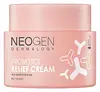
This calming moisturizer is formulated around Lactobacillus Ferment Lysate and Niacinamide to calm redness and strengthen the skin barrier.
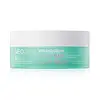
This brightening moisturizer is formulated around Camellia Sinensis Leaf Extract and Ascorbic Acid to brighten dull-looking skin and calm redness.

What's inside
What's inside
 Key Ingredients
Benefits
Concerns
Ingredients Side-by-side
Water
Skin ConditioningLactobacillus Ferment Lysate 14.3%
Skin Conditioning
Butylene Glycol
Humectant

Propanediol
Solvent
Isopentyldiol
Humectant
Dimethicone
Emollient

Cyclopentasiloxane
Emollient
Glycerin
Humectant
Niacinamide
Smoothing








Hydrogenated Poly(C6-14 Olefin)
EmollientCyclohexasiloxane
Emollient
1,2-Hexanediol
Skin Conditioning
PEG-240/Hdi Copolymer Bis-Decyltetradeceth-20 Ether
StabilisingButyrospermum Parkii Butter
Skin Conditioning




Polyglyceryl-10 Myristate
Skin Conditioning
Polyglyceryl-2 Stearate
Emulsifying
Hydroxyethyl Acrylate/Sodium Acryloyldimethyl Taurate Copolymer
Emulsion StabilisingGlyceryl Stearate
Emollient
Stearyl Alcohol
Emollient
Ethylhexylglycerin
Skin ConditioningAdenosine
Skin Conditioning
Betaine
Humectant
Allantoin
Skin Conditioning
Trehalose
Humectant
Panthenol
Skin Conditioning
Sodium PCA
Humectant
Bifida Ferment Lysate
Skin Conditioning
Sodium Lactate
Buffering
Gossypium Herbaceum Extract
Skin ConditioningArginine
Masking
Aspartic Acid
Masking
PCA
Humectant
Streptococcus Thermophilus Ferment
Humectant
Caprylic/Capric Triglyceride
Masking
Glycine
Buffering
Alanine
Masking
Lecithin
Emollient
Royal Jelly Extract
Skin Conditioning
Milk Extract
Skin ConditioningPolysorbate 20
Emulsifying
Propolis Extract
Skin Conditioning
Hydrolyzed Collagen
Emollient
Lactose
HumectantArtemisia Capillaris Extract
Simmondsia Chinensis Seed Oil
Emollient
Helianthus Annuus Seed Oil
Emollient
Serine
Masking
Valine
MaskingIsoleucine
Skin ConditioningThreonine
Proline
Skin Conditioning
Phenylalanine
Masking
Histidine
Humectant
Hyaluronic Acid
Humectant
Lupinus Albus Seed Extract
Skin ConditioningSodium Ascorbyl Phosphate
Antioxidant

Phospholipids
Skin Conditioning
Phytosphingosine
Skin Conditioning
Copper Tripeptide-1
Skin Conditioning
Ceramide NP
Skin Conditioning
Lactic Acid
Buffering

Cholesterol
Emollient
Hydrolyzed Hyaluronic Acid
Humectant
Madecassoside
Antioxidant
Tocopherol
Antioxidant
Sodium Hyaluronate
Humectant
Squalane
Emollient
Tripeptide-1
Skin Conditioning
Palmitoyl Tripeptide-1
Skin Conditioning
Tripeptide-2
Skin Conditioning
Hexapeptide-11
Skin Conditioning
Phytosterols
Skin Conditioning
Dunaliella Salina Extract
Skin ConditioningAcetyl Hexapeptide-8
Humectant
Palmitoyl Tetrapeptide-7
Skin Conditioning
Palmitoyl Pentapeptide-4
Skin Conditioning
Hexapeptide-9
Skin Conditioning
Nonapeptide-1
Skin Conditioning
Disodium EDTA
ChelatingParfum
Masking

Water, Lactobacillus Ferment Lysate 14.3%, Butylene Glycol, Propanediol, Isopentyldiol, Dimethicone, Cyclopentasiloxane, Glycerin, Niacinamide, Hydrogenated Poly(C6-14 Olefin), Cyclohexasiloxane, 1,2-Hexanediol, PEG-240/Hdi Copolymer Bis-Decyltetradeceth-20 Ether, Butyrospermum Parkii Butter, Polyglyceryl-10 Myristate, Polyglyceryl-2 Stearate, Hydroxyethyl Acrylate/Sodium Acryloyldimethyl Taurate Copolymer, Glyceryl Stearate, Stearyl Alcohol, Ethylhexylglycerin, Adenosine, Betaine, Allantoin, Trehalose, Panthenol, Sodium PCA, Bifida Ferment Lysate, Sodium Lactate, Gossypium Herbaceum Extract, Arginine, Aspartic Acid, PCA, Streptococcus Thermophilus Ferment, Caprylic/Capric Triglyceride, Glycine, Alanine, Lecithin, Royal Jelly Extract, Milk Extract, Polysorbate 20, Propolis Extract, Hydrolyzed Collagen, Lactose, Artemisia Capillaris Extract, Simmondsia Chinensis Seed Oil, Helianthus Annuus Seed Oil, Serine, Valine, Isoleucine, Threonine, Proline, Phenylalanine, Histidine, Hyaluronic Acid, Lupinus Albus Seed Extract, Sodium Ascorbyl Phosphate, Phospholipids, Phytosphingosine, Copper Tripeptide-1, Ceramide NP, Lactic Acid, Cholesterol, Hydrolyzed Hyaluronic Acid, Madecassoside, Tocopherol, Sodium Hyaluronate, Squalane, Tripeptide-1, Palmitoyl Tripeptide-1, Tripeptide-2, Hexapeptide-11, Phytosterols, Dunaliella Salina Extract, Acetyl Hexapeptide-8, Palmitoyl Tetrapeptide-7, Palmitoyl Pentapeptide-4, Hexapeptide-9, Nonapeptide-1, Disodium EDTA, Parfum
Water
Skin ConditioningHydrogenated Olive Oil Lauryl Esters
Emulsion Stabilising
Cetyl Ethylhexanoate
Emollient1,2-Hexanediol
Skin Conditioning
Glycerin
Humectant
Neopentyl Glycol Diheptanoate
EmollientCamellia Sinensis Leaf Extract
Antimicrobial
Ascorbic Acid
Antioxidant
Cyclopentasiloxane
Emollient
Cetearyl Alcohol
Emollient
Glyceryl Stearate
Emollient
PEG-100 Stearate
Surfactant
Palmitic Acid
Emollient
Dimethicone
Emollient
Ammonium Acryloyldimethyltaurate/Vp Copolymer
Stearic Acid
Cleansing
Cyclohexasiloxane
Emollient
Cetyl Alcohol
Emollient
Stearyl Alcohol
Emollient
Cetearyl Glucoside
Emulsifying
Coptis Japonica Extract
AntimicrobialTrehalose
Humectant
Butylene Glycol
Humectant
Ethylhexylglycerin
Skin ConditioningDimethicone/Vinyl Dimethicone Crosspolymer
Skin Conditioning
Gardenia Florida Fruit Extract
Skin ConditioningAllantoin
Skin Conditioning
Glucose
Humectant
Maltodextrin
Absorbent
Sodium Hyaluronate
Humectant
Panthenol
Skin Conditioning
Disodium EDTA
ChelatingWater, Hydrogenated Olive Oil Lauryl Esters, Cetyl Ethylhexanoate, 1,2-Hexanediol, Glycerin, Neopentyl Glycol Diheptanoate, Camellia Sinensis Leaf Extract, Ascorbic Acid, Cyclopentasiloxane, Cetearyl Alcohol, Glyceryl Stearate, PEG-100 Stearate, Palmitic Acid, Dimethicone, Ammonium Acryloyldimethyltaurate/Vp Copolymer, Stearic Acid, Cyclohexasiloxane, Cetyl Alcohol, Stearyl Alcohol, Cetearyl Glucoside, Coptis Japonica Extract, Trehalose, Butylene Glycol, Ethylhexylglycerin, Dimethicone/Vinyl Dimethicone Crosspolymer, Gardenia Florida Fruit Extract, Allantoin, Glucose, Maltodextrin, Sodium Hyaluronate, Panthenol, Disodium EDTA
Reviews
Ingredients Explained
These ingredients are found in both products.
Ingredients higher up in an ingredient list are typically present in a larger amount.
1,2-Hexanediol is a synthetic liquid and another multi-functional powerhouse.
It is a:
- Humectant, drawing moisture into the skin
- Emollient, helping to soften skin
- Solvent, dispersing and stabilizing formulas
- Preservative booster, enhancing the antimicrobial activity of other preservatives
Allantoin is a soothing ingredient known for its protective and moisturizing properties; it's basically a quiet workhorse ingredient you can find in a huge range of cosmetics.
Though it can be derived from the comfrey plant, allantoin is produced synthetically for cosmetic products to ensure purity.
Research shows it can encourage your skin cells to turn over and renew by stimulating keratinocyte and fibroblast proliferation.
It also has mild keratolytic properties to help loosen and shed dead skin cells without being harsh.
Studies also suggest allantoin can help calm inflammation by dialing down some of the chemical signals your skin sends out when it is irritated.
This ingredient is typically used in the 0.1-0.5% range, and the FDA recognizes it as a skin protectant in OTC products up to 2%.
Overall, allantoin is a wonderful addition to most routines; it is stable across a wide pH range (~4-8), works well with other ingredients, and is considered non-sensitizing/non-irritating.
Fun fact: Allantoin is naturally occurring in comfrey root, beets, chamomile, and wheat sprouts. Our bodies even produce it as a byproduct of uric acid metabolism.
Learn more about AllantoinButylene Glycol (or BG) is used within cosmetic products for a few different reasons:
Overall, Butylene Glycol is a safe and well-rounded ingredient that works well with other ingredients.
Though this ingredient works well with most skin types, some people with sensitive skin may experience a reaction such as allergic rashes, closed comedones, or itchiness.
Learn more about Butylene GlycolCyclohexasiloxane is a type of silicone more commonly known as D6. It is an emollient and solvent.
Cyclohexasiloxane is used to evenly distribute ingredients throughout the product. When applied to the skin, Cyclohexasiloxane evaporates and leaves behind a silky feel.
As an emollient, it can help the skin feel soft and hydrated. It is also used to reduce frizz in hair products.
Learn more about CyclohexasiloxaneCyclopentasiloxane (D5) is a lightweight silicone that mostly acts as an emollient and solvent in cosmetics. Its the reason your products feel silky, fast-spreading, and non-greasy.
Since D5 is volatile, it does its thing and then evaporates off the skin quickly.
The safety profile of this ingredient is reassuring; the US CIR Expert Panel concluded D5 is safe as used in cosmetics and Health Canada concluded that D5 is not harmful to human health or the environment as currently used in cosmetics
There's a study that people mention about D5 in a rat study showing tumors. This study is related to long-term inhalation of high D5 levels.
Regulatory bodies have judged this study to be not applicable in topical skincare since skin absorption of D5 is very low and we're not really inhaling huge amounts of D5.
The only restriction for this ingredient is environmental. The European Chemicals Agency (ECHA) restricted D5 in wash-off cosmetics at or above 0.1% due to their persistence in water.
Learn more about CyclopentasiloxaneDimethicone is a type of synthetic silicone created from natural materials such as quartz. It is also known as polydimethylsiloxane.
What it does:
Dimethicone comes in different viscosities:
Depending on the viscosity, dimethicone has different properties.
Ingredients lists don't always show which type is used, so we recommend reaching out to the brand if you have questions about the viscosity.
This ingredient is unlikely to cause irritation because it does not get absorbed into skin. However, people with silicone allergies should be careful about using this ingredient.
Note: Dimethicone may contribute to pilling. This is because it is not oil or water soluble, so pilling may occur when layered with products. When mixed with heavy oils in a formula, the outcome is also quite greasy.
Learn more about DimethiconeDisodium EDTA is a chelating agent. It grabs onto and deactivates metal ions that sneak into your products from water, packaging, or air.
This ingredient mainly works behind the scenes and helps with:
On top of that, this ingredient can counteract the effects of hard water by binding to the minerals in it.
One thing worth knowing is that Disodium EDTA has been shown to be a mild penetration enhancer. It can help other ingredients absorb into skin more effectively which can be a double-edged sword (great for actives, but can also make the active too strong if you have sensitive skin).
Clinical patch testing showed no significant skin irritation at typical use concentrations and minimal dermal absorption.
You'll most likely see this ingredient near the end of an ingredient list. It's typically found in concentrations less than 1%.
Learn more about Disodium EDTAEthylhexylglycerin is created from glycerin. It is a multitasker ingredient that:
The CIR Expert Panel found minimal skin absorption or sensitization of any kind in a safety assessment. Though this ingredient is considered well-tolerated, a small number of cases of allergic dermatitis have been published since 2002. Just be sure to patch test if you are unsure.
Industry-reported use ranges from 8% in rinse-off products and 2% in leave-on formulations.
Learn more about EthylhexylglycerinGlycerin (or glycerol) is a compound naturally found in your skin. It's a powerhouse humectant that pulls water into the stratum corneum.
Topically, glycerin does several things at once:
Your skin makes glycerin on its own (mostly from sebaceous oil breakdown) and shuttles it to your outermost layer of skin, or your epidermis, via aquaporin-3.
Aquaporin-3 is a transporter that is essential for normal skin hydration, elasticity, and repair. Interestingly, mice lacking in AQP3 have dry and less elastic skin that can be fully corrected with glycerin.
This ingredient is non-irritating, plays well with almost every ingredient, and works across all skin types. Typical use is anywhere between 3-10% but can go up to 79% in some leave-on products.
Just know very high concentrations (>40%) can feel tacky in low humidity.
Glycerin is the name for this ingredient in American English. British English uses Glycerol/Glycerine.
Learn more about GlycerinGlyceryl Stearate is made by reacting glycerin with stearic acid (typically sourced from plant oils like palm or coconut). It's an emulsifier, emollient, and mild occlusive.
Emulsifiers help ingredients like oil and water stay mixed so your formula stays nicely blended and uniform in texture.
This ingredient is typically used in concentrations between 1-10%. Studies have found it to be non-sensitizing, non-phototoxic, and non-photoallergenic.
A close cousin of this ingredient is Glyceryl Stearate SE ("self-emulsifying"). This just has a small amount of sodium or potassium stearate added so it can emulsify without a co-emulsifier.
Since this ingredient is an ester of a C18 fatty acid, it may not be fungal acne safe. The Malassezia yeast can potentially metabolize within the C11-C24 range.
Fun fact: The human body also creates Glyceryl Stearate naturally.
Learn more about Glyceryl StearatePanthenol is a common ingredient that helps hydrate and soothe the skin. It is found naturally in our skin and hair.
There are two forms of panthenol: D and L.
D-panthenol is also known as dexpanthenol. Most cosmetics use dexpanthenol or a mixture of D and L-panthenol.
Panthenol is famous due to its ability to go deeper into the skin's layers. Using this ingredient has numerous pros (and no cons):
Like hyaluronic acid, panthenol is a humectant. Humectants are able to bind and hold large amounts of water to keep skin hydrated.
This ingredient works well for wound healing. It works by increasing tissue in the wound and helps close open wounds.
Once oxidized, panthenol converts to pantothenic acid. Panthothenic acid is found in all living cells.
This ingredient is also referred to as pro-vitamin B5.
Learn more about PanthenolSodium Hyaluronate is the salt form of hyaluronic acid. It is a long sugar chain that is naturally found in your skin, joints, and connective tissue that maintains hydration and elasticity.
In skincare, it works as a humectant. It pulls water from the environment and deeper layers of skin and binds it to the surface.
Interestingly, the size of the molecule affects its behavior:
Some clinical evidence links low molecular weight versions to improved wrinkle depth, elasticity, anti-inflammatory effects, and barrier repair.
Many serums use a blend of both weights so you can get surface hydration plus longer-lasting and deeper effects.
You'll typically see concentrations between 0.1-2% for this ingredient.
Learn more about Sodium HyaluronateStearyl Alcohol is a type of fatty alcohol from stearic acid. It is a white, waxy compound used to emulsify ingredients used as an emollient or to thicken a product.
Emollients help soothe and hydrate the skin by trapping moisture.
Fatty alcohols are usually derived from natural fats and oils and therefore do not have the same drying or irritating effect as solvent (ethanol) alcohols.
The FDA allows products labeled "alcohol-free" to have fatty alcohols.
This ingredient may not be fungal acne safe. It is a primary fatty alcohol with a chain length above 12 carbons. A study from 2019 show Malassezia can feed on fatty alcohols in this range, so it may trigger fungal acne in those prone to it.
Learn more about Stearyl AlcoholTrehalose is a disaccharide made of two glucose molecules (glucose is sugar!). Trehalose is used to help moisturize skin. It also has antioxidant properties.
As a humectant, trehalose helps draw moisture from the air to your skin. This helps keep your skin hydrated.
Due to its antioxidant properties, trehalose may help with signs of aging. Antioxidants help fight free-radical molecules, unstable molecules that may damage your skin.
In medicine, trehalose and hyaluronic acid are used to help treat dry eyes.
Some animals, plants, and bacteria create trehalose as a source of energy to survive freeze or lack of water.
Learn more about TrehaloseWater. It's the most common cosmetic ingredient of all. You'll usually see it at the top of ingredient lists, meaning that it makes up the largest part of the product.
So why is it so popular? Water most often acts as a solvent - this means that it helps dissolve other ingredients into the formulation.
You'll also recognize water as that liquid we all need to stay alive. If you see this, drink a glass of water. Remember to stay hydrated!
Learn more about Water

