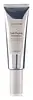
This anti-aging moisturizer is formulated around Palmitoyl Tripeptide-5 and Palmitoyl Tripeptide-1 to soften the look of wrinkles.
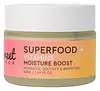
This barrier-repair moisturizer is formulated around Niacinamide and Ceramide AP to strengthen the skin barrier and hydrate skin.


What's inside
What's inside
 Key Ingredients
Benefits
Concerns
Ingredients Side-by-side
Water
Skin ConditioningGlycerin
Humectant


Dimethicone
Emollient
Simmondsia Chinensis Seed Oil
Emollient


Squalane
Emollient
Glyceryl Stearate
Emollient
Cetyl Alcohol
Emollient

Niacinamide
Smoothing








Stearyl Alcohol
Emollient
Palmitoyl Tripeptide-5
Skin Conditioning
Pantolactone
Humectant
Palmitoyl Tripeptide-1
Skin Conditioning
Palmitoyl Tetrapeptide-7
Skin Conditioning
Hydrolyzed Plukenetia Volubilis Seed Extract
Emulsion StabilisingDunaliella Salina Extract
Skin ConditioningSodium Hyaluronate
Humectant
3-O-Ethyl Ascorbic Acid
Skin Conditioning
Panthenol
Skin Conditioning
Caryodendron Orinocense Seed Oil
Emollient
Honokiol
Antioxidant
Magnolol
Antioxidant
Palmitic Acid
Emollient


Sorbitan Oleate
Emulsifying
Aluminum Starch Octenylsuccinate
Absorbent
Hydroxyacetophenone
Antioxidant
Stearic Acid
Cleansing
Acrylamide/Sodium Acryloyldimethyltaurate Copolymer
Emulsion StabilisingPolyglyceryl-6 Laurate
Emulsifying
1,2-Hexanediol
Skin Conditioning
Boron Nitride
Absorbent
Caprylyl Glycol
Emollient
Polyglyceryl-10 Oleate
Skin Conditioning
Isohexadecane
EmollientButylene Glycol
Humectant
Chlorphenesin
Antimicrobial
Acrylates/C10-30 Alkyl Acrylate Crosspolymer
Emulsion StabilisingTocopheryl Acetate
Antioxidant
Polysorbate 80
Emulsifying
Sorbitan Palmitate
Emulsifying
Sodium Hydroxide
BufferingSodium Benzoate
Masking
Carbomer
Emulsion StabilisingSodium Lactate
Buffering
Phenoxyethanol
Preservative
Polysorbate 20
Emulsifying
Citric Acid
Buffering
Ethylhexylglycerin
Skin ConditioningPotassium Sorbate
Preservative
Water, Glycerin, Dimethicone, Simmondsia Chinensis Seed Oil, Squalane, Glyceryl Stearate, Cetyl Alcohol, Niacinamide, Stearyl Alcohol, Palmitoyl Tripeptide-5, Pantolactone, Palmitoyl Tripeptide-1, Palmitoyl Tetrapeptide-7, Hydrolyzed Plukenetia Volubilis Seed Extract, Dunaliella Salina Extract, Sodium Hyaluronate, 3-O-Ethyl Ascorbic Acid, Panthenol, Caryodendron Orinocense Seed Oil, Honokiol, Magnolol, Palmitic Acid, Sorbitan Oleate, Aluminum Starch Octenylsuccinate, Hydroxyacetophenone, Stearic Acid, Acrylamide/Sodium Acryloyldimethyltaurate Copolymer, Polyglyceryl-6 Laurate, 1,2-Hexanediol, Boron Nitride, Caprylyl Glycol, Polyglyceryl-10 Oleate, Isohexadecane, Butylene Glycol, Chlorphenesin, Acrylates/C10-30 Alkyl Acrylate Crosspolymer, Tocopheryl Acetate, Polysorbate 80, Sorbitan Palmitate, Sodium Hydroxide, Sodium Benzoate, Carbomer, Sodium Lactate, Phenoxyethanol, Polysorbate 20, Citric Acid, Ethylhexylglycerin, Potassium Sorbate
Water
Skin ConditioningGlycerin
Humectant
Butylene Glycol
Humectant
Palmitic Acid
Emollient
Stearic Acid
Cleansing
Ethylhexyl Stearate
Emollient
Ethylhexyl Palmitate
Emollient
Caprylic/Capric Triglyceride
Masking
Hydrogenated Poly(C6-14 Olefin)
EmollientNiacinamide
Smoothing
Ceramide AP
Skin Conditioning
1,2-Hexanediol
Skin Conditioning
Polyglyceryl-3 Methylglucose Distearate
Emulsifying
Polymethylsilsesquioxane
Tromethamine
BufferingBrassica Oleracea Acephala Leaf Extract
HumectantZingiber Officinale Root Extract
Masking
Beta Vulgaris Root Extract
Skin ConditioningGanoderma Lucidum Stem Extract
Skin ConditioningMelia Azadirachta Flower Extract
Skin ConditioningPanthenol
Skin Conditioning
Ethylhexylglycerin
Skin ConditioningMelia Azadirachta Leaf Extract
Skin ConditioningCurcuma Longa Root Extract
Antioxidant
Ocimum Sanctum Leaf Extract
Skin ConditioningAdenosine
Skin Conditioning
Sodium Hyaluronate
Humectant
Sodium Phytate
ChelatingTocopheryl Acetate
Antioxidant
Corallina Officinalis Extract
Skin Conditioning
Althaea Rosea Flower Extract
Skin ConditioningAscorbic Acid
Antioxidant
Glycine Soja Oil
Emollient
Panax Ginseng Extract
Antioxidant
Caprylyl Glycol
Emollient
Candida Bombicola/Glucose/Methyl Rapeseedate Ferment
AntimicrobialSpirulina Platensis Extract
Skin ProtectingAvena Sativa Kernel Oil
Skin Conditioning
Acrylates/C10-30 Alkyl Acrylate Crosspolymer
Emulsion StabilisingCitrus Junos Fruit Extract
Skin ConditioningCoffea Arabica Seed Extract
Masking
Gossypium Herbaceum Seed Oil
Skin Conditioning
Moringa Oleifera Seed Extract
Skin Conditioning
Retinol
Skin Conditioning

Salvia Hispanica Seed Oil
Emollient
Sesamum Indicum Seed Oil
Emollient
Caramel
Cosmetic ColorantLavandula Angustifolia Oil
Masking

Water, Glycerin, Butylene Glycol, Palmitic Acid, Stearic Acid, Ethylhexyl Stearate, Ethylhexyl Palmitate, Caprylic/Capric Triglyceride, Hydrogenated Poly(C6-14 Olefin), Niacinamide, Ceramide AP, 1,2-Hexanediol, Polyglyceryl-3 Methylglucose Distearate, Polymethylsilsesquioxane, Tromethamine, Brassica Oleracea Acephala Leaf Extract, Zingiber Officinale Root Extract, Beta Vulgaris Root Extract, Ganoderma Lucidum Stem Extract, Melia Azadirachta Flower Extract, Panthenol, Ethylhexylglycerin, Melia Azadirachta Leaf Extract, Curcuma Longa Root Extract, Ocimum Sanctum Leaf Extract, Adenosine, Sodium Hyaluronate, Sodium Phytate, Tocopheryl Acetate, Corallina Officinalis Extract, Althaea Rosea Flower Extract, Ascorbic Acid, Glycine Soja Oil, Panax Ginseng Extract, Caprylyl Glycol, Candida Bombicola/Glucose/Methyl Rapeseedate Ferment, Spirulina Platensis Extract, Avena Sativa Kernel Oil, Acrylates/C10-30 Alkyl Acrylate Crosspolymer, Citrus Junos Fruit Extract, Coffea Arabica Seed Extract, Gossypium Herbaceum Seed Oil, Moringa Oleifera Seed Extract, Retinol, Salvia Hispanica Seed Oil, Sesamum Indicum Seed Oil, Caramel, Lavandula Angustifolia Oil
Reviews
Ingredients Explained
These ingredients are found in both products.
Ingredients higher up in an ingredient list are typically present in a larger amount.
1,2-Hexanediol is a synthetic liquid and another multi-functional powerhouse.
It is a:
- Humectant, drawing moisture into the skin
- Emollient, helping to soften skin
- Solvent, dispersing and stabilizing formulas
- Preservative booster, enhancing the antimicrobial activity of other preservatives
Acrylates/C10-30 Alkyl Acrylate Crosspolymer is a synthetic polymer. It is used to thicken, emulsify, and improve the texture of products.
As an emulsifier, it helps stabilize oil-in-water emulsions to give products an elegant feel when applied.
It can also form a thin protective film on skin. One study found that a formula using this polymer helped slow down how quickly other ingredients (like DEET) were absorbed through skin.
A 2024 study of over 1,300 patients confirmed that sensitization to this ingredient is rare. It is also non-mutagenic and has a clean track record.
Learn more about Acrylates/C10-30 Alkyl Acrylate CrosspolymerButylene Glycol (or BG) is used within cosmetic products for a few different reasons:
Overall, Butylene Glycol is a safe and well-rounded ingredient that works well with other ingredients.
Though this ingredient works well with most skin types, some people with sensitive skin may experience a reaction such as allergic rashes, closed comedones, or itchiness.
Learn more about Butylene GlycolCaprylyl Glycol is a humectant, skin conditioner, emollient, and preservative booster derived from either caprylic acid or synthetically created.
Typical use levels vary from 0.3-1% as a preservative booster and go up to 2% to condition skin.
Because it is not a free-fatty acid, this ingredient is fungal acne safe (there's nothing for Malassezia to feed on).
Learn more about Caprylyl GlycolEthylhexylglycerin is created from glycerin. It is a multitasker ingredient that:
The CIR Expert Panel found minimal skin absorption or sensitization of any kind in a safety assessment. Though this ingredient is considered well-tolerated, a small number of cases of allergic dermatitis have been published since 2002. Just be sure to patch test if you are unsure.
Industry-reported use ranges from 8% in rinse-off products and 2% in leave-on formulations.
Learn more about EthylhexylglycerinGlycerin (or glycerol) is a compound naturally found in your skin. It's a powerhouse humectant that pulls water into the stratum corneum.
Topically, glycerin does several things at once:
Your skin makes glycerin on its own (mostly from sebaceous oil breakdown) and shuttles it to your outermost layer of skin, or your epidermis, via aquaporin-3.
Aquaporin-3 is a transporter that is essential for normal skin hydration, elasticity, and repair. Interestingly, mice lacking in AQP3 have dry and less elastic skin that can be fully corrected with glycerin.
This ingredient is non-irritating, plays well with almost every ingredient, and works across all skin types. Typical use is anywhere between 3-10% but can go up to 79% in some leave-on products.
Just know very high concentrations (>40%) can feel tacky in low humidity.
Glycerin is the name for this ingredient in American English. British English uses Glycerol/Glycerine.
Learn more about GlycerinNiacinamide is a multitasking form of vitamin B3 that strengthens the skin barrier, reduces pores and dark spots, regulates oil, and improves signs of aging.
And the best part? It's gentle and well-tolerated by most skin types, including sensitive and reactive skin.
You might have heard of "niacin flush", or the reddening of skin that causes itchiness. Niacinamide has not been found to cause this.
In very rare cases, some individuals may not be able to tolerate niacinamide at all or experience an allergic reaction to it.
If you are experiencing flaking, irritation, and dryness with this ingredient, be sure to double check all your products as this ingredient can be found in all categories of skincare.
When incorporating niacinamide into your routine, look out for concentration amounts. Typically, 5% niacinamide provides benefits such as fading dark spots. However, if you have sensitive skin, it is better to begin with a smaller concentration.
When you apply niacinamide to your skin, your body converts it into nicotinamide adenine dinucleotide (NAD). NAD is an essential coenzyme that is already found in your cells as "fuel" and powers countless biological processes.
In your skin, NAD helps repair cell damage, produce new healthy cells, support collagen production, strengthen the skin barrier, and fight environmental stressors (like UV and pollution).
Our natural NAD levels start to decline with age, leading to slower skin repair, visible aging, and a weaker skin barrier. By providing your skin niacinamide, you're recharging your skin's NAD levels. This leads to stronger, healthier, and younger looking skin.
Another name for vitamin B3 is nicotinamide. This vitamin is water-soluble and our bodies don't store it. We obtain Vitamin B3 from either food or skincare. Meat, fish, wheat, yeast, and leafy greens contain vitamin B3.
The type of niacinamide used in skincare is synthetically created.
Learn more about NiacinamidePalmitic Acid is a fatty acid naturally found in our skin and in many plant and animal sources.
In cosmetics, it is usually derived from palm oil. It serves many purposes in skincare, acting as a cleanser, emollient, and emulsifier.
Interestingly, topically applied Palmitic Acid can be elongated into longer chain fatty acids and ceramides. A 2019 study found low levels of Palmitic Acid lead to slower development of cells, suggesting it plays a role in keeping your skin's renewal process on track.
The CIR (Cosmetic Ingredient Review) panel determined it safe as used in cosmetics at concentrations up to 13%. It is non-irritating and non-sensitizing in clinical studies.
The culprit behind fungal acne, the Malassezia yeast, feeds on fatty acids with carbon chain lengths between C11-C24. Palmitic Acid, at C16, falls right into that sweet spot.
In vitro studies have shown that Palmitic Acid is one of the fatty acids that induce rapid Malassezia growth in lab settings.
It's worth noting that what feeds yeast in a lab doesn't necessarily feed it on your face since formulation and your skin's chemistry play a bigger role.
Learn more about Palmitic AcidPanthenol is a common ingredient that helps hydrate and soothe the skin. It is found naturally in our skin and hair.
There are two forms of panthenol: D and L.
D-panthenol is also known as dexpanthenol. Most cosmetics use dexpanthenol or a mixture of D and L-panthenol.
Panthenol is famous due to its ability to go deeper into the skin's layers. Using this ingredient has numerous pros (and no cons):
Like hyaluronic acid, panthenol is a humectant. Humectants are able to bind and hold large amounts of water to keep skin hydrated.
This ingredient works well for wound healing. It works by increasing tissue in the wound and helps close open wounds.
Once oxidized, panthenol converts to pantothenic acid. Panthothenic acid is found in all living cells.
This ingredient is also referred to as pro-vitamin B5.
Learn more about PanthenolSodium Hyaluronate is the salt form of hyaluronic acid. It is a long sugar chain that is naturally found in your skin, joints, and connective tissue that maintains hydration and elasticity.
In skincare, it works as a humectant. It pulls water from the environment and deeper layers of skin and binds it to the surface.
Interestingly, the size of the molecule affects its behavior:
Some clinical evidence links low molecular weight versions to improved wrinkle depth, elasticity, anti-inflammatory effects, and barrier repair.
Many serums use a blend of both weights so you can get surface hydration plus longer-lasting and deeper effects.
You'll typically see concentrations between 0.1-2% for this ingredient.
Learn more about Sodium HyaluronateStearic Acid is a fatty acid that is already found in your skin. It's one of the free fatty acids that works alongside ceramides and cholesterols to maintain your barrier.
In cosmetics, it is a multitasker:
Safety-wise, the CIR Expert Panel has concluded it to be safe in cosmetics when formulated to be non-irritating and non-sensitizing.
Free stearic acid is a C18 fatty acid that the Malassezia yeast can substrate, so this ingredient may not be fungal acne safe.
Learn more about Stearic AcidTocopheryl Acetate is a stable, shelf-friendly form of vitamin E.
Formulators love it because plain vitamin E oxidizes quickly once it hits air. This acetate version stays stable and resists going off, helping to extend a product's shelf life.
It's actually inactive on its own and works like a slow-release "storage" form; the enzymes in your skin called esterases gradually convert it into active vitamin E over time.
One in vivo study showed 5% of the acetate in the living layer of the epidermis converted to vitamin E after 5 days of application. This study also found the skin gained protection against UV damage even though the conversion was slow and small.
Once converted, vitamin E acts as a skin's main fat-soluble antioxidant that fights free radicals to protect skin from damage.
Topical vitamin E generally boosts the skin's photoprotection, and it reduced UV-damage in animal models.
This ingredient has some brightening potential but it's more of a prevention ingredient than spot-fader. Cell studies show it can slow down melanin production but it's worth noting that it's not the most powerful brightener out there.
Overall, it has a pretty solid safety profile and has been found to be non-irritating and non-comedogenic. Allergic reactions may happen but stay rare due to how widely the ingredient gets used.
The concentration will vary depending on the formula; industry data shows 0.1% in baby lotions, 3% in lipsticks, and 5% in foot powders. You can also find this ingredient at 100% in a pure vitamin E oil.
Most leave-on skincare keeps it at the lower end, often between 0.5-1%.
Learn more about Tocopheryl AcetateWater. It's the most common cosmetic ingredient of all. You'll usually see it at the top of ingredient lists, meaning that it makes up the largest part of the product.
So why is it so popular? Water most often acts as a solvent - this means that it helps dissolve other ingredients into the formulation.
You'll also recognize water as that liquid we all need to stay alive. If you see this, drink a glass of water. Remember to stay hydrated!
Learn more about Water

