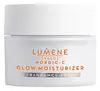
This brightening day moisturizer is formulated around 3-O-Ethyl Ascorbic Acid and Urea to brighten dull-looking skin and hydrate skin.
This brightening moisturizer is formulated around Ascorbyl Tetraisopalmitate and Niacinamide to brighten dull-looking skin.


What's inside
What's inside
 Key Ingredients
Benefits
Concerns
Ingredients Side-by-side
Water
Skin ConditioningHomosalate
Skin Conditioning

Octocrylene
UV Absorber

Ethylhexyl Salicylate
UV Absorber
Propanediol
Solvent

Butyl Methoxydibenzoylmethane
UV Absorber
Cocoglycerides
Emollient


3-O-Ethyl Ascorbic Acid
Skin Conditioning





Butyloctyl Salicylate
Skin Conditioning
Glyceryl Stearate
Emollient
Palmitic Acid
Emollient

Cetearyl Alcohol
Emollient
Cetearyl Glucoside
Emulsifying
Stearic Acid
Cleansing
Cetyl Phosphate
EmulsifyingUrea
Buffering
Yeast Amino Acids
HumectantTrehalose
Humectant
Inositol
Humectant
Taurine
BufferingBetaine
Humectant
Panthenol
Skin Conditioning
Sodium PCA
Humectant
Tocopheryl Acetate
Antioxidant

Persea Gratissima Oil
Skin Conditioning
Hydrogenated Vegetable Oil
Emollient
Tocopherol
Antioxidant
Xanthan Gum
EmulsifyingMagnesium Aluminum Silicate
Absorbent
Cellulose
Absorbent
Ethylhexylglycerin
Skin ConditioningCaprylic/Capric Triglyceride
Masking
Cellulose Gum
Emulsion StabilisingCaprylhydroxamic Acid
Tetrasodium Glutamate Diacetate
Aminomethyl Propanol
BufferingSodium Citrate
BufferingCitric Acid
Buffering
Arachidic Acid
Cleansing
Titanium Dioxide
Cosmetic Colorant
Myristic Acid
Cleansing
Lauric Acid
Cleansing
Leuconostoc/Radish Root Ferment Filtrate
Antimicrobial
Chlorphenesin
Antimicrobial
Sodium Benzoate
Masking
Limonene
Perfuming

Citrus Aurantium Peel Oil
Parfum
Masking
CI 77492
Cosmetic ColorantWater, Homosalate, Octocrylene, Ethylhexyl Salicylate, Propanediol, Butyl Methoxydibenzoylmethane, Cocoglycerides, 3-O-Ethyl Ascorbic Acid, Butyloctyl Salicylate, Glyceryl Stearate, Palmitic Acid, Cetearyl Alcohol, Cetearyl Glucoside, Stearic Acid, Cetyl Phosphate, Urea, Yeast Amino Acids, Trehalose, Inositol, Taurine, Betaine, Panthenol, Sodium PCA, Tocopheryl Acetate, Persea Gratissima Oil, Hydrogenated Vegetable Oil, Tocopherol, Xanthan Gum, Magnesium Aluminum Silicate, Cellulose, Ethylhexylglycerin, Caprylic/Capric Triglyceride, Cellulose Gum, Caprylhydroxamic Acid, Tetrasodium Glutamate Diacetate, Aminomethyl Propanol, Sodium Citrate, Citric Acid, Arachidic Acid, Titanium Dioxide, Myristic Acid, Lauric Acid, Leuconostoc/Radish Root Ferment Filtrate, Chlorphenesin, Sodium Benzoate, Limonene, Citrus Aurantium Peel Oil, Parfum, CI 77492
Water
Skin ConditioningPrunus Amygdalus Dulcis Oil
Skin Conditioning
Coco-Caprylate/Caprate
Emollient
Simmondsia Chinensis Seed Oil
Emollient
Rubus Chamaemorus Fruit Juice Extract
HumectantPropanediol
Solvent
Cetearyl Olivate
Vaccinium Vitis-Idaea Fruit Juice
Skin ConditioningGlycerin
Humectant
Dimethicone
Emollient
Sorbitan Olivate
Emulsifying
Ascorbyl Tetraisopalmitate
Antioxidant
Cetearyl Alcohol
Emollient
Niacinamide
Smoothing

Rubus Chamaemorus Fruit Extract
Antioxidant
Rubus Chamaemorus Seed Oil
Skin Conditioning
Phenoxyethanol
Preservative
Sodium Polyacrylate
Absorbent
Panthenol
Skin Conditioning
Cetyl Palmitate
Emollient
Hydroxyacetophenone
Antioxidant
Sorbitan Palmitate
Emulsifying
Maltodextrin
Absorbent
Sodium Polyglutamate
HumectantCetearyl Dimethicone Crosspolymer
Tocopheryl Acetate
Antioxidant
Xanthan Gum
EmulsifyingMica
Cosmetic ColorantEthylhexylglycerin
Skin ConditioningHydrolyzed Hyaluronic Acid
Humectant
Tocopherol
Antioxidant
Disodium EDTA
Adenosine
Skin Conditioning
Helianthus Annuus Seed Oil
Emollient
Rosmarinus Officinalis Leaf Extract
AntimicrobialCI 77891
Cosmetic ColorantWater, Prunus Amygdalus Dulcis Oil, Coco-Caprylate/Caprate, Simmondsia Chinensis Seed Oil, Rubus Chamaemorus Fruit Juice Extract, Propanediol, Cetearyl Olivate, Vaccinium Vitis-Idaea Fruit Juice, Glycerin, Dimethicone, Sorbitan Olivate, Ascorbyl Tetraisopalmitate, Cetearyl Alcohol, Niacinamide, Rubus Chamaemorus Fruit Extract, Rubus Chamaemorus Seed Oil, Phenoxyethanol, Sodium Polyacrylate, Panthenol, Cetyl Palmitate, Hydroxyacetophenone, Sorbitan Palmitate, Maltodextrin, Sodium Polyglutamate, Cetearyl Dimethicone Crosspolymer, Tocopheryl Acetate, Xanthan Gum, Mica, Ethylhexylglycerin, Hydrolyzed Hyaluronic Acid, Tocopherol, Disodium EDTA, Adenosine, Helianthus Annuus Seed Oil, Rosmarinus Officinalis Leaf Extract, CI 77891
Ingredients Explained
These ingredients are found in both products.
Ingredients higher up in an ingredient list are typically present in a larger amount.
Cetearyl alcohol is a waxy mixture of two fatty alcohols: cetyl alcohol and stearyl alcohol. It is an emollient and emulsifier.
Despite having "alcohol" in its name, it has nothing to do with drying solvent alcohols; the FDA also allows "alcohol-free" products to contain fatty alcohols like this ingredient.
It plays several roles in a formula:
Typical use levels for this ingredient sit around 1-10% and the Cosmetic Ingredient Review Expert Panel has affirmed safety at concentrations up to 25% in leave-on products.
Multiple assessments have found it to be non-irritating and non-sensitizing to most people.
However, there have been some cases of allergic contact dermatitis in patients with chronically compromised skin barriers.
Cetearyl alcohol has a comedogenic rating of 2 and irritancy rating of 1. Both of these numbers come from the 1989 study that used rabbit ears; a "2" means mildly comedogenic and a "1" means low irritancy.
Here's the catch: rabbit skin is more sensitive than human skin and throws a lot of false positives. A 1996 reappraisal found that ingredients rated 1-2 in the rabbit ear tests are generally safe for humans.
Remember comedogenic ratings are unable to assess the entire formula of a product or how it will react on your skin. Just be sure to patch test if you are unsure about certain ingredients.
This ingredient is not fungal acne safe. Cetearyl alcohol is a fatty alcohol with chain lengths that fall within the range that Malassezia can metabolize.
A 2019 study has also observed Malassezia growth in the presence of this ingredient, confirming it to be not-fungal acne safe.
Learn more about Cetearyl AlcoholEthylhexylglycerin is created from glycerin. It is a multitasker ingredient that:
The CIR Expert Panel found minimal skin absorption or sensitization of any kind in a safety assessment. Though this ingredient is considered well-tolerated, a small number of cases of allergic dermatitis have been published since 2002. Just be sure to patch test if you are unsure.
Industry-reported use ranges from 8% in rinse-off products and 2% in leave-on formulations.
Learn more about EthylhexylglycerinPanthenol is a common ingredient that helps hydrate and soothe the skin. It is found naturally in our skin and hair.
There are two forms of panthenol: D and L.
D-panthenol is also known as dexpanthenol. Most cosmetics use dexpanthenol or a mixture of D and L-panthenol.
Panthenol is famous due to its ability to go deeper into the skin's layers. Using this ingredient has numerous pros (and no cons):
Like hyaluronic acid, panthenol is a humectant. Humectants are able to bind and hold large amounts of water to keep skin hydrated.
This ingredient works well for wound healing. It works by increasing tissue in the wound and helps close open wounds.
Once oxidized, panthenol converts to pantothenic acid. Panthothenic acid is found in all living cells.
This ingredient is also referred to as pro-vitamin B5.
Learn more about PanthenolPropanediol is an all-star ingredient. It softens, hydrates, and smooths the skin.
It’s often used to:
Propanediol is not likely to cause sensitivity and considered safe to use. It is derived from corn or petroleum with a clear color and no scent.
Learn more about PropanediolTocopherol is a fat-soluble antioxidant known as Vitamin E.
You'll find this ingredient in the vast majority of skincare (for good reason). It works to neutralize free radicals, or unstable molecules generated by UV exposure, pollution, and other environmental stressors, before they can cause oxidative damage to your skin cells.
Topically applied tocopherol has been shown to protect against UV damage by ramping up the skin's own natural defense enzymes.
It also acts as a skin conditioning agent; some studies show that regular topical use can improve the skin's water-binding capacity over 2-4 weeks.
This ingredient is especially loved for being a team player. When combined with Vitamin C, the photoprotective effect of both ingredients roughly doubles and the combo also helps reduce UV-induced DNA damage.
This ingredient has some brightening potential but it's more of a prevention ingredient than spot-fader. Cell studies show it can slow down melanin production but it's worth noting that it's not the most powerful brightener out there.
In formulations, it also serves as a stabilizer that helps protect other oxidation-prone ingredients from degrading.
Concentrations usually range from 0.1-1% in most leave-on products.
Learn more about TocopherolTocopheryl Acetate is a stable, shelf-friendly form of vitamin E.
Formulators love it because plain vitamin E oxidizes quickly once it hits air. This acetate version stays stable and resists going off, helping to extend a product's shelf life.
It's actually inactive on its own and works like a slow-release "storage" form; the enzymes in your skin called esterases gradually convert it into active vitamin E over time.
One in vivo study showed 5% of the acetate in the living layer of the epidermis converted to vitamin E after 5 days of application. This study also found the skin gained protection against UV damage even though the conversion was slow and small.
Once converted, vitamin E acts as a skin's main fat-soluble antioxidant that fights free radicals to protect skin from damage.
Topical vitamin E generally boosts the skin's photoprotection, and it reduced UV-damage in animal models.
This ingredient has some brightening potential but it's more of a prevention ingredient than spot-fader. Cell studies show it can slow down melanin production but it's worth noting that it's not the most powerful brightener out there.
Overall, it has a pretty solid safety profile and has been found to be non-irritating and non-comedogenic. Allergic reactions may happen but stay rare due to how widely the ingredient gets used.
The concentration will vary depending on the formula; industry data shows 0.1% in baby lotions, 3% in lipsticks, and 5% in foot powders. You can also find this ingredient at 100% in a pure vitamin E oil.
Most leave-on skincare keeps it at the lower end, often between 0.5-1%.
Learn more about Tocopheryl AcetateWater. It's the most common cosmetic ingredient of all. You'll usually see it at the top of ingredient lists, meaning that it makes up the largest part of the product.
So why is it so popular? Water most often acts as a solvent - this means that it helps dissolve other ingredients into the formulation.
You'll also recognize water as that liquid we all need to stay alive. If you see this, drink a glass of water. Remember to stay hydrated!
Learn more about WaterXanthan gum is used as a stabilizer and thickener within cosmetic products. It helps give products a sticky, thick feeling - preventing them from being too runny.
On the technical side of things, xanthan gum is a polysaccharide - a combination consisting of multiple sugar molecules bonded together.
Xanthan gum is a pretty common and great ingredient. It is a natural, non-toxic, non-irritating ingredient that is also commonly used in food products.
Learn more about Xanthan Gum

